Categories
Corporate

Foxconn Commits ₹15,000 Crore Investment in Tamil Nadu

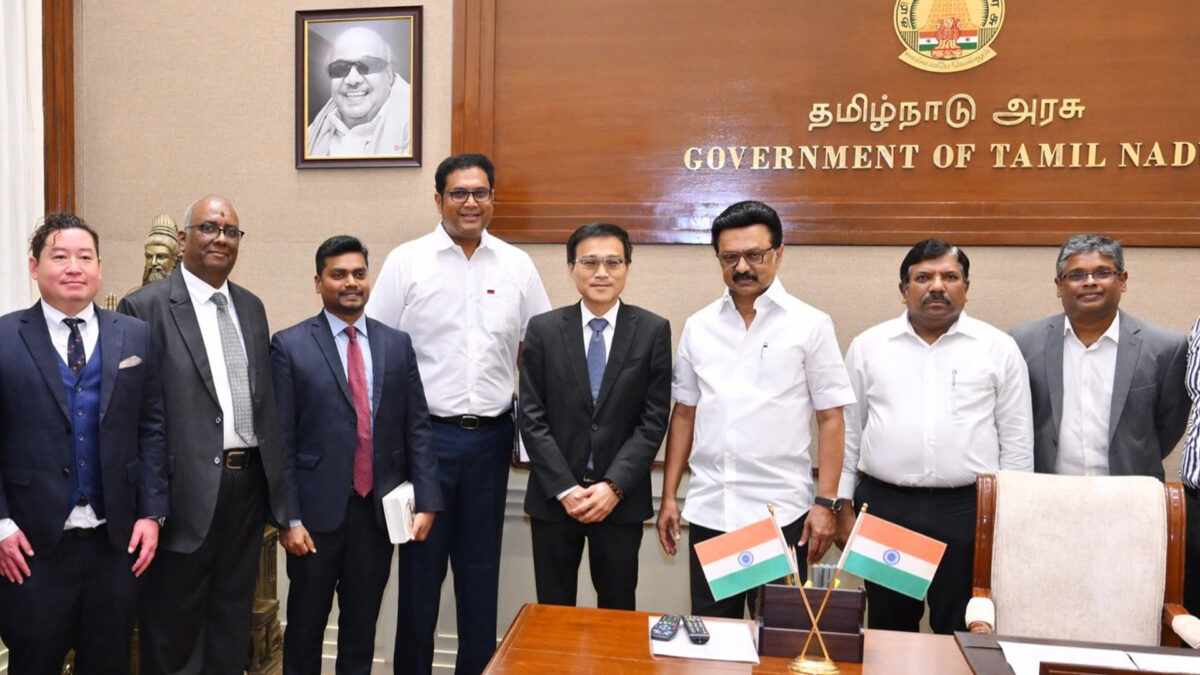
Foxconn, the Taiwanese electronics manufacturing giant, has announced a significant investment of ₹15,000 crore in Tamil Nadu, aiming to establish a robust manufacturing and research ecosystem in the state.

This initiative is set to create 14,000 high-value engineering jobs, marking a substantial contribution to Tamil Nadu’s industrial landscape.

The announcement was made following a meeting between Tamil Nadu Chief Minister M.K. Stalin and Foxconn’s India representative, Robert Wu, in Chennai on October 13, 2025.

The discussions underscored the deepening partnership between the state and Foxconn, reaffirming Tamil Nadu’s position as a preferred destination for high-tech manufacturing investments.

As part of this expansion, Foxconn will focus on value-added manufacturing, research and development (R&D) integration, and the implementation of artificial intelligence (AI)-led advanced technology operations. The investment will be distributed across multiple locations in Tamil Nadu, enhancing the state’s capabilities in electronics and advanced manufacturing sectors.

In a bid to streamline operations and facilitate faster project execution, the state government, through its investment promotion agency, Guidance Tamil Nadu, will establish a dedicated “Foxconn Desk.”

This initiative aims to provide seamless coordination and mission-mode engagement for Foxconn’s projects, ensuring efficient regulatory approvals and support.

Chief Minister Stalin expressed the government’s commitment to supporting Foxconn’s expansion, highlighting the state’s proactive industrial policies, world-class talent pool, and infrastructure readiness.

He assured full support through the state’s single-window investment facilitation mechanism and talent development partnerships.

Industries Minister T.R.B. Rajaa emphasized that this investment is the largest-ever commitment for Tamil Nadu in terms of engineering job creation, aligning with the state’s “Jobs for TN” initiative.

He termed it a major boost for Tamil Nadu’s electronics and advanced manufacturing sector, signaling the state’s growing appeal as a hub for electronics manufacturing and foreign investment in India.

Robert Wu, Foxconn’s India representative, conveyed the company’s confidence in Tamil Nadu’s governance model and industrial policies.

He noted that the state’s infrastructure readiness and ease of doing business make it a preferred destination for Foxconn’s next phase of growth in India, including strategic verticals such as battery technologies and AI-led manufacturing systems.

This development underscores Tamil Nadu’s transformation from a manufacturing destination to a strategic innovation and engineering hub for the global supply chain.

The state’s commitment to fostering a conducive environment for high-tech industries is expected to attract further investments, positioning Tamil Nadu as a key player in the global electronics manufacturing landscape.

Also Read: Enforcement Directorate Offers Flipkart Settlement in FEMA Violation
Categories
Corporate

Mahindra Lifespace Acquires Land in Pune for ₹3,500 Crore Housing Project

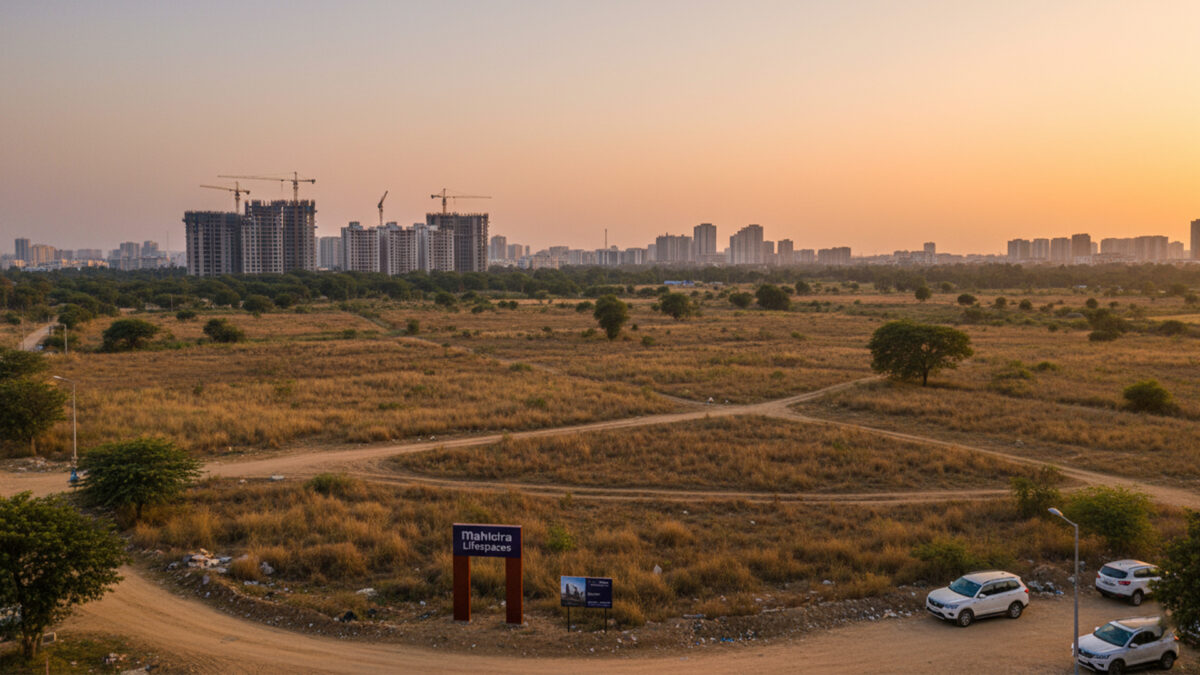
Mahindra Lifespace Developers Ltd, a prominent real estate arm of the Mahindra Group, has acquired a 13.46-acre land parcel in Pune’s Nande-Mahalunge area.

The company estimates the development potential of this project to be approximately ₹3,500 crore. This acquisition aligns with Mahindra Lifespace’s strategy to expand its residential footprint in key growth corridors across India.

The Nande-Mahalunge area is strategically located, offering excellent connectivity to Pune’s IT and business hubs, including Hinjewadi and Baner-Balewadi.

The site is also in proximity to well-established social infrastructure, such as educational institutions and healthcare facilities.

The development is expected to cater to the growing demand for high-quality, modern residential spaces in this rapidly developing region.

Vimalendra Singh, Chief Business Officer – Residential at Mahindra Lifespace Developers, emphasized the strategic importance of the Nande-Mahalunge micro-market.

He noted that the area has witnessed strong absorption over the past few years, indicating a clear and growing demand for future-ready homes with modern amenities.

Singh further highlighted that the project’s location within the well-planned Mahalunge micro-market offers excellent connectivity through the proposed PMRDA Town Planning Scheme and the upcoming Inner Ring Road, next to Hinjewadi.

This acquisition reinforces Mahindra Lifespace’s commitment to Pune and aligns with its strategy to strengthen its presence across the city’s key growth corridors.

In addition to the Pune project, Mahindra Lifespace has been selected as the preferred partner for the redevelopment of four residential societies in the Malad (West) area of Mumbai.

The company anticipates a development potential of ₹800 crore from this project, which spans approximately 1.65 acres.

The Malad redevelopment project is situated 2.6 km from the Western Express Highway and provides connectivity to key areas of Mumbai via multiple transportation modes, including the Malad West Metro Station and Malad Railway Station.

Mahindra Lifespace’s development footprint now spans 49.26 million square feet of completed, ongoing, and forthcoming residential projects across seven Indian cities.

The company has over 5,000 acres of ongoing and forthcoming projects under development or management at its integrated developments and industrial clusters across four locations.

The acquisition of the Nande-Mahalunge land and the redevelopment projects in Mumbai signify Mahindra Lifespace’s continued commitment to expanding its presence in India’s key real estate markets.

These initiatives are expected to contribute to the company’s growth and reinforce its position as a leading developer of sustainable and customer-centric residential communities.

Also Read: Enforcement Directorate Offers Flipkart Settlement in FEMA Violation Case
Categories
Corporate

BPCL, Reliance BP Mobility Partner to Expand CNG Network

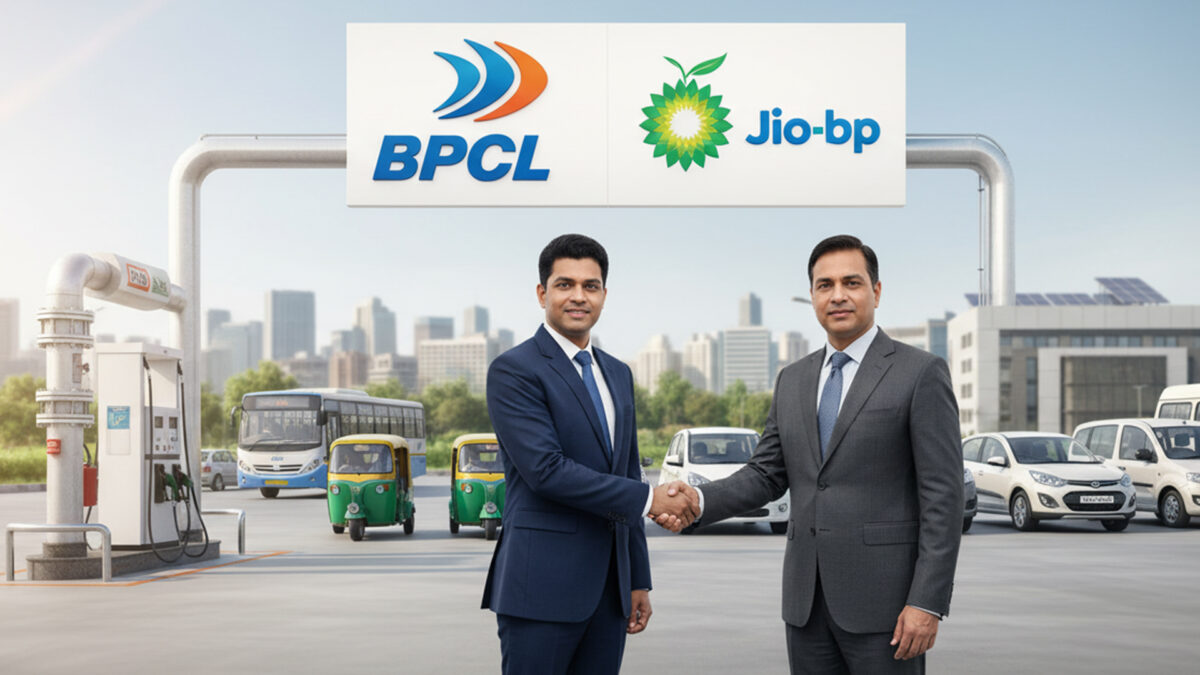
Bharat Petroleum Corporation Limited (BPCL) and Reliance BP Mobility Limited (RBML) have entered into a strategic partnership aimed at enhancing India’s City Gas Distribution (CGD) infrastructure and expanding the availability of Compressed Natural Gas (CNG) across urban regions.

This collaboration is part of BPCL’s broader initiative, Project Aspire, which seeks to promote a sustainable energy framework for the country.

The official agreement was signed by key executives from both organizations, including Rouf Khan, Chief General Manager – Projects & Marketing (Gas) at BPCL, and Sanjay Pandita, Head – Gaseous Fuels at RBML.

The partnership is expected to leverage the strengths of both companies to increase access to cleaner and more affordable fuel alternatives throughout India.

This collaboration aligns with the Government of India’s objective to raise the share of natural gas in the national energy mix from the current 6% to 15% by 2030.

By expanding the CNG network and CGD infrastructure, the partnership aims to contribute significantly to this goal, supporting the transition towards a gas-based economy.

The partnership is also expected to enhance the customer experience by providing convenient access to CNG and natural gas services, thereby promoting the adoption of cleaner fuels in the transportation and residential sectors.

Both BPCL and RBML are committed to ensuring the seamless integration of their networks and services to maximize the benefits of this collaboration.

This strategic alliance marks a significant step in India’s journey towards a more sustainable and diversified energy landscape, with BPCL and RBML playing pivotal roles in driving the adoption of natural gas as a key component of the nation’s energy mix.

Also Read: SBI Aims for 30% Women Workforce by 2030

Categories
Corporate

Natco Pharma Acquires 35.75% Stake in South Africa’s Adcock Ingram

India’s Natco Pharma has secured a significant foothold in the South African pharmaceutical market by acquiring a 35.75% stake in Adcock Ingram, valued at approximately R4.2 billion (₹2,000 crore).

This strategic move will transform the 135-year-old company into a privately held entity, co-owned by Natco and Bidvest, which will retain its position as the majority shareholder.

The acquisition was approved by over 98% of Adcock Ingram’s shareholders at a general meeting held on October 9, 2025.

The deal involves Natco Pharma South Africa purchasing all ordinary shares not already held by Natco, Bidvest, or Adcock Ingram’s treasury shares.

Following the completion of the transaction, Adcock Ingram will be delisted from the Johannesburg Securities Exchange (JSE), marking a significant shift in its corporate structure.

Natco’s offer, made in July 2025, was priced at R75 per share (approximately $4.27), which led to a 20% increase in Adcock Ingram’s share price at the time.

The transaction is expected to be finalized within four months, subject to regulatory approvals. Once completed, Natco will consolidate 35.75% of Adcock Ingram’s net profits in its financial results, aligning with its shareholding.

This acquisition enables Natco Pharma to expand its presence in the Southern African market, particularly in the generics and consumer healthcare sectors.

Adcock Ingram, with a revenue of R9.6 billion (approximately $536 million) for the fiscal year ending June 2024, operates a portfolio of well-established brands and has a strong distribution network across South Africa and other emerging markets.

The partnership with Bidvest, which has been involved with Adcock Ingram since 2019, is expected to enhance the company’s competitiveness and facilitate access to new markets.

Adcock Ingram’s General Manager, Dorette Neethling, highlighted that the collaboration with Natco Pharma would provide the company with the support of strong, globally recognized stakeholders, enabling it to explore new markets and expand its product offerings.

For Natco Pharma, this acquisition represents a significant step in its international expansion strategy, leveraging its research and development capabilities, regulatory expertise, and global marketing reach to strengthen its position in the global pharmaceutical industry.

The company’s CEO & Vice Chairman, Rajeev Nannapaneni, expressed confidence that the partnership would lead to wider access to affordable medicines in South Africa and other regions.

Last week, Natco Pharma won a legal battle in India that allowed it to sell a generic version of a key pharmaceutical drug, strengthening its domestic portfolio and enhancing its capacity to supply affordable medication.

The case, decided in Natco’s favor, demonstrated the company’s ability to navigate complex intellectual property and regulatory challenges, further boosting its credibility in global markets.

The deal has been structured to ensure business continuity, with no immediate changes to existing operations, partnerships, or supplier relationships.

Both companies are committed to maintaining uninterrupted business operations during the transition period.

As the transaction progresses, stakeholders are closely monitoring its impact on the pharmaceutical landscape in Southern Africa and the broader implications for Natco Pharma’s global strategy.

The successful completion of this acquisition is anticipated to enhance Natco’s competitive edge and contribute to the growth of the pharmaceutical sector in the region.

Categories
Corporate

Enforcement Directorate Offers Flipkart Settlement in FEMA Violation Case

The Enforcement Directorate (ED) has extended an opportunity to e-commerce giant Flipkart to settle an alleged violation of the Foreign Exchange Management Act (FEMA).

According to sources familiar with the matter, the ED has proposed that Flipkart admit to the contravention, pay a penalty, and dismantle certain seller networks associated with the company.

This offer was made under FEMA’s compounding provisions, which allow companies to resolve violations without undergoing prolonged legal proceedings.

The ED’s scrutiny of Flipkart dates back to July 2021, when a show-cause notice was issued concerning potential breaches of FEMA provisions between 2009 and 2015.

These alleged violations occurred prior to Walmart’s acquisition of a majority stake in Flipkart in 2018. Subsequent notices were served to the company, with the most recent one issued in April of this year, extending the investigation to activities post-2016.

The ED’s examination includes allegations that Flipkart’s platform may have facilitated deep discounting practices, potentially contravening foreign investment regulations.

In addition to the ED’s inquiry, Flipkart is also under investigation by the Competition Commission of India (CCI) for potential violations of competition laws.

A non-confidential version of the CCI Director General’s investigation report, received in September 2024, highlighted concerns regarding certain subsidiaries of Flipkart and their business practices.

While Flipkart has not publicly commented on the ED’s settlement offer, the company’s legal team is reportedly reviewing the proposal.

Industry observers note that the ED’s compounding option could serve as a strategic move to enhance India’s negotiating position in ongoing trade discussions with the United States.

The ED’s offer presents Flipkart with a pathway to resolve the FEMA violation case expediently.

Should the company choose to accept the settlement, it would involve acknowledging the alleged contravention, remitting the stipulated penalty, and taking corrective actions concerning the implicated seller networks.

This approach aligns with FEMA’s provisions designed to facilitate the resolution of foreign exchange violations without resorting to extended enforcement actions.

As the situation develops, stakeholders within the e-commerce and regulatory sectors are closely monitoring Flipkart’s response to the ED’s settlement offer.

The outcome may have implications for the company’s operational strategies and its standing in ongoing regulatory reviews.

Also Read: ACME to invest ₹5,000 crore in 1.2 Mt green iron plant

Categories
Corporate

L&T Secures Grid Infra Orders Worth ₹2,500–5,000 Crore in Middle East

Larsen & Toubro Ltd (L&T) has announced that its Power Transmission & Distribution (PT&D) business has secured a series of significant grid infrastructure orders in the Middle East, valued between ₹2,500 crore and ₹5,000 crore.

These contracts encompass projects in the UAE, Saudi Arabia, and other Gulf Cooperation Council (GCC) countries, underscoring L&T’s expanding footprint in the region’s energy sector.

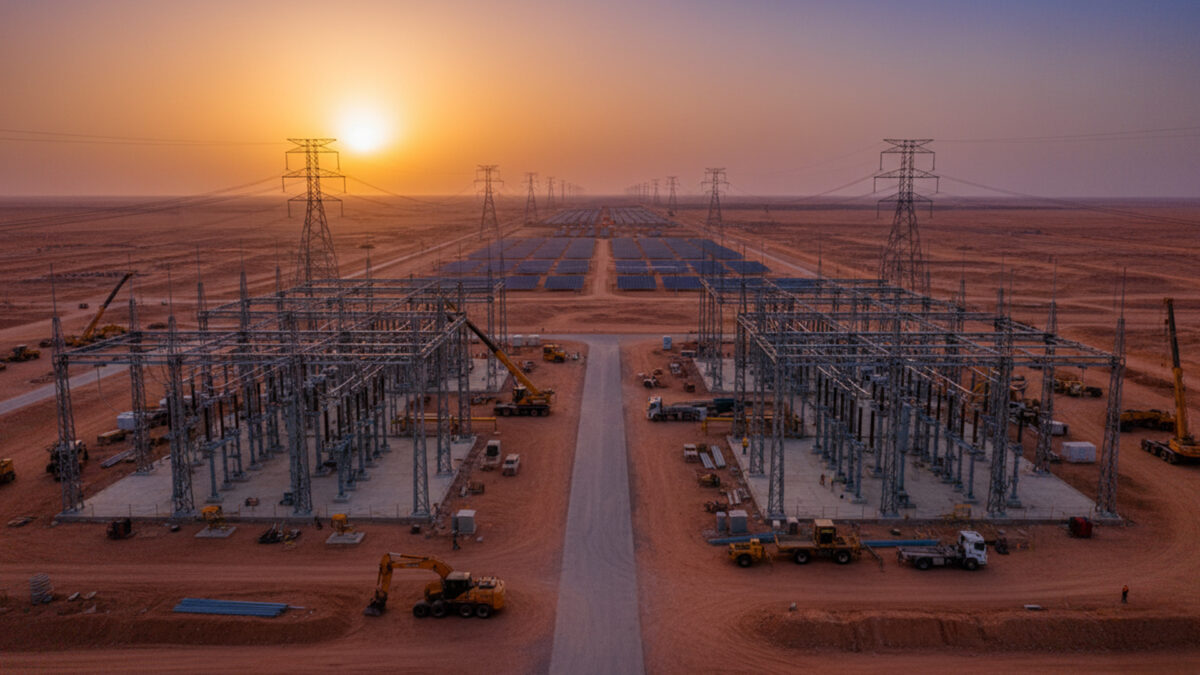
One of the notable projects involves the construction of a 400kV substation in the UAE, which is part of the ongoing 400kV super grid interconnection linking the electricity networks of GCC member states.

This initiative aims to establish a direct 400kV link between Oman and the rest of the GCC grid, thereby enhancing regional energy security and enabling more efficient use of generation capacity.

In Saudi Arabia, L&T has been awarded contracts for the turnkey construction of 380kV overhead transmission lines.

These lines are integral to integrating renewable energy power plants into the national grid, aligning with the country’s vision to diversify its energy sources and reduce dependence on fossil fuels.

Additionally, L&T’s PT&D business has secured orders for a series of new 132kV substations across the Middle East to support the rising electricity demand in the region.

These substations are expected to bolster the existing infrastructure and ensure a stable power supply to meet the growing needs of urban and industrial areas.

L&T classifies contracts in the ₹2,500 crore to ₹5,000 crore range as ‘large’ orders.

The company’s strategic focus on the Middle East aligns with the region’s significant investments in infrastructure development and renewable energy projects.

These new orders not only reinforce L&T’s position as a key player in the global EPC (engineering, procurement, and construction) space but also contribute to the ongoing energy transition efforts in the Middle East.

The company’s robust execution capabilities and technological expertise in power transmission and distribution have been pivotal in securing these contracts.

L&T continues to leverage its experience in delivering complex infrastructure projects to meet the evolving energy demands of its international clients.

These developments reflect L&T’s commitment to expanding its global presence and contributing to the development of sustainable and resilient energy infrastructure worldwide.

The successful execution of these projects is expected to further enhance L&T’s reputation in the international market and open avenues for future opportunities in the Middle East and beyond.

Also Read: Reliance Power CFO Ashok Pal Resigns Following ED Arrest

Categories
Corporate

SBI Aims for 30% Women Workforce by 2030

The State Bank of India (SBI), the country’s largest lender, has announced an ambitious plan to increase the proportion of women in its workforce to 30% by 2030.

Currently, women account for approximately 27% of SBI’s total staff, with a higher representation of nearly 33% among frontline employees.

This strategic initiative underscores the bank’s commitment to enhancing gender diversity and fostering an inclusive work environment across all levels of the organization.

To achieve this goal, SBI is implementing a comprehensive set of measures aimed at supporting and empowering its female employees.

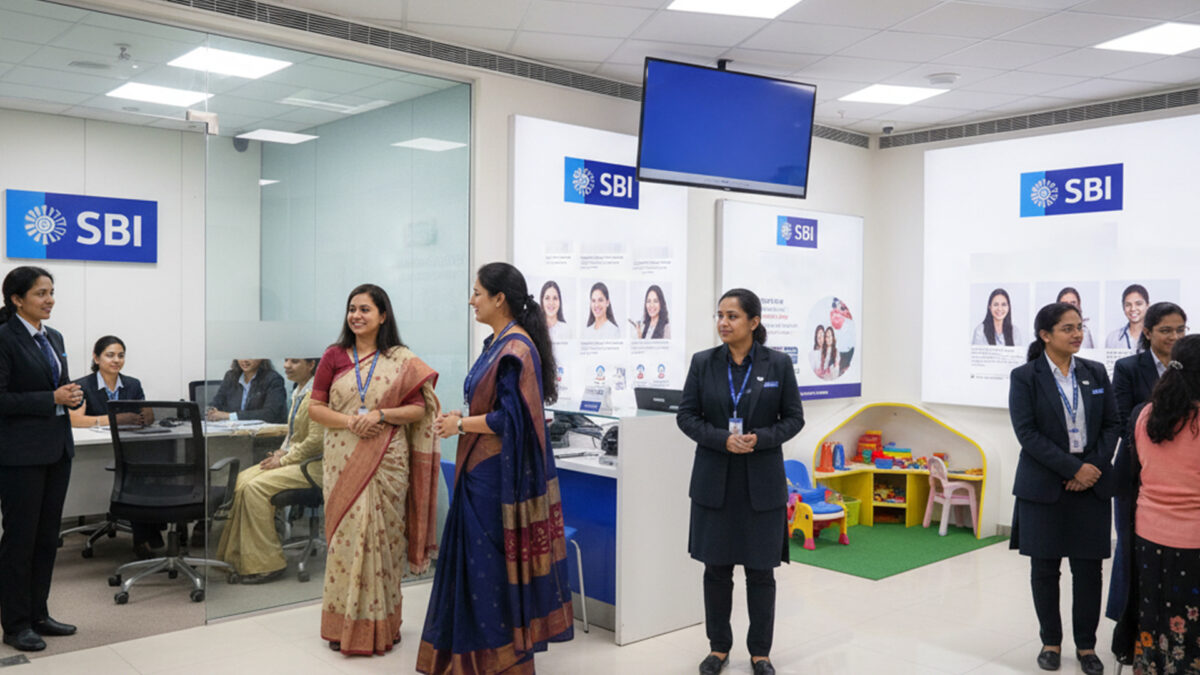
These initiatives include the introduction of leadership development programs tailored for women, the establishment of all-women branches, and the provision of health and wellness benefits such as cancer screenings and vaccination drives.

Additionally, the bank is enhancing work-life balance support through the provision of creche allowances and family connect programs.

SBI is also offering specialized training for women returning from maternity leave, sabbaticals, or extended sick leave, ensuring a smooth reintegration into the workforce.

SBI’s commitment to gender diversity is further reflected in its internal policies. The bank provides up to two years of sabbatical leave for personal commitments such as childcare or further education, a policy unique among public sector banks.

Additionally, SBI enforces a strict policy on the prevention, prohibition, and redressal of sexual harassment in the workplace, demonstrating its dedication to creating a safe and supportive environment for all employees.

With a workforce exceeding 240,000 employees, SBI is one of the largest employers in India and globally. The bank’s proactive approach to gender diversity aims to not only increase female representation but also to cultivate a workplace culture that values inclusivity and equal opportunity.

Through these concerted efforts, SBI seeks to empower women, enhance organizational performance, and set a benchmark for diversity and inclusion in the banking sector.

This strategic focus on gender diversity aligns with broader national objectives to increase women’s participation in the workforce, which is seen as a key driver for economic growth and social equity.

By setting and working towards this target, SBI is positioning itself as a leader in promoting gender equality within the financial services industry.

Also Read: ACME to invest ₹5,000 crore in 1.2 Mt green iron plant

Categories
Corporate

Reliance Power CFO Ashok Pal Resigns Following ED Arrest

Ashok Kumar Pal resigned from his positions as Executive Director and Chief Financial Officer (CFO) of Reliance Power Ltd following his arrest by the Enforcement Directorate (ED) in a money-laundering probe.

The company said the resignation is effective immediately, stating that it has acted “bona fide” and now views itself as a victim of fraud and forgery.

The ED’s case centres on allegations that Pal played a key role in a scheme involving fake bank guarantees submitted to the Solar Energy Corporation of India (SECI) by a Reliance Power subsidiary, Reliance NU BESS (formerly Maharashtra Energy Generation Ltd).

Investigators allege that a bank guarantee of ₹68.2 crore was purportedly issued by FirstRand Bank, Manila, even though the bank has no branch in the Philippines.

The agency alleges that he was involved in designing and executing sham transactions, using forged documents, and concealing financial trails through shell companies.

The ED’s remand application claims that Pal directed the use of falsified endorsements, managed encrypted communication channels to avoid detection, and manipulated accounting workflows to process fraudulent guarantees.

One of the intermediary firms under investigation is Biswal Tradelink Pvt Ltd, based in Odisha, which allegedly arranged fake bank guarantees bearing forged State Bank of India (SBI) endorsements and fabricated confirmations.

The probe has revealed that communications in the case involved spoofed email domains that closely resembled official bank emails, such as altering “sbi.co.in” to “s-bi.co.in.”

Investigators also claim that Pal approved payments to Biswal Tradelink against bogus invoices for services that were never rendered, bypassing the company’s standard vendor verification systems.

He is also said to have used WhatsApp and Telegram to communicate instructions related to these transactions, leaving minimal formal records.

Reliance Power has distanced itself from Pal’s alleged actions, asserting that the company and its subsidiaries were victims of deception. In a regulatory filing, the firm stated that Pal resigned “pending the ongoing matter and in order to assist the investigation.”

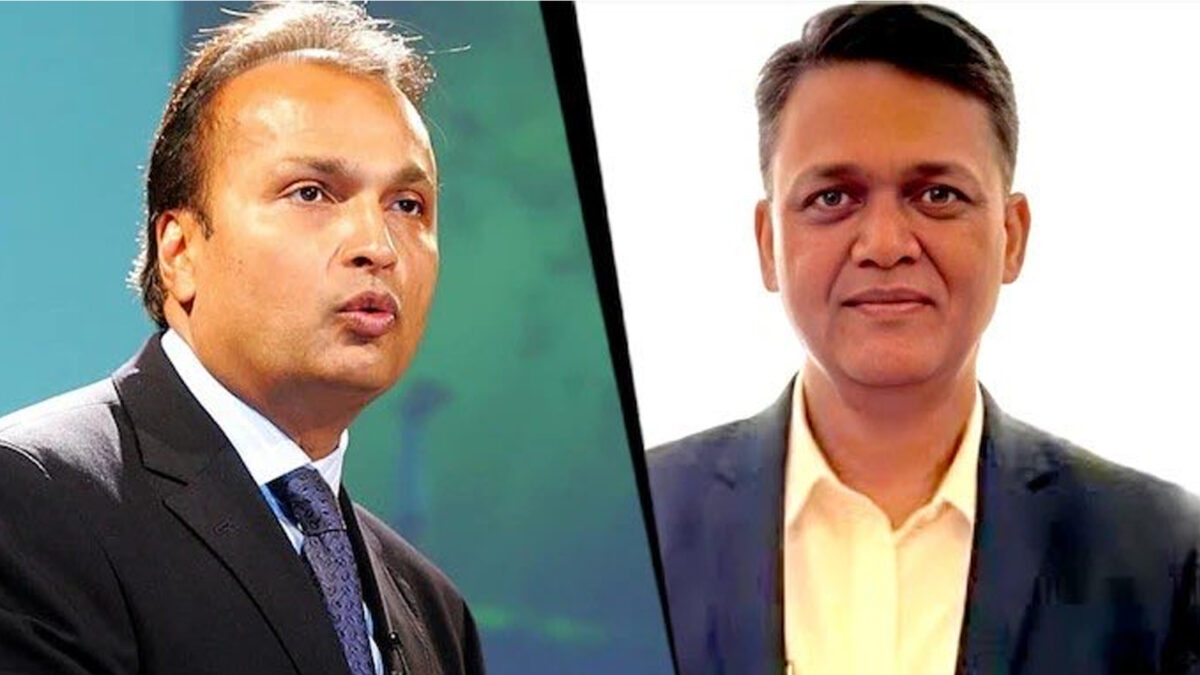
It also clarified that Anil D. Ambani, who has often been linked to Reliance Power in media reports, has not served on the company’s board for over three years and “is not concerned with this matter in any manner.”

Following his arrest, Pal was produced before a special court, which granted the ED two days’ custody for interrogation. His legal counsel has challenged the arrest, arguing that procedural lapses could undermine the case.

This development is part of a broader probe into financial irregularities linked to the Anil Dhirubhai Ambani (ADA) group, particularly concerning loans disbursed by Yes Bank between 2017 and 2019 that were allegedly diverted to shell companies.

In July 2025, the ED conducted raids at more than 35 locations across Mumbai and Delhi as part of this ongoing investigation into suspected money laundering and forged financial instruments.

The arrest and subsequent resignation of Pal mark a significant escalation in regulatory scrutiny of Reliance Power and its group entities.

The company, which has over 75 percent public shareholding, is now facing heightened questions about its corporate governance framework and internal control systems. The case also highlights broader concerns about the vulnerability of major infrastructure and power sector tenders to fraud involving forged financial guarantees and complex money-laundering channels.

As the ED continues its investigation, more details are expected to emerge through custodial interrogation and forensic analysis of seized communications and financial records.

The outcome of the case could have wider implications for regulatory oversight in the energy and financial sectors, particularly in relation to due diligence requirements and accountability standards within large corporate groups.

Also Read: ACME to invest ₹5,000 crore in 1.2 Mt green iron plant

Categories
Corporate

ACME to invest ₹5,000 crore in 1.2 Mt green iron plant

ACME Group is set to invest approximately ₹5,000 crore to build a 1.2 million tonnes per annum (MTPA) green iron facility (phase 1), focused on producing Green Hot Briquetted Iron (HBI) and Green Direct Reduced Iron (GRI), according to industry sources.

In a statement, ACME’s chairman Manoj Kumar Upadhyay said the planned greenfield facility will target “some of the lowest-emission green HBI and DRI products,” reflecting the group’s ambition to lead in clean-technology solutions.

The company is currently evaluating prospective locations in India and Oman, preferring sites close to its existing operations for logistical synergies.

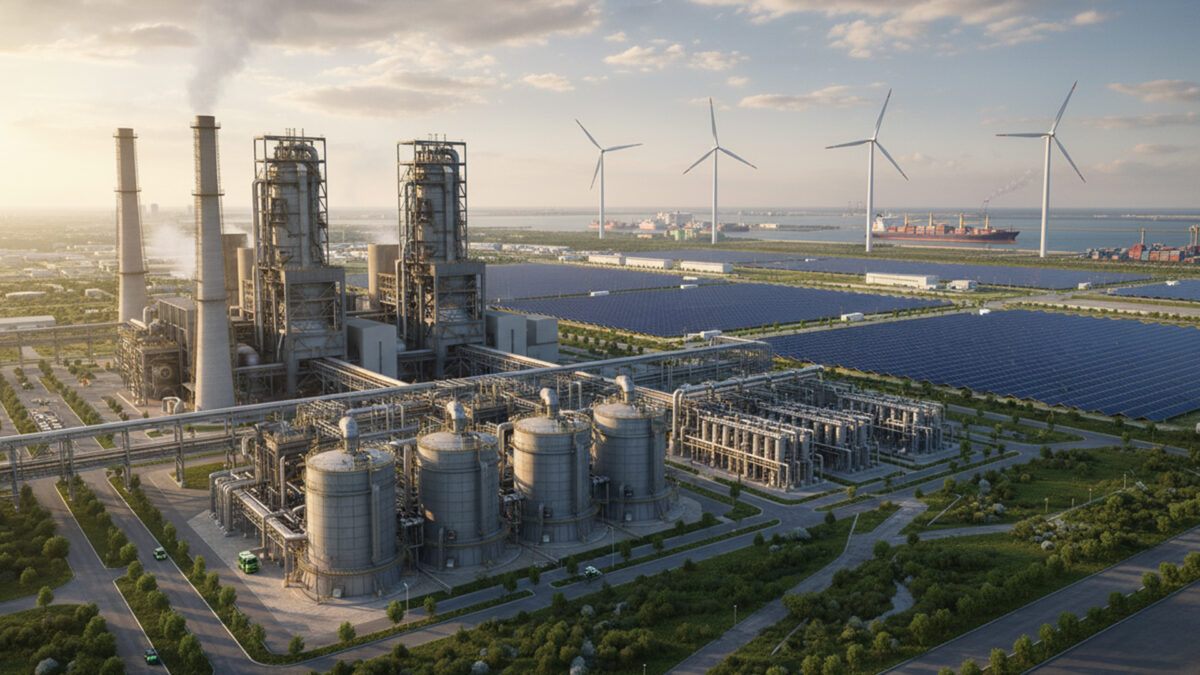
ACME already has clean-energy undertakings underway, including a green hydrogen facility under development in Odisha and another project in advanced stages in Oman.

Its renewable portfolio also spans solar, wind, hybrid, and dispatchable energy projects, with an existing installed solar capacity of around 2,700 MW.

On the commercial front, ACME has signed a long-term supply deal with Vietnam’s Stavian Industrial Metal.

Under the agreement, ACME will supply green HBI/DRI output from the forthcoming 1.2 MTPA facility over a 10-year take-or-pay and supply-or-pay structure.

The supply arrangement reflects growing confidence in the global demand for low-carbon iron feedstock, particularly as steelmakers accelerate their transition toward hydrogen-based and electrified production processes.

The partnership also secures offtake certainty for ACME ahead of commissioning, giving the project a strong commercial foundation.

The investment comes amid intensifying global efforts toward decarbonising the steel industry, one of the largest contributors to industrial greenhouse gas emissions.

With the sector accounting for roughly 7–8% of global CO₂ emissions, several companies are racing to retrofit or build new zero-carbon infrastructure.

ACME’s move positions it among a growing group of industrial players betting on hydrogen and green iron technologies as the backbone of future steelmaking.

The upcoming facility is expected to strengthen India’s role in producing low-carbon steel inputs and could help reduce the carbon intensity of domestic steel value chains.

By integrating renewable energy with hydrogen-based iron reduction, ACME aims to demonstrate that large-scale industrial decarbonisation is both feasible and commercially viable.

With phase 1 anchored at 1.2 MTPA, the company is expected to explore further expansion in subsequent phases, though no official timeline has yet been announced.

The project is likely to leverage ACME’s hydrogen and renewable energy infrastructure to meet emissions targets and maintain cost competitiveness.

As the group finalises site selection and regulatory clearances, the ₹5,000 crore commitment signals ACME’s growing ambition to become a major player in India’s emerging green-steel ecosystem.

The initiative not only aligns with India’s broader decarbonisation goals but also underscores the increasing convergence of clean energy and heavy industry — a necessary step toward a sustainable industrial future.

Also Read: Tata Trusts Faces Internal Strife as Shapoorji Pallonji Group Pushes for IPO

Categories
Corporate

Tata Trusts Faces Internal Strife as Shapoorji Pallonji Group Pushes for IPO

The Tata Group is embroiled in a governance crisis following internal disputes within Tata Trusts, the philanthropic arm that controls a 66% stake in Tata Sons, the holding company of the conglomerate.

The rift intensified after the death of Ratan Tata in October 2024, leading to leadership challenges and disagreements over strategic decisions, including the potential public listing of Tata Sons.

Government Intervention Amidst Boardroom Turmoil

The conflict within Tata Trusts has escalated to the point where senior Indian government officials, including Finance Minister Nirmala Sitharaman and Home Minister Amit Shah, have intervened to mediate the dispute.

This rare involvement underscores the significance of the Tata Group in India’s economy and the potential repercussions of internal instability.

The discord centers on governance issues, trustee appointments, and the future direction of Tata Sons. Reports suggest that the Trusts’ board is divided, with some members opposing changes to the existing structure and others advocating for reforms.

Shapoorji Pallonji Group’s Stance on Tata Sons IPO

Amidst the turmoil, the Shapoorji Pallonji Group, the largest minority shareholder in Tata Sons with an 18.37% stake, has reiterated its call for the public listing of Tata Sons.

Chairman Shapoorji Pallonji Mistry emphasized that a public listing would enhance transparency, uphold the founding principles of the Tata Group, and unlock value for over 120 million indirect shareholders of listed Tata companies.

He described the move as a “moral and social imperative” and urged compliance with the Reserve Bank of India’s (RBI) mandate for such a listing.

Tata Trusts Board Meeting Avoids Controversial Topics

In a recent board meeting, Tata Trusts focused on routine matters, steering clear of contentious issues such as the proposed IPO and internal governance disputes.

This decision to avoid addressing the core issues reflects the delicate nature of the current situation and the challenges in reaching a consensus among trustees. The lack of discussion on these critical topics has raised concerns about the Trusts’ ability to navigate the ongoing crisis effectively.

Implications for the Tata Group and Stakeholders

The ongoing internal strife within Tata Trusts and the push for a public listing of Tata Sons have significant implications for the Tata Group’s future. The outcome of these disputes will affect the governance structure, strategic direction, and financial stability of one of India’s most influential conglomerates. Stakeholders, including employees, investors, and the broader public, are closely monitoring developments, as the resolution of these issues will shape the legacy and future trajectory of the Tata Group.

As the situation unfolds, the need for transparent dialogue, effective governance, and strategic foresight remains paramount to ensure the continued success and integrity of the Tata Group.

Also Read: Natco Pharma Secures Legal Victory to Launch Generic Risdiplam in India