Categories
Corporate

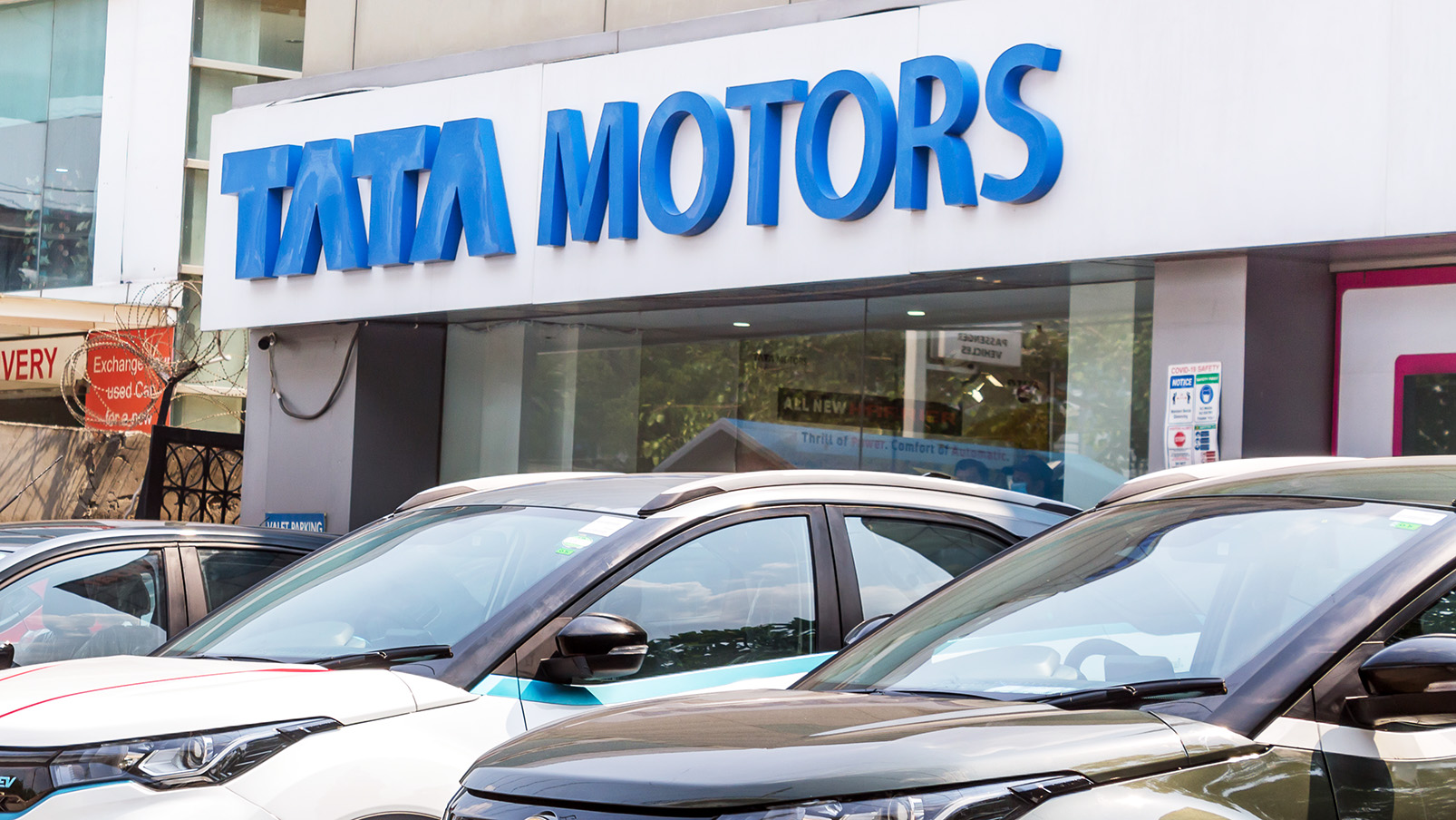
Tata Motors expects gradual improvement in domestic demand

Tata Motors expects gradual improvement in domestic demand

In the passenger vehicle segment, the company’s revenue declined by 4.3% year-on-year to Rs 12,400 crore
Staff Writer

Tata Motors is expecting a gradual improvement in terms of demand in the fourth quarter of FY25, a top official said on Wednesday. The company reported a 22% year-on-year decline in its net profit to Rs 5,451 crore in the third quarter of FY25, as against Rs 7,025 crore in the same period last year. The automaker's revenue from operations improved marginally by 2.7% to Rs 1.16 lakh crore as against Rs 1.11 lakh crore in the same period last year. 

In the passenger vehicle segment, the company’s revenue declined by 4.3% year-on-year to Rs 12,400 crore, whereas the segment’s EBITDA improved by 120 basis points. In the commercial vehicle segment, the company’s revenue declined by 8.4% year-on-year to Rs 18,400 crore. 

“I think if you look at the domestic situation, the decline in revenues that you saw for us in the commercial vehicle side, while market shares have inched up in the heavy will give you a signal that the demand for in Q3 has not been as great as you'd have expected. The festive season has been good, but thereafter the demand has been weak owing to a combination of factors such as tight liquidity,” says P Balaji, Group CFO, Tata Motors.

According to Balaji, though the quarter has not witnessed great growth, demand can bounce back once the consumption is turbocharged. For the domestic automobile industry, the January to March quarter is generally strong, he said.

“On the domestic side, we expect a gradual improvement in demand on a combination of factors. We believe the infrastructure investments will continue this year. And we also have our product actions that are also going through. So domestically, we believe this gradual improvement in demand will continue into Q4,” Balaji said. 

Notably, the company’s passenger vehicle and commercial vehicle business is slated for demerger in October 2025. 

Meanwhile, the company’s revenue for Jaguar Land Rover improved marginally by 1.5% to £7.5 billion in the third quarter, with EBIT margin expanding by 20 basis points, the highest in a decade. JLR’s EBITDA however declined by 200 basis points. The company expects to achieve its profitability and cash flow targets in FY25, with EBIT margin ≥8.5% and positive net cash. 

Balaji maintains that while the US and UK continue to be the biggest markets for JLR, the company will remain watchful in China. “We do continue to remain watchful in China. And the reason why we do see stress in China overall, at an industry level, I think the premium market is down almost 14% for the year from April to December this year. And in that, if you look at the JLR import business, we are doing much better. It only declined about 5% in that business. So, therefore, we believe that the intervention that we've been making in the Chinese market is helping us to get into the industry,” says Balaji. 

Concerning the possibility of tariffs on automotive imports by the Trump administration, Balaji said that the company is closely monitoring the situation. “Currently we need to wait for clarity to emerge on that. And as far as the UK is concerned, I think the UK dollars of payment vis a vis the US is the other way around. US exports, more to the UK than the other way around. And therefore, we'll need to watch and see how that plays out. There's nothing concrete at this point. In any case, we will have to continue to drive all degrees, all the levers that we have both on the demand side and the cost side to navigate whatever comes our way,” says Balaji.

Categories
Corporate

Aditya Birla Housing Finance secures ₹830 crore from IFC to boost affordable housing

Aditya Birla Housing Finance secures ₹830 crore from IFC to boost affordable housing

ABHFL, a subsidiary of Aditya Birla Capital, stated that the funding was secured through Non-Convertible Debentures (NCDs) from the IFC

Staff Writer

Aditya Birla Housing Finance Limited (ABHFL) has secured Rs 830 crore from the International Finance Corporation (IFC) to promote affordable housing and empower women borrowers in India. The funding will focus on low and middle-income groups and support women-led MSMEs.

ABHFL, a subsidiary of Aditya Birla Capital, stated that the funding was secured through Non-Convertible Debentures (NCDs) from the IFC. This investment aims to address critical gaps in the housing sector by providing loans to low-income and middle-income groups, focusing on encouraging homeownership among women. A portion of the funds will also support MSMEs, particularly women-led enterprises, to drive economic growth and empowerment. 

"This collaboration with IFC marks a key milestone in advancing financial inclusion and equitable growth…This initiative empowers underserved communities, particularly women borrowers, while supporting MSMEs to foster entrepreneurial growth and economic empowerment," said Pankaj Gadgil, MD and CEO of ABHFL.

The funding aligns with IFC's mission to enhance financial access in emerging markets. "A dynamic housing sector and improved financial access for MSMEs are essential for India's sustainable development," stated Wendy Werner, Country Head, India and Maldives, IFC.

ABHFL, registered with the National Housing Board as a non-deposit accepting finance company, has its footprint in 150 branches. The company manages assets under management (AUM) of over Rs 23,236 crore and holds a long-term credit rating of AAA (Stable) by CRISIL, ICRA, and India Ratings. ABHFL, part of the $66 billion Aditya Birla Group has operations in over 40 countries.

Categories
Corporate

SEBI rejects US-based Danny Gaekwad’s bid to pick up 26% stake in Religare Enterprises

SEBI rejects US-based Danny Gaekwad's bid to pick up 26% stake in Religare Enterprises

Danny Gaekwad Developments & Investments had proposed acquiring a 26% stake in Religare Enterprises at a price higher than the one offered by the four Burman family-controlled entities

Staff Writer

The Securities and Exchange Board of India (SEBI) has rejected the competing open offer from US-based Danny Gaekwad Developments & Investments for the acquisition of a 26 percent stake in Religare Enterprises Ltd (REL). The regulator stated that the offer did not comply with required regulations.

In a communication to REL on January 28, SEBI clarified that the "letters submitted by Digvijay Laxmansinh Gaekwad" were being returned, as they did not qualify as an exemption application under Regulation 11 of the SEBI (SAST) Regulations, 2011. The rejection referenced an email from January 25, 2025, which included a letter from Gaekwad's entity, Danny Gaekwad Developments & Investments, based in Florida.

Danny Gaekwad Developments & Investments had proposed acquiring a 26 percent stake in Religare Enterprises at a price higher than the one offered by the four Burman family-controlled entities. Gaekwad, a self-proclaimed globally recognized investor, offered Rs 275 per share — 17 percent more than the Burmans' offer of Rs 235 per share.

The Burman family's open offer to acquire an additional 26 percent stake in REL commenced on January 27 following regulatory approval. The offer covers up to 90,042,541 fully paid-up equity shares, representing 26 percent of REL's expanded voting share capital. If approved, the Burman family's stake in REL will rise to 53.94 percent.

The Burman entities involved in the open offer include Finmart Private Ltd, Puran Associates Private Ltd, VIC Enterprises Private Ltd, and Milky Investment & Trading Company. As of September 30, 2024, these entities collectively owned 25.12 percent of REL.

In September 2023, the Burman family — promoters of Dabur India and other companies like Eveready Industries — through its entities, announced an open offer worth Rs 2,116 crore to acquire up to a 26 percent stake in REL.

Following the open offer, the Burmans raised a complaint with SEBI regarding insider trading violations by the chairperson and her board appointments.

This was challenged by REL’s independent directors, who flagged concerns about fraud and other alleged violations by the Burman family entities and reported the matter to regulators including SEBI, RBI, and the Insurance Regulatory and Development Authority.

Categories
Corporate

ICICI Bank Q3 FY25: Net profit goes up by 15%, NII increases 9.1%

ICICI Bank Q3 FY25: Net profit goes up by 15%, NII increases 9.1%

The lender reported a net interest income of Rs 20,370.6 crore, reflecting a 9.1% increase from Rs 18,678 crore in the previous year

Staff Writer

In the third quarter of fiscal year 2025, ICICI Bank, the second largest private sector bank following HDFC Bank, disclosed a net profit of Rs 11,792 crore. This marked a 15% increase compared to the same quarter the previous year when the net profit was Rs 10,272 crore.

Additionally, the lender reported a net interest income of Rs 20,370.6 crore, reflecting a 9.1% increase from Rs 18,678 crore in the previous year.

The net NPA (bad loans) ratio remained steady at 0.42% in the latest quarter, while the provisioning coverage ratio for non-performing loans stood at 78.2% as of December-end.

In Q3 of FY25, the gross NPA ratio showed a slight improvement to 1.96% from 1.97% in Q2. Gross NPA additions totaled Rs 6,085 crore in Q3, compared to Rs 5,916 crore in Q1 and Rs 5,073 crore in Q2 of FY25.

ICICI Bank noted that it typically experiences higher NPA additions from the kisan credit card portfolio in the first and third quarters of the fiscal year.

During the quarter, the bank wrote off Rs 2,011 crore worth of gross NPAs.

In Q3, ICICI Bank saw a 14.1% year-over-year increase and a 1.5% sequential increase in total period-end deposits, reaching Rs 15,20,309 crore. Average deposits also showed growth, with a 13.7% year-over-year increase and a 2.1% sequential increase to Rs 14,58,489 crore for the quarter.

Specifically, average current account deposits rose by 13.1% year-over-year and 4.5% sequentially, while average savings account deposits increased by 12.3% year-over-year and 1.3% sequentially. The average current account and savings account (CASA) ratio stood at 39% during Q3.

The net domestic advances experienced a year-on-year growth of 15.1% and a sequential growth of 3.2% during the quarter. The retail loan portfolio saw a year-on-year growth of 10.5% and a sequential growth of 1.4%, making up 52.4% of the total loan portfolio.

On the other hand, the business banking portfolio witnessed a year-on-year growth of 31.9% and a sequential growth of 6.4%.

The shares of ICICI Bank closed at Rs 1,213.70 on Friday (January 24), 0.99% percent up on BSE.


Categories
Corporate

ICC TV rights dispute: Zee files around Rs 70 cr case against Star India

ICC TV rights dispute: Zee files around Rs 70 cr case against Star India

The counterclaim is related to the Rs 69 crore paid by ZEEL to Star as per their agreement

Staff Writer

Zee Entertainment Enterprises Limited (ZEEL), in a regulatory filing, said it has filed a counterclaim case for $8 million plus interest (around Rs 70 crore) against Star India, now backed by Reliance Industries Limited (RIL). This comes after Star filed a damages claim of $940 million in relation to a failed International Cricket Council (ICC) contract, currently being arbitrated at the London Court of International Arbitration (LCIA).

The counterclaim is related to the Rs 69 crore paid by ZEEL to Star as per their agreement. ZEEL has mentioned in a regulatory filing that the arbitration process is in its early stages, with the determination of ZEEL's alleged liability for breaches of the Alliance Agreement with Star still pending.

On 23 December 2024, ZEEL submitted its statement of defence refuting all claims made by Star. A three-member arbitral tribunal appointed by the LCIA is overseeing the dispute. On 16 September 2024, Star filed its statement of case, which included an expert report on damages and a witness statement.

Star, previously owned by Walt Disney before being majority owned by RIL, acquired the ICC media rights valued at $3 billion following ZEEL's withdrawal from the agreement. Walt Disney and Bodhi Tree Systems are also shareholders in Star. Star alleges that ZEEL failed to make the initial payment of $203.56 million (Rs 1,693 crore) and incurred additional obligations worth Rs 17 crore for bank guarantee commission and deposit interest.

In March 2024, Star initiated arbitration proceedings to enforce the agreement or seek damages. By June 2024, Star decided to terminate the agreement and focus on claiming damages from ZEEL. ZEEL, on the other hand, demanded a refund of Rs 69 crore, claiming that the agreement had become null and void due to Star's failure to fulfill its obligations.

In July 2024, Star India decided to end its exclusive partnership with Zee Entertainment Enterprises Ltd (ZEE). This agreement, which involved sub-licensing the linear TV rights for the ICC Men’s tournaments for the 2024-27 cycle, was dissolved due to allegations of contractual breaches.

ZEE reported that Star India terminated the agreement on June 20, citing a breach of contract. Initially signed on August 26, 2022, this agreement had established ZEE as a key player in broadcasting significant ICC events, such as the ICC Men’s T20 World Cups and the ICC Men’s Cricket World Cup.

The termination of this partnership follows arbitration proceedings that Star India initiated in March. During these proceedings, the company sought either the specific fulfillment of the agreement by ZEE or compensation for unquantified damages.

Categories
Corporate

Paytm top officials pay Rs 3.32 crore to settle SEBI norms violations

Paytm top officials pay Rs 3.32 crore to settle SEBI norms violations

The settlement amount proposed by SEBI's advisory committee was subsequently approved by the whole-time members panel

Staff Writer

The senior executives at One97 Communications, the company behind Paytm, have submitted fines to the Securities and Exchange Board of India (Sebi) to resolve accusations of breaching regulations. The allegations relate to providing advantages to Vijay Shekhar Sharma, CEO of Paytm, and his family members, as well as approving and signing public offering documents that contained inaccurate information and incomplete disclosures about the promoting entity.

The settlement order was issued by Sebi on January 17. The settlement amount proposed by SEBI's advisory committee was subsequently approved by the whole-time members panel.

Former compliance officer Amit Khera and several former members of the board, including independent directors Ashit Ranjit Lilani, Neeraj Arora, Mark Schwartz, and Pallavi Shardul Shroff, as well as former directors Douglas Feagin, Munish Varma, and Ravi Chandra Adusumalli, collectively settled allegations of violations against Listing Regulations and Public Issue Regulations of the market regulator by paying over Rs 3.32 crore.

The regulator's six-page order stated that Khera did not ensure compliance with the regulatory provisions applicable to the listed entity as per the LODR Regulations, 2015. Additionally, independent directors Lilani and Arora, who are part of the NRC, did not fulfill their duties impartially and independently when making decisions related to benefits for the company's MD & CEO Vijay Shekhar Sharma and his relatives, as outlined in the order.

The market regulator issued a show-cause notice in May 2024, accusing the NRC of neglecting their duties in an impartial and independent manner. Furthermore, the former board members were alleged to have endorsed and executed offer documents containing inaccurate statements and inadequate disclosures.

The offer documents were approved and signed by the directors, despite containing incorrect statements and incomplete disclosures, as observed. Subsequently, their applications were presented to the Internal Committee of Sebi during its meeting on August 27, 2024.


Categories
Corporate

Export hub to support other geographies: ABB CEO sees India becoming its third largest market

Export hub to support other geographies: ABB CEO sees India becoming its third largest market

India is one of the most important markets with large infrastructure projects in the pipeline, and according to ABB CEO Morten Wierod, it will become the third largest revenue generator in the next three to four year


Staff Writer

India will become the third largest revenue generator in the next 3-4 years after US and China as the country focuses on building massive transport, power and renewable energy infrastructure, said electrification and automation solutions provider ABB Group’s President and CEO Morten Wierod.

The Switzerland-based company is looking to expand its footprint in India by collaborating on newer revenue streams such as data centres, green hydrogen, and renewable grid integration.

India being the fifth largest revenue contributor to ABB caters to Asia Pacific while contributing to 10-11% of the company’s global export market. “The US and China are the top markets, and India will become the third soon. We have seen strong growth in India in automation, which is way more than GDP growth. In India, it is most important to be a leader in the domestic market. If you can make it here, you can make it anywhere and we see India as an export hub to support other geographies,” Wierod told Business Today.

He said that ABB focuses on local for local and 90% of its product offerings in India are designed and manufactured locally.

On the company’s India operations, Wierod said he met with different industry players, including Reliance, Tata, and Hindalco, who are looking at expansion while remaining competitive and looking to decarbonise operations.

“We are helping them in electrification and automation and decarbonise by transitioning from fossil-based power. Automation will make them more productive and increase energy efficiency. The companies are looking at renewable and nuclear energy through small modular reactors,” Wierod said.

ABB caters to diverse businesses through its 23 market segments. The high-growth segments, such as data centres, railways, and electronics, are growing at 20%; moderate growth segments like water, power T&D, renewable, automobiles, and buildings and infra are witnessing 10-12% growth; while low-growth segments, such as base industries, are growing at less than 10%.


Categories
Corporate

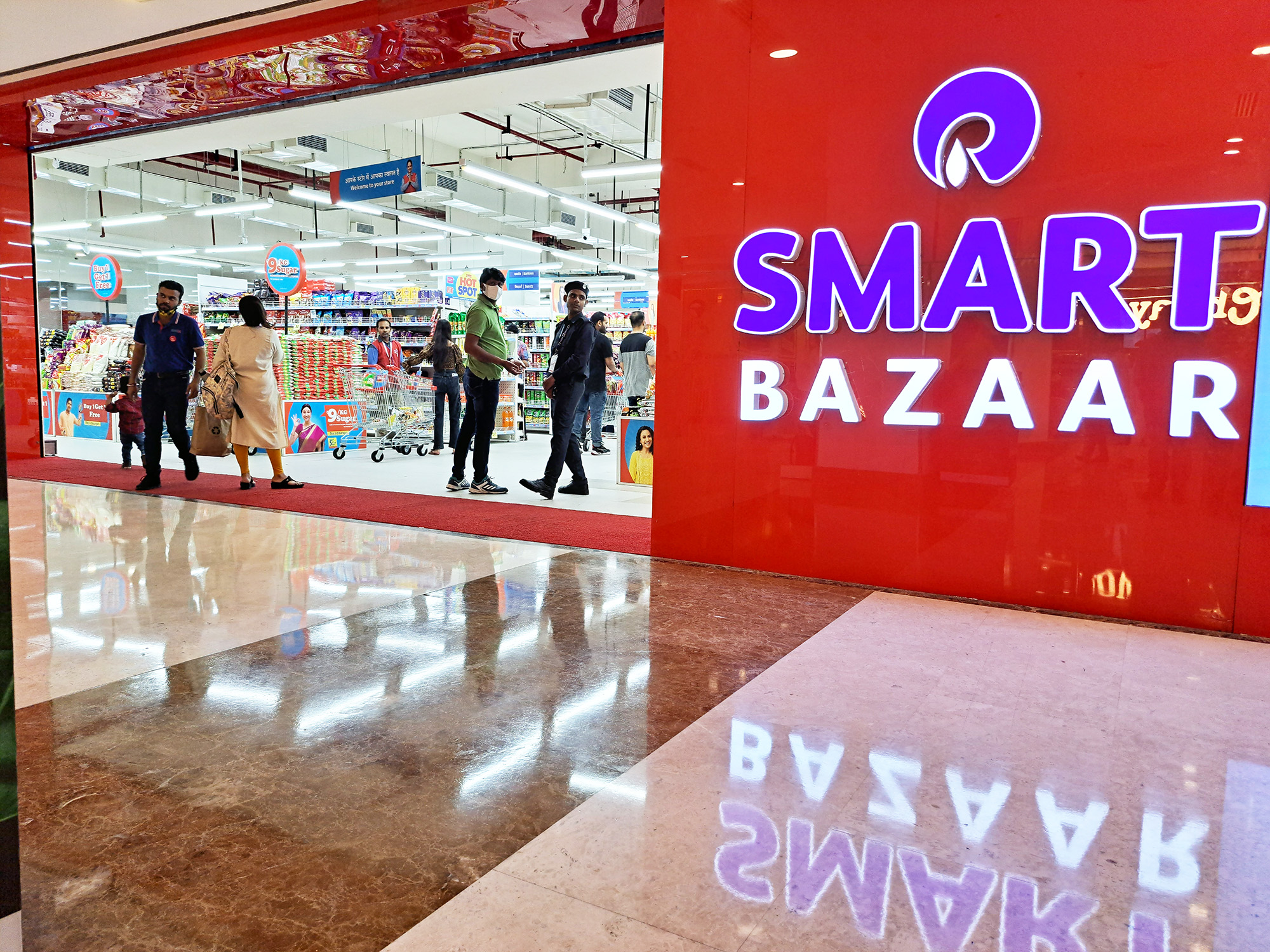
Reliance Retail Ventures PAT rise 10% driven by JioMart, grocery business in Q3 FY25

Reliance Retail Ventures PAT rise 10% driven by JioMart, grocery business in Q3 FY25

Operating revenue also grew by 7% compared to the previous year, reaching Rs 79,595 crore from Rs 74,373 crore. This resulted in a 3.3% increase in revenue from operations

Staff Writer

Reliance Retail Ventures Ltd., the consumer arm of the diversified conglomerate Reliance Group led by Mukesh Ambani, reported a 10% year-on-year increase in its profit after tax (PAT) for the quarter ending on December 31, 2024. During this period, Reliance Retail Ventures' (RRVL) PAT was Rs 3,458 crore, up from Rs 3,145 crore in the same quarter the previous year.

Operating revenue also grew by 7% compared to the previous year, reaching Rs 79,595 crore from Rs 74,373 crore. This resulted in a 3.3% increase in revenue from operations to Rs 212,357 crore for the nine-month period between April and December 2024, up from Rs 205,469 crore reported in the same period the previous year.

“Retail segment delivered a strong performance, with noteworthy contribution from all formats. The business ably capitalized on the pick-up in consumption amid festive demand during the quarter,” Mukesh Ambani, Chairman & Managing Director, Reliance Industries said in a statement.

In the third quarter of fiscal year 2025, RRVL improved its earnings before interest, tax, depreciation, and amortization (EBITDA) by 9.8% year-on-year to Rs 6,828 crore, up from Rs 6,238 crore. The EBITDA margin remained at 8.6%, an increase of 20 basis points from 8.4% in the third quarter of fiscal year 2024, but decreased by 20 bps sequentially. One basis point is equivalent to one hundredth of a percentage point.

Despite being a festive quarter, footfall in Reliance's retail outlets decreased from the previous quarter. During the last quarter, the company recorded 296 million footfall in its stores, down from 297 million in the second quarter of fiscal year 2025, while it increased by 5% year-on-year from 282 million in the third quarter of fiscal year 2024.

According to Ambani, a superior understanding of customer needs and preferences enabled Reliance Retail to serve a wide variety of demographic profiles “with the right product, at the right time, through the right channel”. “With customer-centric innovation at its core, the business constantly endeavors to enhance the shopping experience of its customers through its vast reach and a constantly expanding product basket,” he added.

While RRVL added 779 new stores to its portfolio, bringing the total number of stores under its umbrella to 19,102, the area operated by the retail major decreased sequentially. In Q3, the area operated stood at 77.4 million square feet, down from 79.4 million sq.ft. in Q2 but up from 72.9 million sq.ft. in Q3 of FY2024.

According to the company, its grocery business grew at a healthy pace of 37% y-o-y led by big box format. There was growth across categories, with general merchandise and value apparel growing at 20% y-o-y and premium personal care and beauty growing 16% y-o-y while Metro business achieved highest ever festive sales, it said. JioMart expanded the product range with a 33% y-o-y increase in the seller base while Milkbasket reported 20% y-o-y growth in monthly active users and 24% y-o-y growth in its GMV.

Consumer brands continued to deliver growth across categories with nine month FY2025 revenue at Rs 8,000 crore. Campa & Independence – two of its flagship fast moving consumer goods brands gained traction across markets. According to the company, Campa has over 10% market share in sparkling beverage category in select states. Both brands are projected to cross Rs 1,000 crore turnover each in FY25.

“Reliance Retail delivered strong performance during the quarter led by festive buying across consumption baskets. Our focus on offering wide range of products at an attractive price value proposition continues to draw customers to our stores and digital platforms. We are creating through JioMart – express deliveries, scheduled deliveries coupled with Milkbasket – subscription services, a seamless shopping experience that serves diverse customers across all categories and catchment,” said Isha Ambani, Executive Director, RRVL.

Categories
Corporate

Adani Wilmar OFS: Adani group raises Rs 4,850 crore from 13.5% stake sale

Adani Wilmar OFS: Adani group raises Rs 4,850 crore from 13.5% stake sale

Earlier, Adani Group announced sale of 17.54 crore shares (13.50 per cent equity) in the company on January 10 (to non-retail investors) and on January 13 (to retail investors) at a floor or minimum price of Rs 275 apiece

Staff Writer

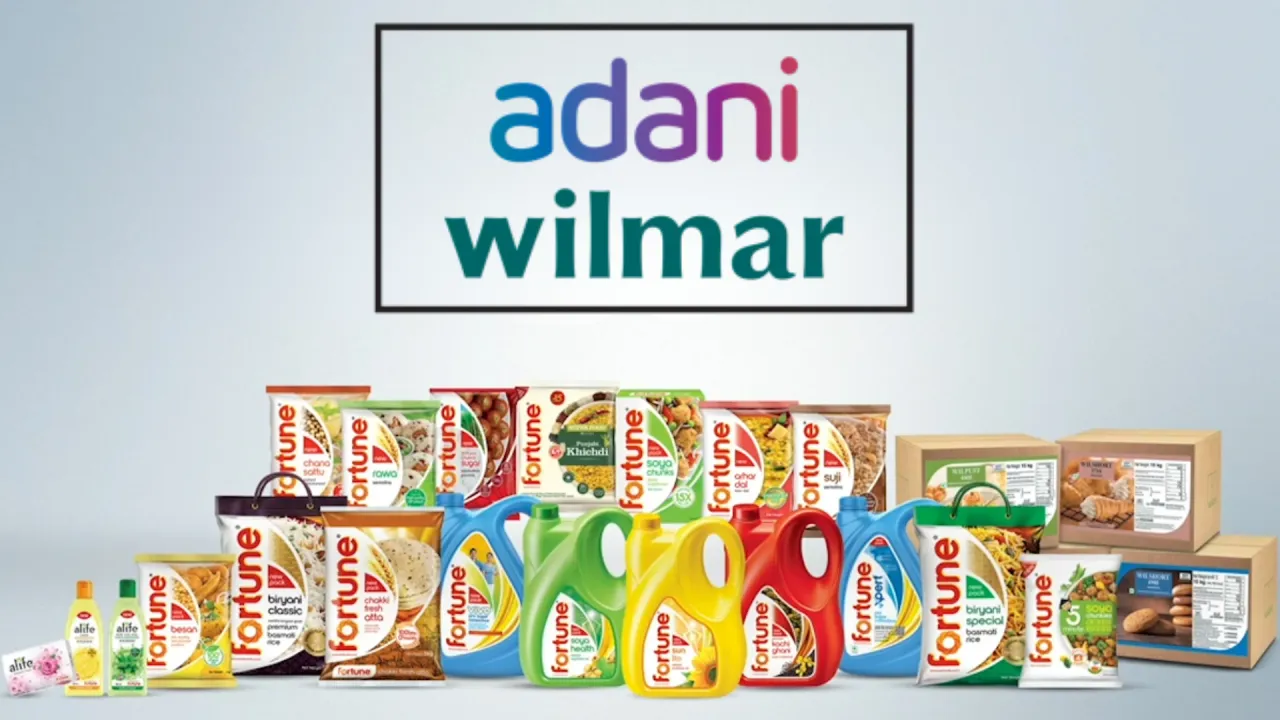
Adani Group has raised Rs 4,850 crore from the sale of 13.5 percent of its stake in Fortune oil maker Adani Wilmar as part of a strategy to exit non-core activities to focus on main infrastructure business. 

On January 9, the group had announced sale of 17.54 crore shares (13.50 percent equity) in the company on January 10 (to non-retail investors) and on January 13 (to retail investors) at a floor or minimum price of Rs 275 apiece. The offer for sale (OFS) included an option to additionally sell up to 8.44 crore shares, or 6.50 percent equity. 

Adani Commodities LLP, a subsidiary of Adani Enterprises Ltd, completed the offer for sale (OFS) for 13.5 percent stake in Adani Wilmar to non-retail investors on January 10, according to information available from stock exchange filings. The transaction saw massive demand from a diverse set of marquee international and domestic investors with over 100 investors participating in the transaction.

“We wish to intimate the stock exchanges of our intention to exercise the oversubscription option in the offer to the extent of 1.96 crore equity shares (representing 1.51 percent of the total issued and paid-up equity share capital of the company) in addition to 17.54 crore equity shares (representing 13.50 per cent of the total issued and paid-up equity share capital of the company) forming part of the base offer size,” the group said in a filing. 

Accordingly, the aggregate number of offer shares will be up to 19.50 crore (15.01 percent) of which, up to 1.95 crore (1.50 percent) would be available as part of the offer on January 13, it added. 

The conglomerate had announced its exit from Adani Wilmar in December 2024 by selling the bulk of its stake to a joint venture partner.

Post the successful completion of the OFS, Adani Wilmar has completed its programme for compliance with minimum public shareholding (MPS) norms, with promoters holding 74.37 percent, and the balance 25.63 percent held by public shareholders. 

Adani Wilmar Ltd is an equal joint venture between Adani Group and Singapore-based commodity trader Wilmar. The two partners own a combined 87.87 percent of Adani Wilmar, far above the maximum permissible 75 percent. 

SEBI rules mandate that large firms must have at least 25 percent of shares available to the public within three years from listing.

This transaction follows the agreement between Adani Enterprises Ltd (AEL) and Wilmar announced on December 30, 2024, pursuant to which Wilmar agreed to acquire AEL’s stake in AWL post-achievement of compliance with MPS norms. 

The OFS is the first phase of the port-to-power conglomerate’s exit from Adani Wilmar Ltd (AWL) in which it holds 43.94 percent. In the second phase, Singapore's Wilmar International Ltd has agreed to acquire the residual stake at a price not exceeding Rs 305 apiece. 

On December 30, Adani announced its exit from the company which makes Fortune brand cooking oil, wheat flour and other food products. As per that announcement, Adani will sell up to 40.37 crore shares (31.06 per cent stake) to Wilmar at no more than Rs 305 apiece. The number of shares to be sold to Wilmar will depend on the response to the OFS. The transaction is expected to conclude before March 31, 2025. 

SBI Capital, Jefferies, ICICI Securities, Nuvama, Antique, and Monarch acted as bankers to the OFS. 

With this transaction, the Adani Group has raised total equity capital of $3.15 billion this financial year. AEL had earlier raised $500 million in October 2024, by way of qualified institutional placement route. As a combination, AEL will have a $2.5-billion war chest to fully fund AEL and further turbo charge its incubation portfolio and sharpen its focus on underlying infrastructure platforms, including airports, roads, data centres, green hydrogen. 

Established in 1999, Adani Wilmar makes Fortune brand cooking oil, wheat flour, pulses, rice and sugar. It owns 23 plants across 10 states. The FMCG firm posted a consolidated total income of Rs 51,555.24 crore during the last fiscal. Its market capitalisation on stood at nearly Rs 42,000 crore (around $5 billion) on January 6. 


Categories
Corporate

Bombay Shaving Company founder Shantanu Deshpande exposes India’s widening wealth gap

Bombay Shaving Company founder Shantanu Deshpande exposes India’s widening wealth gap

Deshpande refuses to hold back while discussing the wealth divide, highlighting how just 2,000 families control 18% of India’s wealth yet contribute far less than 1.8% of the country’s taxes

Staff Writer

Shantanu Deshpande, founder and CEO of Bombay Shaving Company, shared a stark reflection on Indian work culture in a recent LinkedIn post. His unfiltered critique touched on the realities of the workforce, wealth inequities, and the deeply ingrained “work hard” ethos that has driven economies for centuries.

“If financial security were guaranteed, 99% wont show up to work the next day,” he stated, challenging the fundamental motivations that fuel the nation’s labor force. From gig workers to government employees, Deshpande observed a near-universal dissatisfaction, adding, “The story is the same. 19-20 ka farak.”

Deshpande didn’t hold back when discussing the wealth divide, highlighting how just 2,000 families control 18% of India’s wealth yet contribute far less than 1.8% of the country’s taxes. “That’s just INSANE,” he exclaimed. He questioned the morality of a system where the majority toil endlessly to sustain their families while a few benefit disproportionately.