Categories
Beyond

The Proposed GST Revamp Has Energised Markets: Here’s All You Need to Know

The Proposed GST Revamp Has Energised Markets: Here's All You Need to Know

Daily-use items set to get cheaper; PM Modi signals rollout of next-gen GST reforms by Diwali

Staff Writer

India’s indirect tax regime is headed for its biggest reset in years, and it aims to reduce the tax burden across the country. The Goods and Services Tax (GST) Council will meet in September–October to consider a two-slab structure of 5% and 18%, along with compliance reforms aimed at easing business processes and lowering taxes on daily-use items.

Such has been the buzz around this news that Monday saw both Sensex and Nifty hit new heights. The Sensex stood at 81,460.52 at 2:17 pm, up over 1%, while Nifty crossed the 25,000 in early hours of Monday. Nifty was at 24,930 at around 2:17 pm. 

Prime Minister Narendra Modi, in his Independence Day address, announced that next-generation GST reforms would be rolled out by this Diwali to lower taxes on daily-use items. The Centre will begin consultations with states in the coming weeks to build consensus on the plan.

Two Slabs and a High Sin Tax

The Centre has proposed two main GST slabs, 5% and 18%, alongside a 40% rate for sin goods such as tobacco and pan masala. Nearly 99% of goods currently taxed at 12% will move to 5%, while most products in the 28% bracket, including televisions and refrigerators, will shift to 18%.

The current compensation cess would be scrapped, replaced by the steep sin tax. Essential exemptions and special rates for bullion, jewellery, and export-oriented sectors will continue.

Boost to Consumption and Growth

Currently, 67% of GST revenue comes from the 18% slab, while 7% comes from the 5% rate. While the rejig may temporarily impact collections, officials expect lower rates to spur consumption, eventually offsetting revenue losses and supporting GDP growth.

The reforms are also designed to resolve inverted duty structures that have hurt sectors like textiles and fertilisers, while cutting litigation over product classification.

Faster Registrations, Quicker Refunds

Beyond rates, the Centre has outlined structural reforms to ease compliance:

  • Business registration within three days in 95% of cases
     
  • Automated refunds for exporters and sectors with inverted duties
     
  • Pre-filled returns to reduce mismatches and disputes
     

After Prime Minister Narendra Modi announced plans to rationalise GST, the Congress sought an official discussion paper on “GST 2.0.” Party General Secretary Jairam Ramesh said the reform should become a “Good and Simple Tax,” noting it was a key pledge in the Congress’s 2024 manifesto.

As legislative changes are not required, the reforms can be notified once the GST Council clears them. Given the scope of the proposals, multiple meetings are expected before final approval. If consensus is reached, the new GST structure could take effect in Q3 FY25.


 

Categories
Beyond

Market Roar: Sensex Jumps 1,000 Points, Nifty Crosses 25,000 on GST Reform Momentum and Ratings Upgrade

Market Roar: Sensex Jumps 1,000 Points, Nifty Crosses 25,000 on GST Reform Momentum and Ratings Upgrade

Top Nifty gainers in Monday’s trade were HDFC Bank, ICICI Bank, Maruti Suzuki, M&M and Hero MotoCorp.

Sreelatha M

Indian equities opened the week on a strong note, with benchmark indices surging in early trade on Monday, August 18. Optimism around GST reforms and a landmark sovereign ratings upgrade by S&P Global fuelled the rally, while auto and banking stocks provided the thrust.

At 11 am, the Sensex jumped 950 points, or 1.18 percent, to 81,548, while the Nifty surged 385 points, or 1.56 percent, to reclaim the 25,000 level at 25,016 before coming down to 24,960 at 11 am. Market breadth was firm, with 2,342 shares advancing, 967 shares declining, and 163 shares unchanged. Mid- and small-caps also rose nearly 1 percent.

How the Market Rallies

Two major developments triggered this change. S&P Global’s upgrade of India’s sovereign rating to BBB from BBB, the first in 18 years, is expected to strengthen investor confidence and attract foreign inflows. At the same time, Prime Minister Narendra Modi’s Independence Day speech had hinted at “next-generation GST reforms” by Diwali, raising hopes of a simplified tax structure that could benefit consumption-linked sectors.

The S&P upgrade and expectations of GST rationalisation have led to a more constructive perspective. Alongside global developments and short-covering potential, Indian markets may be entering a stronger phase,” said Devarsh Vakil, Head of Prime Research at HDFC Securities.

What the Sectoral Trends say

Autos led the rally, with the Nifty Auto index jumping 3.6 percent on reports of a possible GST cut on two-wheelers, compact cars, and hybrids. Hero MotoCorp, Maruti Suzuki, Bajaj Auto, M&M, and Tata Motors gained up to 8 percent, with Hero MotoCorp topping Nifty gainers.

Banks also paced up with this move, as the Nifty Bank index rose by 1.2 percent and private banks gained 1.4 percent. Consumer durables, metals, infra, and PSU banks traded higher, while IT and pharma stocks remained weak. Volatility edged higher, with India VIX up 2.8 percent.

Where Stock Action focuses

Vodafone Idea shot up 3 percent after reporting a narrower Q1 FY26 loss of ₹6,608 crore and a higher ARPU of ₹177. Tobacco and online gaming stocks slipped after reports of a 40 percent GST slab on sin goods, with ITC, Godfrey Phillips, Nazara Tech, and Delta Corp down up to 2 percent.

According to market analysts, Nifty faces resistance at 24,700–24,800; a breakout could trigger short covering, while a slip below 24,500 may drag it to 24,320. Trend remains sideways.

 Overall, it is anticipated that the markets may stay volatile, but GST reform hopes and global cues could drive inflows into banking and consumption sectors.


Categories
Beyond

What explains the strong performance of Japan’s Nikkei?

What explains the strong performance of Japan’s Nikkei?

Investor optimism has also been reinforced by expectations of sustained foreign buying in Japanese equities.

Staff Writer

On August 18, 2025, Japan’s Nikkei 225 surged to a record high of 43,683.56, gaining 0.7 %, while the broader Topix index advanced 0.58 % to 3,125.6. The rally was largely powered by a weaker yen, which boosted exporters’ outlooks, and by strong performances from automakers such as Toyota Motor, which rose 1.58 %, and Honda Motor, which gained 1.22 %. The yen fell 0.2 % against the U.S. dollar, making Japanese exports more competitive, a development that directly benefited the Nikkei’s heavyweights, according to Reuters and the Economic Times.

Investor optimism has also been reinforced by expectations of sustained foreign buying in Japanese equities. The market continued to build momentum from last week amid a bullish outlook. Fast Retailing, the operator of Uniqlo, added further strength with a 1.2 % jump, making it another major contributor to Nikkei’s rise, reported Reuters.

Yet, the rally was not uniform across all sectors. Japan’s banking sub-index dropped 1.45 %, with Mitsubishi UFJ Financial down 1.96 % and Sumitomo Mitsui Financial falling 1.78 %, as highlighted by Reuters. Chip-related shares also lagged, with Tokyo Electron sliding 1.3 % and Advantest down 0.09 %, according to the Economic Times.

The performance of Japanese markets also mirrors broader global trends. The Dow Jones Industrial Average has been climbing toward record highs, with a notable boost from UnitedHealth shares after Berkshire Hathaway raised its stake, as reported by Reuters. That momentum spread across Asian equities, lifting investor confidence in Tokyo.

The latest rally builds on earlier milestones. On August 12, 2025, the Nikkei had already closed at 42,849.67, a 2.46 % gain, driven by surges in SoftBank Group—up 6.9 % amid speculation it could list its payments arm PayPay in the U.S.—and by strong semiconductor stocks such as Advantest and Lasertec. That session also saw a broader lift across Asia following a 90-day extension of the U.S.–China trade truce, which fueled optimism region-wide, according to Reuters and the Times of India.

Still, analysts remain cautious. In their assessment of the August 12 rally, Reuters reported that while a weaker yen, easing trade tensions, and upbeat corporate earnings have underpinned Japanese equities, seasonal factors such as the Obon holiday lull and the absence of new catalysts could test the sustainability of the surge.

Categories
Beyond

India’s Trade Gap Widens to $27.35 Billion in July Amid Push for Diversified Export Markets

India’s Trade Gap Widens to $27.35 Billion in July Amid Push for Diversified Export Markets

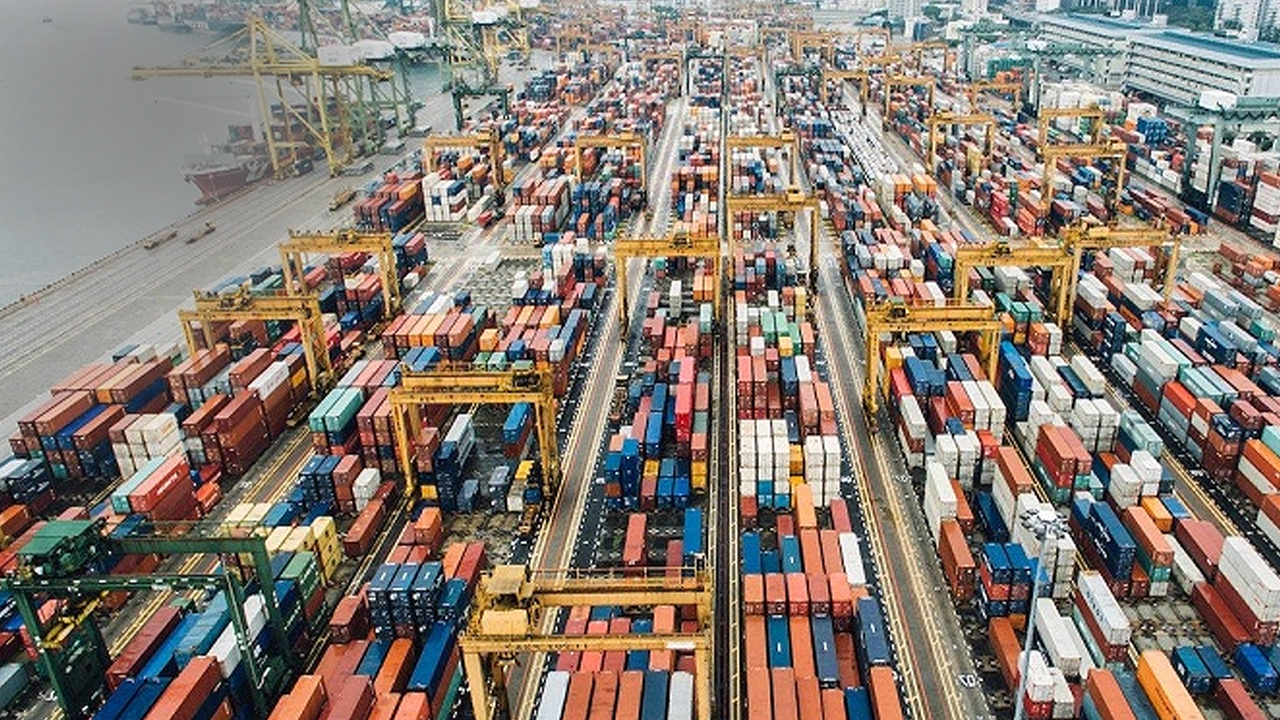
India’s trade deficit hit $27.35 billion in July, its widest in over a year, as the government ramps up efforts to diversify export and import markets.

Sreelatha M

India’s merchandise trade deficit surged to $27.35 billion in July, sharply higher than the $18.78 billion recorded in June and exceeding the $23.5 billion gap from the same month last year, according to data released by the commerce ministry on Thursday (August 14).

Exports of goods in July stood at $37.24 billion, while imports reached $64.59 billion, reflecting a widening imbalance even as the government maintains that overall trade performance remains resilient compared to global trends.

“Despite an uncertain global policy environment, India’s services and merchandise exports in July and in FY26 so far have grown substantially, and much higher than global export growth,” Commerce Secretary Sunil Barthwal said.

Engineering goods, electronics, pharmaceuticals, organic and inorganic chemicals, as well as gems and jewellery, were among the key contributors to outbound shipments last month.

Barthwal emphasised that New Delhi is accelerating efforts to reduce its reliance on a handful of markets — particularly the United States, which has recently imposed steep tariffs on certain Indian goods.

To address this, the government is moving to fast-track free trade agreement negotiations and review existing pacts with partners including the EU, UK, EFTA, Oman, ASEAN, New Zealand, Peru, and Chile.

In addition to securing new trade arrangements, Barthwal said the government aims to strengthen export promotion schemes and diversify import sources to mitigate supply risks.

“Expanding focus to the top 50 importing nations via mobilisation of missions abroad for export promotion efforts,” he noted, signalling an expanded diplomatic-commercial outreach.

The widening deficit underscores the twin challenge India faces: sustaining export momentum while curbing dependency on limited trade partners, even as global demand patterns remain volatile.

Categories
Beyond

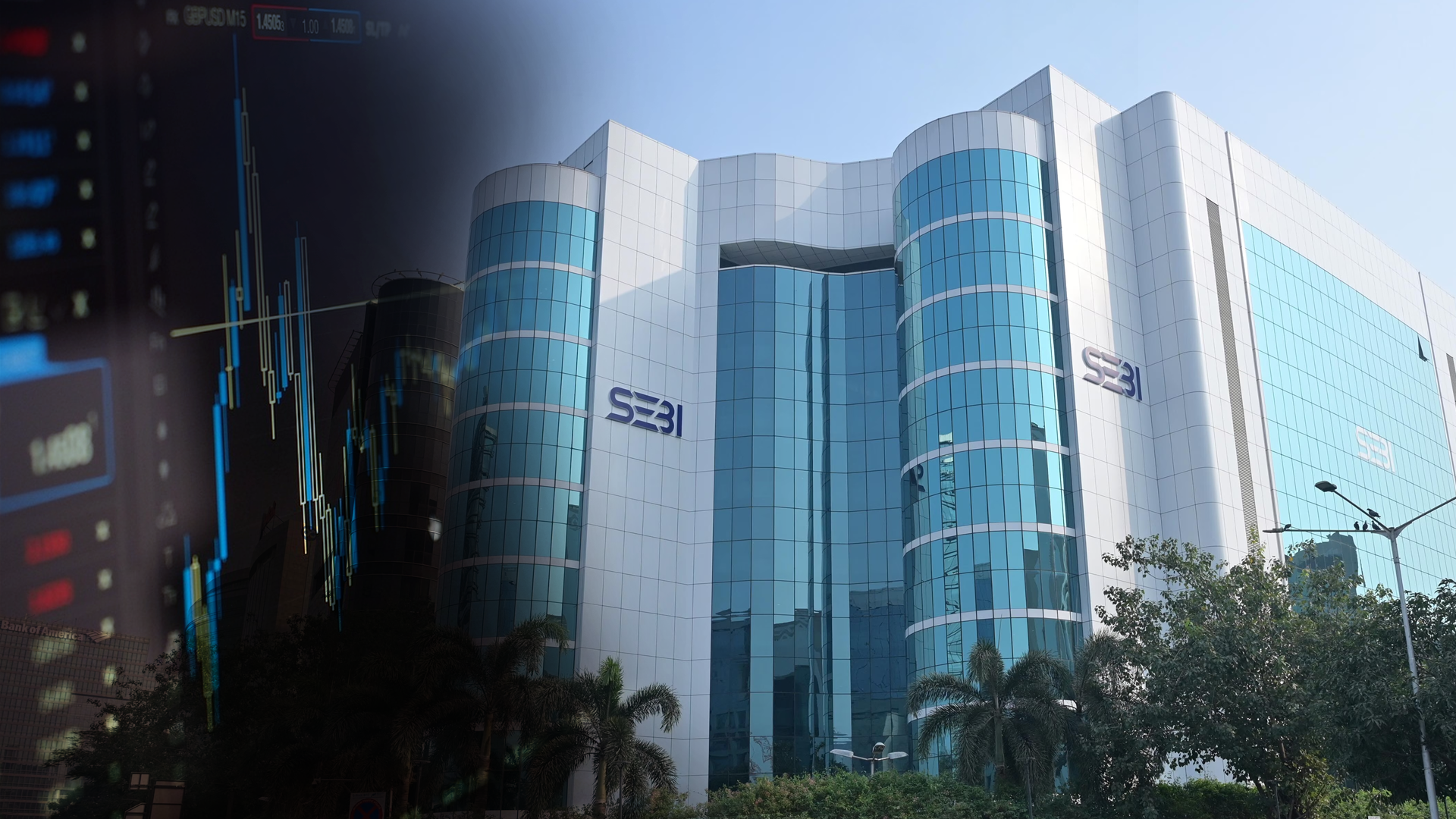
SEBI Proposes Major Overhaul in Stockbroker and Algorithmic Trading Regulations

SEBI Proposes Major Overhaul in Stockbroker and Algorithmic Trading Regulations

The proposals span 20 key changes, from clearer definitions to stronger compliance norms, marking one of the regulator’s most ambitious overhauls in years.

Staff Writer

In a landmark step to modernise market oversight while easing operational hurdles, the Securities and Exchange Board of India (SEBI) has released a 99-page consultation paper outlining 20 proposals aimed at the broking and algorithmic trading sectors. The reforms seek to balance business facilitation with robust investor protection, streamlining regulations while addressing evolving market practices.

Regulatory Overhaul and New Definitions

SEBI has proposed sweeping changes to stockbroker regulations, introducing fresh definitions and eliminating outdated provisions. For the first time, "Algorithmic Trading" has been formally defined as orders generated through automated execution logic, while "Execution Only Platform" (EOP) is now recognised as a category for digital platforms enabling mutual fund transactions. The definition of "Proprietary Trading" has also been clarified to distinguish between a broker’s personal trades and client trades.

These changes consolidate what were earlier broad guidelines into core stockbroker regulations, bringing more clarity and uniformity. Language has been simplified, ambiguities removed, and inconsistencies addressed, ensuring parity across sub-regulations and alignment with other capital market intermediary rules. Redundant terms such as “small investor” are being scrapped, while references are being updated to reflect current practices and the Companies Act, 2013.

Notable operational reforms include a requirement for at least one director to be based in India to boost investor trust, mandatory grievance redressal within 21 calendar days, and permission for brokers to carry out other SEBI-approved activities via Separate Business Units (SBUs). The proposals also promote digital record-keeping over physical formats, strengthening compliance efficiency.

Industry voices have welcomed the move. Punnet Tewani of Fox Trading Solutions highlighted the benefits for retail algo tool developers, saying reduced compliance burdens would foster a healthier ecosystem. Algo trader Santosh Pasi noted that the changes align the industry with modern technologies, simplify regulations, and promote investor confidence.

Strengthened Oversight and Compliance Measures

The proposals extend beyond definitional changes, addressing critical aspects of risk management and market integrity. Stockbrokers will be bound by explicit obligations, including safeguarding client funds and securities, implementing robust internal controls, and adhering to enhanced cybersecurity and cyber resilience standards.

In response to recent market controversies such as the Jane Street incident, SEBI has also sharpened its surveillance capabilities to detect and prevent fraudulent or manipulative trading behaviour. Particular focus is being given to unusual trading patterns, including the high concentration of trading in index options on expiry days—where 90% of volume occurs, with 30% of it taking place in the last hour.

For inspections, SEBI has proposed provisions allowing exchanges to conduct them independently or jointly with the regulator and depositories, reducing procedural bottlenecks. Compliance costs for brokers are expected to drop as operations become more streamlined, potentially improving profitability without compromising market safeguards.

By redefining market terms, removing outdated clauses, and enhancing both compliance and oversight, SEBI’s proposals aim to create a regulatory environment that is both business-friendly and investor-protective. The reforms—if implemented—could significantly reshape India’s capital market operations, setting higher benchmarks for transparency, security, and efficiency.

Categories
Beyond

India’s Forex Reserves Expected to Rise Despite RBI’s Rupee Defense Operations

India's Forex Reserves Expected to Rise Despite RBI's Rupee Defense Operations

Central bank's $5.6 billion intervention offset by favorable gold prices and dollar weakness

Staff writer

This unprecedented rise comes despite significant headwinds, including a $5 billion currency swap maturation and intensive RBI intervention after U.S. President Donald Trump imposed fresh tariffs on Indian goods over the country's Russian oil purchases.

India's foreign exchange reserves slightly increased during the week ending August 8, even as the Reserve Bank of India aggressively intervened to prevent the rupee from hitting its historic lows, according to economist calculations released ahead of Friday's official data.

Market Pressures Escalate Higher

The rupee faced severe pressure during the week, threatening to breach its all-time low of 87.95 against the dollar. Trump's tariff announcement specifically targeted India's continued energy trade with Russia, making currency traders confused and forcing the RBI sweep into action across multiple markets.

"The RBI intervened in both onshore spot and non-deliverable forward markets to defend the rupee," said banking sources familiar with the operations. The central bank's total dollar selling reached $5.6 billion for the week, including the $5 billion swap delivery.

Revaluation Rescue Brings Respite

Despite this substantial outflow, rising gold prices and a weakening dollar provided crucial support through revaluation gains. Gaura Sen Gupta, economist at IDFC First Bank, estimates these favorable market movements generated a $9.8 billion boost to reserve valuations.

"The rise in FX reserves was fueled by a revaluation boost of $9.8 billion, reflecting higher gold prices and a weaker dollar," Sen Gupta explained. Also her prompt calculations suggest reserves increased by over $4 billion during the week.

Tactical Intervention by RBI

The RBI's approach revealed careful strategic planning. Rather than relying heavily on spot market sales, which directly drain reserves, the central bank seems to have emphasized non-deliverable forward interventions to influence offshore sentiment without immediate reserve impact.

"This implied spot intervention in the week was less and that the RBI would have relied on NDF," Sen Gupta noted, highlighting the central bank's strategic preference for preserving its dollar ammunition while still defending the currency.

Broader Implications Anticipated

The episode highlights the balancing act the central bank faces as it manages currency stability amid rising geopolitical and market pressures. Official reserve data, due on Friday, will confirm whether whether the estimated gains actually materialized. The data will provide crucial insight into the RBI's intervention capacity as global uncertainties continue to pressure emerging market currencies.

For now, the preliminary calculations suggest India's financial managers successfully navigated a turbulent week, using favorable market conditions to offset the costs of currency defense operations.

Categories
Beyond

Ministry of Steel Waives Mandatory BIS Norms for 202 Foreign Steel Licenses to Expedite Imports

Ministry of Steel Waives Mandatory BIS Norms for 202 Foreign Steel Licenses to Expedite Imports

The relief extends to around 72 integrated steel plants in 16 countries, including major exporters like Japan, South Korea, Germany, Italy, France, Russia, and the United States.

Amit Kumar

India’s Ministry of Steel has granted exemptions to 202 Bureau of Indian Standards (BIS) licences on the Steel Import Monitoring System (SIMS) portal—temporarily waiving mandatory raw-material certification requirements for foreign steel suppliers. This move is aimed at streamlining imports and mitigating delays faced by domestic Integrated Steel Plants (ISPs).

The exemptions were issued under an official order dated August 8, following a July 11 directive by the ministry. This allows select foreign steel manufacturers to continue exporting raw inputs without undergoing certification under BIS norms.

The relief extends to around 72 integrated steel plants in 16 countries, including major exporters like Japan, South Korea, Germany, Italy, France, Russia, and the United States. Japan leads with over 80 exempt licences, followed by South Korea with more than 50.

The ministry states the initiative is intended to maintain the steady flow of high-quality steel to domestic ISPs by removing hold-ups tied to certification via SIMS.

However, policy watchers regard this as a temporary, stop-gap measure. Ajay Srivastava of the Global Trade Research Initiative (GTRI) argues that “raw material certification may be redundant when the final product’s BIS compliance already ensures quality,” and points out that such requirements particularly burden MSMEs and rolling mills that rely on small, flexible orders rather than direct sourcing from large integrated facilities.

To address ongoing concerns about SIMS, Quality Control Orders (QCOs), and No Objection Certificates (NOCs), the Ministry of Steel will host an Open House session on August 19, inviting industry stakeholders to discuss these issues directly with officials.

The exemptions arrive against the backdrop of a mandatory compliance regime enforced since June 2025 under the Steel Quality Control Order 2024, where both finished steel products and their input materials must meet BIS standards as monitored by the Central Board of Indirect Taxes and Customs (CBIC) via SIMS. This requirement, while ensuring quality, has also prompted supply-chain inefficiencies, particularly when domestic production can't keep up.

Aligned with India’s Make in India agenda and rapid infrastructure expansion, easing bottlenecks in steel imports is becoming increasingly crucial. While this exemption offers immediate relief, it also highlights the need for a nuanced regulatory framework that balances quality assurance with supply flexibility.

The Ministry has indicated that similar exemptions could be granted on a case-by-case basis as more requests arise, demonstrating a willingness to maintain a responsive and adaptable import regime.


Categories
Beyond

ICICI Bank Hikes Minimum Balance Requirements Fivefold: Can RBI intervene?

ICICI Bank Hikes Minimum Balance Requirements Fivefold: Can RBI intervene?

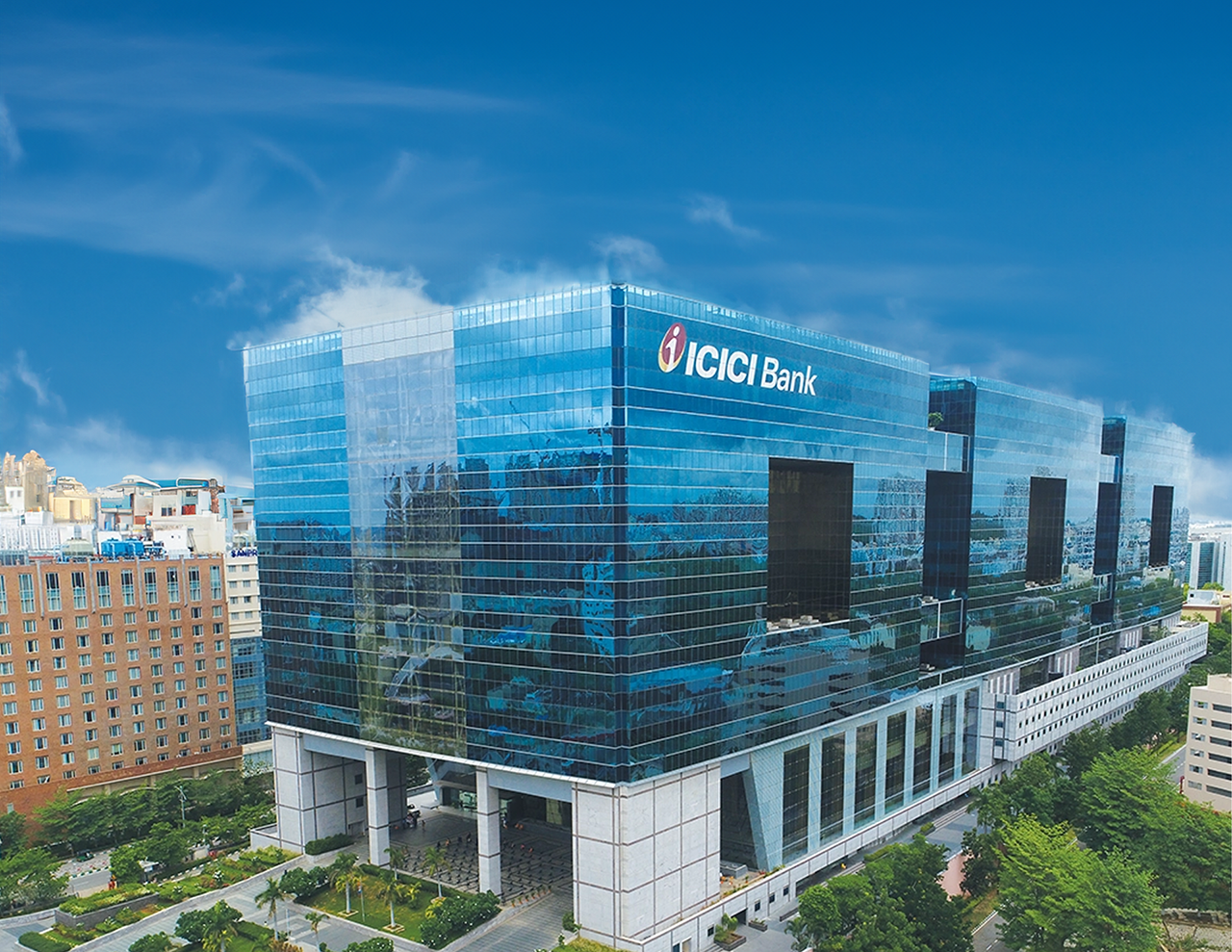
ICICI Bank has raised the minimum average monthly balance for new savings accounts up to ₹50,000 in metro and urban areas, sparking criticism over financial accessibility.

Amit Kumar

ICICI Bank has sharply increased the minimum average monthly balance (MAMB) requirement for new savings accounts opened on or after August 1, 2025. For customers in metro and urban areas, the MAMB has been raised fivefold to ₹50,000 from the earlier ₹10,000. In semi-urban branches, it has gone up to ₹25,000 from ₹5,000, and in rural branches, the requirement has doubled to ₹10,000 from ₹5,000.

The bank said its decision to implement location-based minimum balance requirements reflects the varying economic realities across India. Customers in metro and urban regions, who typically have higher incomes and broader banking relationships, are considered better placed to meet the higher thresholds compared to those in rural areas.

Until July 31, 2025, the minimum monthly average balance (MAB) for ICICI Bank savings accounts was ₹10,000 across most categories. The latest move significantly raises the entry threshold for new account holders.

What has RBI said in response to ICICI

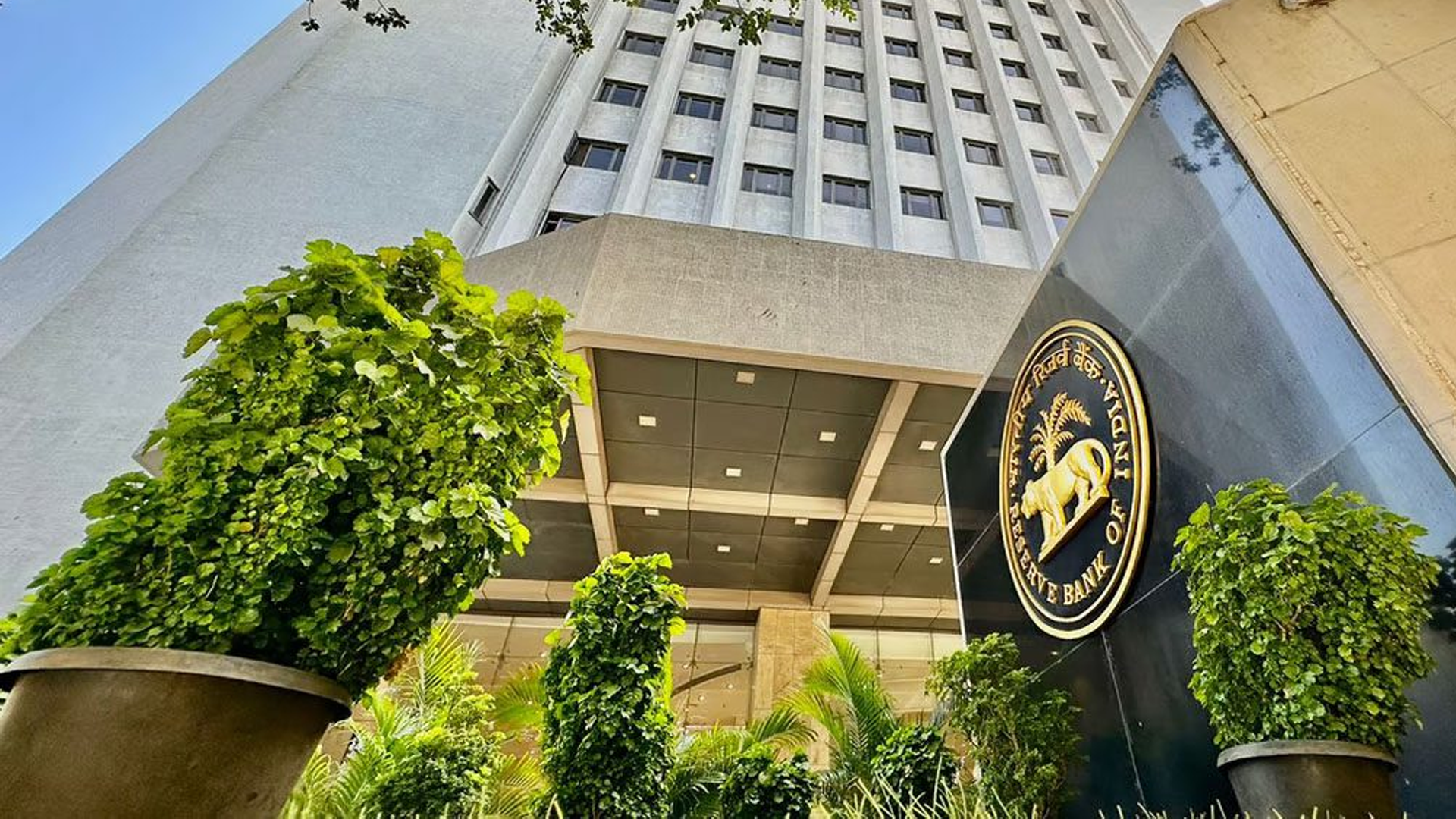
Reserve Bank of India (RBI) Governor Shaktikanta Das on August 11 clarified that the matter does not fall “under any regulatory domain.” Speaking about ICICI Bank’s hike in the minimum balance requirement for non-salary accounts, Das noted that the RBI has left it to individual banks to set their own minimum balance policies.

“Every bank has its own minimum balance requirement. Some banks have kept it at ₹10,000, some at ₹2,000, and some have even waived it. This is not in the RBI’s regulatory domain,” RBI Deputy Governor Swaminathan J. Malhotra said on the same day.

The RBI’s stance underscores that such decisions are part of banks’ commercial strategies, allowing them to independently determine MAB thresholds without regulatory intervention.

Jay Kotak criticises move

The sharp hike has drawn criticism from several quarters, including Jay Kotak, son of Kotak Mahindra Bank founder Uday Kotak. On social media platform X (formerly Twitter), Kotak called the move impractical for India’s vast middle class.

“Every Indian must access our financial sector. 90% of India makes less than ₹25,000 a month. A ₹50,000 minimum balance implies a sum equal to around 94% of Indians’ monthly income is to be left with the bank at all times, else a fee!” Kotak wrote.

He also expressed his preference for digital banking and the growing fintech ecosystem over traditional banks, arguing that fintech players offer more inclusive and accessible financial services without such steep deposit requirements.

Kotak’s comments have amplified concerns that the higher MAMB could exclude lower and middle-income individuals from mainstream banking, pushing them towards alternative financial channels.


Categories
Beyond

Income Tax Bill 2025: What Indian Taxpayers Can Expect in Relief & Reform

Income Tax Bill 2025: What Indian Taxpayers Can Expect in Relief & Reform

Revised Income Tax Bill 2025 aims to modernize India’s tax laws, boost clarity, and ease compliance.

Sreelatha M

As the revised Income Tax Bill 2025 prepares to take center stage in the Lok Sabha on August 11, 2025, the nation watches closely. This landmark legislation promises to transform India’s tax landscape by simplifying the code, enhancing taxpayer benefits, and offering fresh incentives to businesses for strengthening the country’s economic future.

This is cited as a significant landmark move by the government that aims to replace the decades-old Income Tax Act of 1961 by consolidating over 4,000 amendments into 536 sections and 16 schedules. By incorporating 285 Select Committee recommendations, the bill uses clearer language to simplify the tax code and reduce complexity for taxpayers and professionals. strengthening the country’s economic future.

What the Revised Bill Brings: Key Highlights

  1. Simplified Tax Structure
    The bill removes ambiguous provisions to reduce litigation and improve compliance by making the tax code clearer and more organized.
     
  2. Enhanced Taxpayer Benefits
     

    • Rebate threshold under Section 87A raised from ₹7 lakh to ₹12 lakh.
       
    • Maximum rebate increased from ₹25,000 to ₹60,000.
       
    • Introduction of a standard deduction of ₹75,000, effectively making income up to ₹12.75 lakh tax-free for salaried individuals. Allow taxpayers to avail NIL TDS certificate.
       
  3. Refund Flexibility
    Taxpayers can claim refunds even if returns are filed after the due date, provided other conditions are met, resolving a long-standing refund issue.
     
  4. Property Taxation
    Proposed higher taxes on vacant properties have been dropped, maintaining current tax treatment and easing the burden on property owners.
     
  5. Taxpayer-Friendly Compliance Measures
    Genuine mistakes will no longer attract penalties, encouraging voluntary compliance. The bill also emphasizes straightforward language for better understanding of tax obligations.
     
  6. Restoration of Section 80M Deduction
    Deductions on inter-corporate dividends are reinstated, benefiting companies enjoying concessional tax rates.
     
  7. Introduction of ‘Tax Year’ Concept
    The bill replaces “Previous Year” and “Assessment Year” with a single, simplified term — “Tax Year.”
     
  8. Strengthened Digital Administration
    The Central Board of Direct Taxes (CBDT) gains expanded rule-making powers to promote efficient, technology-driven tax administration.
     

The revised Income Tax Bill 2025 underscores the government’s commitment to creating a more transparent, efficient, and taxpayer-friendly system. This is expected to take effect from the next financial year and it promises to ease compliance and provide greater benefits for individuals and businesses across India.


Categories
Beyond

Boney Kapoor, Bhutani Infra-backed firm to build international film city in Noida

Boney Kapoor, Bhutani Infra-backed firm to build international film city in Noida

The film producer says the aim is to create a world-class film city attracting filmmakers globally

Staff Writer

The Uttar Pradesh government has allocated land to Bayview Projects, a firm backed by filmmaker Boney Kapoor and developer Bhutani Infra, for the construction of the Noida International Film City.

The project, set to span 1,000 acres with the initial phase covering 230 acres in Sector 21 on Yamuna Expressway, is estimated to cost Rs 1,510 crore and is expected to be completed in eight years.

Arun Vir Singh, CEO of the Yamuna Expressway Industrial Development Authority (YEIDA), expressed that the vision of Chief Minister Yogi Adityanath to establish an international film city is now materialising. Bayview Projects signed a concession agreement with YEIDA on June 27, 2024, for the development of the film city, which is strategically located 4 km from the upcoming Noida International Airport. Speaking to reporters, Boney Kapoor stated that the aim is to create a world-class film city attracting filmmakers globally. He mentioned plans to establish an institute for training, a retail outlet, a village, and a film museum within the city. Kapoor added that visitors would have the opportunity to closely observe film shootings and enjoy activities.

The film city will also feature a viewing gallery with sound-proof glass for visitors to watch shootings and a world-class golf course with day and night facilities for tourists. YEIDA CEO confirmed that all formalities are complete, and groundwork will commence soon, with the foundation stone to be laid before the Noida airport's inauguration. Nand Gopal Gupta Nandi, Minister for Industrial Development, remarked that the Film City near Jewar Airport is poised to significantly boost Uttar Pradesh's industrial growth, potentially generating 5-7 lakh jobs directly and indirectly. He suggested that the project’s success could inspire similar initiatives across various sectors, aligning with the state’s goal to become a $1 trillion economy swiftly.

The Noida International Film City will include film production studios, post-production units, a commercial hub, and a film institute offering courses in filmmaking, acting, music, and cinematography.