Categories
Corporate

Ola Electric shares jump 5% after HC relief to CEO

Shares of Ola Electric rose about 5% on Tuesday after the Bombay High Court stayed a bailable arrest warrant issued against its CEO Bhavish Aggarwal, offering much-needed relief to the company and its investors.

The stock, which had been under heavy selling pressure in recent sessions, witnessed strong buying during the day and climbed to an intraday high of around ₹29. This comes after it had fallen to a record low in the previous trading session, reflecting the sharp volatility in the counter.

The legal case originated from a consumer complaint filed before the South Goa District Consumer Disputes Redressal Commission. The commission had issued a bailable warrant against Aggarwal after he did not appear before it in connection with the matter despite receiving summons.

However, the High Court, while granting interim relief, observed that the consumer forum had gone beyond its jurisdiction under the Consumer Protection Act while passing the order. Following the court’s decision, the company informed exchanges about the development and advised stakeholders to take note of the updated legal status.

The court’s intervention eased concerns about possible leadership uncertainty and legal overhang, which had weighed on investor sentiment. The positive development also led to a surge in trading volumes, indicating renewed interest in the stock.

Despite the sharp single-day recovery, Ola Electric’s shares remain significantly lower compared to their earlier levels. The company has been facing pressure due to weak financial performance, including a notable decline in revenue in the December quarter and widening losses. These factors have contributed to the stock’s underperformance against the broader market so far this year.

The latest relief from the High Court has provided a temporary breather for the electric vehicle maker. However, the consumer dispute is yet to be fully resolved, and further legal proceedings are expected in the coming months.

Also Read: AI will transform science, medicine, states DeepMind CEO

Categories
Beyond

UK inflation drops to 3%, rate cut hopes rise

In a welcome break for millions of households, inflation in the United Kingdom has fallen to 3% in January, its lowest level in almost a year. The latest data from the Office for National Statistics shows that the sharp rise in everyday expenses is finally slowing, helped by cheaper fuel, lower airfares after the festive season and a gentler increase in food prices.

For families who have spent the past few years carefully balancing budgets, the change is more than just a number. Lower petrol prices mean less strain on commuting costs, while a slower rise in grocery bills offers some breathing space at the checkout. The easing of transport and food costs has been the biggest contributor to the overall decline in inflation.

The development has also sparked fresh optimism in financial markets. With price pressures cooling, expectations are growing that the Bank of England could begin cutting interest rates in the coming months. A reduction would be significant for homeowners facing high mortgage payments and for businesses struggling with expensive borrowing.

Yet, the picture is not entirely worry-free. Some underlying costs, especially in the services sector, are still rising faster than the central bank would like. This means policymakers are likely to move carefully, ensuring inflation continues to fall towards the 2% target before taking decisive action.

Economists believe inflation could edge closer to that goal by spring if global energy prices remain stable and wage growth cools. At the same time, signs of a softer job market are increasing the pressure on the central bank to support economic growth.

Also Read: Ashwini Vaishnaw opens WAVES Creators’ Corner at India Summit

Categories
Leaders

AI will transform science, medicine, states DeepMind CEO
Artificial intelligence is set to dramatically change the way science is conducted and how new medicines are discovered, but its benefits must be shared globally and developed responsibly, said Demis Hassabis, CEO of Google DeepMind.

Speaking at the AI Impact Summit in New Delhi, Hassabis described AI as a powerful tool that can significantly accelerate scientific research. He noted that advanced AI systems are no longer limited to analysing data but are increasingly capable of generating new ideas and helping scientists solve complex problems in areas such as biology, chemistry and physics.

He highlighted the growing role of AI in healthcare, particularly in understanding diseases and speeding up drug discovery. Processes that traditionally took many years can now be completed much faster with the help of AI models, raising the possibility of developing treatments more efficiently and at lower cost. This, he said, could improve access to life-saving medicines across the world.

Hassabis also pointed out that AI could help address some of the biggest global challenges, including climate change, energy sustainability and food security, by enabling faster innovation and deeper scientific insights.

At the same time, he cautioned that the rapid progress of AI brings important societal and ethical questions. Ensuring safety, fairness and equal access to the technology will require strong international collaboration. No single country or company, he said, can manage the impact of such a transformative technology alone.

He emphasised the need to make advanced AI tools available to researchers and institutions worldwide so that scientific progress is not limited to a few regions. Wider participation, he added, will lead to more inclusive innovation and better outcomes for humanity.

Also Read: Ashwini Vaishnaw opens WAVES Creators’ Corner at India Summit

Categories
Beyond

Ashwini Vaishnaw opens WAVES Creators’ Corner at India Summit

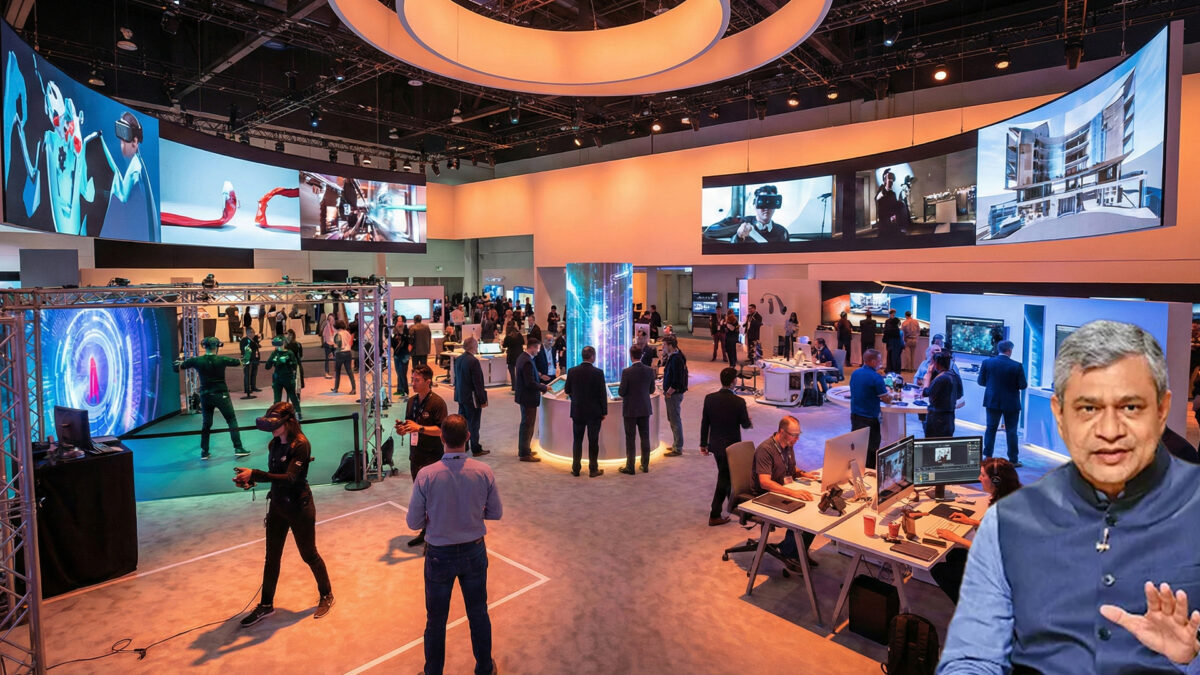
Union Minister Ashwini Vaishnaw inaugurated the WAVES Creators’ Corner at the India AI Impact Summit 2026, marking a significant step in the government’s strategy to position India as a global hub for AI-driven media and entertainment production.

Conceived as a live innovation workspace rather than a conventional exhibition, the platform brings together 51 startups from the AVGC-XR and media-tech ecosystem supported by WaveX. These firms are showcasing business-ready solutions ranging from prompt-to-cinema production pipelines and real-time gaming engines to agentic AI-powered newsroom automation, highlighting how artificial intelligence is reducing production costs and accelerating content creation cycles.

The pavilion also featured advanced technologies including multilingual AI interfaces and voice cloning solutions by Sarvam, immersive 270-degree film presentations curated by the National Film Development Corporation, digital face and voice re-ageing by Sony Research India, and marker-less motion capture built on consumer devices. The presence of global companies such as Adobe, Netflix, Sony and Amazon alongside early-stage startups reflected growing enterprise interest and collaboration opportunities in India’s creative technology value chain.

During his interaction with founders, including winners of the Bhasha Setu and Kalaa Setu challenges, Vaishnaw emphasised that AI is democratising content creation and enabling entrepreneurs from smaller cities to build globally competitive products. In a fireside conversation with Shradha Sharma, he underlined that the combination of policy support, talent and technology could unlock a new wave of digital entrepreneurship.

The initiative is closely linked with government programmes such as Waves Bazaar and the Create in India challenges, which aim to provide market access, funding pathways and international visibility for domestic creators.

A strong skilling component also runs through the project. The integration of AI into creative curricula by the Indian Institute of Creative Technology is expected to align the talent pipeline with future industry demand.

Also Read: Indian Railways tests LNG-powered DEMU trains

Categories
1 Minute-Read

Galgotias University faces backlash over Chinese robodog claim

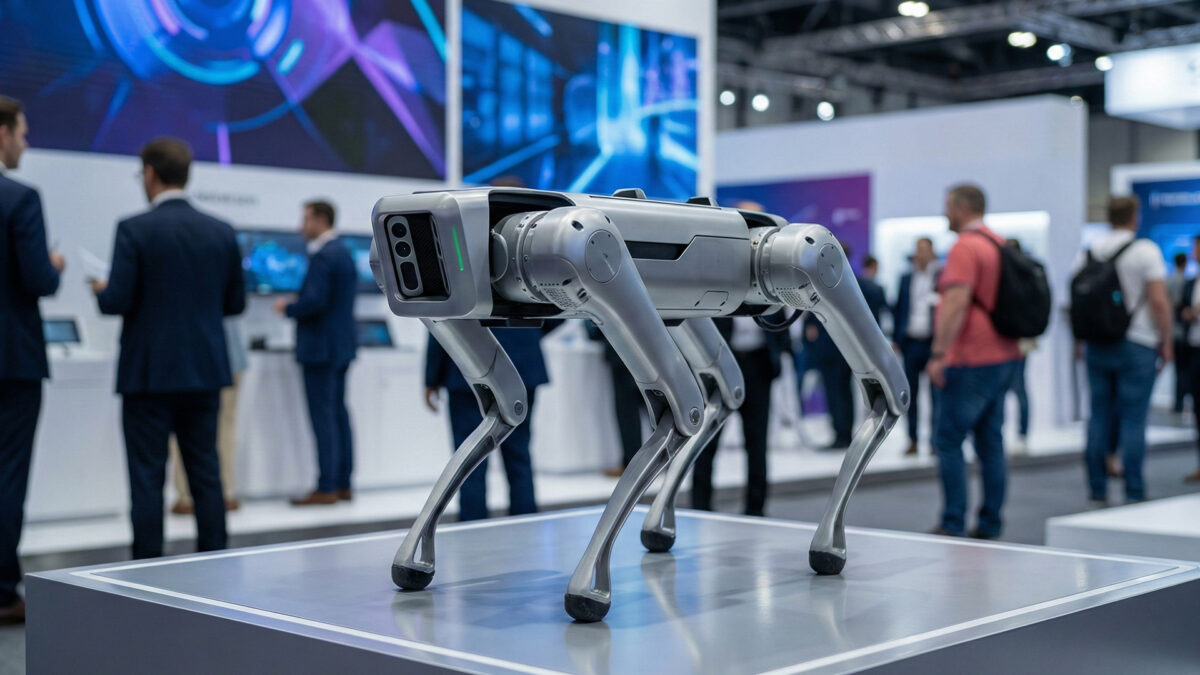
Galgotias University drew sharp criticism after a robotic dog displayed at the India AI Impact Summit in New Delhi was found to be a Chinese-made Unitree Go2.

A video of a representative presenting it as a university-developed innovation went viral, triggering questions about authenticity. The university later clarified that the robot was bought for student training and research, not built on campus, and said the person who spoke to the media was not authorised.

It also issued an apology for the confusion. Sources indicated the stall was asked to shut, but the institution denied any official eviction, calling the episode a misunderstanding during the high-profile event.

Categories
Beyond

Gold nears ₹1.53 lakh, silver tops ₹2.35 lakh

Gold and silver prices moved higher in domestic futures trading on February 18 as investors returned to bullion after the previous session’s fall.

On the Multi Commodity Exchange (MCX), gold contracts for April delivery climbed close to ₹1.53 lakh per 10 grams in early trade, gaining more than 1 per cent. Silver performed even better, rising over 2 per cent to trade above ₹2.35 lakh per kilogram. The rebound came after both metals had witnessed profit-booking and sharp corrections earlier.

In the international market, gold recovered from lower levels as investors continued to treat the metal as a safe-haven asset amid geopolitical tensions and uncertainty over the US Federal Reserve’s future rate decisions. Silver also bounced back in global trade, helping domestic prices strengthen.

Analysts said the current uptrend is being driven by bargain buying at lower levels and strong underlying demand. India’s ongoing wedding season has kept jewellery purchases steady, while recent data showing a sharp rise in gold and silver imports indicates robust consumption as well as investment interest.

However, market experts believe volatility will persist in the short term. Movements in the dollar index, global bond yields and fresh cues from international economic developments are likely to influence bullion prices. Any strengthening of the US currency could limit sharp gains.

Traders are therefore adopting a cautious strategy, preferring to buy on dips while booking profits at higher levels.

Also Read: Sensex dips 100+ points, Nifty slips under 25,800

Categories
1 Minute-Read

Indian Railways tests LNG-powered DEMU trains

Indian Railways has conducted trials of Diesel Electric Multiple Unit (DEMU) trains powered partly by liquefied natural gas (LNG), marking a step toward cleaner rail operations.

INOX India Limited supplied cryogenic LNG storage and regasification systems, allowing each 1,400 HP power car to run on a mix of diesel and LNG, replacing up to 40 % of diesel consumption.

The pilot trains completed successful runs at Sabarmati, Ahmedabad, with plans to expand LNG usage across more units. This initiative aims to reduce fuel costs and lower greenhouse gas emissions on regional routes.

Categories
1 Minute-Read

Apple adds video to podcasts

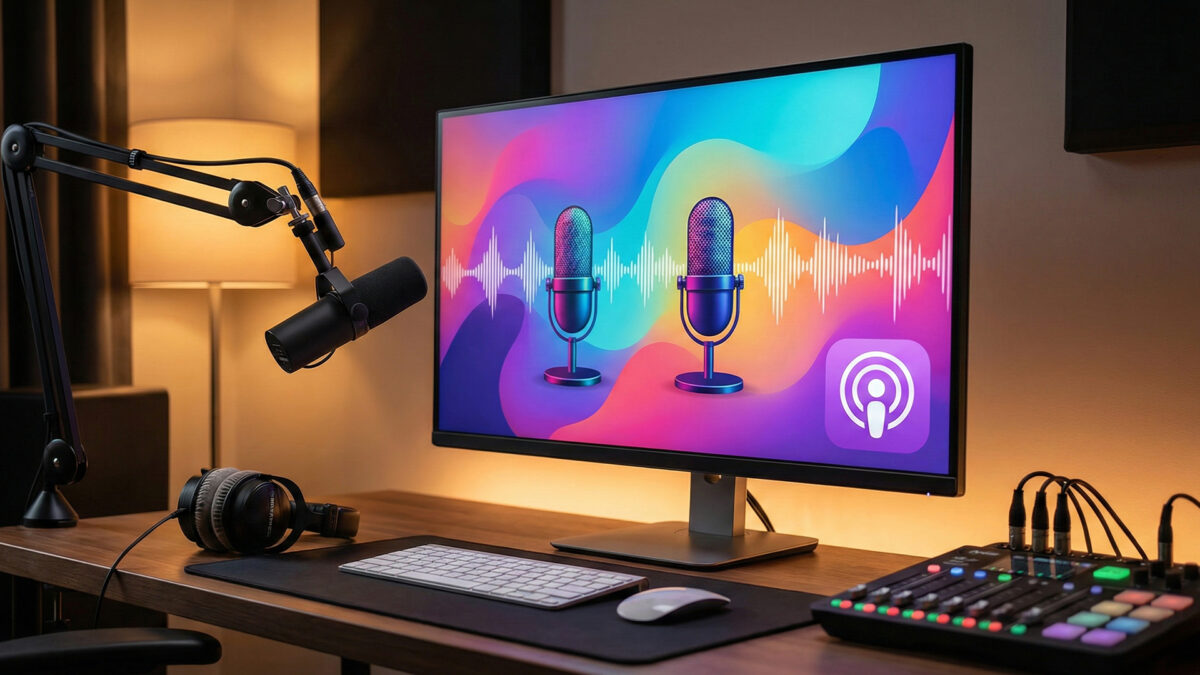
Apple is overhauling Apple Podcasts to include video, letting users watch and listen to episodes with picture-in-picture playback and offline downloads.

Launching this spring with iOS 26.4, iPadOS 26.4, and visionOS 26.4, the update uses HTTP Live Streaming (HLS) to support adaptive video and dynamic ads, including host-read spots. Apple partners with hosts like Acast, ART19, Omny Studio, Simplecast, and AdsWizz to simplify video distribution across devices.

With rising demand, 37% of U.S. adults watch video podcasts, Apple aims to keep creators and audiences on its platform while competing with YouTube, Spotify, and Netflix.

Categories
Corporate

Sensex surges 283 points, Nifty climbs above 25,800

The stock market ended Wednesday, on a positive note, with benchmark indices rising on strong sectoral support. The S&P BSE Sensex climbed 283 points to 83,734, while the Nifty50 closed above 25,800 at 25,819, extending a short-term recovery seen over recent sessions.

Investor optimism was driven by gains in metal producers, public sector banks, and select consumer stocks, which offset weakness in other sectors. Financial and metal shares led the upside, supporting a broader market rally. Both midcap and smallcap indices also ended higher, showing wider market participation.

Among the top performers, Tata Steel stood out with a notable rise, while PSU leaders like State Bank of India (SBI) and ITC posted solid gains. Axis Bank and Mahindra & Mahindra also saw healthy buying interest, reflecting renewed confidence in cyclical and industrial names.

However, gains were tempered by weakness in the IT sector. Stocks such as Infosys, Tech Mahindra, and HCL Technologies faced selling pressure, keeping the IT index below the broader market. Analysts noted that concerns over global growth and profit-taking in technology shares contributed to this underperformance.

The day began with a flat opening, but sectoral rotation helped indices pick up pace as the session progressed. Global markets provided mixed cues: Asian equities traded higher, while U.S. futures indicated modest gains. Crude oil prices and rupee movement kept traders cautious, prompting selective buying rather than broad-based exuberance.

Commodity movements also influenced specific sectors, with gold prices rebounding and select midcap stocks seeing intraday recoveries. Analysts said the market may consolidate near current levels in the coming sessions, with attention focused on sector-specific trends and global developments.

Also Read: YouTube faces global outage, millions affected

Categories
Leaders

AI to reshape jobs, IT services at risk says Vinod Khosla

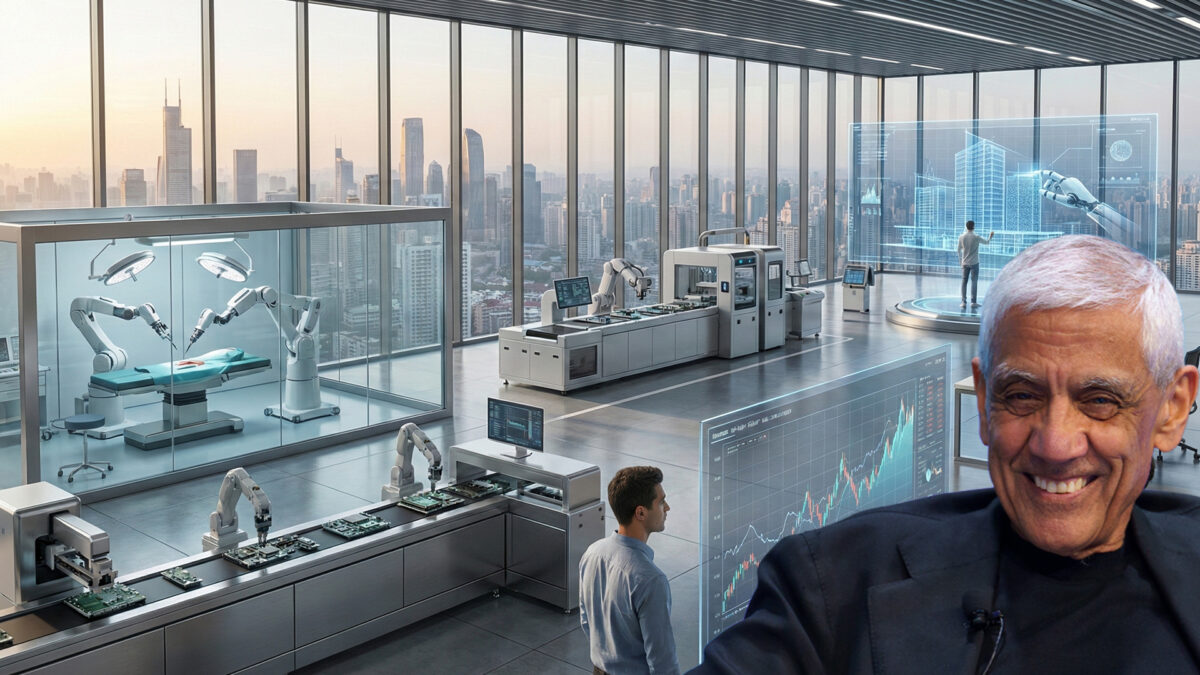
Artificial intelligence is approaching a major breakthrough, with Silicon Valley investor Vinod Khosla predicting artificial general intelligence (AGI) could arrive within two years. AGI refers to AI systems capable of performing nearly 80% of economically valuable jobs across sectors such as healthcare, engineering, finance, and education.

Khosla warned that traditional IT services and business process outsourcing (BPO) could largely vanish by 2030 as AI performs routine and complex tasks more efficiently. For India, this shift presents both a challenge and opportunity. With its talent pool and technical base, the country could pivot from labour-intensive outsourcing to high-value AI-driven solutions.

He added that large-scale AI adoption could make essential services like healthcare, education, legal advice, and entertainment cheaper or nearly free. However, Khosla cautioned that governments and institutions are underprepared for the speed of disruption, and the full impact will depend on policy and deployment choices.

His message highlights a future where AI transforms work, business models, and service access, urging economies reliant on traditional IT to rapidly adapt.

Also Read: PM Modi says India ready to lead global AI era