Categories
Corporate

Rolls-Royce Eyes India as Strategic Global Hub, CEO Confirms

Rolls-Royce has articulated its ambition to establish India as a central hub for its global operations, a move that aligns with both the company’s strategic objectives and India’s aspirations for technological self-reliance.

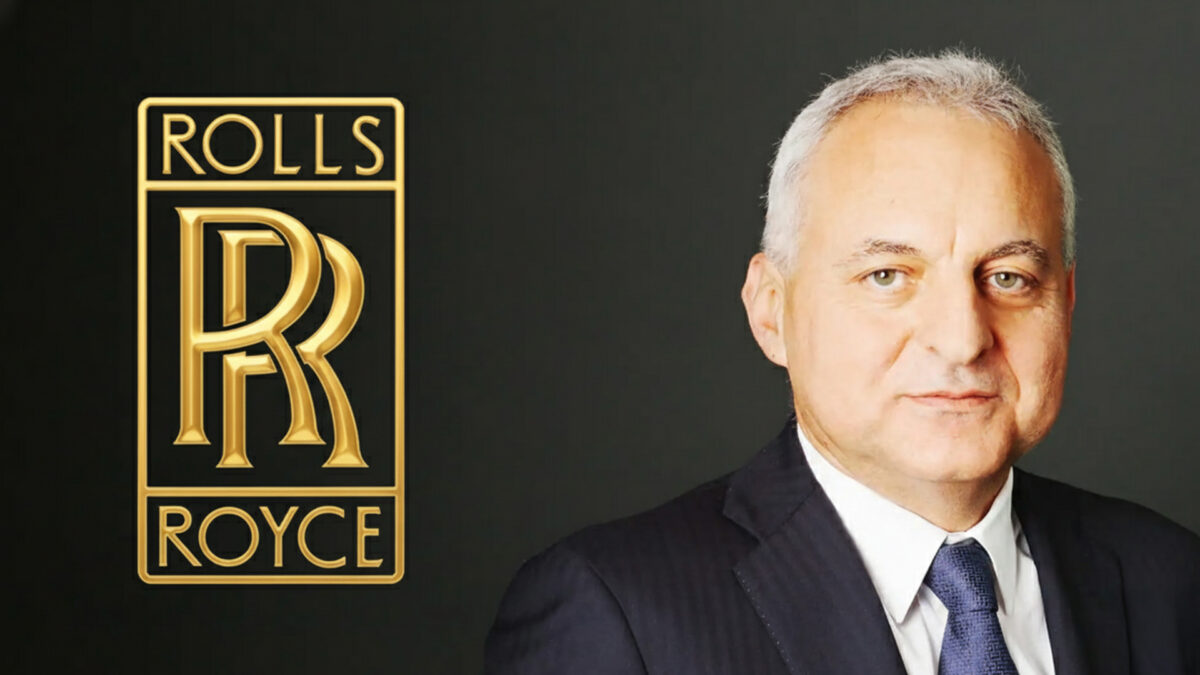
CEO Tufan Erginbilgic emphasized this vision during his recent visit to India, accompanying UK Prime Minister Keir Starmer’s delegation.

Erginbilgic stated, “We have deep ambitions to develop India as a home for Rolls-Royce, building on our strong and successful partnership,” highlighting the company’s commitment to expanding its presence in the country.

This strategic direction is underpinned by Rolls-Royce’s advanced technologies across air, land, and sea domains.

The company aims to leverage these capabilities to foster in-country development and forge strategic partnerships that support India’s progress towards a ‘Viksit Bharat’ (Developed India).

A significant aspect of this initiative is the potential collaboration between Rolls-Royce and Indian entities in co-developing jet engines for India’s next-generation fighter aircraft.

This partnership would not only enhance India’s defense capabilities but also bolster the domestic aerospace sector. While discussions are ongoing, the alignment of interests suggests a promising avenue for cooperation.

In addition to defense, Rolls-Royce is focusing on expanding its supply chain in India.

The company has announced plans to double its sourcing from Indian suppliers by 2030, reflecting a deepening commitment to the Indian market. This move is expected to stimulate local industries and create employment opportunities, contributing to India’s economic growth.

The establishment of the Global Capability and Innovation Centre in Bengaluru further underscores Rolls-Royce’s dedication to India. This center serves as a hub for research and development, focusing on advanced technologies that are critical to the company’s global operations. The center’s activities are expected to enhance India’s position in the global aerospace and defense sectors.

Erginbilgic’s visit and the accompanying announcements signify a strategic alignment between Rolls-Royce’s global objectives and India’s vision for technological advancement and economic development.

By positioning India as a central component of its operations, Rolls-Royce aims to contribute to the nation’s growth while simultaneously benefiting from the opportunities presented by India’s dynamic market.

This partnership exemplifies the potential of international collaborations in advancing technological capabilities and fostering economic development.

As discussions progress, the outcomes of this initiative could set a precedent for future collaborations between global corporations and emerging economies.

Also Read: MakeMyTrip Partners with Google Cloud to Enhance AI Travel Assistant

Categories
Beyond

India’s Telecom Sector Set to Boost GDP Share, BSNL 4G Rollout Marks Milestone

India’s telecommunications sector is expected to expand its contribution to the national GDP from the current 12-14 percent to around 20 percent over the next decade, Communications Minister Jyotiraditya Scindia said on October 9.

Speaking at a press conference on the second day of India Mobile Congress 2025, Scindia emphasized that the government’s role in the sector is more about facilitation than regulation, highlighting the highly competitive and largely deregulated nature of the industry.

A significant achievement in India’s telecom journey, Scindia noted, is the development of an indigenous 4G technology stack.

Collaborating with multiple ministries and private-sector partners, India became the fifth country globally to achieve a fully functional 4G stack, completing the feat in just 20 months from concept to deployment.

The minister stated that BSNL will scale up its 4G infrastructure and eventually transition to 5G as the network expands.

Prime Minister Narendra Modi, in his address at the congress a day earlier, called BSNL’s 4G stack a “major milestone” capable of providing seamless connectivity in remote regions and noted that the technology is now “export ready.”

Addressing questions on the Centre’s stake in struggling telecom companies, Scindia said the government currently holds a 49 percent stake in Vodafone Idea and has no immediate plans to increase its share.

Regarding MTNL, he clarified that BSNL has already taken over the operations in Delhi and Mumbai since January 1, though the transfer of assets has not yet occurred.

BSNL reported an operating profit of Rs 2,300 crore in FY24, which rose to Rs 5,100 crore in FY25. Despite this, the state-owned operator has not yet turned net profitable, primarily due to a record capital expenditure of Rs 25,000 crore last year.

The investment supported the installation of 100,000 towers to facilitate BSNL’s 4G rollout.

Scindia also spoke on the Production-Linked Incentive (PLI) scheme for telecom manufacturing, acknowledging that only half of the eligible companies have received benefits so far.

However, he maintained an optimistic outlook, noting that 21 out of 42 manufacturers exceeded their incentive targets.

He stressed that the scheme remains inclusive and that support would be extended to those who have not yet met their goals.

The minister’s remarks underline the government’s continued focus on strengthening India’s digital infrastructure, promoting domestic technology development, and expanding connectivity across urban and rural areas.

With indigenous technology development and large-scale network rollouts, the sector is poised to become a more significant contributor to the country’s economic growth in the coming years.

Also Read: MakeMyTrip Partners with Google Cloud to Enhance AI Travel Assistant

Categories
Leaders

Elon Musk Settles $128 Million Lawsuit with Former Twitter Executives

Elon Musk has agreed to settle a lawsuit filed by four former Twitter executives—Parag Agrawal, Ned Segal, Vijaya Gadde, and Sean Edgett—over unpaid severance packages totaling $128 million.

The executives alleged they were wrongfully terminated for cause immediately after Musk’s $44 billion acquisition of Twitter in October 2022, which voided their severance entitlements.

They contended that the dismissals were retaliatory actions following their involvement in a lawsuit against Musk when he attempted to back out of the acquisition deal.

The lawsuit also referenced a claim in Musk’s biography suggesting he deliberately timed the acquisition to terminate the executives before their stock options vested.

The settlement, filed in a California federal court, is conditional upon certain terms being met in the near term.

A judge has postponed deadlines to allow the parties time to finalize the arrangements.

Musk and X Corp have denied any wrongdoing, maintaining that the executives were dismissed for performance-related reasons.

This legal dispute is part of a series of challenges Musk has faced since acquiring Twitter, now rebranded as X.

In August, X Corp agreed to settle a separate class-action lawsuit involving approximately 6,000 laid-off employees who claimed they were denied severance payments.

Additionally, Musk is currently involved in a lawsuit with the U.S. Securities and Exchange Commission (SEC) over alleged securities law violations related to his share purchases.

The settlement with the former executives marks a significant development in the ongoing legal and operational challenges Musk has encountered since taking control of Twitter.

As the terms of the settlement are finalized, it remains to be seen how this resolution will impact Musk’s broader business endeavors and the future direction of X Corp.

Also Read: Starlink Prepares for India Launch, Emphasizes Rural Connectivity

Categories
Beyond

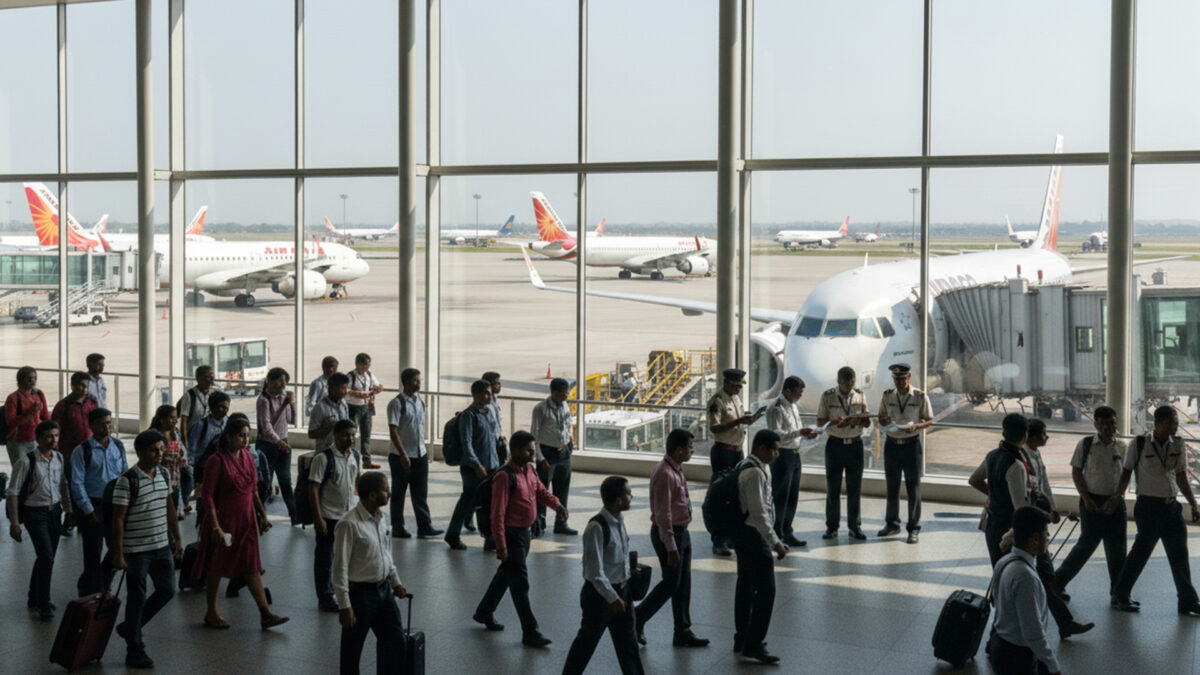
DGCA Seeks Autonomy to Cope With Rapid Aviation Expansion

India’s aviation regulator, the Directorate General of Civil Aviation (DGCA), is pressing the government for greater financial and administrative freedom to tackle serious resource constraints that threaten its ability to regulate a rapidly growing sector.

With key demands such as independent recruitment, competitive salaries, and enhanced training budgets, the DGCA argues that only autonomy can allow it to attract and retain the calibre of talent required for rigorous oversight.

At present, the DGCA has just 553 of its 1,063 technical positions filled — a vacancy rate approaching 50 percent. A parliamentary standing committee report has highlighted that this staffing shortfall is not merely a bureaucratic issue but an “existential threat” to aviation safety in India.

The committee has recommended a time-bound plan to grant the DGCA full administrative and financial autonomy.

The root of the problem lies in DGCA’s lack of control over recruitment and compensation. The report flagged the recruitment model — in which outside agencies hire on behalf of DGCA — as inefficient and slow, curbing the regulator’s ability to respond flexibly to workforce needs.

It also noted that deputation-based hiring, especially from services such as the Indian Air Force, has failed to attract qualified candidates because joining DGCA often comes with reduced benefits or allowances compared to their parent services.

Meanwhile, India’s aviation market continues to soar. Passenger traffic has more than doubled in recent years, reaching over 234 million annually, and the operational aircraft fleet has expanded over 100 percent to around 841 aircraft.

With more than 1,300 new firm aircraft orders in the pipeline, the regulatory burden is expected to intensify drastically. In this environment, the demand for more field-level inspections, certifications, safety audits, and oversight activities escalates sharply.

The parliamentary report urged that the DGCA be empowered to bypass bottlenecks in the Ministry of Civil Aviation’s oversight chain, allowing it to set salaries and hire specialists in aviation safety, airworthiness, operations, air traffic management, and related domains.

It also called for a national staffing audit, stronger enforcement mechanisms, a fatigue-risk management system for air traffic controllers (ATCs), and tighter timelines to rectify safety deficiencies.

Critics in Parliament and the civil aviation industry have warned that without reforms, the DGCA may increasingly struggle to keep pace with both growth and global standards. The committee’s recommendations arrived in the aftermath of the June 2025 crash of Air India flight AI‑171, which claimed 260 lives and revived concerns over systemic oversight inadequacies.

Supporters of the autonomy proposal argue that only by being able to recruit directly and set market‑competitive compensation can the DGCA become a modern, agile regulator. They also warn that further delay in granting autonomy may compound the backlog of inspections, safety audits, and infrastructure oversight tasks as air traffic and fleet size continue growing.

Nevertheless, the Civil Aviation Ministry has reportedly been cautious in embracing full autonomy for DGCA.

While it has indicated willingness to fill 190 vacancies by October, it has yet to agree to long-term structural reform that would vest DGCA with full recruitment powers.

In the weeks ahead, the challenge will be translating parliamentary recommendations into actionable legislation or administrative orders.

If autonomy is granted in a timely and meaningful manner, it could mark a turning point in India’s regulatory architecture — enabling more robust safety oversight and strengthening public confidence, even as aviation grows to unprecedented scale.

On the other hand, failure to act may expose the system to escalating risk, especially when regulatory demands are only going to intensify.

Categories
Beyond

RBI Unveils Unified Markets Interface: Here’s What It Means

The Reserve Bank of India (RBI) has unveiled plans for a Unified Markets Interface (UMI), a next-generation financial market infrastructure that will allow tokenisation of financial assets and settlements using the wholesale Central Bank Digital Currency (CBDC).

Governor Sanjay Malhotra announced the initiative at the Global Fintech Fest 2025, describing it as a step toward building the digital backbone of India’s future financial ecosystem.

What is the Unified Markets Interface?

According to Malhotra, the Unified Markets Interface will serve as a digital platform that connects various segments of the financial markets — including bonds, securities, and other capital market instruments — into a single interoperable system.

The UMI will enable the conversion, or “tokenisation,” of traditional financial assets into digital tokens that can be securely traded and settled in real time.

This means that instruments such as government securities or corporate bonds could eventually exist in a tokenised form on distributed digital ledgers, allowing instantaneous transfer of ownership and settlement.

The RBI envisions this infrastructure as the foundation for more transparent, efficient, and programmable market operations in India.

How tokenisation and CBDC will transform settlements

A key feature of the proposed UMI is its integration with the RBI’s wholesale CBDC. By leveraging the digital rupee for settlement, the system will eliminate delays and reduce settlement risk in large-value transactions.

Tokenised assets, combined with programmable smart contracts, can automate compliance checks, margin requirements, and payment triggers—functions traditionally performed by multiple intermediaries.

In simple terms, the use of CBDC within UMI will allow “instant finality” in settlements, replacing current multi-step clearing systems.

The move also aligns India with emerging global trends, where central banks are exploring digital currency frameworks to enhance the security and resilience of financial infrastructure.

A step toward a unified digital financial architecture

The RBI’s new initiative reflects a broader vision to unify India’s digital finance infrastructure. Alongside UMI, Malhotra said the central bank is working on a Unified Lending Interface (ULI), which aims to do for credit markets what the Unified Payments Interface (UPI) did for retail payments.

The ULI will help lenders use richer datasets to improve credit risk assessment and lending efficiency.

Malhotra also emphasised the importance of inclusivity, urging India’s fintech industry — which now includes over 10,000 firms — to build products that are accessible to all, including the elderly, people with disabilities, and those with limited digital literacy. “Innovation must walk hand in hand with inclusion,” he said.

Why this matters for India’s financial markets

The introduction of the UMI marks a potential turning point in how India’s financial system is structured and operated.

If implemented successfully, it could reduce transaction costs, enhance market transparency, and open doors for programmable financial products.

Moreover, it signals the RBI’s strategic move to position India at the forefront of global financial innovation. While the central bank continues to proceed cautiously with a nationwide CBDC rollout, the UMI underscores its intent to gradually modernise market infrastructure without disrupting stability.

Deputy Governor T. Rabi Shankar recently reiterated that the RBI is “not in a hurry” to expand CBDC use across sectors, preferring to build the ecosystem carefully.

Still, the conceptualisation of the Unified Markets Interface reveals how the RBI is reimagining the architecture of financial markets — one that could ultimately make India a leader in digital-era finance.

Also Read: Why Did OpenAI Ban China-Linked Accounts?

Categories
Corporate

Rubicon Research launches ₹1,377.5 crore IPO

Pharmaceutical formulation company Rubicon Research Ltd opened its ₹1,377.5 crore initial public offering (IPO) on Wednesday, with shares priced in a range of ₹461–₹485 apiece. The three-day public issue will close on October 13.

The IPO consists of a fresh issue worth ₹500 crore and an Offer for Sale (OFS) of ₹877.5 crore by its promoter, General Atlantic Singapore RR Pte Ltd.

Following the share sale, General Atlantic’s holding in the Mumbai-based drug maker will fall to just over 35 per cent.

Allotment and structure

As per the offer structure, up to 75 per cent of the issue is reserved for Qualified Institutional Buyers (QIBs), while Non-Institutional Investors (NIIs) can bid for up to 15 per cent.

Retail investors have access to not more than 10 per cent of the offer. Applications can be made in lots of 30 shares each.

The IPO also includes a reservation of shares with a face value of ₹1 each, aggregating up to ₹1.75 crore, for eligible shareholders who will receive a discount of ₹46 per share on the issue price. JM Financial, Axis Capital, IIFL Capital, SBI Capital Markets, and MUFG Intime India Pvt. Ltd. are managing the issue.

Strong anchor book response

Ahead of the opening, Rubicon Research raised ₹619 crore from a clutch of marquee anchor investors. According to a circular filed with the BSE, 32 institutional investors subscribed to over 1.27 crore equity shares at the upper price band of ₹485.

The anchor list includes major domestic and global funds such as Goldman Sachs, HDFC Mutual Fund, Fidelity Funds, ICICI Prudential MF, Kotak Mahindra MF, Amansa Holdings, and Aranda Investments Pte.

Market observers said the robust participation underscored confidence in Rubicon’s growth trajectory and fundamentals.

In a pre-IPO round, Kotak MF and Motilal Oswal MF jointly invested approximately ₹169 crore in the company.

Use of proceeds and promoter stake moves

Rubicon plans to utilise ₹310 crore from the fresh issue proceeds to pare down existing debt. The remainder will be directed toward strategic acquisitions, business expansion, and general corporate purposes.

Meanwhile, General Atlantic, the private equity firm that has backed Rubicon since 2019, has been gradually paring its stake in the company over recent months.

In August, it sold 51.6 lakh shares (3.3 per cent) to Amansa Investments for ₹250 crore, followed by a September transaction transferring 28.89 lakh shares (1.86 per cent) to TIMF Holdings and 360 ONE for about ₹140 crore.

Most recently, General Atlantic offloaded 34.86 lakh shares (2.25 per cent) at ₹484.47 each, amounting to roughly ₹169 crore.

Also Read: Why Did OpenAI Ban China-Linked Accounts?

Categories
Corporate

Why Did OpenAI Ban China-Linked Accounts?

OpenAI has banned several ChatGPT accounts suspected of links to Chinese government entities after users sought proposals for social media surveillance tools, violating the company’s national security policy.

The move underscores growing concerns about the misuse of generative AI amid increasing U.S.-China technological rivalry.

In its latest public threat report, OpenAI revealed that some individuals had used ChatGPT to outline social media “listening” tools and other monitoring mechanisms.

Additionally, Chinese-language accounts were found to be assisting in phishing and malware campaigns and exploring further automation through China’s DeepSeek platform.

The company emphasized that its models did not provide new offensive capabilities to threat actors. The Chinese embassy in the U.S. has not commented on the situation.

OpenAI’s actions are part of a broader effort to prevent the misuse of its AI models by foreign adversaries.

The company has also banned accounts tied to suspected Russian-speaking criminal groups using ChatGPT to develop malware. Since initiating public threat reporting in February 2024, OpenAI has disrupted over 40 malicious networks.

The company emphasized that its models did not provide new offensive capabilities to threat actors.

The Chinese embassy in the U.S. has not commented on the situation. OpenAI, which now boasts over 800 million weekly ChatGPT users, recently reached a $500 billion valuation after a secondary share sale.

This development highlights the challenges tech companies face in balancing the advancement of AI technologies with national security concerns and the potential for misuse by state-linked actors.

Also Read: BioInvent Begins New Trial Testing Cancer Drug

Categories
Corporate

SoftBank to Acquire ABB Robotics for $5.4 Billion

SoftBank Group has announced its agreement to acquire the robotics division of Swiss engineering firm ABB for approximately $5.4 billion.

This strategic move underscores SoftBank founder Masayoshi Son’s commitment to expanding the company’s footprint in artificial intelligence (AI) and automation technologies.

The acquisition will be executed through a newly established holding company, Robo Holdings, which will consolidate SoftBank’s existing robotics investments, including SoftBank Robotics Group, Berkshire Grey, and AutoStore.

The deal is subject to regulatory approvals in the European Union, the United States, and China, with an expected closing date between mid- and late-2026.

ABB’s robotics division, employing approximately 7,000 individuals, generated $2.3 billion in revenue in 2024, accounting for about 7% of ABB’s total revenue.

The division produces industrial robots utilized in sectors such as automotive and electronics manufacturing. ABB had previously considered spinning off this unit but decided to sell it to SoftBank to focus on its core businesses of electrification and automation.

Morten Wierod, CEO of ABB, stated that the merger would combine ABB’s leading technology and industry expertise with SoftBank’s advanced capabilities in AI and robotics, positioning both companies to shape the future of AI-based robotics.

For SoftBank, this acquisition aligns with its vision of “physical AI,” referring to AI-powered machines capable of perceiving, interpreting, and interacting with the physical world.

Masayoshi Son emphasized that the integration of ABB’s robotics division would unite world-class technology and talent under a shared vision to drive a groundbreaking evolution in AI and robotics.

The transaction also reflects a strategic shift for ABB, which plans to utilize the proceeds from the sale to invest in organic growth, pursue acquisitions, and return capital to shareholders through dividends and share buybacks.

This acquisition marks a significant step in SoftBank’s ongoing efforts to lead in the AI and robotics sectors, reinforcing its position as a major player in the global technology landscape.

Also Read: Why Did Tata Group Leaders Meet Amit Shah And Nirmala Sitharaman?

Categories
Corporate

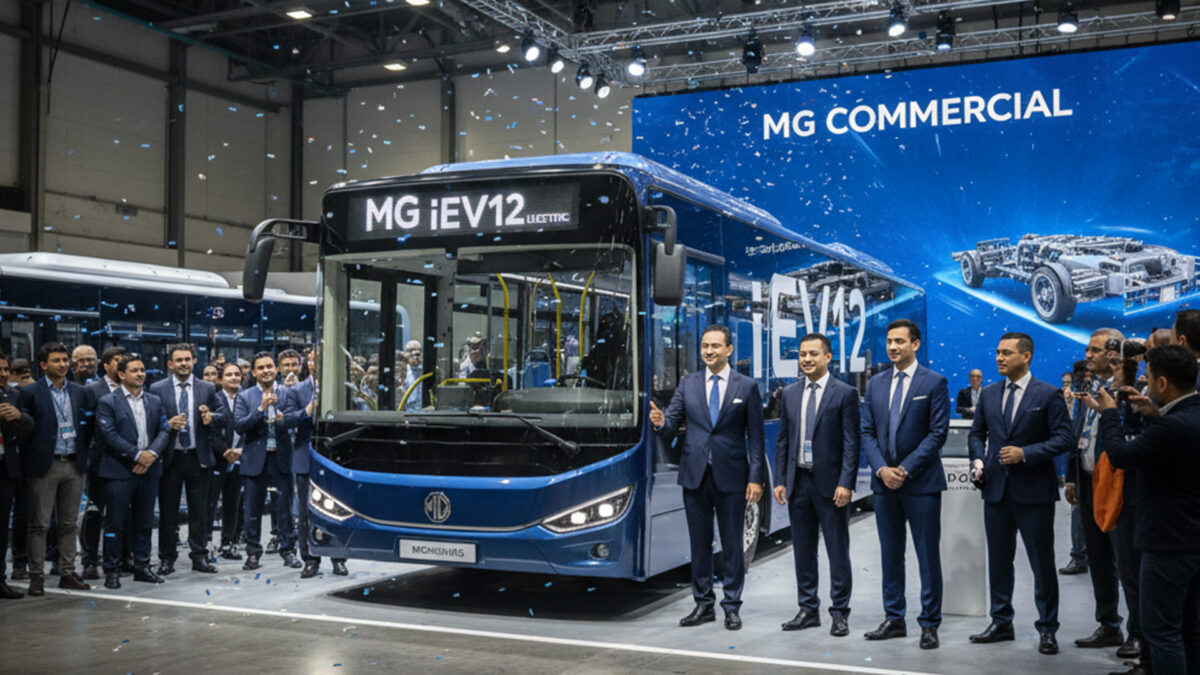
MG Commercial Unveils All-Electric iEV12 City Bus at Busworld 2025

MG, the renowned British automotive brand, has officially entered the commercial vehicle sector with the launch of MG Commercial. At the Busworld Brussels 2025 event, the company introduced its first all-electric city bus, the iEV12, alongside the B12E electric chassis, signaling a significant move into sustainable public transportation.

MG Commercial: A New Chapter

MG Commercial is a new division dedicated to developing medium- and large-sized electric buses. This strategic move aligns with MG’s commitment to sustainable mobility and innovation in the evolving commercial vehicle market.

Introducing the iEV12

The iEV12 is a 12-meter Class I all-electric city bus designed to meet the growing demand for eco-friendly urban transportation solutions. Developed in collaboration with the Shanghai Sunwin Bus Company, a subsidiary of the SAIC Motor Group, the iEV12 combines European design aesthetics with Chinese manufacturing expertise.

While specific technical details about the iEV12’s performance and features are yet to be disclosed, the unveiling marks a significant step in MG’s expansion into the electric commercial vehicle market.

The B12E Chassis

Accompanying the iEV12, MG also introduced the B12E electric chassis. This versatile platform is designed to support various body configurations, offering flexibility for different public transport needs. The B12E chassis is expected to play a crucial role in MG’s strategy to provide tailored electric mobility solutions for urban environments.

Future Outlook

Although the iEV12 and B12E are currently in the concept stage, MG’s entry into the electric bus market underscores its commitment to sustainable urban mobility. The company aims to integrate personal and public transportation into a seamless, green ecosystem, aligning with global trends towards electrification and environmental responsibility.

As MG Commercial continues to develop its electric vehicle offerings, the iEV12 and B12E represent the brand’s dedication to innovation and sustainability in the commercial transport sector. By focusing on eco-friendly solutions, MG hopes to contribute significantly to reducing urban pollution and promoting the adoption of zero-emission vehicles in cities worldwide.

The launch of MG Commercial and the iEV12 also reflects a broader trend in the automotive industry, where established car manufacturers are expanding into electric commercial vehicles. Urban authorities and transport operators are increasingly seeking sustainable alternatives to conventional diesel buses, creating opportunities for new players like MG Commercial to shape the future of city mobility.

With plans to further expand its electric bus lineup and invest in research and development, MG Commercial is positioning itself as a key contributor to the global shift toward clean and efficient public transportation. The company is expected to continue refining the iEV12 and the B12E chassis, incorporating feedback from pilot programs and industry stakeholders to ensure the vehicles meet the operational needs of modern urban environments.

By entering the electric commercial vehicle market, MG is not only broadening its product portfolio but also reinforcing its commitment to sustainable innovation. The iEV12 and B12E are poised to set new benchmarks for design, efficiency, and adaptability in electric city buses, providing a glimpse of the future of urban mobility.

Categories
Corporate

Why Did Tata Group Leaders Meet Amit Shah And Nirmala Sitharaman?

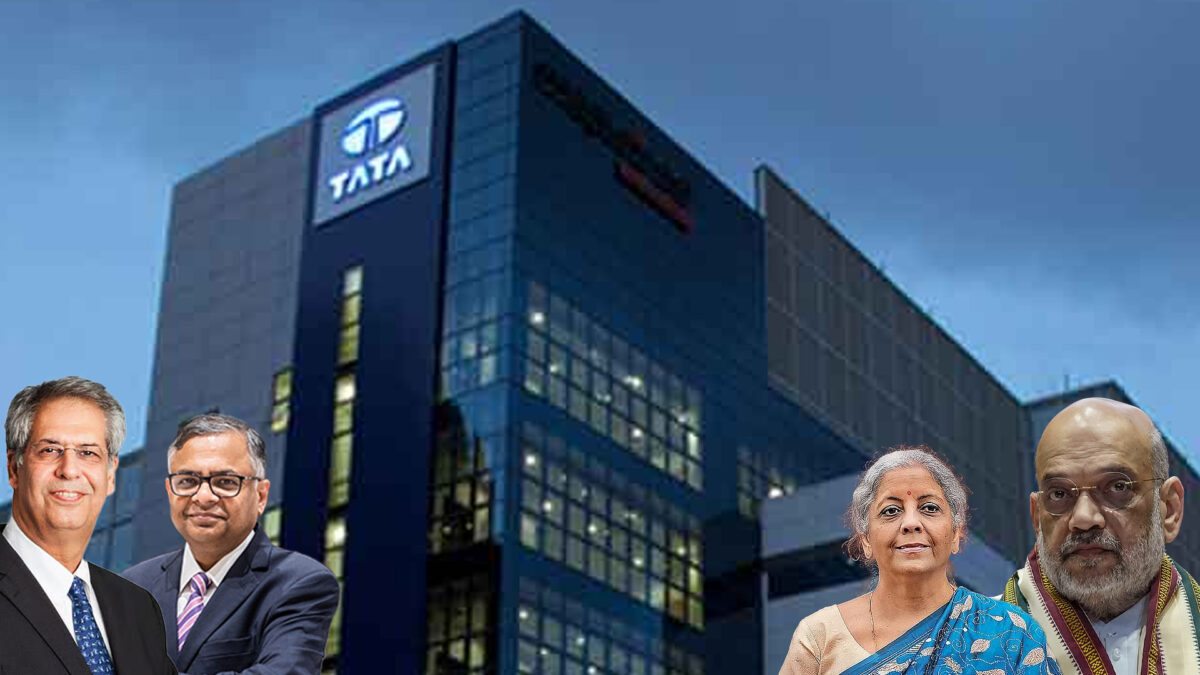
In a significant development, top executives of the Tata Group, including Tata Trusts Chairman Noel Tata and Tata Sons Chairman N. Chandrasekaran, met with Union Home Minister Amit Shah and Finance Minister Nirmala Sitharaman on Tuesday evening.

The meeting, held at Shah’s residence in New Delhi, comes amid growing concerns over internal governance issues within Tata Trusts, which holds a controlling stake in Tata Sons, the holding company of the $180 billion conglomerate.

Joining Noel Tata and Chandrasekaran at the meeting were Tata Trusts Vice-Chairman Venu Srinivasan and trustee Darius Khambata.

The discussions reportedly focused on the ongoing infighting among trustees over board appointments and governance policies, which have raised alarms about the potential impact on the broader Tata Group.

According to sources, the government emphasized the importance of restoring stability within Tata Trusts and ensuring that internal disputes do not affect the operations of Tata Sons. The ministers reportedly conveyed a firm message to the Tata leadership, urging them to take necessary actions to resolve the issues and maintain the integrity of the group.

The internal rift within Tata Trusts has reportedly been exacerbated by a faction of trustees acting as a “super board,” undermining Noel Tata’s authority.

This power struggle has led to tensions regarding board seats at Tata Sons, which oversees a vast portfolio of companies, including Tata Steel, Tata Motors, and TCS.

The government’s intervention underscores the strategic importance of the Tata Group to India’s economy and the need for effective governance to ensure its continued success. Observers note that the involvement of the Home and Finance Ministries signals the seriousness of the situation and the potential economic implications if the internal disputes are not resolved.

All eyes are now on the upcoming board meeting scheduled for October 10, which is expected to address key governance issues and determine the future course of action for Tata Trusts and Tata Sons.

The outcome of this meeting will be closely watched by investors, employees, and regulators, given the central role of Tata companies in India’s corporate and industrial landscape.

The Tata Group has yet to issue an official statement regarding the meeting or the ongoing governance issues. However, sources indicate that the discussions with the government were intended to provide clarity, reinforce leadership authority, and ensure that decision-making processes within Tata Trusts and Tata Sons remain stable and transparent.

The situation highlights the delicate balance required in managing large, diversified conglomerates in India, particularly those with significant influence over the economy.

With the government urging swift action, Tata Group leadership faces pressure to resolve internal differences while maintaining operational continuity across its global businesses.

The meeting represents a crucial step in reaffirming governance standards within one of India’s most influential corporate entities and signals the government’s interest in safeguarding the stability of the country’s major industrial groups.

Also Read: BioInvent Begins New Trial Testing Cancer Drug