
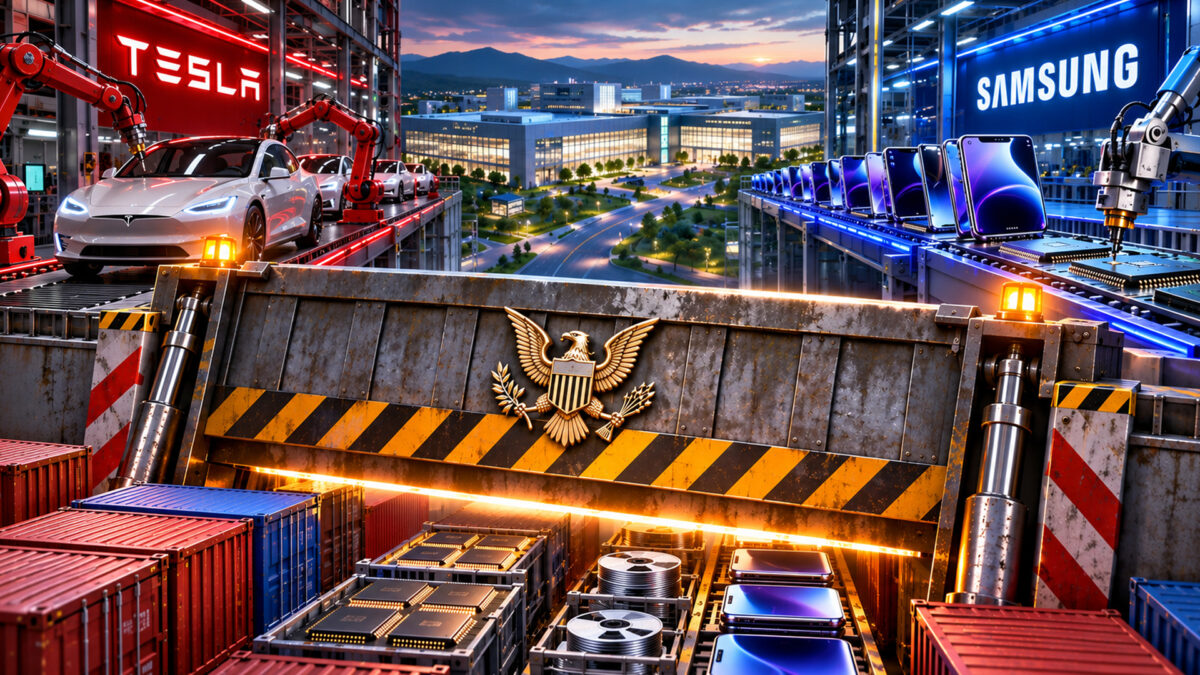
Tesla and Samsung have opposed the Trump administration’s proposal to impose additional tariffs on goods imported from Vietnam, warning that fresh trade restrictions could increase manufacturing costs and disrupt global supply chains. The companies have urged Washington to consider the importance of Vietnamese manufacturing to American businesses as the United States prepares to conclude an investigation into the country’s intellectual property practices by November 29.
The issue has divided American businesses, with technology companies and retailers seeking to avoid additional duties, while several domestic manufacturing groups are demanding stronger trade action against Vietnam. The disagreement highlights the challenges facing the US government as it attempts to protect domestic industries without disrupting international manufacturing networks.
The Trump administration launched the investigation in May 2026 under Section 301 of the US Trade Act. The probe examines allegations that Vietnam has failed to adequately protect intellectual property rights and enforce regulations against copyright violations and piracy. Its findings could lead to additional tariffs or other trade measures against Vietnamese imports.
Why Tesla and Samsung oppose additional tariffs
Tesla has asked the US Trade Representative (USTR) to consider the supply chain requirements of American manufacturers before introducing further import duties. In a submission dated July 2, the electric vehicle manufacturer highlighted the difficulty of sourcing certain advanced components and precision manufacturing equipment within the United States.
The company argued that despite substantial investments in domestic manufacturing, some specialised products remain difficult to obtain from American suppliers. Imports from countries such as Vietnam therefore continue to play an important role in supporting US production.
Additional tariffs could increase the cost of these components and equipment, affecting manufacturers that depend on overseas suppliers. For Tesla, the concern extends beyond the direct cost of imports to the competitiveness of American manufacturing.
The automotive industry relies on complex international supply networks for electronic components, specialised machinery and other production materials. Higher import duties could increase operational expenses, potentially affecting production costs and prices.
Samsung’s US subsidiary has raised similar concerns, pointing to Vietnam’s importance in its global electronics manufacturing network. The South Korean technology giant manufactures a significant share of the smartphones and network equipment it supplies to the American market through its Vietnamese facilities.
Samsung is Vietnam’s largest foreign investor, with investments estimated at approximately $25 billion. Its manufacturing presence has made the Southeast Asian country a key production base for the company.
US industries divided over trade action
While technology companies want Washington to avoid further duties, several American industry groups are demanding stronger measures against Vietnam.
Associations representing US producers of steel, seafood, plywood, solar panels and wood products have accused Vietnamese businesses of unfair trade practices. They have urged the administration to impose additional tariffs to protect domestic manufacturers from foreign competition.
Software, film and music industry organisations have raised a different set of concerns, focusing on intellectual property protection and online piracy.
The US designated Vietnam a “priority foreign country” in April, placing it in the most serious category of its intellectual property watchlist. It was the first country in 13 years to receive this designation, reflecting Washington’s concerns over the enforcement of copyright and other intellectual property laws.
The Business Software Alliance, whose members include Microsoft, Oracle and IBM, has criticised Vietnam’s enforcement record. Citing a 2017 survey, the organisation said approximately three-quarters of software installed on personal computers in Vietnam was unlicensed.
The Motion Picture Association has also identified Vietnam as a major centre for online piracy. It said websites operating from the country distributed unauthorised films and television programmes and attracted more than 12.5 billion visits worldwide last year.
Vietnam’s expanding trade relationship with the US
The dispute comes as Vietnam’s exports to the United States continue to grow. Shipments from Vietnam to the American market increased 42% during the first eight months of 2026 compared with the corresponding period in 2025.
The increase made Vietnam the US trading partner with the largest goods trade surplus, moving ahead of China and Mexico. At the end of 2025, Vietnam ranked fourth.
Vietnamese goods currently face a general US tariff of 12.5%, imposed in July following a separate investigation into alleged failures to prevent imports of products made using forced labour. The country had previously faced 20% duties under Trump’s reciprocal tariff programme, but those tariffs were subsequently struck down by the US Supreme Court.
A separate US investigation into Vietnam’s alleged excess manufacturing capacity is also underway. Hanoi has urged Washington to conduct its investigations objectively.
November 29 deadline in focus
The November 29 deadline is expected to be an important point in determining the next phase of US-Vietnam trade relations. The findings could influence future tariffs, manufacturing investments and international sourcing decisions.
For Tesla and Samsung, the priority is to prevent additional trade barriers from increasing production costs and disrupting established supply chains. American manufacturers seeking protection, meanwhile, want Washington to address concerns about unfair competition and intellectual property violations.