Categories
Technology

Samsung brings its browser to Windows PCs

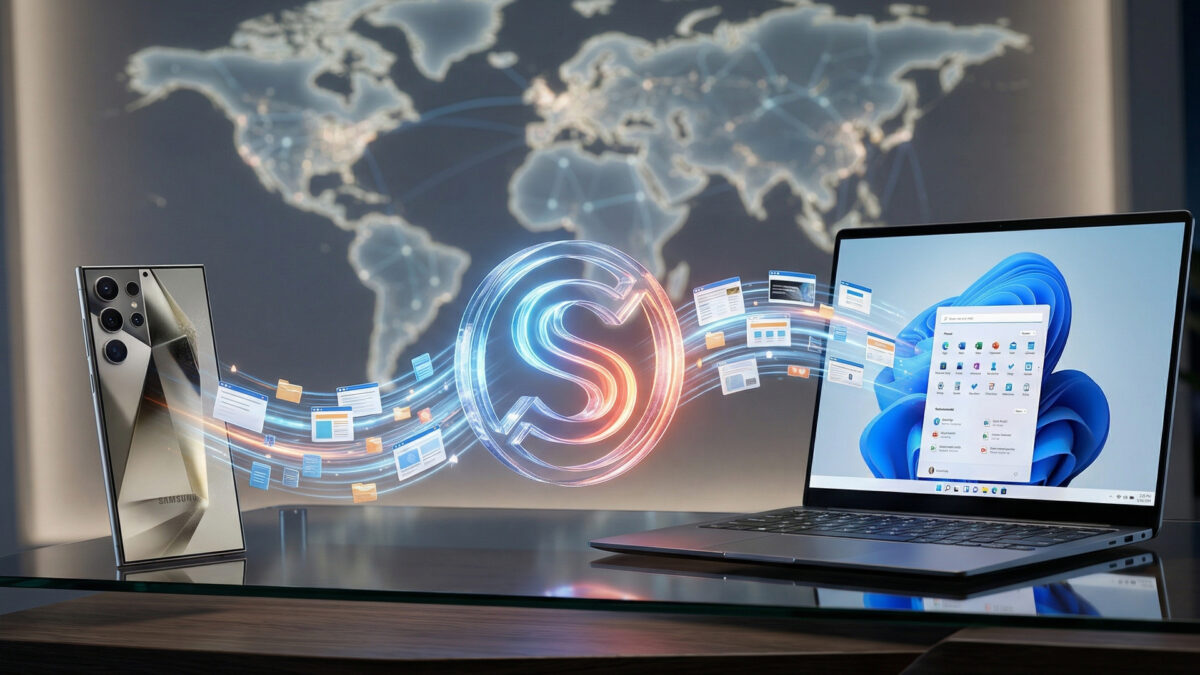
Samsung has expanded its digital ecosystem by launching its web browser for Windows users across the world. Previously available only in beta, the browser is now fully released and supports both Windows 10 and Windows 11 platforms.

The desktop version of the Samsung Internet Browser is designed to work closely with Samsung’s mobile devices. Users can sync their browsing data, including saved pages, open tabs, and history, across smartphones, tablets, and PCs. This ensures a smooth transition between devices and improves overall convenience.

One of the key additions is the use of advanced artificial intelligence within the browser. Samsung has introduced “agentic AI,” which allows the browser to understand user needs and assist with tasks. For example, it can summarise long articles, collect information from different tabs, and respond to natural language queries.

This approach reflects a growing trend in technology where software becomes more proactive and helpful. Instead of simply displaying web pages, the browser can now analyse and organise information for the user. Samsung aims to make browsing faster and more efficient through these features.

The company has said that these AI capabilities are part of its broader strategy to extend intelligent services across multiple devices. While some features are currently limited to certain regions, Samsung plans to expand access gradually.

Also Read: Petrol duty reduced to ₹3, diesel to zero
Categories
Technology

Windows 10 & 11 users alerted to security flaw

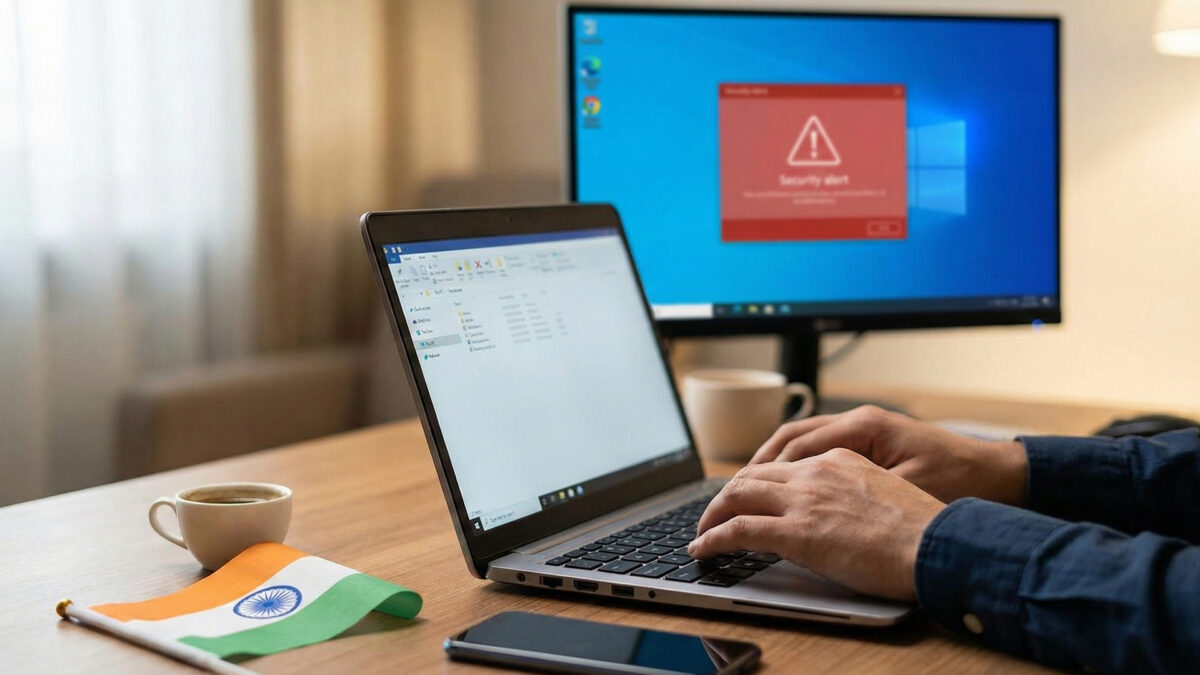
The Indian government has raised an alert for Windows 10 and 11 users following the discovery of a security vulnerability that could compromise sensitive system information. CERT‑In, the national cybersecurity agency, has flagged the issue as a potential risk even for devices with standard security settings.

The flaw is located in the Desktop Window Manager (DWM), the component responsible for managing the Windows graphical interface. CERT‑In has identified that improper memory handling in this module may allow a local attacker with minimal access to retrieve sensitive system information. While the vulnerability does not directly allow remote hacking, it could be exploited in combination with other techniques to escalate attacks.

Affected systems include multiple Windows 10 versions (1607, 1809, 21H2, 22H2) and Windows 11 editions (23H2, 24H2, 25H2), along with several Windows Server versions from 2012 through 2025. CERT‑In has rated the risk medium, highlighting that exposure of memory data could bypass security protections like Address Space Layout Randomisation (ASLR).

The advisory emphasizes that users should install the latest Microsoft security updates immediately via Windows Update. Enterprises and individual users are urged to maintain proper system hygiene, avoid untrusted software, and use accounts with limited privileges where possible.

Although no major exploit of this vulnerability has been reported yet, CERT‑In stresses that prompt patching is critical to protect data and maintain system security. Ignoring the update could leave systems vulnerable to future attacks, especially in enterprise environments where sensitive data is processed daily.

Also Read: Gold at ₹1.43 lakh , Silver rises ₹2.95 lakh