Categories
Leaders

Tesla ends Model S, Model X production confirms Musk

Tesla has announced it will stop producing its premium Model S sedan and Model X SUV by mid-2026. These two cars have long been the company’s flagship models, but sales have been falling steadily. CEO Elon Musk revealed the decision during Tesla’s fourth-quarter earnings call on 28 January 2026, describing it as an “honorable discharge” for the vehicles that helped define Tesla’s luxury lineup.

Musk explained that the move is part of a larger plan to focus on robotics, AI, and autonomous driving technology. He encouraged anyone interested in the Model S or X to place orders before production ends, noting that current inventory will be the final units.

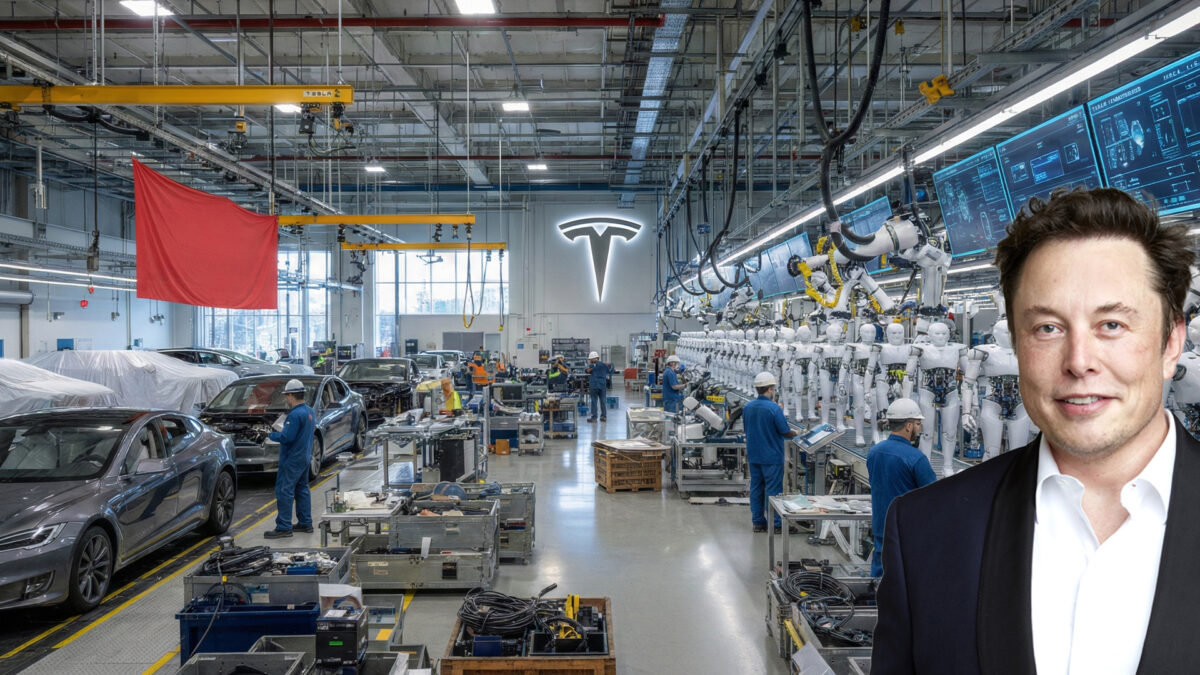
Tesla’s Fremont factory in California will be reconfigured to manufacture the company’s Optimus humanoid robots, with a goal of eventually producing up to one million units annually. This shift underscores Musk’s vision of transforming Tesla from a traditional carmaker into a technology-driven company with a focus on automation and AI.

The Model S and X have seen declining sales over the past few years, contributing only a small portion of Tesla’s total vehicle deliveries. In contrast, the Model 3 and Model Y remain the company’s top-selling vehicles, driving most of Tesla’s revenue.

Tesla also reported its first annual revenue decline, with 2025 sales dropping about 3% to $94.8 billion, marking a rare slowdown after years of consistent growth. Despite this, Musk emphasized Tesla’s commitment to developing self-driving technology, AI-powered hardware, and robotics, including the Optimus project.

While new Model S and X cars will no longer be produced, the company will continue to support existing owners with service and maintenance. This decision reflects Tesla’s strategic realignment, focusing on high-volume models like the Model 3, Model Y, and the upcoming Cybertruck, while expanding into emerging tech sectors.

Also Read: L&T bags ₹5,000–10,000 cr Riyadh metro extension order
Categories
Corporate

BYD surpasses Tesla as global EV leader in 2025

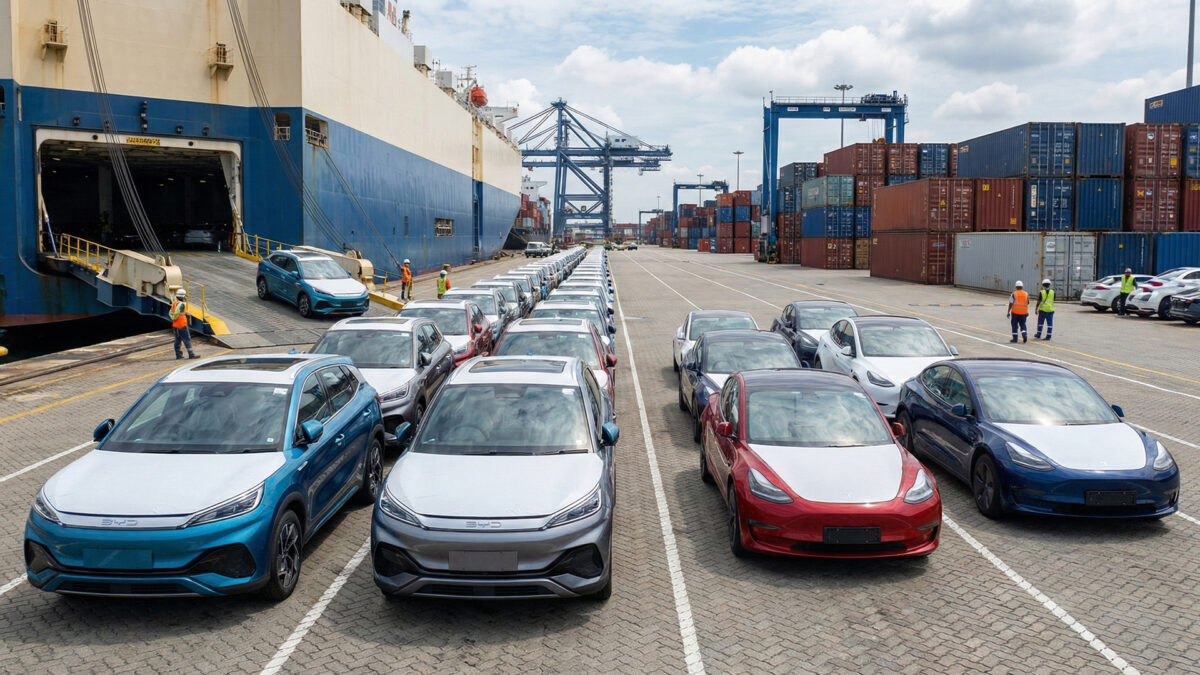
China’s BYD has overtaken Tesla to become the world’s largest electric vehicle (EV) seller in 2025, delivering 2.26 million battery electric cars compared with Tesla’s 1.63 million. BYD’s sales rose 28% year-on-year, while Tesla’s dropped 9%, marking the company’s second consecutive annual decline.

Industry analysts attribute Tesla’s slowdown to reduced US EV subsidies under President Donald Trump and mixed consumer sentiment over Elon Musk’s political positions. Meanwhile, BYD has expanded both domestically and internationally, leveraging competitive pricing, a diverse vehicle lineup, and advanced technology, including its “God’s Eye” autonomous driving system.

Founded in 1995 as a battery company by Wang Chuanfu, BYD has successfully scaled production to compete globally. Analysts note that the global EV market continues to expand, though pricing pressures and policy changes create challenges and opportunities for manufacturers. BYD’s milestone reflects both the rapid growth of Chinese EV makers and the shifting balance of power in the international automotive industry.

BYD’s rise signals the growing dominance of Chinese automakers, including SAIC and Chery, in the global EV market. The shift highlights China’s growing influence in electric mobility, challenging traditional leaders and reshaping the industry’s competitive landscape.

Despite falling sales, Tesla remains the world’s most valuable carmaker with a market capitalization of $1.4 trillion, supported by investor confidence in Musk’s technological innovations, including autonomous vehicles and AI-driven projects like robotaxis.

Also Read: 72 hour deadline for X to tackle AI abuse

Categories
Leaders

Elon Musk rewrites Tesla mission for more joy

Tesla CEO Elon Musk has once again drawn attention to the power of words by announcing a change in how the company describes its long-term mission. The phrase “Sustainable Abundance” is being replaced with “Amazing Abundance,” a move Musk says is intended to bring more joy and emotional warmth to Tesla’s vision of the future.

The update was shared in a short post on Musk’s platform X, where he explained that while sustainability remains central to Tesla’s philosophy, the word amazing better reflects the excitement and possibility he associates with technological progress. The message was simple, but it quickly sparked discussion about how companies communicate purpose in an era shaped as much by emotion as by innovation.

The revised wording ties into Tesla’s Master Plan Part IV, its latest long-term roadmap that looks far beyond cars. The plan outlines ambitions spanning clean energy, artificial intelligence, robotics, and automation, all aimed at improving quality of life while reducing environmental harm. In that context, “Amazing Abundance” suggests not just efficiency or responsibility, but a future that feels aspirational and rewarding.

Importantly, Tesla’s official mission statement remains unchanged: accelerating the world’s transition to sustainable energy. There are no new targets, products, or policy shifts attached to the wording change. Instead, it appears to be a reframing exercise, one that places emphasis on how the destination feels, not just how it is achieved.

Some analysts view the move as a reflection of broader trends in corporate leadership, where purpose-driven storytelling plays a growing role in motivating employees and connecting with the public. Others see it as Musk responding to a challenging moment for the global EV industry, marked by rising competition, cautious consumers, and tighter scrutiny of big tech leaders.

The shift also highlights a subtle tension in modern innovation narratives. While sustainability speaks to responsibility and restraint, abundance suggests growth, access, and opportunity. By choosing “amazing,” Musk may be trying to bridge that gap—presenting a future that is not only cleaner, but also exciting and emotionally compelling.

This change may not alter Tesla’s strategy, but it reshapes the story it tells. And in a company built as much on vision as on engineering, that story can be nearly as influential as the technology itself.

Also Read: North Korea reveals first nuclear submarine

Categories
Corporate

Tesla plans deeper India push with full EV ecosystem

Tesla is preparing to strengthen its India footprint by developing a full electric-vehicle ecosystem, including chargers, service facilities and customer support centres, to make EV ownership smoother for buyers.

After launching two imported versions of the Model Y earlier this year, the company has delivered just over 100 units so far. Industry sources say Tesla now wants to expand its network before scaling up sales. The plan includes installing home chargers, partnering with malls and hotels for public charging points, and setting up supercharger hubs in major cities.

The company is also looking at improving after-sales services, ensuring that customers have accessible maintenance and support options,  a key concern for EV buyers in India.

Tesla is yet to finalise plans for local manufacturing, but officials say building a strong ecosystem is its immediate priority. The company believes that better infrastructure can encourage more Indians to switch to electric cars, especially in large urban markets.

Tesla’s move comes as India pushes for faster EV adoption to cut pollution and reduce oil dependency. The company expects that a reliable charging network will help build confidence among potential buyers and boost long-term demand for its cars.

Also Read: Asian Paints to invest ₹340 crore in new UAE plant

Categories
Corporate

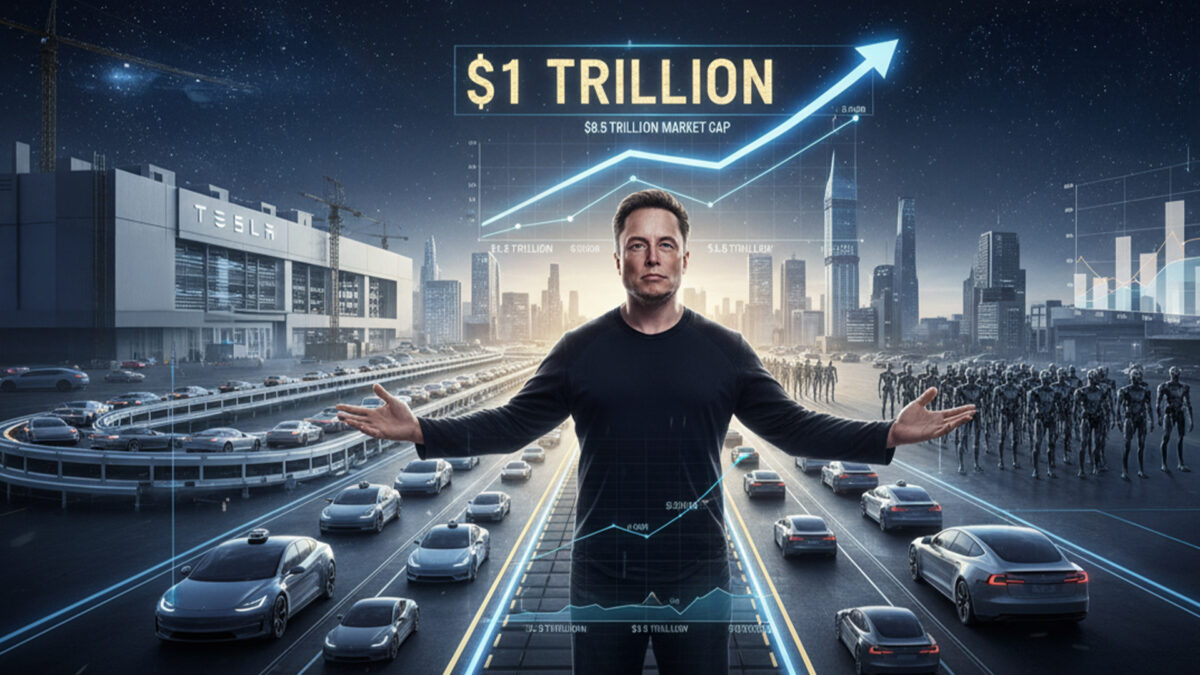
Tesla Shareholders Approve $1Trillion Musk Pay Package

Tesla CEO Elon Musk is set to become the world’s first trillionaire after more than 75% of the company’s shareholders approved as much as $1 trillion in stock over the next decade.

Shareholders voted in favor of the proposal at Tesla, based in Austin, reaffirming their faith in Musk’s leadership and vision to transform the electric vehicle pioneer into a technology powerhouse focused on AI, robotics, and autonomous systems.

Under the approved plan, Musk will receive stock awards only if Tesla achieves a series of ambitious performance and market milestones over the next decade.

These include delivering 20 million electric vehicles, deploying 1 million self-driving robotaxis, selling 1 million humanoid robots, and generating $400 billion in core profit.

If all targets are achieved, Musk would gain roughly 12% of Tesla’s shares, worth about $878 billion after adjustments.

Shares of Tesla rose more than 3 percent in after-hours trading after the shareholder voted on Thursday.

Shareholders also backed Tesla’s potential investment in Musk’s AI startup, xAI, despite concerns over conflicts of interest. The partnership could enhance Tesla’s self-driving technology while providing xAI with a major commercial client.