
Categories
Corporate

Tamil Nadu, KLA sign ₹3,600 cr R&D MoU in Chennai

The Tamil Nadu government has signed a Memorandum of Understanding (MoU) with US-based semiconductor equipment company KLA Corporation to set up a large research and development (R&D) and innovation campus in Chennai.

Under the agreement, KLA will invest up to $400 million (around ₹3,600 crore) over the next decade. The proposed campus will come up on about 12 acres and is planned to expand in phases, with the built-up area expected to eventually reach nearly 1.5 million square feet.

The MoU was signed in the presence of Chief Minister M. K. Stalin and Industries Minister T. R. B. Rajaa, along with senior government officials and representatives from KLA.

The upcoming facility is expected to generate up to 4,000 high-skilled jobs over the next 10 years. These roles will largely focus on advanced semiconductor research, software development, artificial intelligence (AI), high-performance computing, and engineering solutions that support chip manufacturing and process control.

Officials said the investment strengthens Tamil Nadu’s position in the global semiconductor value chain and reflects growing international confidence in the state’s industrial policies, infrastructure, and skilled talent pool. The government has been actively working to attract high-technology investments as part of its broader strategy to develop a strong electronics and semiconductor ecosystem.

KLA already has operations in Chennai, and the new campus will significantly expand its footprint in India. Company representatives said the proposed R&D and innovation centre will serve as a major hub for global engineering and AI-led semiconductor solutions, helping India play a larger role in advanced chip technologies.

The project is seen as a major step in boosting research-driven growth, high-value employment, and long-term technology development in the state.
Also Read: Reliance gets US permit to import Venezuelan oil

Categories
Corporate

Tamil Nadu CM inaugurates ₹1,003 cr Gorilla Glass plant near Chennai

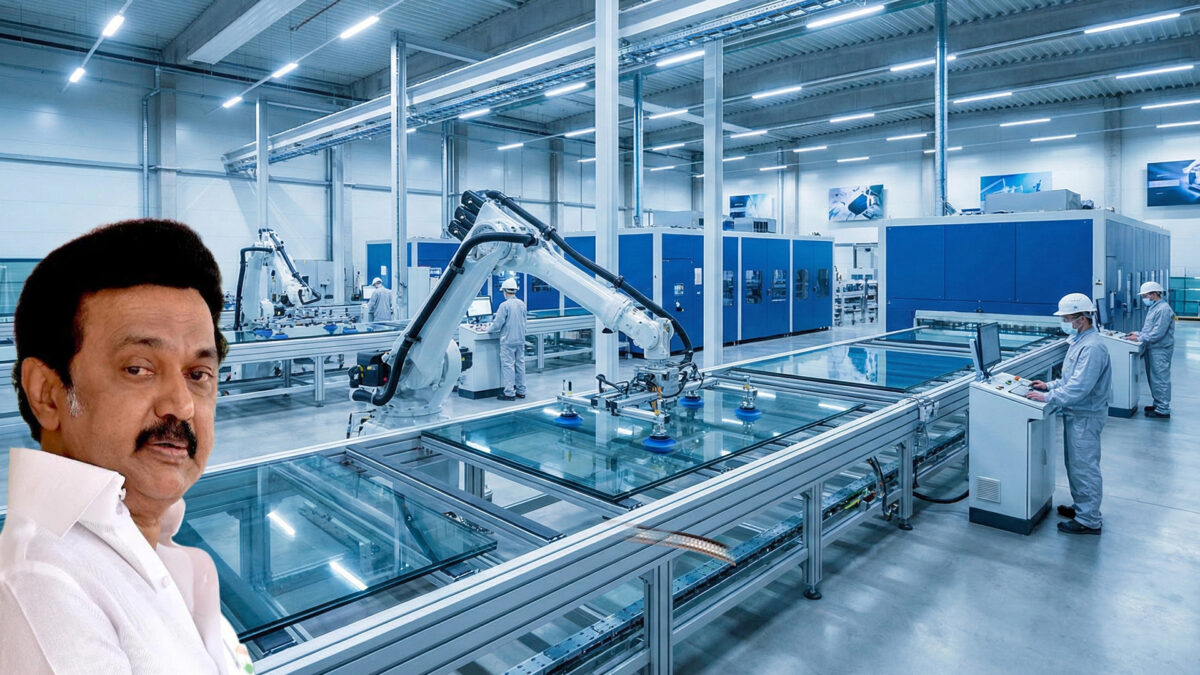
Tamil Nadu Chief Minister M. K. Stalin inaugurated a new state-of-the-art Gorilla Glass manufacturing facility near Chennai on Friday, marking a major milestone for India’s electronics industry. The plant, located at the SIPCOT industrial park in Pillaipakkam, Kancheepuram district, has been built with an investment of ₹1,003 crore and is expected to significantly strengthen the country’s high-tech manufacturing capabilities.

The facility is a joint venture between the US-based Corning Incorporated, globally known for its “Gorilla Glass,” and Indian firm Optiemus Infracom Ltd. It is the first plant in India to employ precision glass-processing technology to manufacture front cover glass for smartphones and other portable devices. The technology, widely used in premium mobile devices worldwide, will now be produced domestically, reducing reliance on imports and strengthening India’s electronics supply chain.

In its first phase, the plant is expected to produce approximately 30 million pieces of cover glass annually. The project will also generate around 840 direct jobs, providing employment opportunities and contributing to skill development in advanced manufacturing technologies. Officials noted that the initiative aligns with the central government’s “Make-in-India” strategy by promoting domestic production of high-value electronics components.

Stalin highlighted the significance of the facility in attracting further investment to Tamil Nadu’s electronics and manufacturing sectors. He pointed out that the state has been proactive in implementing industrial policies and MoUs, ensuring smooth project execution and creating an investor-friendly environment.

The plant is part of a broader trend of high-tech investments in the region, reinforcing Tamil Nadu’s position as a hub for electronics manufacturing in India. Industry experts say that domestic production of Gorilla Glass could open avenues for collaboration with global smartphone manufacturers and strengthen the country’s export potential in premium mobile components.

With the inauguration of this facility, India moves closer to self-reliance in critical smartphone technologies, while the state benefits from economic growth, employment generation, and enhanced technological capabilities. The plant is expected to play a key role in the country’s electronics ecosystem, attracting additional investments and supporting the growth of ancillary industries in the coming years.

Also Read: Netflix to buy Warner Bros Discovery for $72 billion