Categories
Corporate

RBI clears HDFC Group to buy 9.5% in IndusInd

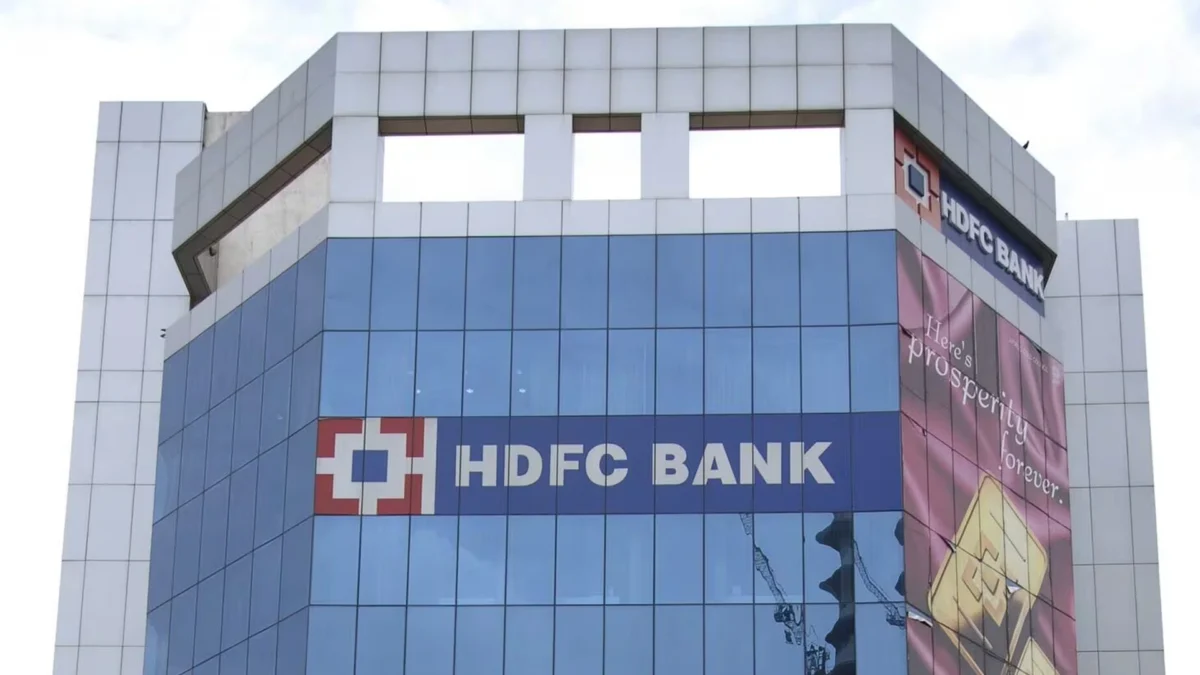
The Reserve Bank of India (RBI) has granted approval to HDFC Bank and its group companies to acquire a combined stake of up to 9.5 per cent in IndusInd Bank. This regulatory clearance, issued on December 15, 2025, is valid for one year, until December 14, 2026, and comes with specific conditions regarding investment limits and timing.

The approval allows HDFC group entities, including HDFC Mutual Fund, HDFC Life Insurance, and HDFC Pension Fund, to invest in IndusInd Bank shares. However, the RBI has mandated that the total holding at any point must not exceed 9.5 per cent of the bank’s paid-up capital or voting rights, ensuring a cap on control while allowing strategic investments.

HDFC Bank clarified that it does not plan to invest directly, but the combined investments by its affiliates required the regulatory nod. The acquisition must be completed within the one-year approval period, or the permission will lapse, emphasizing the RBI’s requirement for timely execution.

This move comes amid heightened investor focus on IndusInd Bank. The private sector lender has faced challenges in recent years, including governance issues and fluctuations in performance. With HDFC group companies increasing their shareholding, it signals a vote of confidence in IndusInd Bank’s prospects and governance structure.

Market analysts view the RBI’s clearance as a strategic step that allows HDFC group entities to deepen their presence in the private banking sector without breaching regulatory norms. The development is also expected to provide stability to IndusInd Bank’s shareholding pattern, which has been under scrutiny due to previous changes in large stakes held by institutional investors.

RBI approval strengthens HDFC Bank’s group investment strategy, giving its affiliated firms the flexibility to participate in IndusInd Bank’s growth while maintaining regulatory compliance. Investors and market observers will likely watch closely as the group executes its stake acquisition over the coming months.


Also Read: ICICI AMC IPO gets 1.5× subscription in 2 days

Categories
Beyond

November inflation at 0.71%, still under RBI band

India’s retail inflation rose to 0.71 percent in November, up from a record low of 0.25 percent in October, according to official data released on Thursday. Despite the increase, price pressures remain well below the Reserve Bank of India’s (RBI) comfort range of 2–6 percent, continuing a rare phase of subdued inflation.

The rise was mainly driven by food and fuel prices, which saw a slower decline compared to the previous month. While overall food prices are still lower than a year ago, the pace at which prices were falling moderated in November, leading to a slight uptick in headline inflation.

Food inflation stayed in negative territory at around minus 3.9 percent, indicating that food items, on average, were cheaper than last year. However, prices of vegetables, eggs, meat, fish and cereals showed some firming compared to October. Fuel and light inflation also edged higher, adding to the increase in the overall consumer price index.

Core inflation, which excludes food and fuel and reflects broader demand conditions, remained largely stable. This suggests that underlying price pressures in the economy are still muted, even as certain categories show early signs of recovery.

Economists say the low inflation reading gives the RBI greater flexibility on monetary policy, especially at a time when growth concerns persist. With inflation consistently staying below the lower end of the target band for several months, expectations of further interest rate cuts have strengthened.

However, experts caution that inflation may gradually rise in the coming months as the favourable base effect fades and demand improves. Seasonal changes, global commodity prices and domestic food supply conditions will play a key role in determining the inflation trajectory.

For now, November’s data reinforces the view that price stability remains intact, offering relief to consumers and policymakers alike. The RBI is expected to closely monitor inflation trends while balancing the need to support economic growth in the months ahead.

Also Read: SEBI clears Pranav Adani in Adani Green insider trading case

Categories
Beyond

RBI lowers repo rate to 5.25% for economic growth

The Reserve Bank of India (RBI) today, cut its key policy rate, the repo rate, by 25 basis points, bringing it down from 5.50% to 5.25%. The decision was unanimously approved by the six-member Monetary Policy Committee (MPC), which retained the overall monetary stance at “neutral.”

The move comes amid a robust economic backdrop. India’s GDP expanded by 8.2% in the second quarter, marking the fastest growth in six quarters. At the same time, consumer-price index (CPI) inflation remained near historic lows, dropping to 0.25% in October. The combination of strong growth and low inflation gave the central bank room to ease monetary policy and support further economic expansion.

In addition to the rate cut, the RBI announced fresh liquidity measures to ensure smooth credit flow. These include open-market operations worth ₹1 lakh crore in December and foreign exchange swap operations of up to $5 billion. Officials said these measures are aimed at easing funding conditions for banks and businesses, and promoting better transmission of lower interest rates across the economy.

The rate cut is expected to benefit borrowers across sectors, including homebuyers, auto buyers, and small businesses, by lowering borrowing costs. Financial stocks led market gains on the announcement, while real estate and auto sectors also reacted positively.

Analysts suggest that the RBI may be preparing for a broader easing cycle if inflation remains muted and economic growth continues at its current pace. Investors and markets will closely watch upcoming data on inflation, currency stability, and liquidity conditions to gauge the central bank’s next steps.

Overall, the RBI’s action signals a proactive approach to sustaining India’s economic momentum while maintaining price stability, reinforcing confidence in the financial system.

Also Read: Adani’s Dighi port to export 2 lakh cars annually with Motherson

Categories
Corporate

RBI’s monetary policy meeting begins, rate cut expected

The Reserve Bank of India (RBI) has kicked off its three-day Monetary Policy Committee (MPC) meeting in Mumbai, which will conclude on Friday, December 5, with an announcement on the key repo rate. The repo rate is the interest rate at which banks borrow from the RBI, and any change can affect borrowing costs for businesses and households.

India’s economy is showing strong growth momentum. The country’s GDP for the second quarter of the current financial year rose around 8.2%, indicating robust economic activity. At the same time, inflation has cooled to historically low levels. Consumer price inflation in October fell to about 0.25%, the lowest in years. This combination of high growth and low inflation is unusual and gives the RBI room to potentially cut rates without worrying about fueling prices.

Experts are divided on what the RBI will do. Some economists believe a rate cut is likely, citing low inflation and strong growth. Lower interest rates could encourage borrowing, boost spending, and further support economic expansion. On the other hand, some analysts argue that the RBI may hold the rate steady at 5.50%, pointing out that the economy is already performing well and may not need additional stimulus.

Markets are closely watching the MPC discussions. A rate cut could lower EMIs on home and personal loans, reduce borrowing costs for businesses, and stimulate credit demand. A decision to pause, however, would signal that the central bank believes the current monetary stance is sufficient to maintain growth and price stability.

The MPC’s final decision will be announced on Friday by RBI Governor, who will also give insights on the bank’s outlook for inflation, growth, and liquidity. This meeting is being closely monitored by investors, banks, and borrowers, as it will influence credit costs, investment decisions, and overall market sentiment.

With India’s economy performing strongly yet inflation remaining subdued, the RBI faces a delicate balance,  supporting growth while keeping prices in check. Friday’s decision will provide clarity on the direction of monetary policy for the coming months.

Also Read: Adani plans $15 billion airport expansion across India

Categories
1 Minute-Read

RBI fines HDFC bank ₹91 lakh for compliance lapses

The Reserve Bank of India has fined HDFC Bank ₹91 lakh for multiple compliance lapses identified during its supervisory inspection of the bank’s 2023–24 financials.

The RBI found issues in how the bank followed rules under the Banking Regulation Act, including irregularities in applying interest-rate benchmarks on loans, shortcomings in outsourcing practices, and gaps in KYC (Know Your Customer) procedures.

The central bank clarified that the penalty is purely for regulatory non-compliance and does not affect the validity of customer transactions. HDFC Bank is expected to strengthen its internal controls to meet all supervisory and operational standards.

Categories
Beyond

RBI tightens rules for safer digital banking

The RBI has rolled out its final set of rules to make digital banking simpler, safer and more transparent for customers. One of the biggest changes is that banks can no longer sign up people for digital banking without asking them first.

This means no more automatic enrolment, no hidden clicks, and no pressure to join an app or platform just to get another service. From now on, banks must take clear, informed consent before onboarding a customer to any digital channel.

The RBI says this step will help customers feel more in control of their banking choices and reduce complaints about forced digital enrolment. The guidelines also aim to make digital banking more secure by ensuring customers know exactly what they’re opting into.

Overall, the new rules put the customer at the centre,  giving them the right to choose how they want to bank, without fear of being pushed into digital services they don’t want.

Also Read: Trump orders green card check for 19 countries

Categories
Beyond

RBI may cut interest rates in December

The Reserve Bank of India (RBI) sees room to lower its key policy rate, the repo rate, in its December meeting. This comes as inflation is very low and the economy is growing steadily.

RBI Governor Sanjay Malhotra said recent data shows the central bank could consider a rate cut. Retail inflation rose just 0.25% in October, the lowest in years. Food prices are falling, and both manufacturing and services are showing growth.

Good rainfall this year has filled reservoirs, supporting crop sowing and keeping supply strong. The rupee has weakened slightly against the US dollar, but the RBI is focused on controlling volatility rather than targeting a specific level.

While the central bank sees space to cut rates, the final decision will be taken by the Monetary Policy Committee (MPC) in December. If rates are reduced, borrowing could become cheaper for businesses and individuals, supporting investment and economic growth.

Also Read: Google and Accel partner to boost India’s AI startups

Categories
Beyond

RBI, ECB to link UPI with Europe’s instant payments

India’s Reserve Bank (RBI) is teaming up with the European Central Bank (ECB) to connect the country’s Unified Payments Interface (UPI) with Europe’s instant payment system, TARGET Instant Payment Settlement (TIPS). The partnership aims to make sending money between India and the euro‑zone quicker, cheaper, and more convenient.

The project is being implemented through NPCI International Payments Ltd (NIPL), the global arm of India’s National Payments Corporation (NPCI). Once operational, the link will benefit Indian travellers, exporters, fintech companies, and businesses by streamlining international payments and reducing transaction costs.

The initiative is part of a wider global push, backed by the G20, to make cross‑border payments faster, more transparent, and affordable. India has already extended UPI to countries like Singapore and is now exploring Europe as the next major market for its digital payments network.

Officials say that technical integration, settlement arrangements, and risk management systems are still being finalised. The rollout will be phased, ensuring compliance with regulatory, currency conversion, and cross-border payment rules.

Also Read: Rupee hits record low above ₹89