Categories
Beyond

US takes 10% stake in rare earth miner $1.6 bn deal

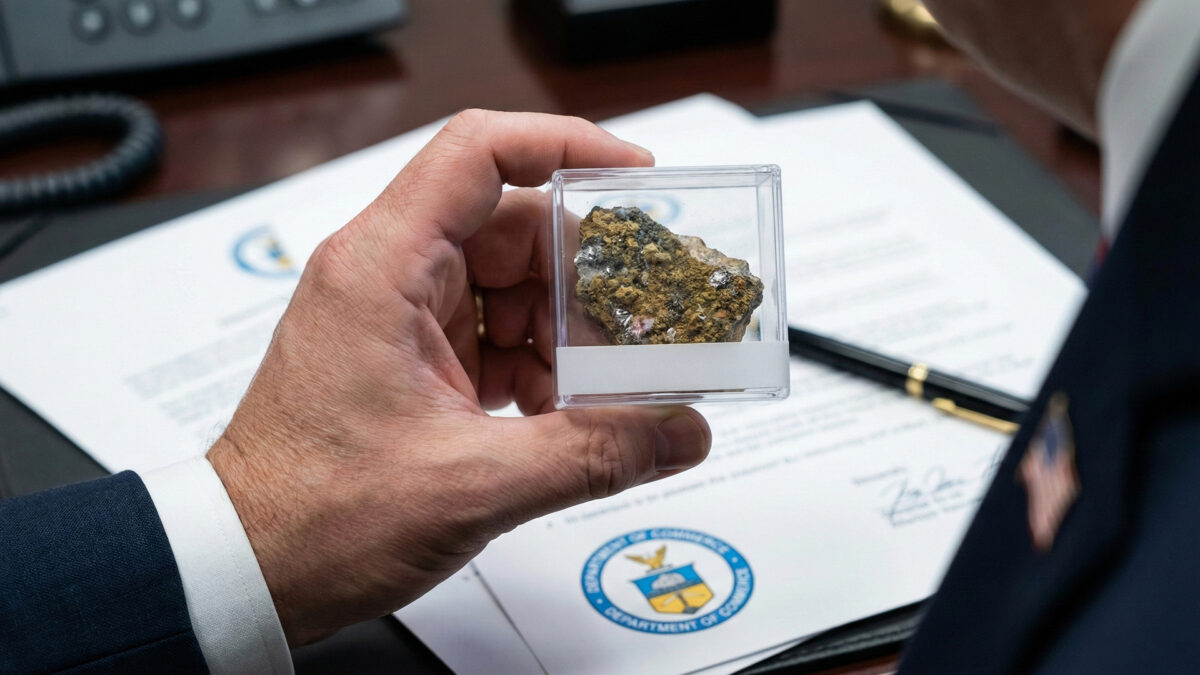
The Trump administration has moved to strengthen domestic supply chains for critical minerals by agreeing to acquire a 10 per cent stake in USA Rare Earth in a deal valued at $1.6 billion, according to media reports.

The investment is part of a broader push to expand US-based rare earth mining and processing, reduce dependence on China, and secure materials vital for defence, clean energy, electric vehicles and advanced electronics.

Under the proposed arrangement, the US government will receive equity and warrants in USA Rare Earth, alongside providing significant debt financing. Reports indicate that the funding package includes about $1.3 billion in federal loans, with the remaining amount coming through direct equity participation. The financing is expected to be supported by federal programmes aimed at strengthening strategic industries.

USA Rare Earth is developing a rare earth mine at Sierra Blanca in Texas, in partnership with Texas Mineral Resources. The project is expected to begin production by 2028 and will focus on heavy rare earth elements, which are especially important for defence and high-performance technologies.

In parallel, the company is setting up a magnet manufacturing facility in Stillwater, Oklahoma, scheduled to start operations later this year. The plant will produce permanent magnets used in electric motors, wind turbines, military equipment and consumer electronics. Together, the mine and magnet facility are designed to create a fully domestic “mine-to-magnet” supply chain.

Rare earth elements consist of 17 minerals that are critical to modern technology but are largely processed and refined in China, which currently dominates global supply. US officials have repeatedly warned that this concentration poses economic and national security risks.

The investment in USA Rare Earth marks one of the largest federal interventions in the rare earth sector so far. It follows similar government actions aimed at supporting critical mineral producers and ensuring long-term supply security.
Also Read: Samsung nears Nvidia approval for HBM4 AI chips

Categories
Beyond

India’s rare earth reserves high, production still low

India ranks third globally in rare earth reserves, with approximately 6.9 million tonnes of rare earth oxides (REO), trailing only China and Brazil. Despite this, the country’s actual production is extremely low, highlighting a wide gap between its resource potential and output.

In 2024, India produced just 2,900 tonnes of rare earth elements (REEs), placing it seventh in global production rankings, far behind China, which produced about 270,000 tonnes, and the United States at roughly 45,000 tonnes. Other moderate producers include Myanmar, Australia, Thailand, and Nigeria, each producing around 13,000 tonnes. India’s global share in rare earth production is below 1%, despite accounting for 6–7% of global reserves.

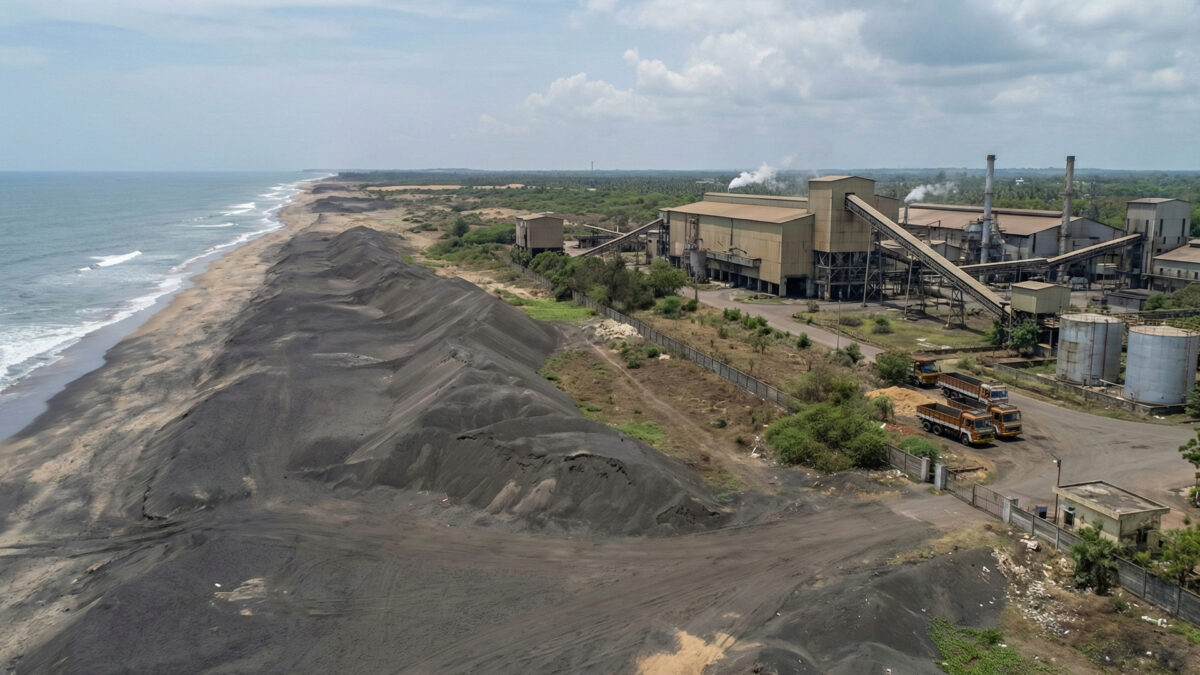
The report identifies several factors behind this underperformance. Most of India’s reserves are in monazite-rich coastal sands, which contain thorium, a radioactive element. This has led to strict regulatory controls, slowing exploration and extraction. Historically, rare earth mining was largely conducted by Indian Rare Earths Limited (IREL), where rare earths were treated as by-products rather than strategic resources, limiting focused development.

Another major constraint is processing capacity. Global rare earth refining is dominated by China, which controls around 90% of processing capacity, particularly for heavy rare earths used in advanced technologies. India lacks sufficient processing infrastructure, meaning most extracted material cannot be refined domestically. This dependence on imports limits value addition and prevents India from establishing a complete REE value chain.

Some steps are being taken to improve the situation. For instance, a Japan-linked joint venture in Visakhapatnam aims to develop rare earth processing capabilities. However, industry experts note that progress remains slow.

Analysts emphasize that without regulatory reform, investment in refining, and a comprehensive domestic value chain, India will continue to underutilize its large reserves. Unlocking the potential of rare earths is seen as crucial for India’s technological self-reliance and competitiveness in global high-tech industries, including electric vehicles, renewable energy, and electronics.

Also Read: BEL bags Rs. 569 cr defence orders