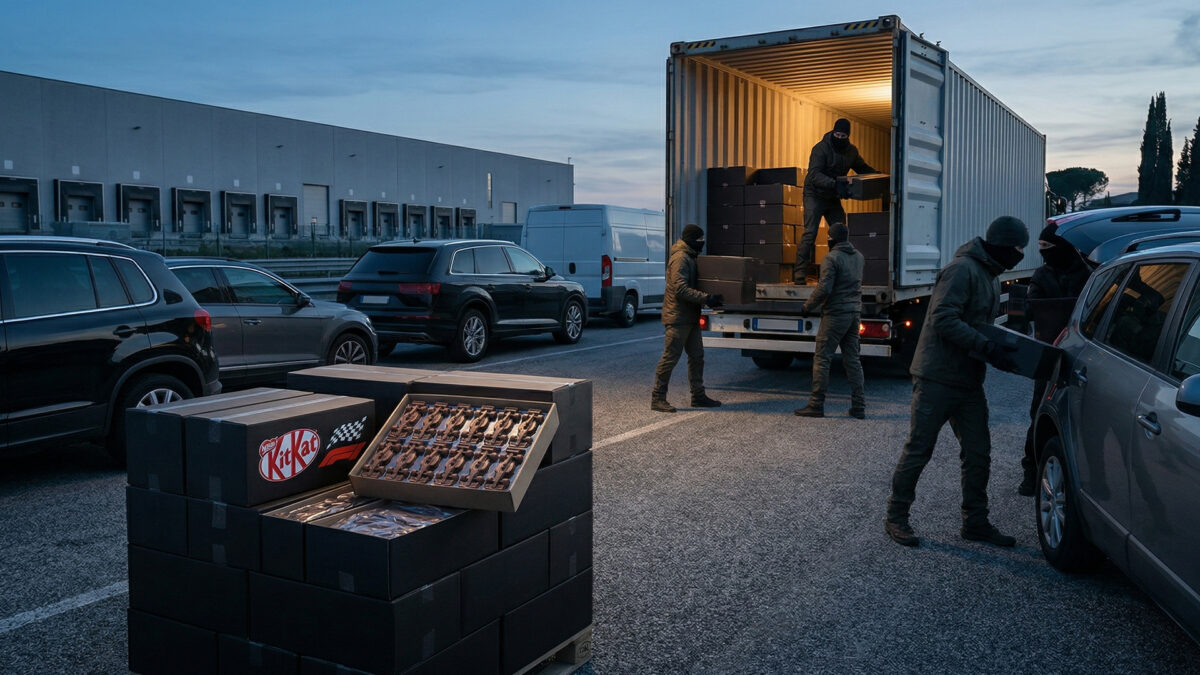
In an unusual theft, about 12 tonnes of KitKat chocolate bars were stolen in Europe while being transported from Italy to Poland. The shipment, owned by Nestlé, contained nearly 4.13 lakh chocolate bars and is still missing.
The incident happened when a truck carrying the chocolates left a factory in Italy for delivery. During the journey, the truck disappeared, and both the vehicle and its cargo have not been traced so far. Authorities are investigating the case to find out what happened and recover the stolen goods.
The stolen chocolates were part of a special range of KitKat bars, including limited-edition products. This has made the loss more significant for the company.
Nestlé responded to the incident with a mix of humour and concern. In a light-hearted remark, the company said it “appreciates the criminals’ exceptional taste.” At the same time, it raised a serious issue, pointing out that cargo theft is becoming more common and better organised across transport networks.
Despite the theft, Nestlé has assured customers that there is no risk to consumer safety. The company also said that the overall supply of KitKat chocolates in the market will not be affected by this incident.
To prevent misuse of the stolen products, Nestlé warned that the chocolates could appear in unofficial or illegal markets. Each KitKat bar has a unique batch code, which can help identify whether it belongs to the stolen shipment. The company has advised retailers and consumers to stay alert and report any suspicious products.
Nestlé is working closely with police and supply chain partners to investigate the theft and recover the missing chocolates.
Also Read: Vedanta plans major split into five firms