Categories
Beyond

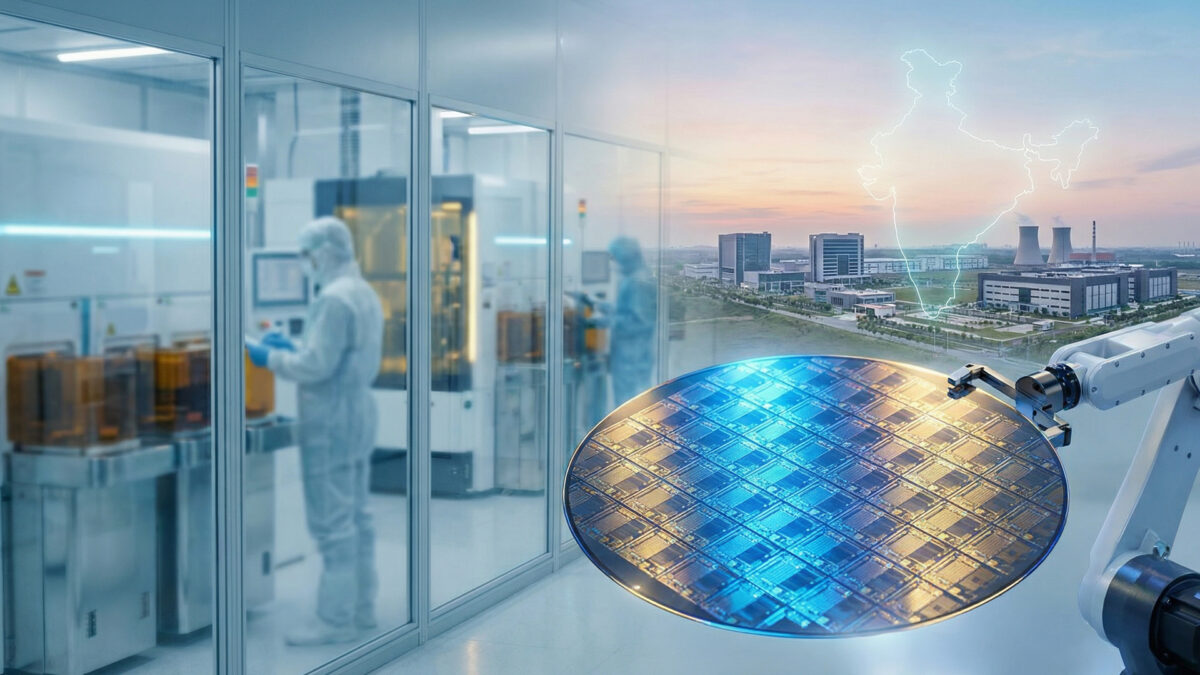
India aims to match US in chipmaking by 2032

Union Minister Ashwini Vaishnaw has said that India’s semiconductor industry will be on par with the United States by 2031–2032, supported by the government’s $10-billion chipmaking incentive programme.

Speaking about the progress made in the past three years, the minister said India has created the essential foundation for a complete semiconductor ecosystem. This includes manufacturing facilities, advanced packaging units, testing centres and growing capabilities in chip design.

Vaishnaw said three semiconductor plants approved by the government are on track to begin commercial production early next year. Global and domestic companies such as Micron Technology and the Tata Group are already setting up major facilities in the country.

According to the minister, India’s strengths lie in its large engineering talent pool and rapidly developing design expertise. He described the global chip competition as a “fair race” and said India is now moving at the right pace to catch up with leading nations.

He added that the worldwide push for “digital sovereignty”, where countries aim to control their own technology supply chains, further supports India’s long-term semiconductor goals.

Also Read: NHAI opens public investment route for national highways
Categories
Beyond

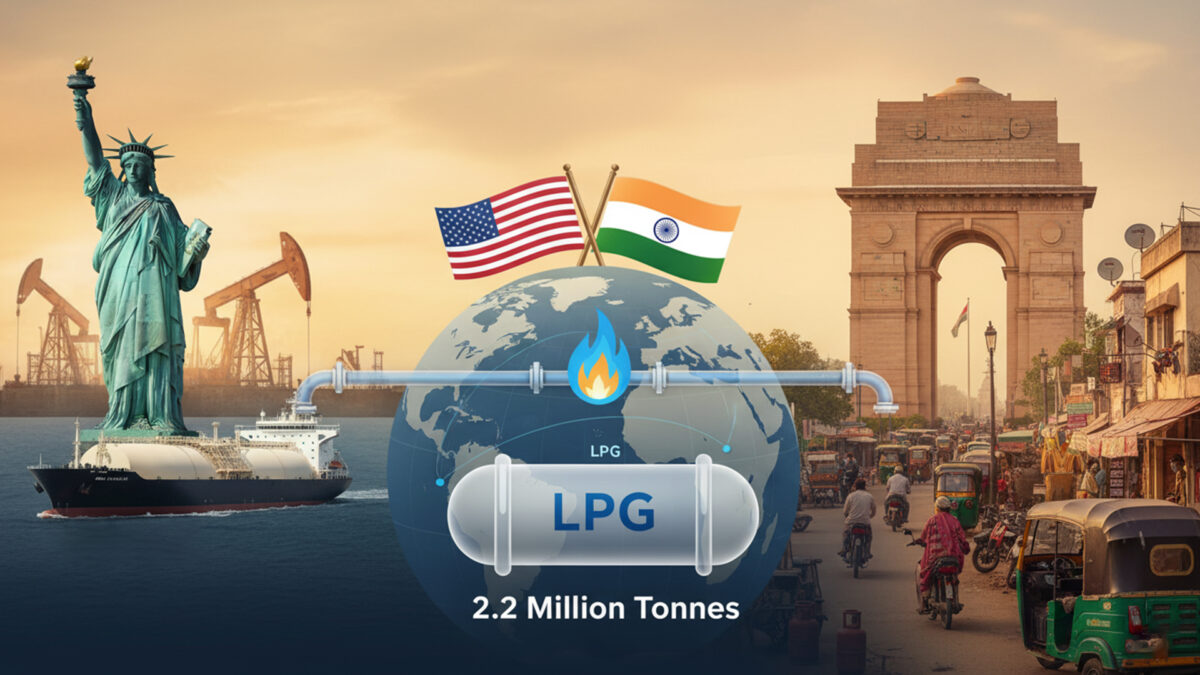
India signs first LPG deal with US

India has signed its first-ever structured deal to import liquefied petroleum gas (LPG) from the United States, marking a major step in diversifying the country’s energy supply. The one-year agreement will see state-owned oil companies bring in 2.2 million tonnes of LPG from the U.S. Gulf Coast during the 2026 contract year, which accounts for nearly 10% of India’s total annual LPG imports.

Union Petroleum Minister Hardeep Singh Puri described the deal as “historic,” emphasizing that it ensures a secure and affordable supply of LPG for Indian households. The agreement was negotiated after Indian Oil Corporation (IOC), Bharat Petroleum (BPCL), and Hindustan Petroleum (HPCL) delegations met with US producers to finalize terms.

The contract will use the Mont Belvieu price benchmark, a standard reference point in the global LPG market, helping India manage costs effectively. Analysts say this move also reduces India’s dependence on traditional suppliers from the Middle East, enhancing energy security.

India’s domestic LPG demand is growing rapidly, partly due to the Pradhan Mantri Ujjwala Yojana, which provides subsidized gas connections to low-income families. Even with global LPG prices surging by more than 60% last year, Ujjwala beneficiaries continued to pay much lower rates per cylinder, while the government absorbed the difference to shield households from price shocks.

This deal could also strengthen long-term energy cooperation between India and the U.S., and pave the way for more structured agreements in the future. By securing a significant portion of its LPG needs from a reliable source, India aims to stabilize supply and prices amid global market fluctuations, ensuring continued access to clean cooking fuel for millions of families.

Also Read: External Affairs minister meets Qatar leaders

Categories
1 Minute-Read

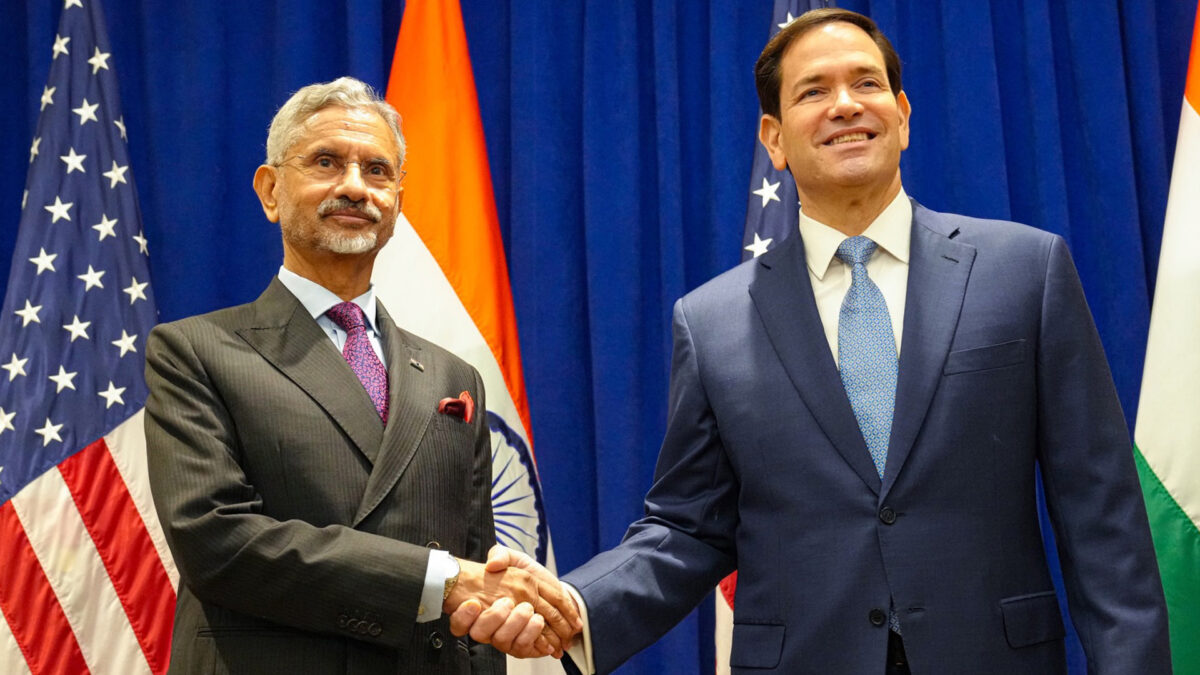
Jaishankar meets Rubio at G7, India-US ties strengthen

India’s External Affairs Minister S. Jaishankar met the US Secretary of State Marco Rubio on the sidelines of the G7 foreign ministers’ meeting in Canada.

The leaders discussed enhancing trade, strengthening supply chains, and boosting cooperation in the Indo-Pacific region. Global challenges, including the conflicts in Ukraine and the Middle East, were also on the agenda.

Rubio expressed condolences over the recent Delhi blast, which Jaishankar acknowledged. The meeting reflects growing India-U.S. collaboration on economic, security, and strategic issues amid shifting global dynamics.

Categories
Beyond

India-US trade deal nears completion

India and the US are on the verge of sealing a major trade agreement that could reshape bilateral commerce. Indian Commerce Minister Piyush Goyal described the deal as “fair, equitable and balanced,” emphasizing India’s focus on protecting domestic interests. While talks are largely complete, no fixed timeline has been set for signing.

US President Donald Trump acknowledged that tariffs on Indian goods are high and indicated plans to reduce them, describing a “fair deal” as close at hand. The agreement targets raising trade from the current $191 billion to approximately $500 billion by 2030.

Key sectors, including agriculture, dairy, and worker welfare, are central to India’s negotiating stance. So far, five official rounds of discussions have been held, involving top Indian officials, including External Affairs Minister S. Jaishankar. India is also exploring new markets in the Gulf and Russia to expand trade outreach.

If finalised, the deal is expected to strengthen economic ties, increase exports, and ease trade barriers, while ensuring domestic industries remain protected.

Also Read: Groww IPO lists at 12% premium