Categories
Beyond

HAL shares drop 8% after key fighter jet program setback

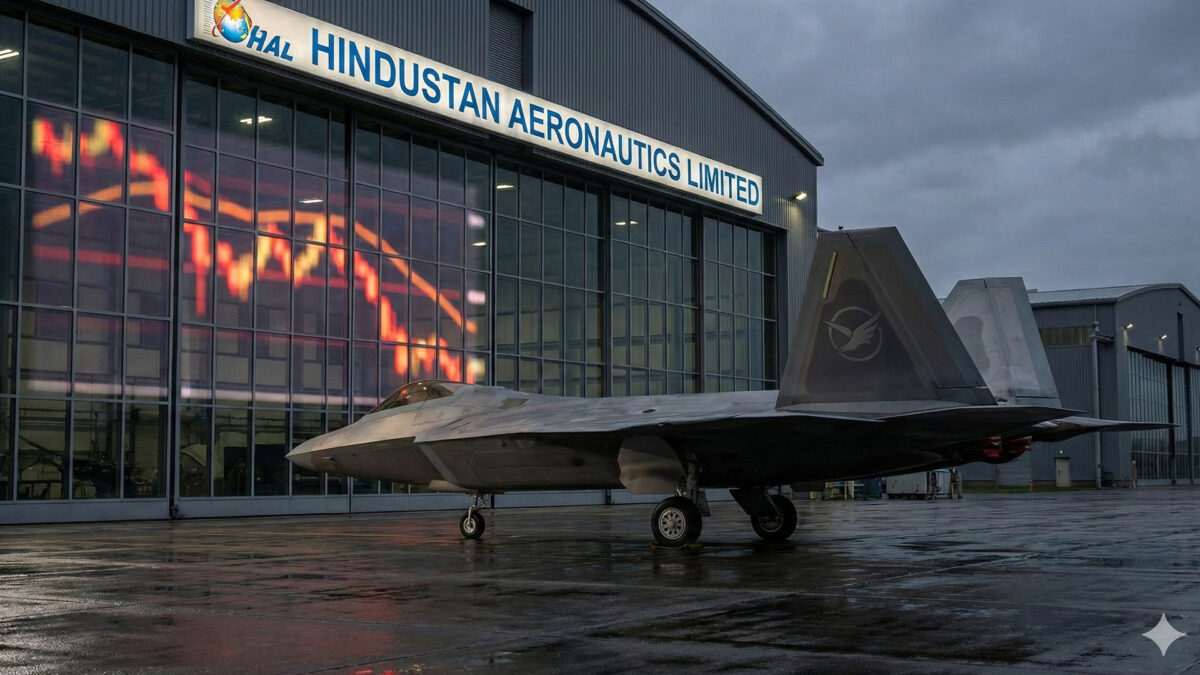
Shares of Hindustan Aeronautics Ltd (HAL) fell nearly 8% on Wednesday after reports confirmed that the company was not shortlisted for India’s Advanced Medium Combat Aircraft (AMCA) programme. The drop reflects investor concerns over HAL’s growth prospects amid rising competition in the defence sector.

The AMCA is India’s ambitious fifth-generation stealth fighter jet project, expected to strengthen the country’s air combat capabilities by the mid-2030s. Initially, HAL was considered the frontrunner to lead the programme, given its long-standing experience in aircraft manufacturing. However, the government shortlisted private players such as Larsen & Toubro, Bharat Forge, and Tata Advanced Systems to develop prototypes, leaving HAL out of the initial phase.

It is said that HAL’s exclusion signals a shift in India’s defence strategy, which increasingly encourages private sector participation under the Atmanirbhar Bharat initiative. While HAL remains a key PSU in defence manufacturing, missing out on the AMCA programme could impact near-term revenue visibility and investor sentiment.

HAL shares opened lower and quickly slid to intraday lows, reflecting uncertainty in the market. Other defence stocks showed mixed trends, with the sector digesting the news of greater private competition. Analysts note that while HAL’s long-term position remains strong, the company will need to adapt to new competitive pressures and evolving procurement norms to maintain its market share.

Also Read: SEBI rules out immediate futures and options curbs
Categories
Beyond

HAL flies Dhruv NG for first time

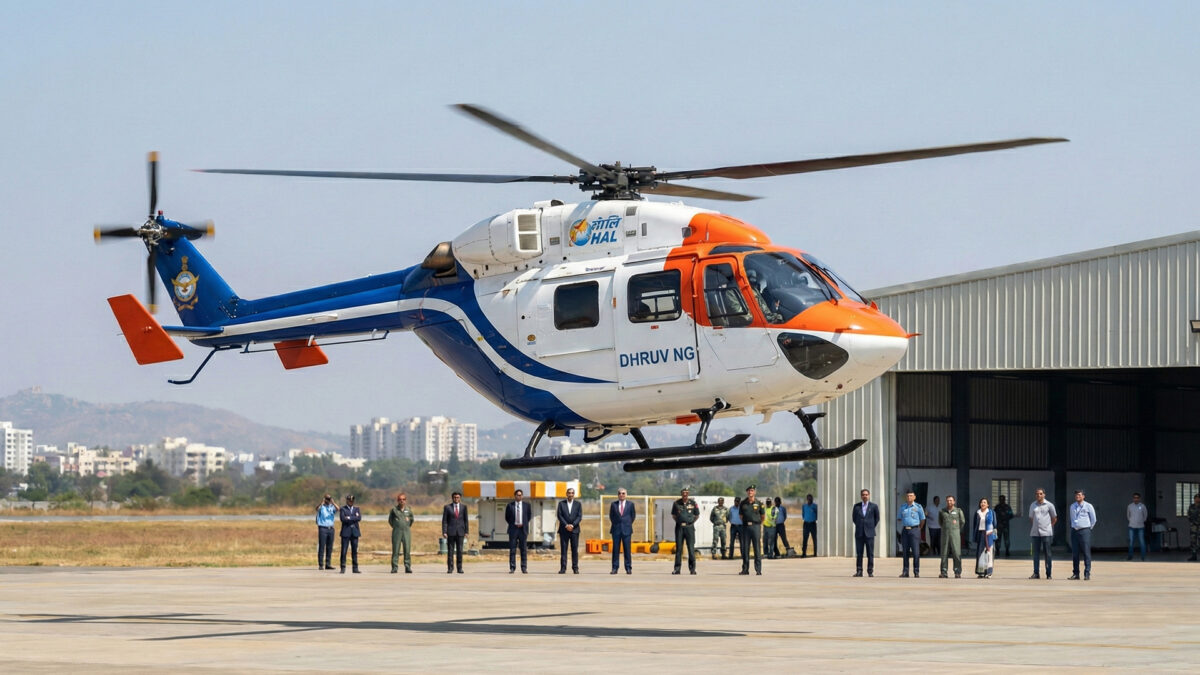
India’s civil aviation sector received a boost as Hindustan Aeronautics Limited (HAL) conducted the maiden flight of its Advanced Light Helicopter Dhruv New Generation (NG) in Bengaluru. The successful flight marks a major step forward in the development of indigenous rotary-wing platforms for civilian use.

The inaugural flight was flagged off by Union Civil Aviation Minister Ram Mohan Naidu, underlining the government’s support for domestically designed and manufactured aircraft. The event was witnessed by senior HAL officials and engineers involved in the helicopter’s development.

The Dhruv NG is a multi-role, twin-engine helicopter designed to meet the requirements of India’s civil and utility aviation sectors. Weighing 5.5 tonnes, it has been developed to handle diverse missions while offering modern technology, enhanced safety and improved passenger comfort.

One of the key upgrades in the Dhruv NG is the use of twin Shakti 1H1C engines, which deliver better performance and allow easier maintenance within the country. The helicopter features a fully civil-certified glass cockpit with a modern avionics suite, improving operational efficiency and reducing pilot fatigue. Additional safety systems include crashworthy seating and self-sealing fuel tanks.

The helicopter’s performance capabilities include a top speed of around 285 kmph, an operational range of approximately 630 km, and an endurance of nearly four hours. It can operate at altitudes of up to 6,000 metres and carry an internal payload of around 1,000 kg, making it suitable for demanding environments.

The Dhruv NG’s cabin can be configured for various roles. It can carry up to 14 passengers, while VIP and VVIP layouts offer spacious seating for four to six occupants. In the air ambulance configuration, it can carry four stretchers along with doctors and medical equipment.

HAL said the Dhruv NG is intended for emergency medical services, offshore logistics, disaster management, law enforcement and executive transport. The successful maiden flight highlights India’s growing capabilities in civil helicopter design and manufacturing, and strengthens HAL’s presence in the global civilian rotorcraft market.

Also Read: OpenAI offers Rs 5 crore AI safety job

Categories
Corporate

HAL, GE ink $1 billion deal for 113 Tejas engines

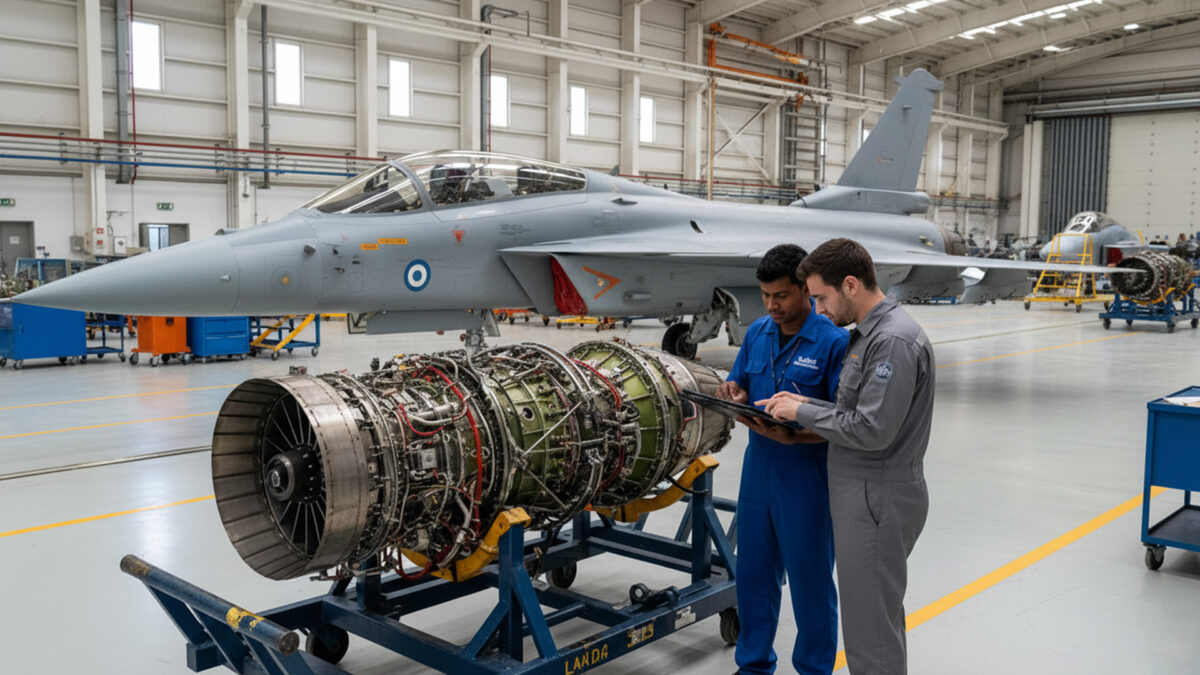
India’s public-sector aircraft maker Hindustan Aeronautics Limited (HAL) has signed a $1 billion (₹8,900 crore) deal with US aerospace major General Electric (GE) to supply 113 jet engines for the Tejas Mk-1A fighter jets.

The engines will be delivered between 2027 and 2032, adding to an earlier 2021 order for 99 engines. HAL officials said 11 Tejas jets are ready, including four already fitted with GE engines, and the company aims to deliver 10 aircraft to the Indian Air Force by March next year.

The Tejas programme, which had faced delays due to engine shortages, weapon-integration trials, and radar certification, is expected to gain momentum with this agreement. The new supply will help boost Tejas production and strengthen India’s airpower at a time when the IAF’s fighter strength is below target.

The deal also marks a boost in India–U.S. defence cooperation, reflecting growing trust and shared strategic interests despite past trade frictions.

Also Read: US Visa rules toughen for health cases