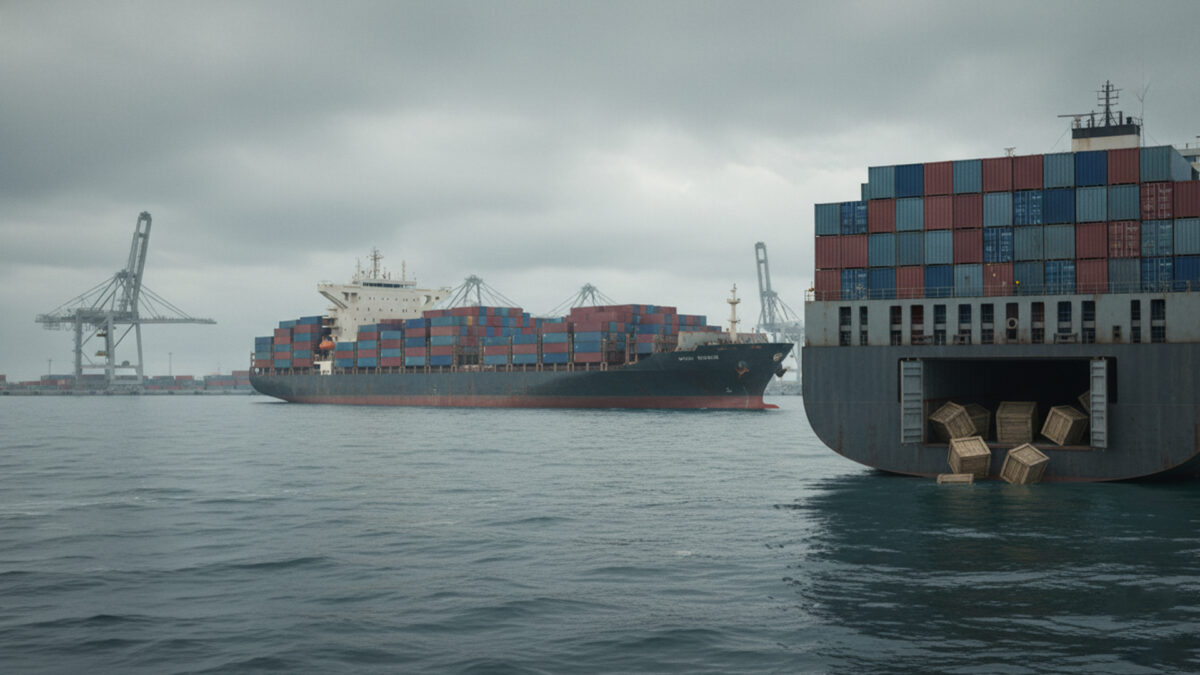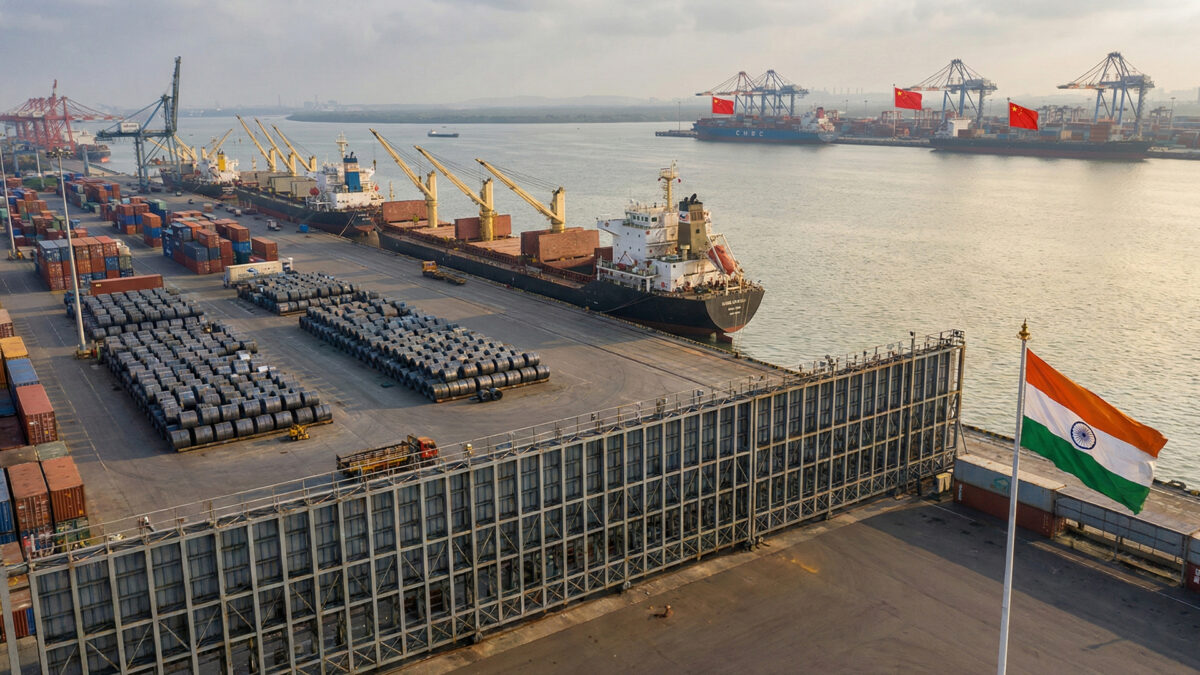
India has imposed a safeguard duty on select steel products for a period of three years to curb the inflow of low-priced imports that have been affecting domestic manufacturers. The move follows a detailed investigation that found a sharp rise in steel imports, particularly from China, causing stress to India’s steel industry.
Under the new notification, imports of certain non-alloy and alloy steel products will attract a duty of 12% in the first year. This will be gradually reduced to 11.5% in the second year and 11% in the third year. The graded structure is intended to give domestic producers time to stabilise operations while ensuring fair competition in the market.
The safeguard duty was recommended by the Directorate General of Trade Remedies (DGTR), which concluded that the surge in imports was sudden and significant, posing a risk of serious injury to Indian steelmakers. Industry bodies had flagged concerns that cheap steel shipments were undercutting local prices, impacting profitability and capacity utilisation across the sector.
While the measure is largely targeted at imports from China, it will also apply to steel inflows from countries such as Vietnam and Nepal. However, imports from certain developing nations have been exempted in line with global trade rules. High-end and specialty steel products, including stainless steel, are not covered under the duty.
The decision comes after a temporary 200-day safeguard duty imposed earlier this year expired in November. With India being the world’s second-largest steel producer, the government has emphasised the need to protect domestic manufacturing, jobs and long-term investment in the sector, while maintaining stable supply for downstream industries.
Also Read: India moves up to 4th spot in global economy rankings