
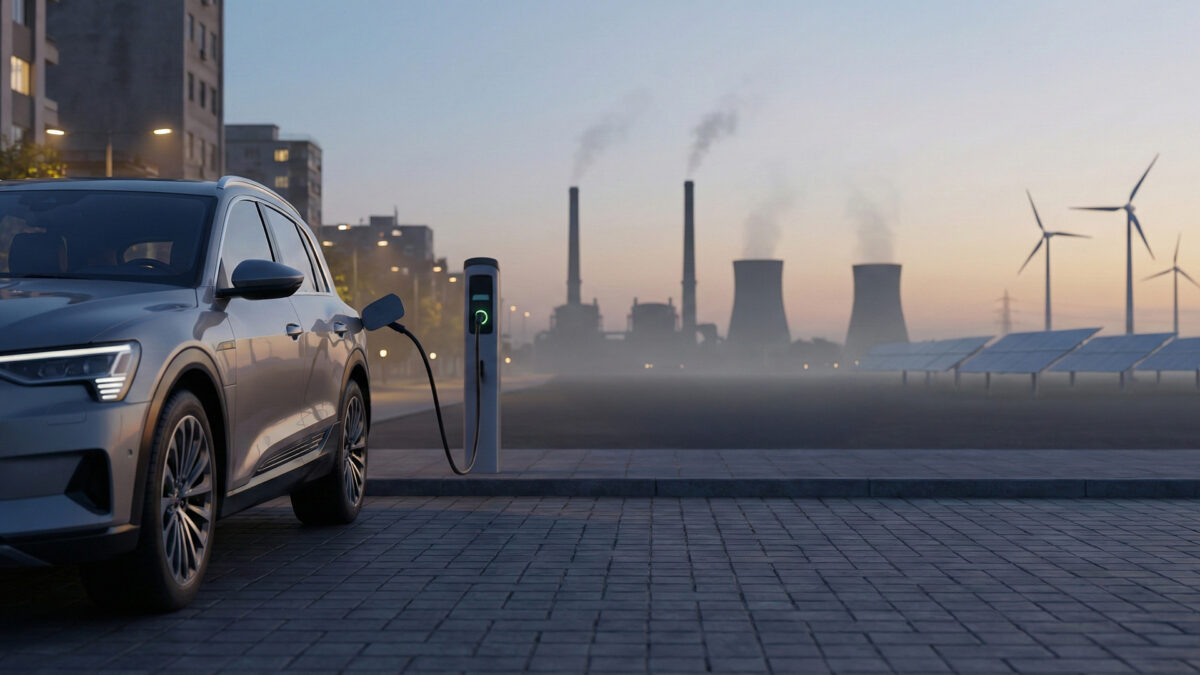
Electric vehicles in India may no longer be treated as “zero-emission” under the upcoming Corporate Average Fuel Efficiency (CAFE-III) norms, as the government considers a new method to measure their environmental impact.
At present, EVs are classified as zero-emission because they do not produce exhaust fumes. However, officials are now discussing whether they should be evaluated based on how much energy they consume and how that electricity is generated. This means emissions from power production used to charge EVs could also be taken into account.
The issue has reached the Prime Minister’s Office, which has stepped in to review the proposal after differences emerged between government departments and concerns were raised by the auto industry.
The new CAFE-III norms, expected to be implemented from 2027, will set stricter fuel-efficiency and carbon-emission targets for passenger vehicles. The aim is to push carmakers to improve overall efficiency across their vehicle fleets.
Some officials believe removing the zero-emission tag will create a fair and technology-neutral system that rewards real efficiency, whether the vehicle runs on petrol, diesel, hybrid or electric power. Others worry that such a move could slow down EV adoption by weakening the strong policy support the sector currently enjoys.
Automakers are also seeking clarity, as any major change in the rules could affect their future investments and product plans in the fast-growing electric-vehicle market.
The government is now looking for a balanced approach that supports India’s clean-mobility goals while ensuring the new norms are based on a more realistic assessment of emissions.
If the proposal is approved, EV makers will have to focus not only on selling electric cars but also on improving their energy efficiency.