Categories
Corporate

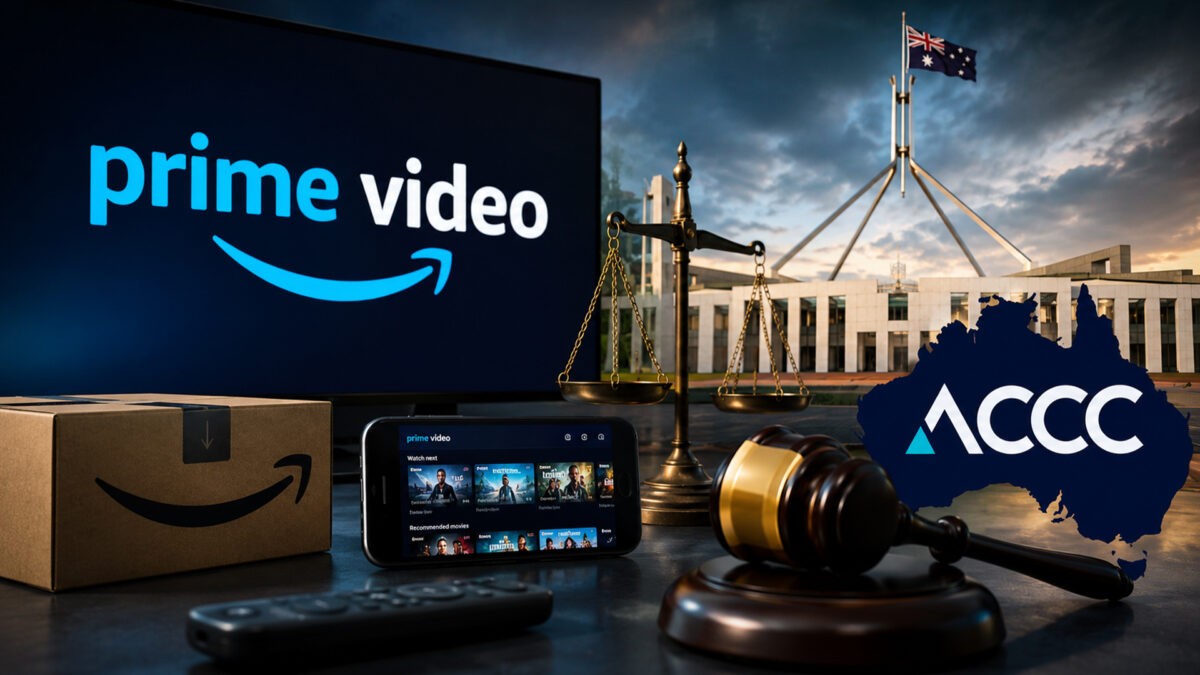
Amazon faces Australia lawsuit over Prime video

Australia’s consumer watchdog has filed legal proceedings against Amazon, alleging that changes to its Prime Video subscription service misled customers and forced them to pay extra to continue watching content without advertisements.

The Australian Competition and Consumer Commission (ACCC) claims Amazon introduced advertisements on Prime Video for existing subscribers without adequately informing them that ad-free viewing would now require an additional payment. According to the regulator, customers who had originally signed up expecting uninterrupted streaming were left with two choices, accept advertisements or pay an extra fee to remove them.

The ACCC argues that the changes may have breached Australian consumer laws by altering the terms of the subscription after customers had already signed up. It alleges that Amazon’s approach created unfair contract terms and potentially misled consumers about the benefits included in their existing Prime memberships.

The regulator has approached the Federal Court, seeking penalties, declarations and other orders against Amazon. It also wants the court to ensure that affected consumers receive appropriate remedies if the company is found to have violated consumer protection laws.

Amazon has defended the move, saying it remains committed to complying with local laws and providing value to customers. The company is expected to respond to the allegations through the legal process.

The case centres on Amazon’s decision to introduce advertisements on Prime Video while offering an optional premium tier for ad-free streaming at an additional cost. Similar changes have been rolled out in several countries as streaming platforms look for new revenue sources amid rising content and production costs.

Also Read: SEBI bars 221 entities in ₹144-cr stock scam

Categories
1 Minute-Read

Australia unemployment rises to highest level

Australia’s unemployment rate rose to its highest level since 2021 in April, according to official data, signalling a cooling labour market. The jobless rate increased as employment growth slowed and fewer new jobs were added compared to previous months.

Analysts said the rise reflects weaker hiring momentum across several sectors, even though the overall economy remains stable.

The data suggests that employers are becoming more cautious amid global economic uncertainty and higher interest rates. Despite the uptick in unemployment, participation in the labour force remained steady, indicating continued interest in jobs among workers across the country.

Categories
Beyond

Australia plans 2% big tech news levy

Australia has unveiled a new proposal that would require major technology companies to financially support local journalism or face a levy on their revenue. The plan targets large digital platforms such as Google, Meta and TikTok, which play a major role in how people access news online.

Under the proposal, eligible tech companies would have to either sign commercial agreements with Australian media organisations or pay a 2.25% levy on their local revenue. The government says the measure is designed to ensure journalism is fairly funded in the digital age.

Prime Minister Anthony Albanese said strong journalism is essential for democracy and local communities. He noted that many Australians now discover news through search engines and social media, making it reasonable for platforms benefiting from news content to contribute financially.

The new system is meant to encourage direct deals between tech firms and publishers rather than simply collect a tax. Companies that reach agreements with local media outlets could avoid paying the levy. Any money raised would be used to support Australia’s news industry.

Australia was one of the first countries to introduce rules requiring digital platforms to negotiate with publishers over payment for news content. Those laws led to several high-profile deals in recent years, but the government now says the system needs to be updated as the digital market has changed.

The latest move has received mixed reactions. Media organisations welcomed the proposal, saying it could help protect public-interest journalism and support newsroom jobs at a time when many outlets are under financial pressure.

Technology companies, however, have criticised the plan. Some argue that platforms already drive traffic to publishers and should not be forced to pay additional charges. They also warn that such measures could affect how news is shared online.

The proposal is expected to be debated in parliament before any final decision is taken. If passed, Australia could once again become a global test case for regulating the relationship between big technology firms and traditional news media.

Also Read: RBI brings new rules for bank loan losses