Categories
Corporate

Emirates NBD’s Takeover of RBL Bank Marks Largest FDI in Indian Banking

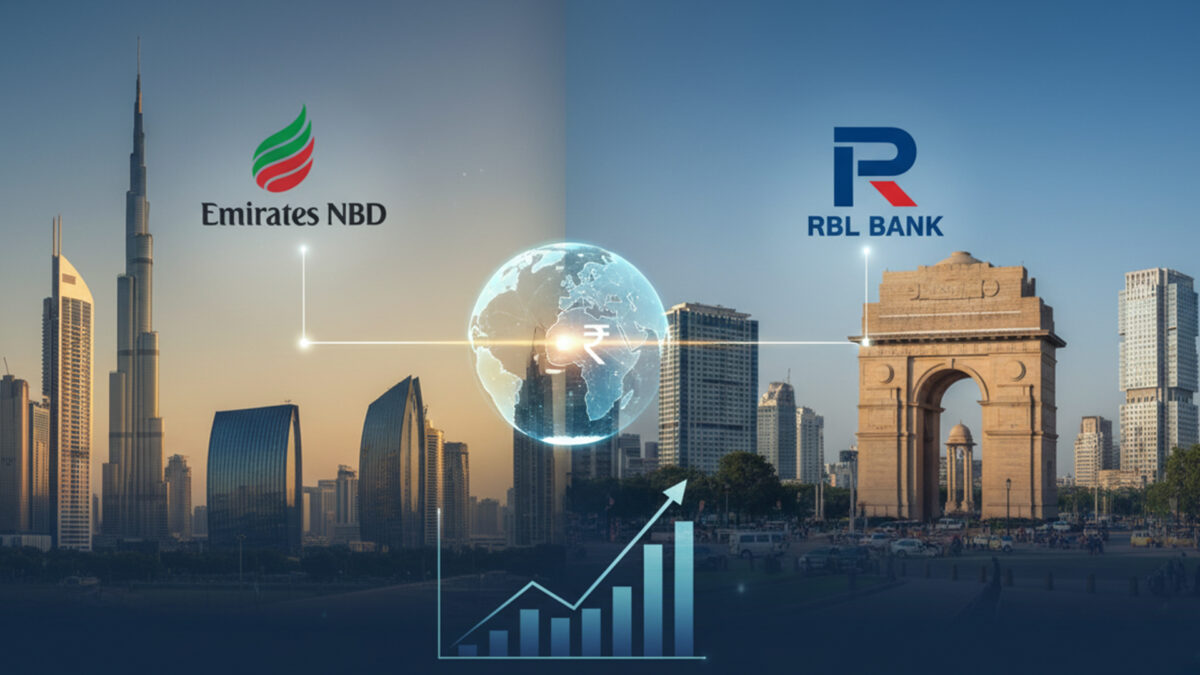
In a landmark move for India’s financial sector, Emirates NBD Bank (ENBD) and RBL Bank announced simultaneous board approvals on October 18, agreeing to definitive documentation under which ENBD will acquire a controlling stake of up to 60 percent in RBL Bank via a preferential share infusion of about USD 3 billion (about INR 26,850 crore).

The deal will also trigger a mandatory open offer for up to 26 percent of public shareholdings under the norms of the Securities and Exchange Board of India (SEBI) takeover regime.

The agreement is described in the joint announcement as the largest-ever foreign direct investment (FDI) in India’s financial services sector, the largest equity raise in the Indian banking realm, and—via preferential issuance by a listed company—the largest such capital raise of its kind.

It also marks the first time a foreign bank has committed to acquiring a majority interest in a profitable Indian private sector bank.

Against this backdrop, the transaction underscores ENBD’s long-term strategic commitment to the Indian market and signals a new era of cross-border banking partnerships in South Asia.

For ENBD, a major Middle East banking group with assets of approximately USD 296 billion as of June 30, 2025, the deal aligns with its international expansion agenda.

The bank already operates in India through three branches in Mumbai, Gurugram, and Chennai, and had secured an in-principle approval from the Reserve Bank of India (RBI) earlier in the year to convert to a wholly owned subsidiary in India.

RBL Bank brings to the table pan-India retail, wholesale, and digital capabilities with roughly 15 million customers served through 564 branches and 1,347 business-correspondent locations as of September 30, 2025, and has seen steady growth in advances, deposits, and its balance sheet over recent years.

From RBL Bank’s perspective, the infusion will significantly bolster its capital base, provide long-term growth funds, and enable it to scale its retail deposit franchise, expand its branch network, and deepen product offerings.

The plan also calls for the amalgamation of ENBD’s Indian branch operations into RBL Bank following the preferential issuance, in line with RBI guidelines under Section 44A of the Banking Regulation Act.

Regulatory mechanics remain critical. The structure envisages a preferential allotment of new shares to ENBD at ₹280 each, thereby constituting the 60 percent stake in the enlarged equity.

A mandatory open offer will follow; should the combined stake exceed the prescribed limits under foreign investment norms.

India allows up to 74 percent foreign ownership in private banks, with any single foreign entity typically subject to a 15 percent cap unless exempted.

Strategically, this transaction marks a pivot for the Indian banking landscape.

Market analysts suggest that the ENBD-RBL deal could open the floodgates for further foreign capital inflows and strategic partnerships in the mid-sized and growing Indian banking sector.

For ENBD, the investment reinforces its role in the India–Middle East–Europe Economic Corridor (IMEC) and amplifies its capabilities in trade finance, treasury, payments, and cross-border flows, leveraging RBL’s domestic presence.

For RBL Bank, the combined franchise offers access to global banking expertise, digital capabilities, and higher-rated corporate flows.

For investors and analysts, key takeaways include the enhanced capitalisation of RBL, with its net worth expected to rise toward INR 42,000 crore per brokerage estimates, and improved growth opportunities across retail, SME, corporate, and wealth segments.

However, execution will depend on obtaining regulatory approvals from the RBI, SEBI, the Department for Promotion of Industry and Internal Trade (DPIIT), and the Competition Commission of India (CCI), among others, with deal completion expected within five to eight months.

In sum, this landmark investment by Emirates NBD into RBL Bank is more than a capital infusion—it signals India’s growing openness to large foreign-bank participation and sets the stage for a new phase of consolidation and global banking alliances in India’s financial services sector.

Also Read: Embraer Opens India Office, Partners with Mahindra on C-390 Aircraft

Categories
Corporate

Hindustan Zinc Q2 Profit Climbs 14% to ₹2,649 Crore

Hindustan Zinc showed a rise in the second quarter of FY26 with a solid financial showing, reporting a 14% jump in net profit to ₹2,649 crore compared to ₹2,327 crore a year earlier. While revenue growth was more modest, ticking up by 3.5-4% to between ₹8,282 crore and ₹8,549 crore, it signals steady business momentum amid ongoing market challenges.

The company’s focus on controlling costs paid off, keeping expenses around ₹5,245 crore and lifting profit margins to a healthy 31%, up from 29% last year. Operational efficiency clearly took centre stage, supporting sustained earnings growth.

Production hit a record 258,000 tonnes of mined metal in the quarter, a slight 1% rise year-on-year. Earnings before interest, tax, depreciation, and amortisation (EBITDA) grew 7% to ₹4,467 crore, with the EBITDA margin steady at an impressive 52%, underlining strong operational discipline.

Silver was a shining star this quarter, contributing nearly 40% of total profits and reinforcing its role as a key earnings pillar. Meanwhile, zinc production costs fell to a five-year low of USD 994 per tonne, down 7%, further cushioning margins and creating a competitive edge.

Management credits this success to ongoing investments in technology, operational upgrades, and a growing emphasis on sustainability practices. Looking forward, the company is exploring exciting new avenues such as waste-to-value projects, enhanced circular resource use, and the emerging sector of energy-transition metals.

Despite the upbeat earnings, the stock experienced a mild dip post-results, a light pause amid its generally strong trend, buoyed in part by rising silver prices lately.

Also Read: Jio, Retail Drive 14% Profit Growth for Reliance in Q2

Categories
Corporate

Jio, Retail Drive 14% Profit Growth for Reliance in Q2

Reliance Industries Ltd (RIL) delivered a strong performance in the second quarter of FY26, with consolidated net profit rising about 14% year-on-year to ₹22,140 crore. Growth was powered by continued strength across its oil-to-chemicals (O2C), telecom, and retail divisions.

Gross revenue rose 10% to ₹2.83 lakh crore, while operating profit (EBITDA) climbed nearly 15% to ₹50,367 crore, supported by improved margins from operational efficiencies and a favourable business mix.

Jio Platforms Ltd maintained its growth momentum, posting a 12.8% jump in net profit to ₹7,379 crore. Average revenue per user (ARPU) increased to ₹211.4, reflecting rising 5G adoption and new subscriber additions. More than 234 million users are now on its 5G network, accounting for half of all wireless data traffic.

Reliance Retail continued to expand aggressively, with revenue up nearly 19% and profit rising 21.9% year-on-year. The division added 412 new stores during the quarter, taking its footprint to 77.8 million sq ft across 19,821 outlets, boosted by demand in grocery, fashion, and electronics.

Chairman Mukesh Ambani said Reliance’s “resilient and broad-based performance” underscores its readiness for the next phase of growth across new energy, AI, media, and consumer technology. “Our businesses have delivered sustained momentum with strong domestic orientation,” he said.

The O2C segment posted modest revenue growth of 3.2% but saw a sharp 20.9% rise in EBITDA, thanks to firmer fuel margins and higher retail volumes. Downstream chemicals, however, remained under pressure from global oversupply.

Reliance’s oil and gas exploration business underperformed, with revenue slipping 2.6% due to lower production and softer condensate prices, though realized gas prices from the KG-D6 basin improved slightly.

Meanwhile, its digital and media arm JioStar saw profits more than double to ₹1,322 crore, reaching over 830 million users across platforms, a reflection of the group’s expanding digital ecosystem.

Capital expenditure rose to ₹40,010 crore, focused on telecom infrastructure, retail expansion, and renewable energy projects. Net debt stood at ₹1.18 lakh crore, while cash reserves increased to ₹2.3 lakh crore.

Also Read: Embraer Opens India Office, Partners with Mahindra on C-390 Aircraft

Categories
Corporate

Embraer Opens India Office, Partners with Mahindra on C-390 Aircraft

Brazilian aerospace company Embraer has officially opened its new office in New Delhi, marking a significant step in its commitment to the Indian market. Embraer also signed a strategic cooperation agreement with India’s Mahindra Group to jointly develop and promote the C-390 Millennium military transport aircraft for the Indian Air Force’s Medium Transport Aircraft program.

Building on their previous partnership, the two companies aim to make India a regional hub for the C-390, focusing on local manufacturing, assembly, and maintenance. This move aligns closely with India’s ‘Make in India’ initiative and efforts to strengthen domestic defense production capabilities.

The C-390 Millennium is a versatile aircraft designed for a range of missions, including cargo transport, troop movement, medical evacuation, and firefighting. Known for its robust performance and ability to operate on short or unpaved runways, the C-390 is well-suited to meet India’s diverse defense needs.

This collaboration highlights growing international cooperation in defense and aerospace sectors, with Embraer emphasizing India’s central role in its global strategy.

Also Read: Cochin Shipyard Introduces 3 Vessels, Showcasing India’s Maritime Prowess

Categories
Corporate

Cochin Shipyard Introduces 3 Vessels, Showcasing India’s Maritime Prowess

India’s shipbuilding story has entered a new era of ambition and innovation. At Cochin Shipyard, three remarkable vessels have taken to the water, each one a striking symbol of the nation’s evolving maritime strength and technological maturity.

From safeguarding coastlines to harnessing green energy and deepening ports, these ships embody how India is reshaping its future at sea with homegrown expertise and vision.

Leading the trio is a formidable anti-submarine warfare craft for the Indian Navy. Fast, manoeuvrable, and outfitted with advanced sonar, torpedoes, and rockets, it fortifies India’s coastal defence capabilities with cutting-edge precision.

The second vessel is a hybrid-electric support ship built for offshore wind farms, a milestone in India’s clean energy drive. Featuring methanol-compatible engines and high-capacity battery packs, it merges sustainability with comfort, providing a quiet, efficient base for marine technicians.

Completing the lineup is the nation’s largest dredger, engineered to keep trade flowing through deepened ports and clear waterways. With enormous hopper capacity and powerful dredging systems, it strengthens India’s maritime infrastructure and economic resilience.

Together, these launches signal more than new additions to India’s fleet as they represent a confident nation steering its own maritime destiny, powered by innovation, sustainability, and strategic purpose.

Also Read: Adani’s Godda Plant Gets Grid Nod; Shares Surge 7%

Categories
Corporate

Adani’s Godda Plant Gets Grid Nod; Shares Surge 7%

The Union government has approved a key regulatory change that will allow Adani Power’s 1,600 MW Godda thermal plant in Jharkhand,  originally set up solely to supply electricity to Bangladesh, to now connect to India’s national power grid.

This marks a significant shift in the project’s mandate and unlocks the potential for Adani Power to supply electricity to Indian distribution companies (discoms), opening up a new domestic revenue stream.

The Ministry of Power issued the approval via a notification dated September 29, allowing the plant to link up with the 400 kV Kahalgaon–Maithon transmission line through a “line-in-line-out” (LILO) arrangement. The route will pass through 56 villages in the Godda and Poreyahat tehsils of Jharkhand.

Until now, the Godda plant operated under a Special Economic Zone (SEZ) structure with a binding power purchase agreement to export electricity exclusively to Bangladesh. The new move involved regulatory adjustments to accommodate cross-border electricity export rules, SEZ guidelines, and domestic transmission access.

To facilitate the grid connection, Adani Power has also been granted rights under the Indian Telegraph Act, enabling the company to lay transmission infrastructure across land parcels along the approved route.

The development was met with a positive response from investors, with Adani Power shares rising around 7% to hit a day’s high of ₹168 on the NSE on Friday, following the announcement.

Analysts see the approval as a long-term boost to the company’s operational flexibility and earnings potential. However, the project still faces ground-level challenges, including securing local clearances and managing the concerns of affected villages along the transmission line route.

The regulatory green light marks a new chapter for Adani Power and a notable shift in India’s energy policy landscape, although questions remain about when domestic supply will begin and whether it will take precedence over existing power exports to Bangladesh.

Also Read: Natco Pharma Triumphs Over Roche: SC Allows Generic SMA Drug Sale

Categories
Corporate

Natco Pharma Triumphs Over Roche: SC Allows Generic SMA Drug Sale

Shares of Natco Pharma rose on Friday following a significant legal victory in its ongoing patent dispute with Swiss pharmaceutical giant Roche.

The Supreme Court of India dismissed Roche’s plea to restrain Natco from manufacturing and selling a generic version of Risdiplam, a drug used to treat Spinal Muscular Atrophy (SMA).

Following the ruling, Natco Pharma’s shares rose, reflecting positive investor sentiment.As of 3:15 pm, the stock was up about 0.63% to ₹827.00, having reached a high of ₹847.90 earlier in the day.

The Court upheld the interim order issued by the Delhi High Court, allowing Natco to proceed with the production and sale of the generic drug.

A bench of Justices P.S. Narasimha and A.S. Chandurkar emphasized that their observations were limited to the interim nature of the High Court order and did not address the merits of the case.

The Supreme Court urged the Delhi High Court to expedite the hearing of Roche’s patent suit against Natco to ensure a timely resolution.

The bench noted that both the single bench and division bench of the Delhi High Court had already entered concurrent findings in favor of Natco.

Roche had argued that it held the patent for Risdiplam and that Natco’s generic version was developed through reverse engineering. The company highlighted its substantial investment in research and development, as well as global patent protection for the drug in over sixty countries.

Roche contended that granting an injunction was necessary to prevent potential infringement and protect its intellectual property rights. However, the Supreme Court declined to interfere with the interim order, stating that the balance of convenience did not justify halting Natco’s sale of the generic drug.

The approval of Natco’s generic Risdiplam marks a major breakthrough for patients in India. The generic drug is priced at ₹15,900 per 60 mg/80 ml bottle, a dramatic reduction from Roche’s original price of approximately ₹6 lakh.

This significant price difference is expected to make the life-saving treatment accessible to a far larger segment of patients suffering from SMA.

Patient advocacy groups and healthcare experts have welcomed the decision, highlighting its potential to reduce the financial burden on families affected by this rare and debilitating genetic disorder.

Despite this boost, the company has faced challenges in 2025, with its stock having declined by as much as 40% earlier in the year.

The legal victory may support a recovery in the company’s market performance and reinforce its position in the pharmaceutical sector.

The case also underscores the ongoing tension between intellectual property rights and public health considerations in India.

The Supreme Court’s decision could set a precedent for future disputes involving access to essential medications, particularly for rare diseases.

It highlights the judiciary’s role in balancing the protection of patent rights with the broader objective of ensuring affordable healthcare for patients.

Also Read: Jio Financial’s Q2 Profit Nears ₹700 Crore as Operating Income Surges

Categories
Corporate

Meta Closes $30 Billion Financing Deal for Its Hyperion Data Center

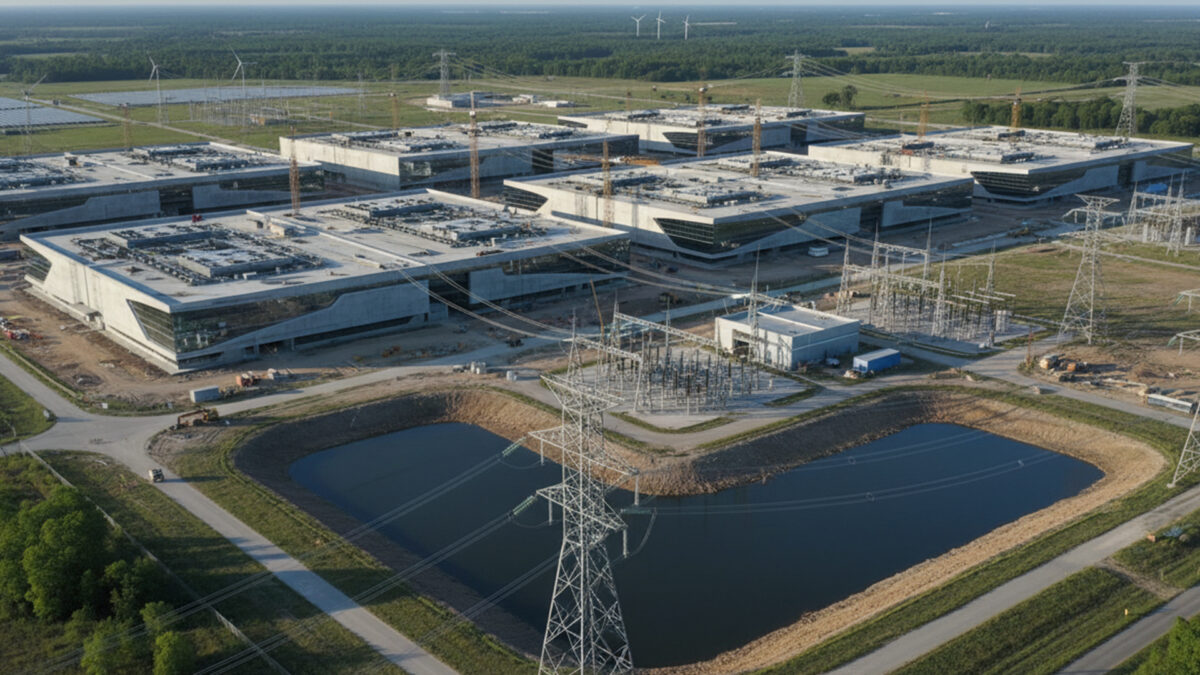
Meta Platforms has finalised a landmark financing package of approximately $30 billion to fund its Hyperion data center in Richland Parish, Louisiana—a move that could reshape how tech firms build AI infrastructure.

The transaction, reported on October 16 and 17 by multiple news outlets, marks the largest private capital deal ever structured in the technology and infrastructure sector.

Under the agreement, Meta and investment manager Blue Owl Capital will co-own the Hyperion site, with Meta retaining just a 20 percent stake and Blue Owl taking the majority share.

The deal is structured via a special purpose vehicle (SPV): Meta will not borrow the funds itself, but will act as the developer, operator and tenant of the data center. The SPV will carry more than $27 billion in debt and about $2.5 billion in equity, arranged by Morgan Stanley.

Pacific Investment Management Company (PIMCO) is anchoring much of the debt through 144A bond issuance. The bonds are being priced at roughly 225 basis points over U.S. Treasuries and carry an investment-grade A+ rating by S&P. (Morgan Stanley is the sole bookrunner.)

The Hyperion facility is expected to span nearly 4 million square feet and eventually draw as much as 5 gigawatts of power—enough to supply around four million U.S. homes—when fully operational by 2029.

The transaction structure allows Meta to deepen its AI compute capacity without burdening its balance sheet with direct debt. Analysts say this deal offers a model for hyperscalers seeking to scale infrastructure without weakening credit metrics.

Meta has been aggressively expanding its AI infrastructure this year. In August, the company tapped PIMCO and Blue Owl for a $29 billion financing plan to build out multiple compute hubs, including Hyperion and Prometheus.

The earlier arrangement would have combined $26 billion in debt and $3 billion in equity to drive Meta’s compute ambitions.

That earlier alignment underscores how long Meta has been negotiating with private credit markets to underwrite its infrastructure expansion.

The Hyperion deal comes at a time when hyperscalers are racing to scale AI systems across the U.S. and globally.

By structuring the financing off balance sheet, Meta is transferring much of the funding risk to institutional investors while retaining operational control.

Blue Owl and PIMCO, in turn, gain long-dated exposure to a physical asset serving as the engine for AI services.

Beyond the Louisiana project, Meta is pushing ahead on other data centers. The company recently announced a $1.5 billion investment in a new data center in El Paso, Texas, capable of scaling to 1 gigawatt.

That facility is expected to be operational by 2028. El Paso represents Meta’s 29th data center globally and its third in Texas. The new location was selected in part due to its strong electrical grid and workforce capabilities. Meta intends to match the energy used with 100 percent renewable sources and adopt water-efficient cooling systems to meet sustainability goals.

Meta’s CEO, Mark Zuckerberg, has publicly described a “supercluster” strategy: Prometheus is slated to go live in 2026 with over a gigawatt of compute, while Hyperion is designed to grow into a multi-gigawatt complex supporting Meta’s ambitions in large AI models, content inference, vision systems, and future applications.

He has also signaled intent to spend “hundreds of billions” in capital over time to underpin what Meta calls its superintelligence ambitions.

The sheer size of the Hyperion financing transaction underscores how capital markets are aligning behind AI infrastructure. The use of SPVs, long-dated bonds, and equity partnerships enables large-scale infrastructure development while giving investors access to stable, asset-backed returns.

However, the model carries risks: timely construction, technology execution, utility interconnection, real estate permitting, and macroeconomic interest rates could all pose challenges.

The closing of this deal not only cements Meta’s footprint in AI compute but also sets a precedent for how future exits in tech infrastructure may be funded.

As Cloud and AI competition intensifies among Meta, Microsoft, Google, and others, securing scalable capital for compute will likely become a strategic battleground.

Also Read: Jio Financial’s Q2 Profit Nears ₹700 Crore as Operating Income Surges

Categories
Corporate

₹255 Crore Irregularity Already Investigated, Not Part of New Probe: IndusInd Bank

IndusInd Bank has issued a clarification stating that the reported accounting discrepancy of ₹255 crore is not connected to any new investigation.

The bank said the irregularities were already identified in an earlier probe by an independent external agency, which submitted its report in April 2025.

In an exchange filing, the lender said, “We would like to clarify that the accounting irregularity of ₹255 crore as mentioned in the news report is not part of any new investigation being conducted by the Bank and that these findings were part of the investigation report submitted by the independent external agency to the Bank in April 2025.”

The bank added that it had disclosed all relevant details and incorporated the financial impact of the discrepancies in its audited statements for FY 2024–25, released on May 21, 2025.

According to reports citing people familiar with the matter, the Mumbai Police’s Economic Offences Wing (EOW) continues to examine alleged accounting lapses linked to entries worth about ₹255 crore.

Preliminary findings suggest that these entries date back to around 2016, shortly after IndusInd’s treasury derivatives desk was established. Investigators are scrutinising whether these were “unsubstantiated” internal entries lacking sufficient documentation or used to inflate reported income during weaker quarters.

So far, the EOW has not found any evidence of funds being siphoned off to personal or shell accounts. Officials said the discrepancies appear to be notional, rather than representing an actual diversion of money.

Around six to eight individuals have been questioned, including former Managing Director and CEO Sumant Kathpalia, ex-Chief Financial Officer Govind Jain and former Deputy CEO Arun Khurana.

Siddharth Banerjee, head of global markets and financial institutions at the bank, is also expected to be called for questioning. Police officials said the investigation is about halfway complete and that a clearer picture of any criminality should emerge by the end of October.

The controversy follows a wider probe launched earlier this year into accounting issues at IndusInd’s derivatives and treasury operations.

In March 2025, the bank disclosed financial misstatements and potential irregularities amounting to nearly ₹1,979 crore, related to derivatives transactions and other unsubstantiated balances. In response, IndusInd appointed an independent forensic auditor to review its books. The findings led the bank to revise certain financial statements and reclassify income and asset entries.

Following these revelations, Deputy CEO Arun Khurana resigned in April 2025, and the Reserve Bank of India reportedly pressed for leadership and governance reforms at the lender.

The external audit report submitted in April included the ₹255 crore entries now under discussion, which the bank says were already accounted for in its published results.

Separately, the Securities and Exchange Board of India (SEBI) is conducting an inquiry into possible insider trading by former IndusInd executives.

Regulators are investigating whether certain individuals traded in the bank’s shares ahead of public disclosure of the accounting lapses, potentially using unpublished price-sensitive information.

In May 2025, SEBI imposed interim trading restrictions on several former officials, including ex-CEO Sumant Kathpalia, pending the outcome of the investigation.

The renewed focus on the ₹255 crore irregularity has revived questions about the completeness of the bank’s earlier disclosures and the overall robustness of its internal controls.

While IndusInd maintains that the issue was thoroughly investigated and fully disclosed, law enforcement and regulatory agencies continue to examine whether the irregularities point to deeper governance lapses or systemic weaknesses in oversight.

The outcome of the EOW and SEBI investigations will likely determine whether IndusInd faces any further regulatory action or reputational fallout, as the lender seeks to reassure investors and rebuild confidence following months of scrutiny.

Also Read: Ola Electric expands into home energy storage with ‘Ola Shakti’

Categories
Corporate

Adani Power Incorporates Joint Venture to Develop Hydro Project in Bhutan

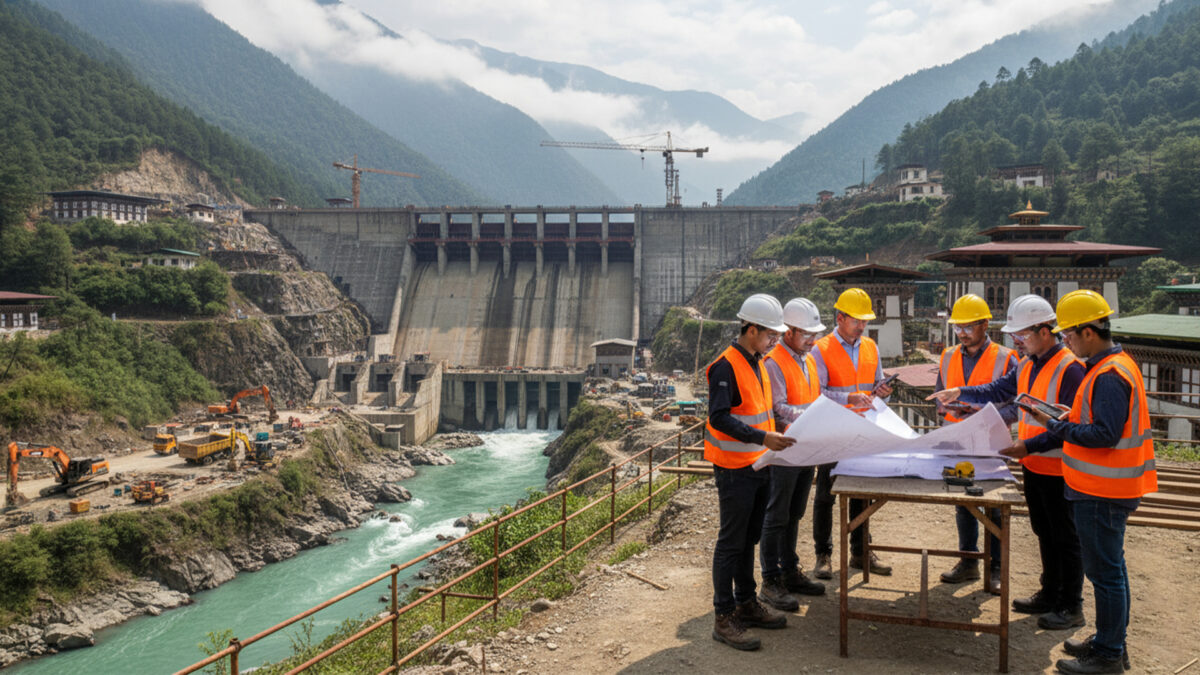
Adani Power Limited has incorporated a new joint venture company in Bhutan to develop the 570 megawatt Wangchhu hydroelectric project.

The newly formed entity, named Wangchhu Hydroelectric Power Limited, will be a public company incorporated in Bhutan with a 49:51 shareholding structure between Adani Power and Bhutan’s state-owned Druk Green Power Corporation (DGPC), according to the parties’ announcements.

Under the terms of the agreement, Adani Power will hold a 49 percent stake while DGPC will hold 51 percent, with the joint venture authorised to develop, construct and operate the Wangchhu scheme.

The project is the first to be taken forward under a broader memorandum of understanding signed earlier in 2025 between the Adani Group and DGPC to jointly develop up to 5,000 MW of hydropower in Bhutan.

The companies said the Wangchhu project, located within Bhutan, is planned to have an installed capacity of approximately 570 MW and will be developed through the incorporated Bhutanese public company.

The partners signed project and shareholder documents as part of formalising the arrangement, industry reports show.

Adani Power has presented the joint venture as part of a wider strategy to expand its renewable and hydroelectric footprint across the region.

The partnership with DGPC follows a May 2025 memorandum of understanding between the Adani Group and Bhutan’s government-owned power developer, which envisaged multiple hydropower projects totalling several gigawatts.

Market reaction to the announcement was evident in Indian trading floors, where Adani Power shares rose on news of the Bhutan tie-up and related corporate developments, according to financial reports. Analysts noted the move as part of the company’s broader capacity expansion plans.

Officials from both sides characterised the joint venture as a cross-border collaboration intended to leverage Bhutan’s hydropower potential and foster long-term energy cooperation between the two countries.

The partners have indicated they will proceed with detailed project planning, regulatory clearances and financing arrangements in line with Bhutanese law and applicable bilateral frameworks.

The Wangchhu incorporation marks the first operational project under the Adani–DGPC partnership and is expected to be followed by additional projects subject to feasibility studies and approvals, company statements and industry coverage said.

Timelines for construction, commissioning and power off-take arrangements were not disclosed in the incorporation announcements and will be subject to subsequent shareholder and regulatory filings.

Also Read: Ola Electric expands into home energy storage with ‘Ola Shakti’