Categories
Corporate

GX Group to Establish Photonic Module and Chip Subsidiary in India

Broadband equipment manufacturer GX Group announced plans to invest ₹500 crore to establish a photonic module and chip subsidiary in India.

The new venture aims to bolster GX Group’s presence in the rapidly growing Indian telecommunications and data center markets.

The subsidiary will be headquartered in Manesar, Gurgaon, and is expected to generate over 300 direct jobs.

GX Group CEO Paritosh Prajapati emphasized that the Phase 1 investment will be allocated towards setting up a manufacturing facility in Bhiwadi, Rajasthan, and expanding the company’s existing research and development (R&D) center in Chennai.

Operations at both the manufacturing facility and the R&D center are slated to commence by the first quarter of fiscal year 2027.

Following the operational launch, GX Group plans to begin rolling out chips, with availability in the local market anticipated by October 2026.

The move is part of GX Group’s strategy to tap into India’s burgeoning quantum photonics market, which is projected to be worth about USD 50 billion.

The company’s existing customer base includes major telecom operators and data center companies such as Airtel, ACT, and Tata Play, all of which have expressed interest in the forthcoming products.

This investment underscores GX Group’s commitment to strengthening its foothold in India and contributing to the country’s technological advancement in the field of photonics.

Also Read: L&T Secures Major Orders from Hindalco and Tata Steel

Categories
Corporate

L&T Secures Major Orders from Hindalco and Tata Steel

Larsen & Toubro (L&T), one of India’s leading engineering and construction conglomerates, has announced the receipt of significant orders from Hindalco Industries and Tata Steel, collectively valued between ₹2,500 crore and ₹5,000 crore.

The orders, awarded under L&T’s Minerals & Metals business, mark a substantial boost to the company’s industrial infrastructure portfolio and reflect growing investment in India’s metals and mining sector.

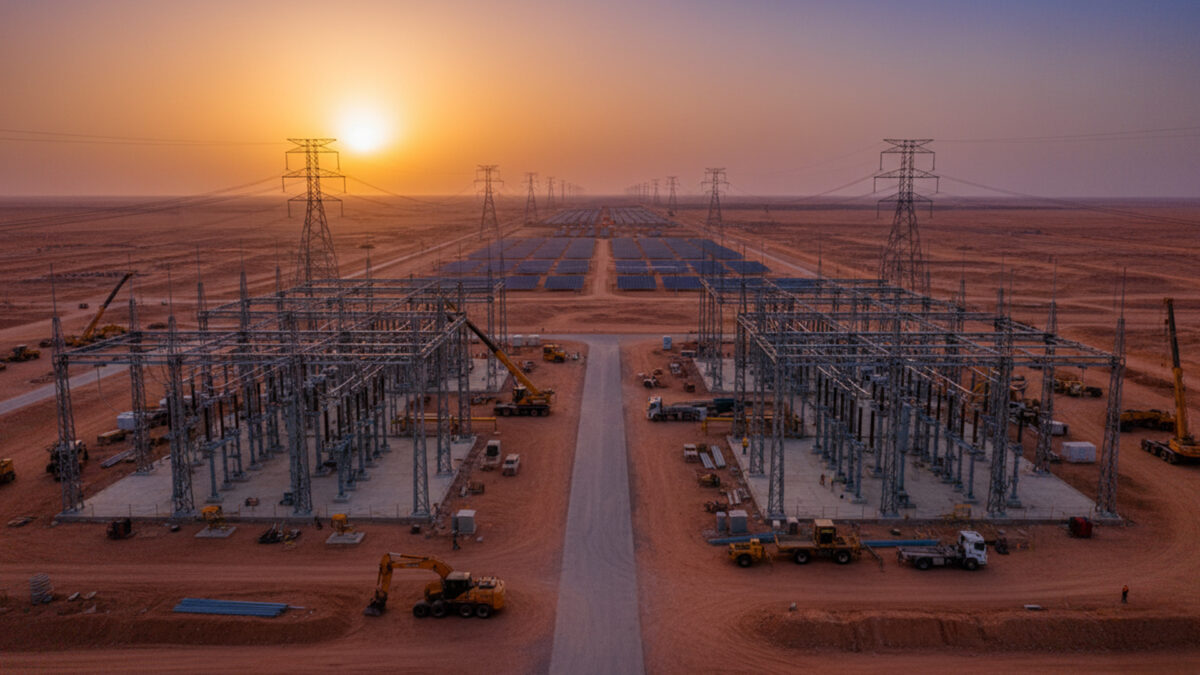
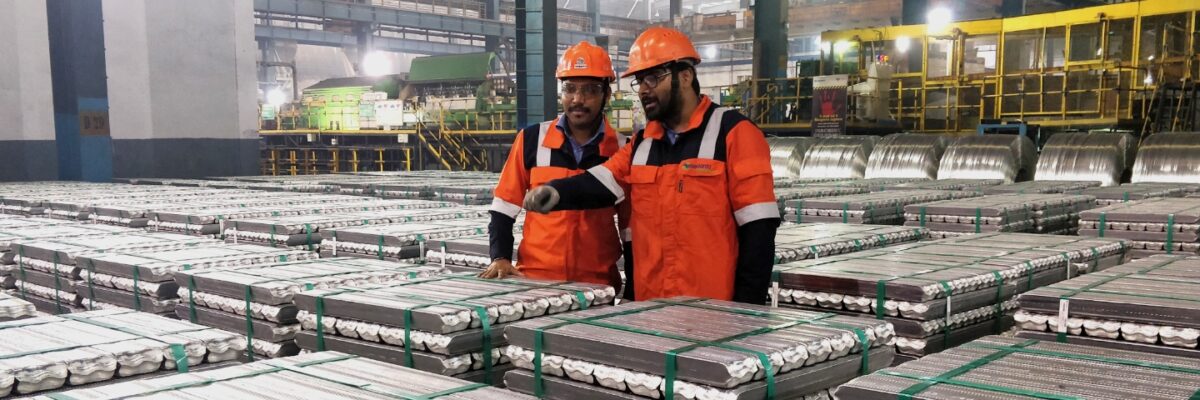
The largest of the contracts comes from Hindalco Industries for the development of a 180 KTPA aluminium smelter and an associated gas treatment centre at a greenfield project in Odisha.

L&T’s responsibilities include civil and structural construction, engineering, procurement, and installation of the plant. This order reaffirms the company’s long-term collaboration with Hindalco, which spans over three decades and has seen L&T contribute to multiple expansions of Hindalco’s alumina, aluminium, and copper plants across India.

Analysts note that the project’s scale and technical complexity underscore L&T’s engineering capabilities and its capacity to deliver large, integrated industrial solutions.

In parallel, L&T has secured a major order from Tata Steel for the construction of a 1 MTPA coke oven battery at the company’s Jamshedpur facility.

The project scope encompasses engineering, manufacturing, supply, construction, and installation, positioning L&T as a key partner in Tata Steel’s ongoing modernization and capacity expansion initiatives.

Industry observers highlight that this project not only strengthens L&T’s relationship with Tata Steel but also signals confidence in India’s steel and allied sectors amid global supply chain uncertainties.

The new orders come at a time when L&T’s Minerals & Metals division has been expanding its footprint across India, winning multiple contracts in recent months.

These projects, spread across diverse states and industrial segments, demonstrate the company’s growing leadership in delivering complex infrastructure for the metals and mining industry.

L&T’s portfolio now includes both greenfield projects and modernization efforts, reinforcing its reputation as a versatile and reliable contractor for large-scale industrial undertakings.

The market response to these developments has been positive, with investors viewing the orders as an endorsement of L&T’s sustained growth prospects.

The contracts also highlight broader trends in India’s industrial sector, where private players are ramping up investment in metals, mining, and associated infrastructure to meet rising domestic demand and reduce reliance on imports.

Experts believe that L&T’s successful execution of such projects will further solidify its position as a premier engineering and construction firm in the country.

With these wins, L&T has demonstrated its ability to secure and execute large-scale projects that require advanced technical expertise, financial stability, and project management excellence.

The contracts from Hindalco and Tata Steel not only reinforce L&T’s prominence in India’s industrial landscape but also signal continued confidence in the company’s capability to drive growth in the metals and mining sector for years to come.

Also Read: Microsoft Expands Copilot AI Capabilities: See Details Here

Categories
Corporate

SBI Awarded “World’s Best Consumer Bank 2025”

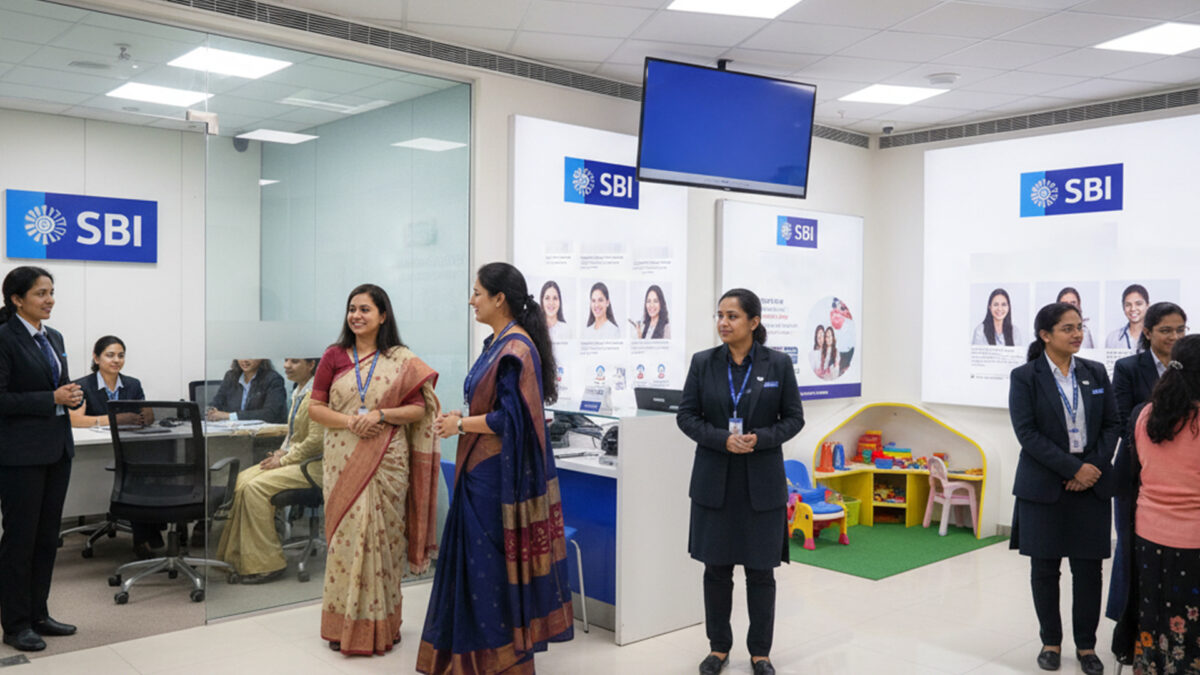
State Bank of India (SBI) has been named World’s Best Consumer Bank 2025 by the New York-based financial publication Global Finance at its annual awards ceremony held during the International Monetary Fund/World Bank meetings, the bank announced on Thursday.

Simultaneously, SBI and Global Finance jointly recognised the Indian lender as Best Bank in India 2025.

In its statement, SBI said the twin awards validate its global banking status and reflect the bank’s sustained investment in technology, digital channels and inclusive financial services.

The awards were conferred in recognition of the bank’s ability to deliver “world-class banking experiences” across its vast customer base while maintaining technological leadership and geographic reach.

SBI serves over 520 million customers and adds approximately 65,000 new customers each day, according to commentary by the bank’s Group Chairman, Challa Sreenivasulu Setty.

The bank’s flagship mobile banking app is used by more than 100 million customers, with 10 million daily active users, the bank reported. “Serving 520 million customers and adding 65,000 new customers daily requires significant investment in technology and digitalisation,” Setty said.

Commerce and Industry Minister Piyush Goyal congratulated SBI on the achievement, describing it as an important milestone for India’s banking sector and for financial inclusion efforts.

“Heartiest congratulations to the entire SBI family on this well-deserved recognition,” Goyal commented in a social media post. “SBI’s steadfast commitment to financial inclusion and its continuous efforts to serve every section of society is a testament to the pivotal role it is playing in advancing India’s growth story.”

Industry observers note that the Global Finance awards evaluate banks on criteria such as customer service, innovation in digital banking, market reach and financial performance.

In last month’s research article, Global Finance recognised SBI’s transformation into a digitally-driven, customer-focussed bank with special emphasis on vernacular voice-banking, 24/7 digital support and omni-channel engagement, especially across rural and semi-urban areas.

For SBI, this recognition comes at a time when the bank continues to push its ‘Digital First, Consumer First’ strategy.

The bank has significantly expanded its branch and ATM network, built an integrated digital platform, and launched new services aimed at India’s emerging credit and savings segments.

According to bank-disclosed metrics, it has a deposit base of over Rs 54.7 lakh crore and advances exceeding Rs 42.5 lakh crore as of June 2025.

SBI said the awards “reinforce its position as a global banking leader committed to innovation, financial inclusion and customer excellence.”

In a statement, the bank added that the recognition underscores its large-scale delivery of banking services, technological investments and ability to expand across India’s diverse geography.

As SBI moves into the next phase of its growth, the awards are expected to enhance its brand reputation both domestically and globally, and may help cement partnerships and business expansion.

The bank’s achievement also signals a wider recognition of India’s banking system on the global stage, especially as Indian lenders ramp up digitisation and customer-centric services.

Also Read: Eli Lilly, Cipla to Co-Market Tirzepatide in India Under New Brand

Categories
Corporate

Microsoft Expands Copilot AI Capabilities: See Details Here

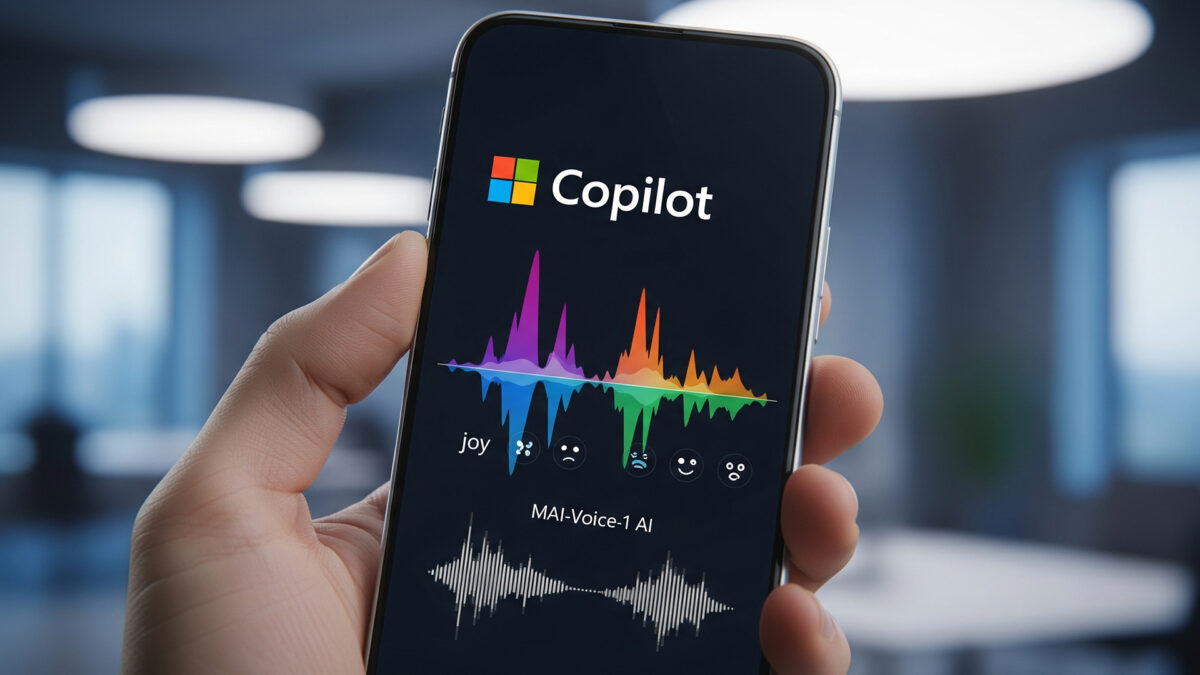
Microsoft on Thursday unveiled a sweeping update to its AI assistant, Microsoft Copilot, introducing a dozen major features aimed at transforming the tool into a more conversational, collaborative, and deeply integrated companion across its ecosystem.

According to the company’s announcement, the Fall 2025 release equips Copilot with group-work support allowing up to 32 users to collaborate in a single chat, a new personalized memory function enabling the assistant to recall user-specific details for future engagements, and enhanced integrations with core products such as Outlook, Google apps, and the Edge browser.

The update also introduces a new animated avatar, “Mico,” designed to bring a more natural and emotionally responsive interface to voice and chat interactions.

Microsoft’s Edge browser is also receiving its own Copilot Mode upgrade. Among the improvements are “Journeys,” which organize browsing sessions into topic-oriented themes, and “Actions,” which allow Copilot to perform tasks such as unsubscribing from email lists or booking hotel reservations.

These additions reflect Microsoft’s ambition to make Copilot not just a search assistant but a proactive digital companion capable of managing complex user tasks.

In the enterprise space, the update highlights the expansion of Copilot-powered agents across Microsoft 365 applications such as Teams and SharePoint, enabling users to delegate multi-step workflows to the assistant.

Microsoft said Copilot Studio now offers model choice, allowing users to select from different AI engines—including those from Anthropic—to build and deploy specialized agents with varying capabilities.

Microsoft AI Chief Mustafa Suleyman described the release as part of a broader shift from “AI hype to real-world utility,” emphasizing that “technology should work in service of people, not the other way around.”

He added that the new Copilot aims to integrate more seamlessly into users’ daily workflows, enhancing productivity while maintaining accessibility and personalization.

Industry analysts say the update raises the stakes in the competitive generative AI assistant market.

While rivals such as OpenAI and Alphabet continue to advance their own AI platforms, Microsoft’s strategy leverages its massive install base across Windows 11, Microsoft 365, and Edge to position Copilot as the central access point for AI functionality.

The rollout of 12 new features underscores Microsoft’s push to make Copilot a ubiquitous presence across personal, professional, and enterprise environments.

However, some challenges persist. Advanced features such as group collaboration, the Mico voice avatar, and cross-app orchestration are initially being released only in the United States, with global rollout plans still unspecified.

Privacy and data governance issues also loom large as Copilot gains memory functions and greater autonomy. Microsoft has said it is reinforcing transparency controls, enterprise-level safeguards, and model-selection flexibility to address these concerns.

The update is now available to early testers and enterprise customers, with broader availability expected in the coming months.

By expanding Copilot’s reach from productivity apps to a full-stack digital assistant, Microsoft is doubling down on its strategy to make AI a natural and indispensable part of both work and everyday life.

Also Read: Tech Trouble Halts Alaska Airlines Operations Across US

Categories
Corporate

Tech Trouble Halts Alaska Airlines Operations Across US

Alaska Airlines, one of the largest US carriers based in Seattle, grounded all its flights nationwide on Thursday due to a major IT outage.

The disruption also affected its regional subsidiary, Horizon Air. Together with Hawaiian Airlines, the group serves 140 destinations worldwide, spanning 37 US states and 12 countries.

The Federal Aviation Administration (FAA) issued a temporary ground stop, leaving thousands of passengers stranded.

The outage, traced to a failure at Alaska Airlines’ main data center, affected booking systems, mobile apps, and other essential operational services. Over 140 departures were delayed at major hubs, including Seattle-Tacoma International Airport.

“This was an unexpected disruption, and we sincerely apologize to our passengers,” Alaska Airlines said on social media, urging travelers to check flight status before heading to airports. Hawaiian Airlines reported no impact and continued normal operations.

This is the second IT-related outage for Alaska Airlines this year because a similar incident in July grounded all flights for three hours. Flexible travel policies are now in effect as the airline works to restore full service.

Also Read: Starlink Begins Security Trials in India Ahead of Commercial Launch

Categories
Corporate

Google Strikes AI Chip Deal with Anthropic

Google and Anthropic on Thursday announced a landmark agreement under which Google will supply up to one million of its custom-built Tensor Processing Units (TPUs) to the AI startup, marking one of the largest chip deals in the generative AI era.

The memorandum of understanding, valued in the “tens of billions of dollars,” will deliver well over one gigawatt of computing capacity to Anthropic by 2026 — a quantum leap in infrastructure terms, given that a gigawatt of compute is roughly equivalent to powering 350,000 homes.

Under the agreement, Anthropic will utilize Google’s TPUs to train and serve its next-generation model family, including the enterprise-oriented Claude chatbot.

In a blog post, Anthropic said the deal significantly expands its compute resources while deepening its long-standing partnership with Google Cloud.

For Google, the move underscores its bid to become not just a platform provider but a critical infrastructure enabler in the AI arms race. By opening up its TPU fleet to an external partner at scale, it positions itself as an alternative to rival hardware suppliers such as Nvidia and strengthens its influence in the fast-growing market for generative AI infrastructure.

Analysts say the timing and scale of the agreement reflect the fierce competition to secure hardware and cloud services at a moment when both training and serving large AI models demand enormous compute and power budgets. With Anthropic already relying on Amazon Web Services and Nvidia hardware, the expansion into Google’s chips signals a multi-platform strategy aimed at resilience and performance.

Anthropic, founded in 2021 by former OpenAI executives, was recently valued at about $183 billion following a $13 billion fundraising round. The company has emphasized safety, alignment, and enterprise use cases for Claude, targeting business clients amid mounting demand for generative AI solutions.

In a statement, Google Cloud CEO Thomas Kurian said Anthropic’s decision to expand its use of TPUs reflected the “strong price-performance and efficiency” its teams have experienced over several years. Anthropic noted that the collaboration would help ensure the responsible deployment of Claude models at scale.

While the financial terms were not disclosed beyond the “tens of billions” estimate, analysts expect it to be among the largest infrastructure deals ever signed between a cloud provider and an AI company. Industry experts have suggested that such large-scale agreements may draw attention from competition and national security regulators in the United States and Europe.

For Anthropic, the partnership offers a competitive edge in model training speed, scaling capacity, and cost efficiency. For Google, it reinforces its cloud and AI hardware ecosystem at a critical moment when the company faces growing competition from Amazon, Microsoft, and Nvidia in the enterprise AI infrastructure market.

Both companies have said they plan to maintain multi-cloud and multi-hardware strategies, indicating that the partnership is not exclusive.

With deliveries set to ramp up in 2026, the agreement could set a precedent for how AI developers and infrastructure providers collaborate to meet the ever-growing demand for computing power in the generative AI era.

Also Read: Starlink Begins Security Trials in India Ahead of Commercial Launch

Categories
Corporate

Starlink Begins Security Trials in India Ahead of Commercial Launch

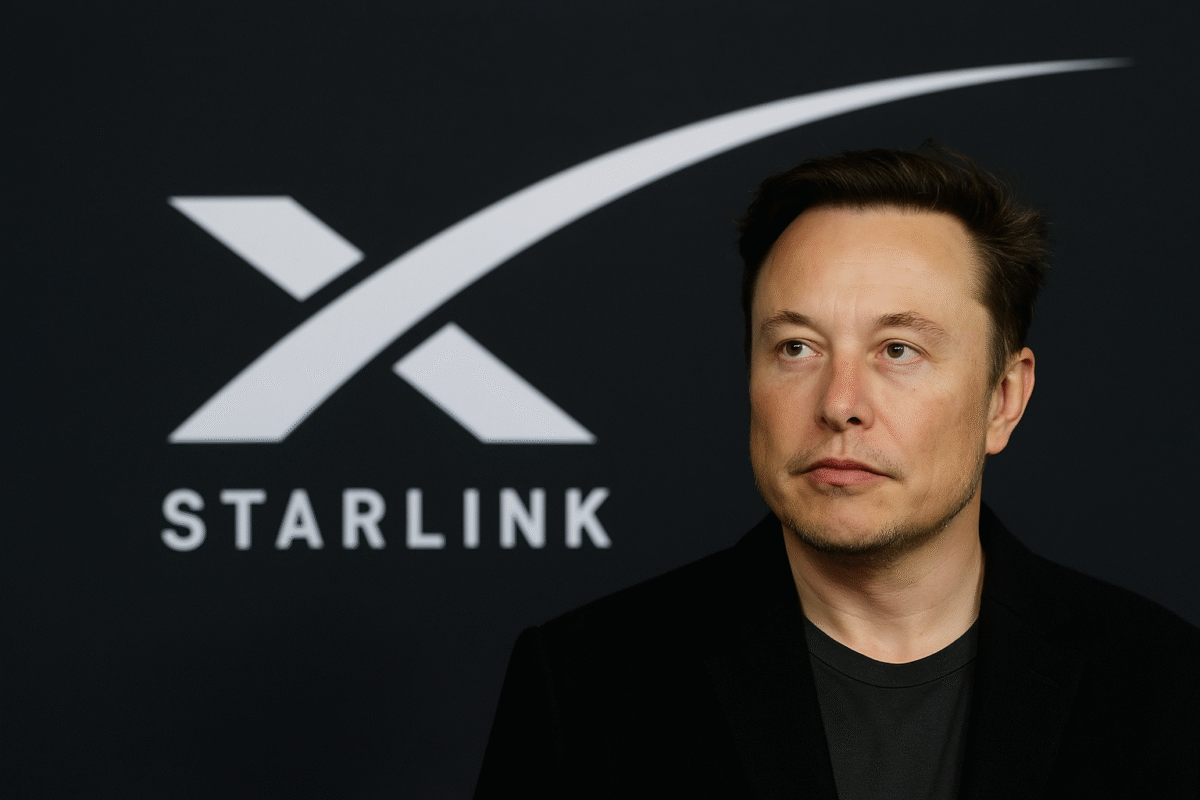
Starlink, the satellite internet service owned by Elon Musk’s SpaceX, has begun mandatory security testing in India, marking a significant step toward its anticipated commercial rollout.

The trials are part of the clearance process required by Indian regulators before Starlink can begin offering broadband services to the public.

According to government officials familiar with the process, the security trials represent one of the final regulatory stages for Starlink’s entry into the Indian market.

The company has already secured provisional approvals from the Department of Telecommunications (DoT) and the Indian National Space Promotion and Authorization Centre (IN-SPACe).

It now awaits a final pricing framework from the Telecom Regulatory Authority of India (TRAI), which will set parameters for satellite broadband services in the country.

Once the framework is issued, Starlink could begin commercial operations as early as 2026.

Starlink is simultaneously setting up infrastructure across the country. It plans to establish ground gateway stations in several major cities, including Mumbai, Noida, Hyderabad, Kolkata, and Lucknow.

Three ground stations are already operational in Mumbai, and work is underway to complete at least nine more across India.

These stations will link Starlink’s low-Earth orbit satellites to the terrestrial network and are essential for obtaining full regulatory clearance.

Security testing is a crucial component of India’s satellite communication licensing process.

Under existing rules, all data transmitted through satellite networks must be routed domestically, and only Indian nationals are allowed to operate the gateway stations until specific security permissions are granted for foreign staff.

Authorities have emphasized that the trials are designed to ensure complete data sovereignty and protect against potential misuse of satellite communications.

Earlier this year, Starlink received provisional spectrum approval from the DoT to conduct limited trials in India.

The company has been allowed to import a restricted number of user terminals for demonstration purposes, though these cannot yet be used for commercial services until security clearances are finalized.

Industry experts view Starlink’s progress as a major development for India’s broadband landscape, particularly in rural and remote regions where terrestrial connectivity remains limited.

The Indian government has been pushing for greater private-sector participation in space-based communication services as part of its broader “Digital India” and “BharatNet” initiatives.

Analysts say Starlink’s entry could complement these programs by extending high-speed connectivity to underserved areas.

However, challenges remain. Starlink will need to balance affordability and scalability in a market known for having some of the lowest data prices in the world.

The company will also face competition from Bharti-backed OneWeb, Reliance Jio’s satellite venture with Luxembourg-based SES, and Amazon’s Project Kuiper, which are also preparing to enter the Indian market.

Government officials have underscored that strict security and compliance requirements will continue to apply to all satellite operators.

This includes mandatory registration of network equipment, local data storage, and real-time sharing of operational details with Indian authorities.

With security trials underway and regulatory discussions advancing, Starlink’s long-awaited commercial debut in India appears closer than ever.

The company’s performance during these trials, along with its ability to meet India’s rigorous security and pricing standards, will determine how quickly it can transition from testing to nationwide service.

Also Read: Vedanta Commits ₹1 Trillion Investment in Odisha

Categories
Corporate

Eli Lilly, Cipla to Co-Market Tirzepatide in India Under New Brand Yurpeak

U.S. drugmaker Eli Lilly and Company (India) Pvt. Ltd. and Indian pharmaceutical major Cipla Limited announced a partnership to distribute and promote tirzepatide in India under a new brand name, Yurpeak, expanding access to the innovative diabetes and obesity treatment across the country.

Under the agreement, Cipla will distribute and promote Yurpeak, which will serve as the second brand of tirzepatide in India.

Eli Lilly will continue to manufacture and supply the drug, while Cipla will handle its distribution network to ensure wider availability, particularly in markets where Lilly currently has limited presence.

The companies said the price of Yurpeak will remain the same as that of Lilly’s original brand, Mounjaro, which was launched in India earlier this year.

Winselow Tucker, President and General Manager of Lilly India, said the collaboration underscores Lilly’s long-term commitment to improving access to advanced treatments for chronic conditions.

“The introduction of a second brand of tirzepatide in India through our commercial agreement with Cipla furthers Lilly’s commitment to expanding access to innovative treatments for chronic conditions,” Tucker said. “With India facing a growing burden of type 2 diabetes and obesity, broader availability of tirzepatide will ensure that more patients can benefit from this innovative therapy.”

Cipla’s Global Chief Operating Officer, Achin Gupta, said the partnership marks the company’s entry into obesity care, a therapeutic area of increasing public health importance.

“At Cipla, we remain steadfast in our commitment to advancing patient care by facilitating access to the best of global scientific innovation,” Gupta said.

“With the introduction of Yurpeak (tirzepatide), we are stepping into obesity care with the same commitment and scale that have defined our efforts in respiratory and chronic therapies. Our partnership with Lilly reflects our resolve to address one of the most pressing health concerns of our time and offer patients innovative, accessible solutions that can transform health outcomes.”

Tirzepatide, a prescription medicine, is the first and only dual agonist of glucose-dependent insulinotropic polypeptide (GIP) and glucagon-like peptide-1 (GLP-1) receptors.

It is indicated as an adjunct to diet and exercise for adults with type 2 diabetes and for chronic weight management in adults with obesity (body mass index ≥ 30) or overweight (BMI ≥ 27) with at least one weight-related comorbidity.

Yurpeak will be available in KwikPen form, a multi-dose, single-patient-use prefilled pen. Each pen will contain four fixed doses administered once weekly.

The drug will be offered in six dose strengths — 2.5 mg, 5 mg, 7.5 mg, 10 mg, 12.5 mg, and 15 mg — allowing healthcare professionals to personalize treatment for individual patient needs.

India faces one of the world’s largest burdens of diabetes and obesity.

According to recent estimates, about 101 million Indians live with diabetes, and nearly half of these patients experience poor glycemic control.

Obesity, which affects about 6.5 percent of Indian adults — roughly 100 million people — is a major contributor to the diabetes epidemic and is linked to more than 200 health complications, including heart disease, certain cancers, and sleep apnea.

Industry observers say the Lilly-Cipla agreement is poised to strengthen the availability of cutting-edge diabetes and obesity treatments in India while leveraging Cipla’s deep distribution network and Lilly’s global innovation expertise.

The partnership is also expected to intensify competition in India’s emerging metabolic health market, where demand for effective weight and glucose management therapies is growing rapidly.

Also Read:

Categories
Corporate

Vedanta Commits ₹1 Trillion Investment in Odisha

Vedanta Group on Thursday unveiled a plan to invest an additional ₹1 lakh crore (about ₹1 trillion) in the Indian state of Odisha, the company and state officials said, in a move aimed at expanding its aluminium and downstream manufacturing footprint and creating substantial employment.

The investment package, disclosed during meetings between Vedanta executives and Odisha government officials, is slated to fund a cluster of projects that include a large alumina refinery, a multi-million-tonne aluminium smelter and associated aluminium parks, as well as a ferro-alloys plant.

Company and state statements said the roadmap contemplates greenfield capacity tied to renewable power and an industrial ecosystem intended to feed medium and small downstream units.

Officials accompanying the announcement said the new plan will be rolled out across multiple districts, with proposals that name Dhenkanal and Jharsuguda among likely locations for smelting and aluminium-park facilities and Keonjhar for ferro-alloys capacity.

State authorities have signaled support for land allotment and infrastructure facilitation as part of a broader effort to accelerate project clearances.

Vedanta and the Odisha government said the investment is expected to generate direct and indirect employment for more than 100,000 people, with company projections pointing to thousands of jobs during construction and tens of thousands once plants reach steady operations.

Vedanta also framed the effort as a continuation of an existing industrial push in the state: the group has previously invested heavily in Odisha over recent years and says the state remains its single largest investment destination in India.

The proposed projects are presented as part of a long-term strategy to build an integrated aluminium value chain in Odisha, from alumina production to primary aluminium and downstream fabrication, powered largely by renewable energy to reduce carbon intensity.

Company documents released at earlier industry events described plans for multi-million-tonne refineries and smelters accompanied by captive power and logistics investments.

Analysts say the commitment, if realized, would further cement Odisha’s role as an aluminium manufacturing hub and likely induce investments among suppliers and ancillary manufacturers.

However, observers also note that large metal projects require complex clearances, secure land and long lead times for construction and commissioning, and may attract scrutiny over environmental and community impacts.

Vedanta’s announcement comes amid a broader push by the Odisha government to attract heavy industry and downstream manufacturing, and it follows a series of clearances by the state’s High-Level Clearance Authority for multiple large projects.

Both parties said they would soon finalize memoranda and implementation timetables, while underlining commitments to local employment and supply-chain development.

Also Read: Google Claims World’s First Verifiable Quantum Advantage With ‘Willow’ Chip

Categories
Corporate

WazirX Set to Restart Operations After Year-Long Hiatus

India’s cryptocurrency exchange WazirX is scheduled to resume operations on Friday, October 24, 2025, more than a year after a July 2024 security breach that resulted in losses exceeding $230 million and brought trading to a halt.

The relaunch comes after a restructuring process overseen in Singapore and follows a period of significant uncertainty for users and creditors of the platform.

WazirX founder Nischal Shetty confirmed on X, formerly Twitter, on Thursday that the platform’s “Funds” page with rebalanced tokens was live, crypto and Indian-rupee deposits were open, and that crypto withdrawals would begin the following day.

Shetty announced that trading along with withdrawals would start from October 24 and that the company would continue to add more tokens to its trading and withdrawal list in a phased manner.

In a move meant to rebuild user trust, WazirX said it will launch with zero trading fees across all trading pairs under a “Restart Offer.”

Initially, trading will be limited to selected crypto-to-crypto pairs and the USDT/INR pair, with additional markets to follow in the coming days.

The platform said it has partnered with custody provider BitGo to bolster asset security and implement institutional-grade protections.

The relaunch marks a critical juncture for a company that once commanded a leading position in India’s crypto market.

The July 2024 breach froze user funds, prompted the suspension of withdrawals, and triggered a protracted restructuring through the Singapore High Court under the parent company Zettai Pte. Ltd.

Over 95 percent of the platform’s creditors backed the arrangement, and the court’s approval paved the way for the restart.

For many users of the platform, the top priority has been clarity on the status of locked assets and when access to funds will be restored.

WazirX said token distributions to creditors and the issuance of recovery tokens will begin within weeks of the relaunch.

The timing of the reopening is significant in light of waning confidence in Indian crypto platforms.

Several exchanges in the country have faced security incidents, regulator scrutiny, and major user losses. Observers view WazirX’s ability to deliver full recovery and open operations as a test of the wider domestic market’s resilience.

As WazirX begins to offer crypto and INR withdrawals, the company emphasized its mission to “make crypto accessible to every Indian” while noting that asset security remains a top priority.

The platform said the relaunch was not simply a return to operational status but a “reinforcement of our integrity.”

The next few weeks will determine whether WazirX succeeds in restoring user service and confidence or whether lingering concerns from the hack and long shutdown will weigh on its comeback.

Users, creditors, and regulators alike will be watching closely as the platform takes its first steps into a new operating phase.

Also Read: HUL Q2 Net Profit Rises 3.8% to ₹2,694 Crore