Categories
Corporate

Starcloud raises $170mn for space data centers

Starcloud, a US-based space infrastructure startup, has raised $170 million in a Series A funding round, giving it a valuation of $1.1 billion. The round was led by Benchmark and EQT Ventures, reflecting strong investor interest in off-Earth computing solutions.

The company plans to use the funding to develop orbital data centers capable of running AI workloads in space. These data centers aim to ease the pressure on ground-based infrastructure, which faces growing energy and cooling demands due to AI’s rapid expansion. By operating in low Earth orbit, Starcloud can take advantage of near-continuous solar power and the cold of space, potentially improving efficiency and reducing some terrestrial limitations.

Starcloud has already demonstrated its technology. In November 2025, it launched a satellite equipped with an Nvidia H100 GPU, successfully performing AI training in orbit. Its next satellite, Starcloud 2, is expected to carry multiple GPUs, including Nvidia’s next-generation chips and an AWS server blade, later this year.

The startup also plans to expand manufacturing and secure more launch contracts, moving toward commercial operations. Its long-term vision includes building a constellation of up to 88,000 satellites, creating a large-scale space-based compute network.

Starcloud’s progress comes as part of a broader “AI space race,” with other companies like SpaceX and Blue Origin exploring orbital computing. SpaceX has announced plans for its own orbital AI data network following its acquisition of the AI startup xAI.

Also Read: iOS 26.5 Beta 1 adds RCS security, maps ad
Categories
Corporate

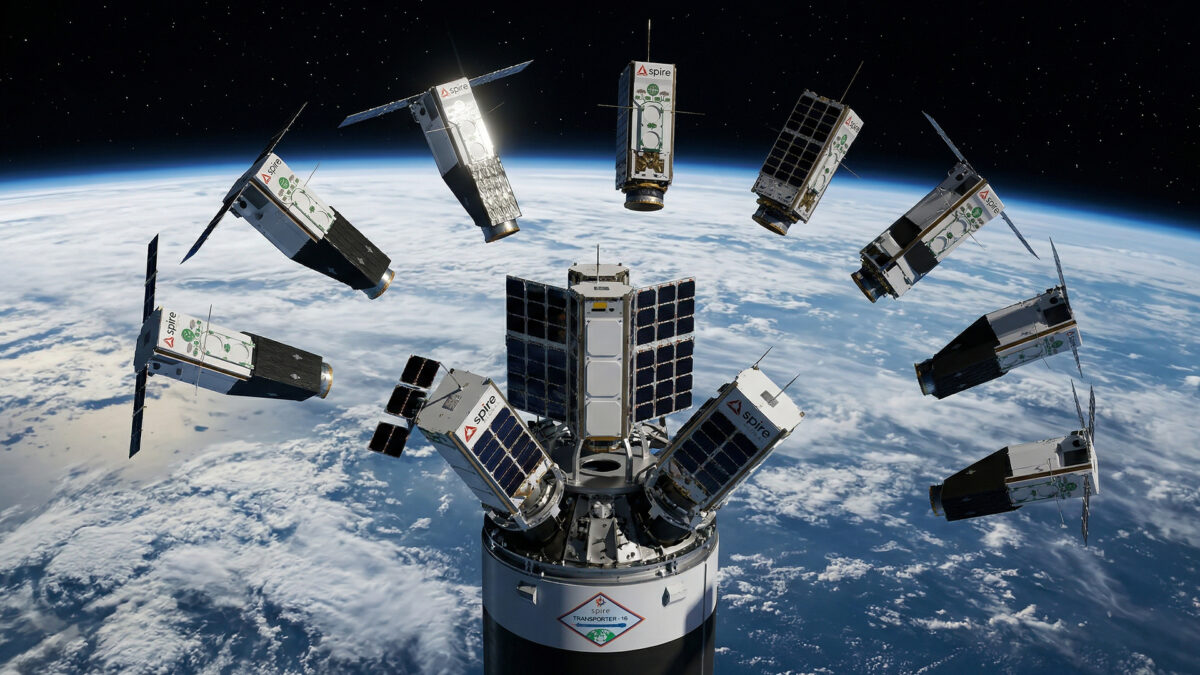
Spire Global sends 10 satellites into orbit

Spire Global has successfully launched 10 satellites as part of a rideshare mission operated by SpaceX, marking a significant step in expanding its satellite network.

The satellites were carried aboard a Falcon 9 rocket under SpaceX’s Transporter-16 mission, which lifted off from Vandenberg Space Force Base in California. The mission included multiple payloads from different companies, highlighting the growing use of shared launches to reduce costs.

The newly deployed satellites have been placed into low Earth orbit and will become part of Spire’s existing constellation. These satellites are designed to collect data used in weather forecasting, aviation tracking, maritime monitoring, and radio frequency analysis.

With this addition, Spire aims to enhance its ability to deliver real-time data and insights to customers across industries. The company provides space-based data services to governments and businesses that rely on accurate and timely information.

Spire follows a vertically integrated model, building and testing its satellites in-house. This approach helps reduce costs and allows for faster deployment of new satellites, enabling the company to scale its operations efficiently.

The latest launch also received support from the Government of Luxembourg through collaboration with the European Space Agency, reflecting international cooperation in advancing space technology and data services.

Spire operates one of the world’s largest fleets of nanosatellites. These small satellites play a crucial role in monitoring global activities such as ship movements, aircraft positions, and atmospheric conditions.

The Transporter-16 mission once again demonstrated the importance of rideshare launches, where multiple satellites are deployed in a single mission. This method has become increasingly popular as it offers a more affordable way for companies to access space.

Also Read: Eli Lilly inks $2 bn AI drug development deal

Categories
Corporate

CMPDI debuts 7% below issue price

Shares of Central Mine Planning and Design Institute (CMPDI) made a subdued debut on the stock exchanges, listing at a discount of about 7% compared to its IPO price.

The stock opened at around ₹160 on the BSE and about ₹162.8 on the NSE, lower than its issue price of ₹172 per share. The weak listing reflects cautious investor sentiment and limited enthusiasm for the public issue.

The ₹1,842 crore initial public offering was entirely an offer for sale, with no fresh equity issued. This means the proceeds from the IPO went to the parent, Coal India, and other shareholders, rather than being used for the company’s expansion or operations.

During the subscription period, the IPO saw modest demand, with overall subscription just crossing one time. Market signals such as the grey market premium also indicated a lukewarm response, suggesting limited expectations of strong listing gains.

Analysts said the weak debut was influenced by broader market conditions, which have remained volatile in recent weeks. Investors have been cautious about new listings, especially those without immediate growth triggers or strong short-term catalysts.

CMPDI plays an important role as the consulting and planning arm of Coal India. It provides services such as mine planning, exploration, and project management, mainly supporting coal and mining operations across the country.

Also Read: Airtel raises $1 bn for Nxtra

Categories
Corporate

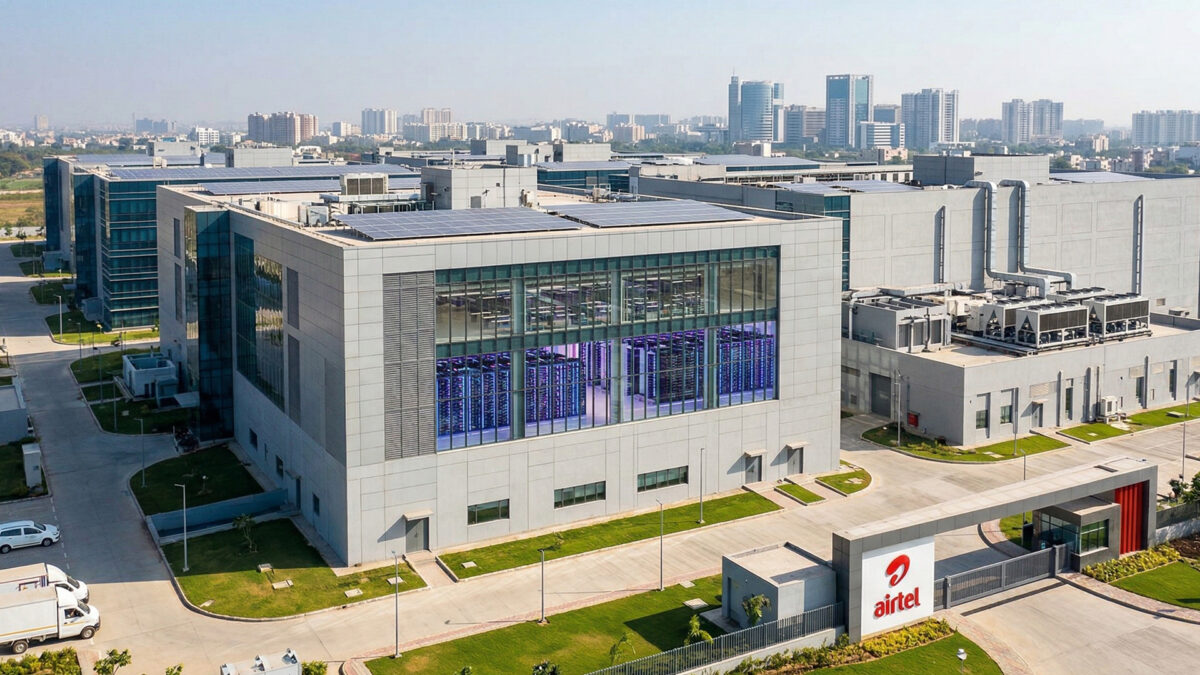
Airtel raises $1 bn for Nxtra

Bharti Airtel has raised $1 billion in fresh funding for its data centre arm, Nxtra, to expand capacity and strengthen its position in the fast-growing digital infrastructure space.

The investment round is led by Alpha Wave Global, with participation from existing investor Carlyle Group and Anchorage Capital. Airtel will also invest in the business and continue to hold a majority stake, ensuring control over its operations.

The funding values Nxtra at around $3 billion, reflecting strong investor confidence in India’s data centre market. The company plans to use the capital to significantly expand its infrastructure and meet rising demand for cloud services, artificial intelligence, and data storage.

Nxtra currently operates a widespread network of data centres across India, catering to enterprises, government clients, and large technology companies. With digital adoption accelerating, the need for reliable and scalable data infrastructure is growing rapidly.

As part of its expansion strategy, Nxtra aims to increase its capacity from around 300 megawatts to nearly 1 gigawatt over the next few years. This scale-up is expected to support increasing workloads driven by AI applications and data-intensive services.

India’s data centre sector is witnessing strong growth due to rising internet usage, digital payments, and expansion by global cloud providers. This has led to increased investments from both domestic and international players looking to tap into the opportunity.

Also Read: Aluminium stocks rises 5% on Middle East tensions

Categories
Corporate

Eli Lilly inks $2 bn AI drug development deal

US-based pharmaceutical major Eli Lilly has entered into a major agreement with Hong Kong biotech firm Insilico Medicine to develop new drugs using artificial intelligence, in a deal valued at up to $2 billion.

The partnership will focus on using Insilico’s AI technology to identify and develop promising drug candidates, especially oral medicines for various diseases. Under the agreement, Eli Lilly will gain exclusive global rights to further develop, manufacture, and commercialise any successful drugs emerging from the collaboration.

As part of the deal, Insilico Medicine will receive an upfront payment of around $115 million. In addition, the company is eligible for milestone payments linked to research progress, regulatory approvals, and commercial success. These could significantly increase the total value of the agreement over time.

This collaboration builds on an earlier partnership between the two companies and reflects a deeper commitment to AI-driven drug discovery. Both firms aim to combine Insilico’s advanced machine learning platforms with Eli Lilly’s experience in clinical development and global distribution.

Reports suggest that the agreement may include the development of a potential oral treatment for conditions such as diabetes, an area with high global demand. However, the broader focus remains on leveraging AI to streamline and speed up the drug discovery process.

Artificial intelligence is playing an increasingly important role in the pharmaceutical industry. By analysing large volumes of data and predicting how compounds will behave, AI can help identify viable drug candidates much faster than traditional research methods. This can reduce both the time and cost required to bring new medicines to market.

Also Read: Rupee breaches 95 against dollar


Categories
Corporate

EPL and Indovida to merge in $2 bn packaging deal

In a major move in the packaging industry, EPL Limited and Indovida India Private Limited announced a merger deal worth around $2 billion, aiming to create one of the largest consumer packaging companies serving emerging markets. The boards of both companies approved the transaction on March 29, 2026, though the deal still requires final regulatory and shareholder approvals.

The merger will combine EPL’s flexible packaging expertise, including laminated tubes, with Indovida’s strength in rigid PET (polyethylene terephthalate) packaging. The unified company is expected to generate roughly $1 billion in annual revenue, serving sectors such as food, consumer goods, pharmaceuticals, and personal care. The move will allow the combined firm to broaden its product portfolio and market reach, strengthening its position in India and other emerging markets.

Under the terms of the merger, EPL is valued at approximately $1.2 billion and Indovida at about $0.7 billion. Indorama Ventures, the Thailand-based parent company of Indovida, will hold a majority stake of around 51.8 %, while Blackstone, which currently holds the largest stake in EPL, will retain a significant minority share of 16–17 %. The share swap structure also gives EPL shareholders a 70 % premium over EPL’s pre-merger market value, reflecting investor confidence in the company’s growth and strategic fit.

Management of the merged company will see EPL’s Hemant Bakshi, Managing Director and Group CEO, leading the overall organization, while Indovida’s CEO, Sunil Marwah, will continue to run Indovida’s operations and report to Bakshi.

Executives from both companies emphasized that the merger will deliver operational efficiencies, product and technology synergies, and a stronger platform to compete against global packaging rivals.

Also Read: DeepSeek AI suffers longest outage

Categories
Corporate

Sensex slumps by1636 points, Nifty at 22,331

The markets ended on Mondat sharply lower as global tensions, rising crude oil, and foreign selling hit investor sentiment. The BSE Sensex closed at 71,948, down 1,636 points (2.2%), while the NSE Nifty 50 fell 488 points (2.1%) to 22,331.

Selling was broad-based, with banking and financial stocks leading the decline. HDFC Bank, ICICI Bank, State Bank of India, and Axis Bank were among the top losers, dragged down by a weak rupee and tightening rules from the RBI on forex positions. Automobile and consumer goods stocks also recorded losses.

Some sectors saw gains as investors rotated toward safer bets. NTPC, NHPC, Power Grid, and select oil & gas stocks rose, benefiting from defensive demand amid market uncertainty.

Rising crude prices above $115 per barrel and a rupee near 95 per US dollar added to inflation concerns, further pressuring equities. Foreign investors continued pulling out funds, making the sell-off more pronounced.

Also Read: Airlines must give 60% seats free from April 20

Categories
Corporate

Airtel, Tata told to clear AGR dues

The Indian government has asked Bharti Airtel and Tata Teleservices to clear around ₹10,000 crore in adjusted gross revenue (AGR) dues by March 31, 2026, making it clear that no special relief will be provided.

The Department of Telecommunications (DoT) has rejected requests from both companies seeking concessions similar to those granted to Vodafone Idea. Officials stated that the dues must be paid within the deadline in line with the Supreme Court of India ruling on AGR payments.

If the companies fail to meet the deadline, they could face legal consequences, including possible contempt of court proceedings. The government has emphasized that it is bound to follow the court’s order and cannot make exceptions in this case.

Out of the total dues, Airtel is expected to pay more than ₹5,000 crore, while Tata Teleservices may have to pay over ₹4,000 crore. The final amount could increase further due to accumulated interest.

The AGR issue has been a major challenge for telecom operators in India for several years. It relates to how revenue is calculated for the purpose of paying licence fees and spectrum usage charges to the government. The Supreme Court’s decision had widened the definition of revenue, significantly increasing the dues payable by telecom companies.

While Vodafone Idea recently received relief in the form of extended payment timelines and financial support, the government clarified that the move was specific to that company’s financial situation and does not set a general precedent.

Also Read: India tightens CCTV rules, edges out Chinese firms

Categories
Corporate

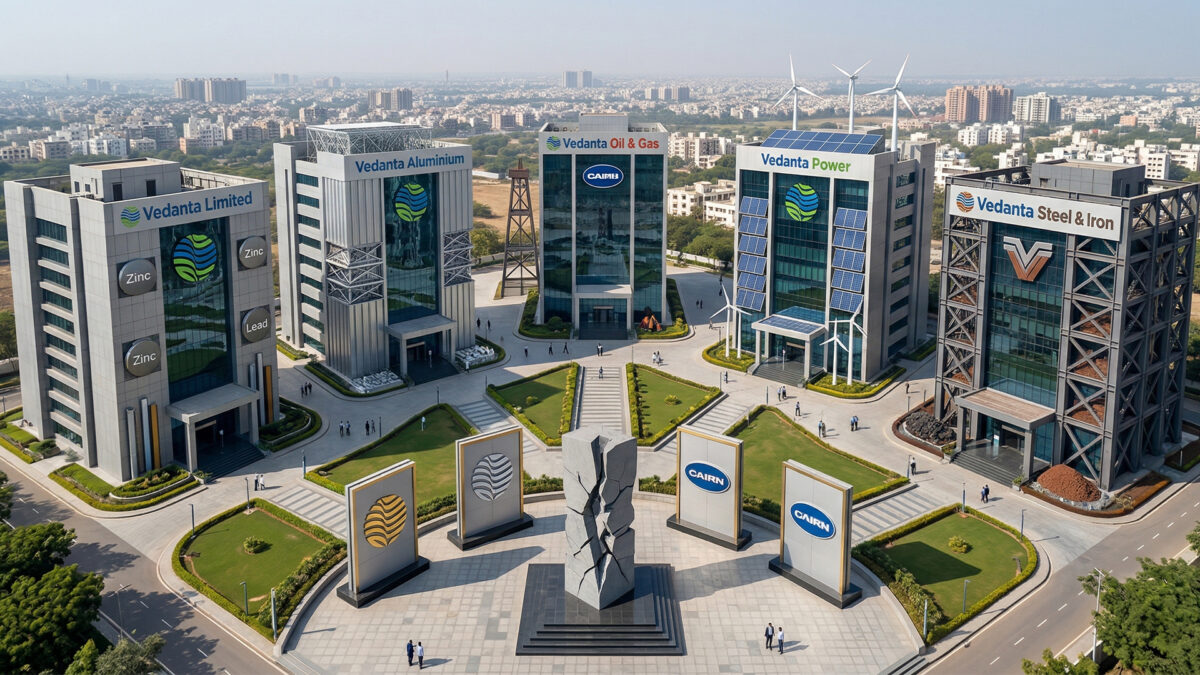
Vedanta plans major split into five firms

Vedanta is preparing for a major overhaul as it plans to split its business into five separate companies next month, in what could become one of India’s biggest corporate restructurings in recent years.

The move is part of the company’s broader effort to simplify its structure, reduce debt, and make each business more focused and easier to manage. The plan has already received key approvals and is expected to be rolled out in April, with the new companies likely to be listed soon after.

Once completed, Vedanta’s operations will be divided into five distinct entities, each handling a specific sector such as aluminium, power, steel, and iron. This will allow investors to clearly understand and invest in individual parts of the business rather than the group as a whole.

Chairman Anil Agarwal believes the split will help unlock greater value for shareholders. He has suggested that the combined worth of the five companies could be higher than Vedanta’s current overall valuation.

The restructuring also comes as the company looks to manage its debt more effectively. By breaking into smaller, specialised units, Vedanta hopes to improve efficiency, attract targeted investments, and give each business more room to grow independently.

Despite moving forward, the plan had earlier raised concerns, particularly from the government, over how pending dues would be handled after the split. However, with approvals now in place from regulators, creditors, and shareholders, the process is set to go ahead.

Vedanta’s parent group is expected to retain significant stakes in each of the new companies, ensuring it continues to have control while allowing the businesses to operate more independently.

Also Read: Anil Agarwal flags Jaypee bid reversal


Categories
Corporate

Sensex drops over 1,000 points, Nifty slips below 22,500

The markets witnessed a sharp decline as it opened on Monday, with benchmark indices tumbling amid rising geopolitical tensions and a spike in crude oil prices. The Sensex plunged over 1,000 points, while the Nifty slipped below the 22,500 mark, reflecting broad-based selling across sectors.

The weak start was signaled earlier by GIFT Nifty, indicating negative investor sentiment. As trading progressed, losses deepened, driven by concerns over the escalating Iran conflict, which has pushed global oil prices close to $120 per barrel.

Among the worst-hit stocks were banking and IT heavyweights such as HDFC Bank, ICICI Bank, and Infosys. These stocks dragged the indices lower as investors worried about the impact of rising inflation and global uncertainty on earnings. Financial stocks faced pressure due to concerns over tighter liquidity, while IT companies saw selling amid fears of weaker global demand.

In contrast, oil and gas stocks emerged as key gainers. Shares of ONGC and Oil India rose as higher crude prices are expected to improve their profitability. Some metal stocks also showed resilience, supported by firm global commodity trends.

The surge in crude oil prices remains a major concern for India, given its heavy dependence on imports. Elevated prices could widen the current account deficit, fuel inflation, and weigh on corporate margins, particularly in sectors such as aviation, logistics, and manufacturing.

Global markets also reflected weak sentiment, with Asian indices trading lower and US futures pointing to continued volatility. The ongoing Iran conflict has heightened fears of supply disruptions and prolonged instability in the Middle East. Foreign institutional investors (FIIs) continued their selling spree, further pressuring domestic equities.