Categories
Corporate

Micron’s Gujarat chip plant to start operations next month

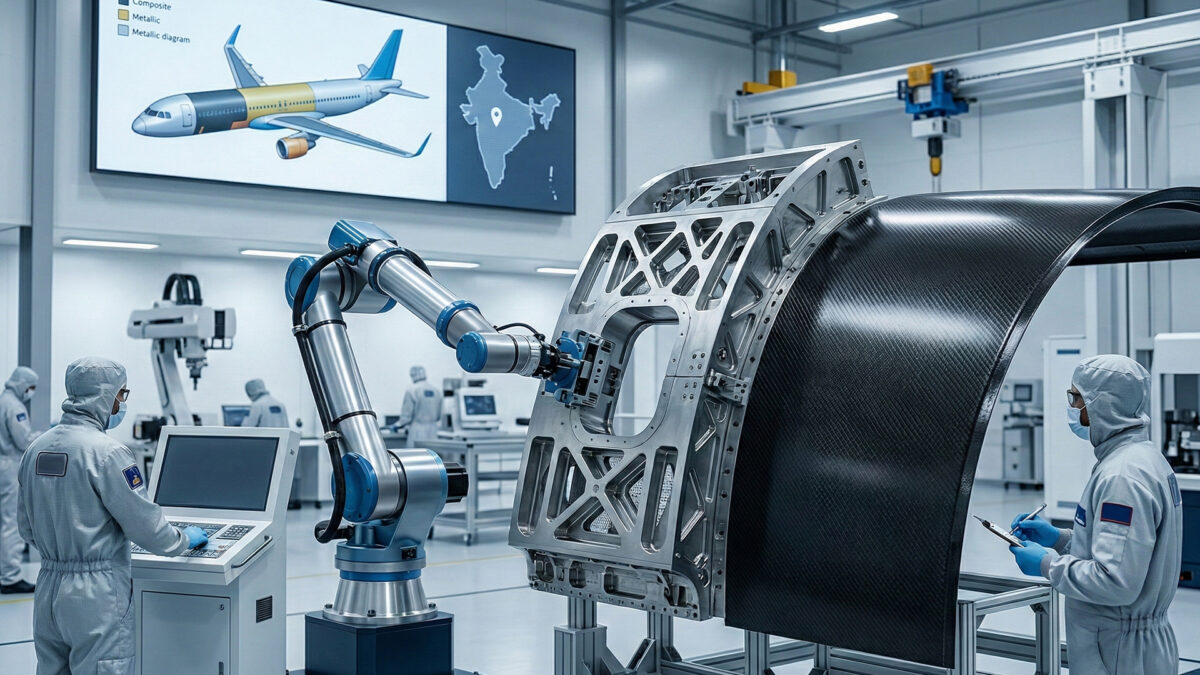
Micron Technology’s semiconductor assembly and testing plant in Sanand, Gujarat, is scheduled to begin commercial production next month, marking a key development in India’s semiconductor manufacturing programme. The facility is part of Micron’s $2.75 billion investment in India and is the first major project to come onstream under the government’s semiconductor incentive scheme.

Union Minister for Electronics and Information Technology Ashwini Vaishnaw said the plant has completed its pilot production phase and is ready to transition to full-scale commercial operations. The project focuses on assembly, testing, marking and packaging (ATMP) of memory chips, which are used in mobile phones, data centres, automobiles, consumer electronics and industrial equipment.

The Sanand facility is being developed with financial support from the Centre and the Gujarat government. Under the incentive framework, the central government is providing up to 50% of the project cost, while the state is offering additional subsidies, infrastructure support and policy incentives.

According to the government, the Micron plant will manufacture high-value memory products and handle complex chip packaging processes. While the facility does not involve wafer fabrication, it is seen as a critical first step in building a domestic semiconductor manufacturing ecosystem. Officials have stated that advanced packaging and testing capabilities are essential for India to integrate into global semiconductor supply chains.

The project is expected to generate several thousand direct and indirect jobs and support the development of a local supplier base for materials, equipment and logistics. It is also expected to encourage global and domestic firms to invest in related segments of the semiconductor value chain.

India currently has a strong presence in semiconductor design but relies heavily on imports for chip manufacturing. With Micron’s plant coming online, the government expects a gradual shift towards local production, reducing import dependence and improving supply chain resilience.

The government is also working with international partners, including the US, Japan, South Korea and the European Union, to secure access to critical materials and technologies required for semiconductor manufacturing.

Also Read: US natural gas trading hits all-time high

Categories
Corporate

Trump sues JPMorgan for $5bn over account closure

US President Donald Trump has filed a lawsuit seeking $5 billion in damages against JPMorgan Chase and its chief executive Jamie Dimon, accusing the bank of unfairly closing his accounts after the January 6, 2021 Capitol riot. The case was filed in a Florida state court and centres on what Trump describes as politically motivated “debanking”.

According to the lawsuit, JPMorgan shut down several accounts linked to Trump, his family and Trump Organisation businesses in early 2021. The bank reportedly gave a 60-day notice but did not provide a clear reason for the closures. Trump’s legal team argues that the decision caused serious disruption to his business operations and damaged his reputation, forcing him to urgently find alternative banking arrangements.

Trump alleges that the account closures were not based on financial or legal risks, but on his political views and public profile following the Capitol violence. The lawsuit claims JPMorgan acted in bad faith and unfairly discriminated against him. It also accuses the bank of breaching state consumer protection laws and harming Trump’s business interests by allegedly discouraging other banks from working with him.

The case names both JPMorgan and its CEO Jamie Dimon, pointing to Dimon’s past public criticism of Trump and his policies. Trump’s lawyers argue that large financial institutions should not have the power to deny basic banking services based on political beliefs.

However, JPMorgan has strongly denied the allegations. In a statement, the bank said the lawsuit is without merit and insisted that it does not close accounts for political reasons. JPMorgan stated that decisions to exit client relationships are based on regulatory, legal and risk considerations, especially in situations that could expose the bank to scrutiny or compliance issues.

The lawsuit adds to a wider debate in the US over claims of “debanking”, where individuals or organisations argue they have been denied financial services because of their political or ideological positions. Trump has repeatedly raised this issue, calling for stronger protections to prevent banks from excluding customers on non-financial grounds.

Also Read: Snapchat introduces smarter family safety tools

Categories
Corporate

Amazon plans 30,000 corporate job cuts

Amazon is preparing to announce another major round of corporate job cuts next week, a move that will take its total planned layoffs to nearly 30,000 roles, according to people familiar with the matter. The decision marks one of the largest workforce reductions in the company’s history and underscores the scale of restructuring underway at the global tech giant.

The upcoming layoffs are expected to affect thousands of employees across corporate functions, following an earlier round of cuts in October last year when Amazon eliminated around 14,000 white-collar jobs. Sources said the second phase could begin as early as next week, with employees being informed in stages.

Teams likely to be impacted include Amazon Web Services (AWS), retail and e-commerce operations, Prime Video, and human resources-related functions, though the company has not officially confirmed the details. Amazon declined to comment on the timing or scale of the cuts.

CEO Andy Jassy has been steadily reshaping Amazon’s corporate structure since taking over, with a clear focus on reducing layers of management, speeding up decision-making, and improving efficiency. In internal communications and public comments, Jassy has said the goal is to create smaller, more accountable teams rather than a sprawling corporate bureaucracy.

While artificial intelligence and automation have played a role in changing how work is done at Amazon, the company has stressed that the layoffs are not solely about replacing people with technology. Instead, the restructuring is aimed at simplifying operations after years of rapid expansion during the pandemic-driven boom in online shopping and cloud services.

If completed as planned, the reduction of nearly 30,000 corporate roles would amount to roughly 10% of Amazon’s corporate workforce. However, it represents only a small share of its total global headcount of about 1.58 million employees, most of whom work in warehouses, logistics, and delivery operations.

In previous layoffs, Amazon allowed affected employees a transition period during which they remained on payroll while exploring internal job opportunities or preparing to exit the company. That grace period for employees impacted in October is nearing its end, adding to the anxiety around the next announcement.

Also Read: Wipro CEO sees AI boosting IT demand

Categories
Corporate

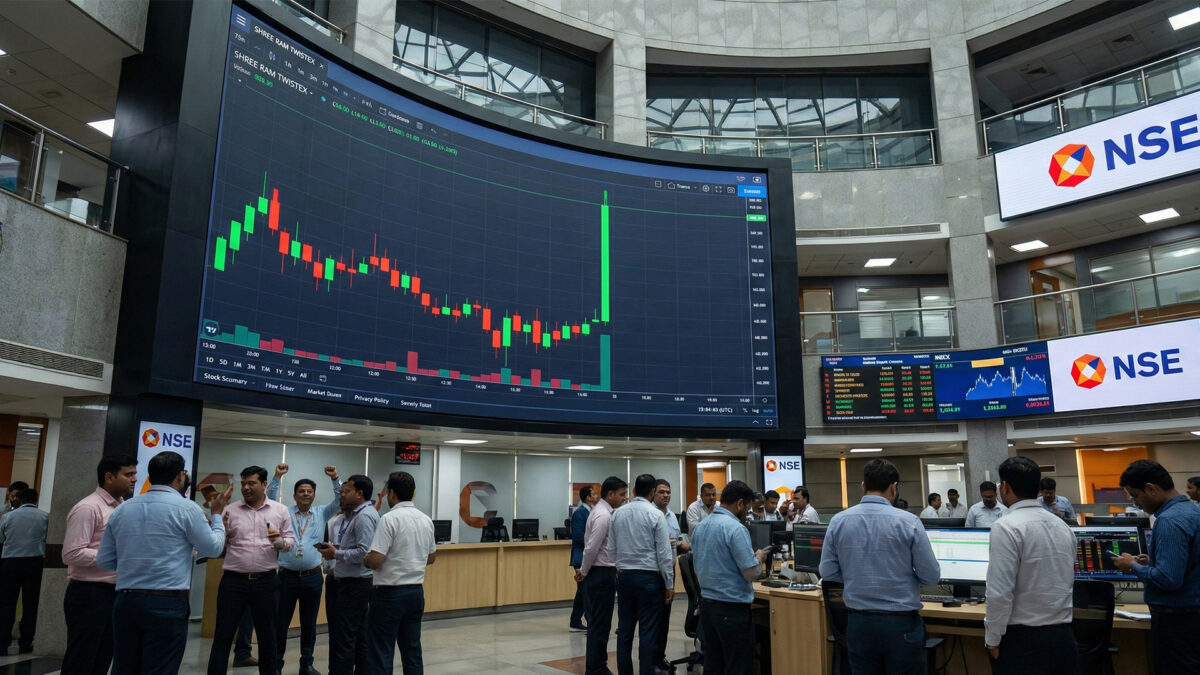
Sensex sees volatile moves, Nifty stays close to 25,300

Markets witnessed a choppy trading session on Friday, with benchmark indices swinging between gains and losses before settling largely flat. The BSE Sensex moved in a narrow range amid mixed cues, while the Nifty 50 managed to stay close to the 25,300 mark, supported by selective buying in metal and energy stocks.

Investor sentiment remained cautious due to continued foreign institutional investor (FII) outflows, even as global markets showed mild stability. Market participants preferred stock-specific positions ahead of key earnings announcements and broader macro cues.

On the gainers’ side, metal stocks led the rally, supported by firm global commodity prices. Shares of JSW Steel, Tata Steel and Hindalco advanced during the session. Select PSU stocks and oil & gas counters, including BPCL and ONGC, also saw buying interest. Defensive stocks in the pharma and FMCG space traded marginally higher, offering limited support to the indices.

However, gains were capped by weakness in banking and IT stocks. Private sector banks, including IndusInd Bank and Bandhan Bank, remained under pressure on concerns over margins and asset quality. IT majors slipped amid muted global tech sentiment and cautious outlook commentary. Aviation stocks, led by InterGlobe Aviation (IndiGo), declined after recent profit concerns and rising operational costs weighed on sentiment.

Mid-cap and small-cap stocks traded mixed, reflecting selective risk appetite. Overall market breadth remained slightly negative, indicating lack of broad-based buying.

Going ahead, analysts expect markets to remain range-bound in the near term, with movements driven by earnings results, global market trends, currency movement and expectations around the Union Budget.

Also Read: Sensex rises 398 points, Nifty crosses 25,300

Categories
Corporate

Sensex rises 398 points, Nifty crosses 25,300

Markets ended Thursday on a strong note, with the Sensex rising 398 points to 85,764 and the Nifty climbing above 25,300. The gains were led by robust domestic earnings and buying in banking and auto sectors.

Major gainers included Bajaj Consumer Care, Hero Motocorp, Samvardhana Motherson, Ashok Leyland, and Exide Industries, reflecting renewed investor interest in cyclical and consumer stocks. PSU banks also contributed to the rally, supported by healthy quarterly results.

On the other hand, stocks like Tata Steel, JSW Steel, KEI Industries, and select IT names faced profit booking, which kept overall market breadth slightly positive but cautious.

Corporate earnings played a key role in sentiment. Bajaj Consumer Care posted an 83% jump in quarterly profit, while Jindal Stainless reported a 26% rise in earnings compared with the year‑ago period. KEI Industries saw strong revenue growth but traded lower, reflecting mixed investor reactions.

In broader markets, Biocon gained after acquiring the remaining stake in Biocon Biologics, while Bank of India shares rose on better asset quality and profit growth.

Sectorally, the auto, banking, and PSU indices were the top performers, each gaining around 1–2%, while metal and IT indices lagged due to profit booking and global cues.

Also Read: Rupee slides 1% to 91.6 per dollar

Categories
Corporate

Andhra to start ArcelorMittal Nippon plant after Feb 15

Andhra Pradesh Chief Minister N. Chandrababu Naidu has announced that the foundation stone for the proposed ArcelorMittal Nippon Steel plant in Anakapalli district will be laid after February 15, 2026. The announcement came during his participation at the World Economic Forum (WEF) in Davos, Switzerland, where he met with ArcelorMittal executives, including Lakshmi N. Mittal, to discuss the project and its progress.

The steel plant is expected to be a major industrial investment, with an estimated outlay of around ₹60,000 crore. It is seen as a key initiative to boost industrial growth, local employment, and infrastructure development in Andhra Pradesh. The project is anticipated to bring significant opportunities for ancillary industries and increase the state’s contribution to the steel sector.

Naidu emphasized that all land acquisition, clearances, and statutory approvals must be completed by February 15 to allow the groundwork to begin without delays. He also assured that the Andhra Pradesh government will extend full support to ensure the plant’s construction and eventual production start smoothly.

The CM’s meetings in Davos highlighted Andhra Pradesh’s ambition to attract global investments beyond the steel sector. He engaged with international business leaders to explore opportunities in tourism, hospitality, and artificial intelligence training for youth, positioning the state as a favorable destination for both industrial and knowledge-based investments.

Officials said the ArcelorMittal Nippon Steel plant is expected to have a multiplier effect on the local economy, providing direct and indirect employment to thousands of people and supporting regional infrastructure projects. The plant’s development aligns with the state government’s strategy to promote large-scale industrialization while fostering innovation and skill development among the youth.

With the foundation stone ceremony scheduled soon, Andhra Pradesh is signaling its commitment to creating a business-friendly environment, completing clearances on time, and collaborating with international investors to accelerate industrial growth. The project is widely regarded as a transformative initiative for the state’s economy and a significant step in attracting global manufacturing investments.

Also Read: CLSA raises Reliance target to ₹1,800, flags Jio upside

Categories
Corporate

Inspira Global to take charge of Burger King India

Inspira Global is set to become the new promoter of Restaurant Brands Asia Ltd. (RBA), the company that operates Burger King outlets in India and Burger King and Popeyes restaurants in Indonesia. The deal comes as private equity firm Everstone Capital exits after more than a decade of backing the business.

Under the agreement announced on 21 January 2026, Inspira will acquire the entire 11.26 percent stake held by QSR Asia Pte. Ltd., Everstone’s investment vehicle, for about ₹460 crore, or ₹70 per share. This price is roughly 10 percent higher than the recent market close.

Beyond this stake purchase, Inspira plans to infuse fresh capital into RBA. This includes a preferential allotment of shares worth around ₹900 crore and warrants of approximately ₹600 crore. The combined transaction may lead to a mandatory open offer to RBA’s public shareholders under SEBI rules, potentially increasing Inspira’s holding and solidifying its control.

The acquisition will be carried out through Lenexis Foodworks Pvt. Ltd., Inspira’s food and beverage arm, which already operates over 250 Chinese Wok outlets across more than 45 cities in India. Existing management at RBA and its brand operations are expected to continue post-acquisition, ensuring business continuity.

Inspira Global describes the deal as a long‑term growth opportunity. With new capital and strategic support, RBA aims to strengthen its footprint in India’s fast‑evolving quick‑service restaurant sector.

Everstone’s exit marks the end of an era that began with launching India’s first Burger King outlet. The transaction highlights ongoing consolidation in the country’s fast-food market as companies reposition to meet rising consumer demand and competitive pressures.

Also Read: Ubisoft restructures, cancels six games

Categories
Corporate

Sensex jumps 300 points, Nifty reclaims 25,250

Indian equity markets staged a strong rebound on Thursday, where BSE Sensex advanced more than 300 points, while the Nifty 50 moved above the 25,250 level, offering relief to investors after recent volatility.

The recovery was driven by improved global sentiment following signs of easing geopolitical tensions and a pullback in trade-related concerns. Asian markets traded higher, tracking overnight gains on Wall Street, which helped lift risk appetite across emerging markets, including India.

On the domestic front, buying interest was seen across sectors, supported by selective corporate earnings and stock-specific triggers. Eternal emerged as one of the top gainers, rising sharply after reporting strong quarterly results. Mahindra & Mahindra and Adani Ports also traded higher, gaining around 2 per cent each on firm demand and positive sector outlook. Energy and aviation stocks, including Waaree Energies and InterGlobe Aviation (IndiGo), also attracted investor interest.

However, gains were capped by weakness in select banking and consumer stocks. ICICI Bank slipped amid profit-booking after recent gains, while retail-focused stock Trent also traded lower. Other defensive names saw mixed movement as investors remained cautious despite the broader rebound.

Market participants described the session as a relief rally following sharp losses earlier in the week, noting that investors continued to remain selective. Analysts said the sustainability of the rebound would depend on continued stability in global markets, progress on corporate earnings and upcoming macroeconomic cues.

Also Read: Deepinder Goyal steps down as Eternal CEO

Categories
Corporate

Adani Group unveils $66 billion Maharashtra plan at WEF

The Adani Group has announced a USD 66 billion investment pipeline for Maharashtra, underscoring its long-term bet on India’s infrastructure-led growth and energy transition. The plan was presented at the 56th World Economic Forum (WEF) annual meeting in Davos, positioning the conglomerate as a strategic partner in the state’s next phase of economic expansion.

The proposed investments, to be deployed over the next seven to ten years, span aviation, urban infrastructure, clean energy, digital platforms and advanced manufacturing. The Group said the portfolio reflects a shift from standalone asset creation to building integrated, future-ready ecosystems aligned with national priorities such as manufacturing self-reliance, sustainability and ease of doing business.

Urban transformation projects form a significant part of the plan. A flagship initiative is the redevelopment of Dharavi, one of India’s most complex urban renewal exercises. The project aims to convert Asia’s largest informal settlement into a planned, economically productive urban district, with modern housing, infrastructure and commercial activity.

Another key growth driver is Navi Mumbai, anchored by the Navi Mumbai International Airport (NMIA). One of India’s largest greenfield airport projects, NMIA commenced operations on December 25 and is expected to significantly expand aviation capacity in the Mumbai metropolitan region. The airport is also seen as a catalyst for allied sectors such as logistics, hospitality, real estate and commercial development.

Beyond transport and urban infrastructure, the investment roadmap includes green, integrated data centre parks with a combined capacity of 3,000 MW, an integrated arena district near the airport, coal gasification facilities, and pumped-storage hydropower projects totalling 8,700 MW. The Group has also proposed semiconductor and display fabrication units, in line with the government’s evolving framework to attract private investment into high-tech manufacturing.

Maharashtra Chief Minister Devendra Fadnavis said the state welcomes all investors who contribute to job creation and economic growth. Pranav Adani, Director of Adani Enterprises, highlighted the scale and sectoral diversity of the planned investments, noting the Group’s increasing focus on scale, integration and sustainability.

Also Read: Amazon launches new Echo Show 11, Echo Show 8

Categories
Corporate

Sensex drops 271 points, Nifty slips below 25,200

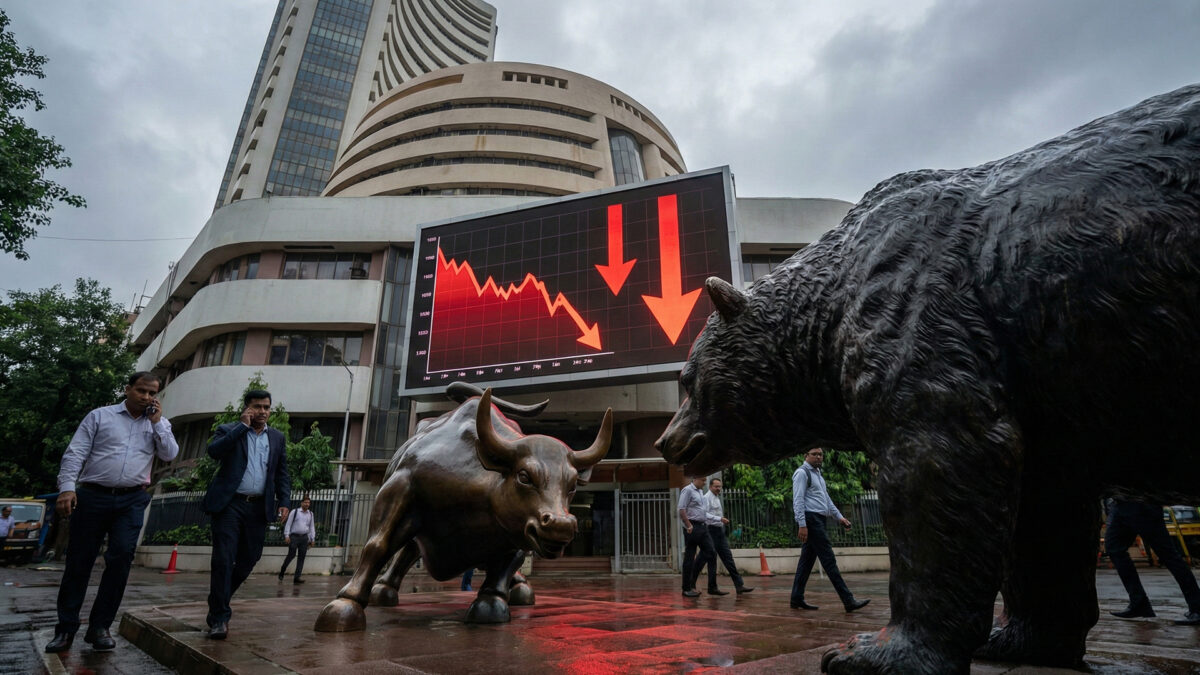
Indian equity markets closed in the red on Wednesday as cautious investor sentiment and sustained selling pressure weighed on benchmark indices. The BSE Sensex declined by 271 points, while the NSE Nifty50 slipped below the 25,200 level, reflecting weak momentum across large parts of the market.

Trading was volatile throughout the session. The benchmarks opened sharply lower, with the Sensex plunging over 1,000 points at one stage and the Nifty briefly falling below the 25,000 mark. Some recovery was seen later in the day as bargain hunting emerged at lower levels, helping indices pare losses, but the rebound lacked strength and markets eventually ended lower.

Despite the overall weakness, a few stocks managed to buck the trend. Eternal Ltd, InterGlobe Aviation, and UltraTech Cement were among the top gainers, supported by stock-specific buying and defensive interest. Power Grid Corporation and HDFC Life Insurance also closed higher, offering limited support to the benchmarks amid widespread selling.

On the flip side, heavyweights dragged the indices down. ICICI Bank emerged as a key loser, reflecting pressure in banking stocks. Trent Ltd and Bharat Electronics Ltd also declined, contributing to losses in the consumer and defence segments. Broader selling was visible across financials, industrials, and select technology stocks, keeping market sentiment subdued.

Global cues remained weak, adding to domestic concerns. Persistent foreign institutional investor (FII) outflows continued to weigh on equities, while a weaker rupee against the US dollar further dampened sentiment. Asian markets also traded lower, reinforcing the cautious tone on Dalal Street.

Sectorally, most indices ended in negative territory, with banking and capital goods underperforming. Defensive and infrastructure-linked stocks showed relative resilience, but this was not enough to offset broader losses. Mid-cap and small-cap stocks also faced pressure, underlining risk aversion among investors.

Market experts said volatility is likely to continue in the near term amid global uncertainties and ongoing earnings-related developments. Investors are advised to remain cautious, focus on fundamentally strong stocks, and avoid aggressive positions until clearer signals emerge.

Also Read: India exports first guided Pinaka rockets abroad