Categories
Corporate

RBI Proposes Easier Rules for External Commercial Borrowings

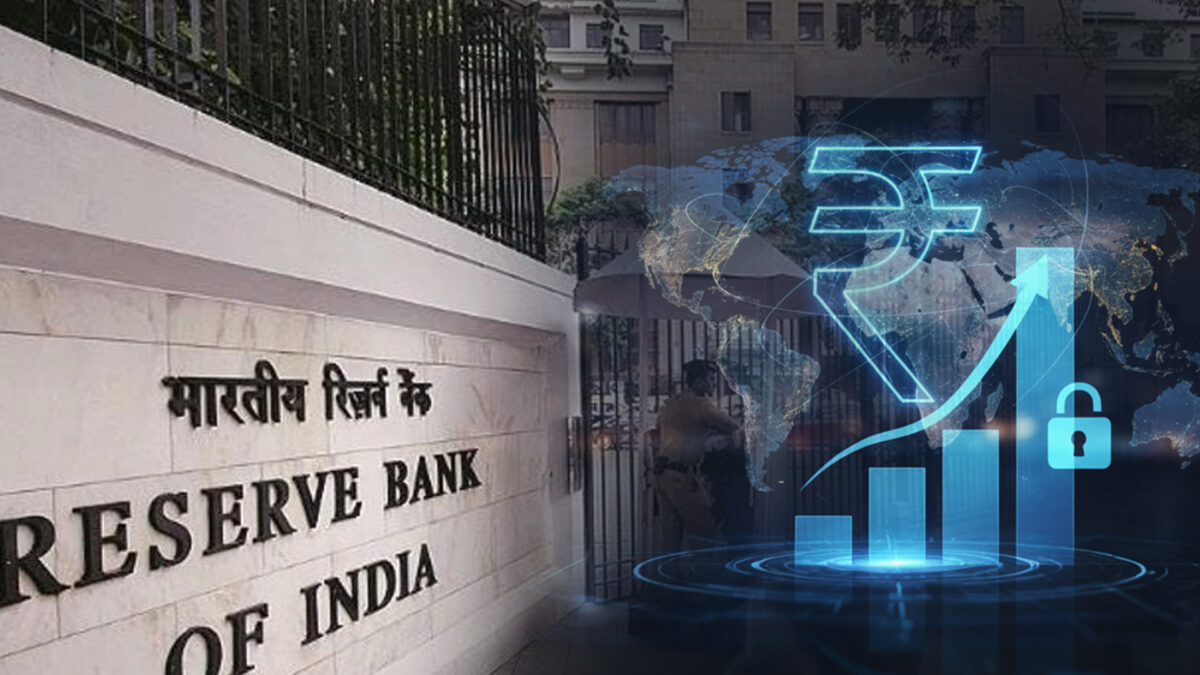
The Reserve Bank of India (RBI) has released draft regulations aimed at liberalizing the framework for External Commercial Borrowings (ECBs), marking a significant shift in the country’s approach to foreign capital inflows. The proposed changes are designed to enhance funding access for Indian companies, particularly in capital-intensive sectors, by aligning borrowing limits with financial strength and removing fixed interest rate caps.

Under the new proposal, companies would be permitted to raise ECBs up to the higher of $1 billion or 300% of their net worth, based on the latest audited balance sheet. This replaces the previous uniform cap of $750 million per financial year under the automatic route, which required specific approval for larger sums. Financial sector firms regulated by the RBI, Securities and Exchange Board of India (SEBI), Insurance Regulatory and Development Authority of India (IRDAI), or Pension Fund Regulatory and Development Authority (PFRDA) would not be subject to any borrowing limits under the proposed framework.

The draft regulations also suggest eliminating the all-in-cost ceiling, allowing ECBs to be raised at market-determined interest rates. However, for borrowings with a maturity of less than three years, costs would be capped in line with those applicable for trade credit. The Minimum Average Maturity Period (MAMP) requirement is proposed to be standardized at three years, with certain exceptions for specific sectors.

All India-incorporated entities, including those under financial restructuring or investigation, would be allowed to raise ECBs, subject to certain conditions. Companies undergoing restructuring would need approval under a resolution plan, while those under investigation must provide sufficient disclosures.

The RBI also aims to simplify end-use restrictions and reporting requirements to ease compliance burdens. ECB proceeds would be allowed for funding acquisitions, on-lending by regulated lenders, and investments in primary market instruments issued by non-financial entities, among other uses.

The central bank has invited public feedback on the draft regulations until October 24, 2025, before finalizing the framework. If implemented, these changes are expected to facilitate easier access to foreign capital for Indian companies, potentially reducing their reliance on domestic borrowing and enhancing their ability to finance growth and expansion initiatives.

Also Read: US Senators Press TCS Over H-1B Hiring Amid Layoff Allegations


Categories
Corporate

US Senators Press TCS Over H-1B Hiring Amid Layoff Allegations
A bipartisan pair of U.S. senators has issued a pointed demand for answers from Tata Consultancy Services (TCS), raising sharp questions about the Indian IT giant’s use of H-1B visa holders while laying off American employees.

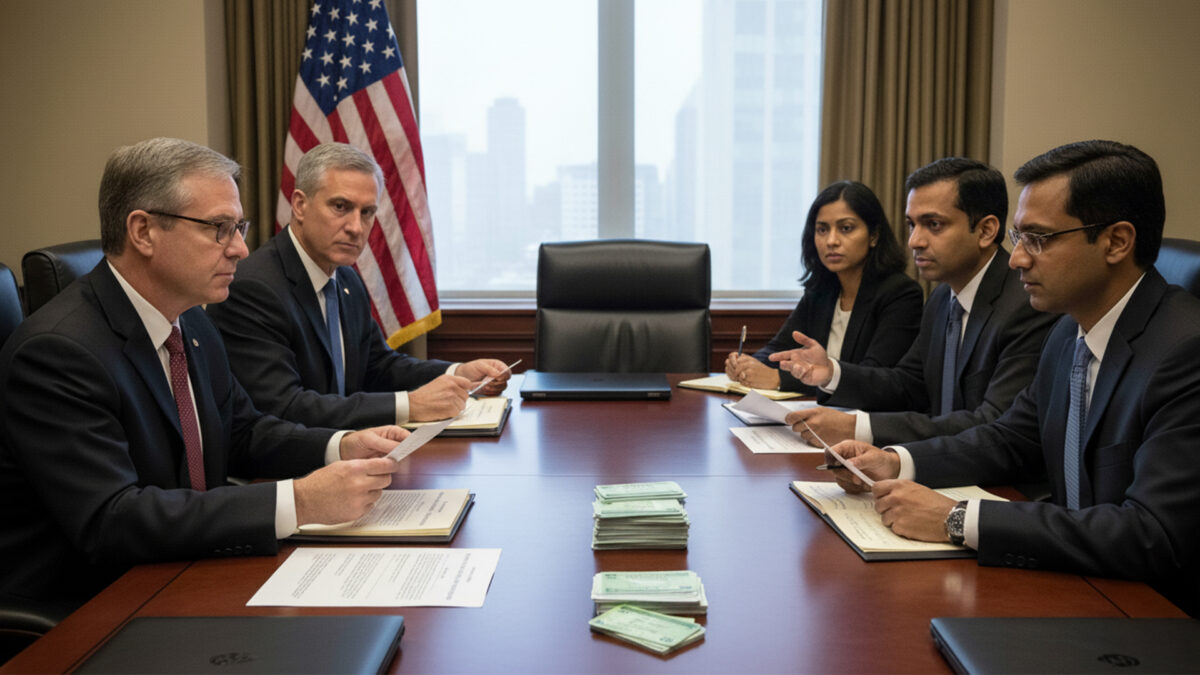
In a letter dated September 24, Senate Judiciary Committee Chairman Chuck Grassley and ranking member Dick Durbin asked TCS CEO Krithi Krithivasan to provide details by October 10, 2025, about the company’s hiring and layoff practices, wage parity, and whether any displacement of U.S. workers has occurred.

The senators noted that TCS has reportedly initiated plans to cut over 12,000 jobs globally, with some of those layoffs affecting U.S. staff. In that context, they highlighted that in fiscal 2025 TCS obtained approval to recruit 5,505 new H-1B employees, making it the second-largest corporate recipient of such approvals in the United States. They challenged the company to explain how it justifies continued H-1B petitions even as it trims its American workforce.

The letter raised nine specific queries. Among them: whether TCS has directly replaced American employees with H-1B workers; whether job postings for H-1B roles are segregated from general recruitment ads; and whether foreign hires receive the same compensation, benefits and terms as U.S. staff with comparable credentials.

The senators also asked whether TCS uses subcontractors or staffing firms to place H-1B workers and, more broadly, whether it has demonstrated genuine recruitment efforts in the U.S. labor pool before resorting to visa-based hiring.

The inquiry additionally pointed out that TCS is under an ongoing Equal Employment Opportunity Commission (EEOC) probe over allegations that the company may have dismissed older American employees in favor of younger H-1B visa hires, raising concerns of age discrimination.

The senators suggested that the timing of layoffs coupled with visa filings during the investigation heightened the need for transparency.

Reports noted that TCS is the sole Indian company among a broader group of ten tech and corporate entities that received similar letters from Grassley and Durbin. Those other firms, including Amazon, Apple, Google, Microsoft and Cognizant, were asked to address parallel concerns about mass layoffs and H-1B hiring, according to a report by The Financial Express.

Observers say the senators’ inquiry reflects mounting political pressure on the H-1B system, particularly under an administration that has recently floated a $100,000 fee for new H-1B petitions and vowed tighter oversight of foreign worker programs.

Critics argue that while the H-1B visa is meant to fill genuine skill gaps, its misuse may displace U.S. talent—or at least cast doubt on established hiring practices. As TCS prepares to respond, the outcome could prove consequential not only for its reputation but also for broader debates over immigration, workforce fairness, and corporate accountability.

Also Read: Eyewear Retail Major Lenskart Secures SEBI Approval For IPO

Categories
Corporate

Tata Capital IPO Gathers Momentum with ₹4,600 Crore Anchor Investment


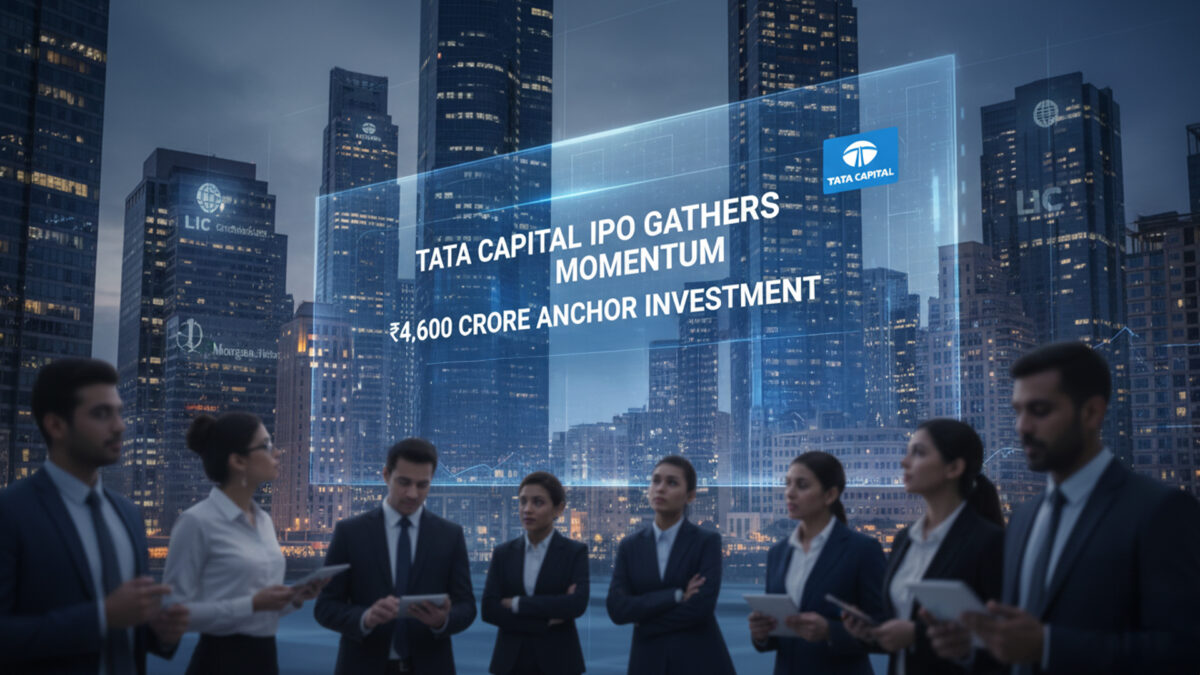
Tata Capital’s upcoming IPO is making waves, not just for its size, but for the confidence it has inspired among some of the world’s top investors. Ahead of the ₹15,500-crore public issue, Tata Capital lined up an impressive ₹4,642 crore from 135 anchor investors. LIC took the lead as the largest anchor, joined by global financial giants like Morgan Stanley, Goldman Sachs, and Nomura, underscoring the company’s broad appeal across continents.

Eighteen of India’s top mutual funds and several major insurance companies also jumped in, picking up over 5 crore shares between them, a testament to Tata Capital’s standing at home. This surge of institutional investor interest sent a strong signal to the market, just days before the IPO opens for subscription.

For Tata Capital, which started in 2007 and has since blossomed into India’s third-largest NBFC with a ₹2.33 lakh crore loan book, this IPO is a springboard for its next phase of growth. Most of the proceeds will be used to boost the company’s financial cushion, helping it lend more even as it keeps risks in check. Meanwhile, Tata Sons and IFC will partly cash out their stakes.

The response to the anchor book, subscribed to five times over, reflects a vote of confidence in Tata Capital’s focus on retail and SME lending, its robust asset quality, and the backing of the larger Tata brand. Riding a wave of momentum from the anchor round, the IPO will be open from October 6 to 8, with trading set to begin on October 13. The offering has already attracted a premium in the grey market, hinting at the anticipation surrounding one of the year’s most closely watched listings.

Categories
Corporate

Eyewear Retail Major Lenskart Secures SEBI Approval For IPO

India’s leading eyewear retailer, Lenskart, has secured regulatory approval from the Securities and Exchange Board of India (SEBI) to proceed with its initial public offering (IPO).

The approval relates to its draft red herring prospectus, which includes a fresh equity issue of ₹2,150 crore alongside an offer for sale (OFS) by promoters and early investors. According to sources, the OFS is expected to involve the sale of up to 132.3 million shares.

In terms of structuring, co-founder Peyush Bansal intends to offload around 20 million shares, while other founders such as Neha Bansal, Amit Chaudhary, and Sumeet Kapahi will each sell smaller stakes.

Institutional backers including SoftBank, Temasek, Kedaara Capital, Alpha Wave Ventures, Premji Invest, and others have also been named among prospective sellers in the OFS component.

Lenskart’s total IPO size is projected to be in the range of ₹7,500 crore to ₹8,000 crore, taking into account both the fresh issue and the OFS. After gaining SEBI’s nod, the company is expected to file an updated prospectus in the coming weeks and eye a mid-November listing.

The business has shown a strong financial rebound. In FY25, Lenskart turned profitable, posting a net profit of about ₹297.3 crore, compared to a net loss of around ₹10.2 crore in FY24. Its revenues increased by nearly 22–23 percent year-on-year to about ₹6,652.5 crore. The company has attributed margin improvements to operational efficiencies and scaling advantages.

Proceeds from the fresh issue are earmarked across multiple strategic investments. Around ₹272.6 crore will go into setting up new company-owned stores, ₹591.4 crore toward rent, lease, and license expenses for existing outlets, ₹213.4 crore for technology and cloud infrastructure, and ₹320 crore for brand marketing. The remainder will support acquisitions and general corporate needs.

Ahead of going public, founder Peyush Bansal acquired an additional 2.5 percent stake from existing investors for ₹222 crore, valuing the company at over ₹8,700 crore.

With SEBI’s clearance secured and the public debut timeline set, Lenskart joins a growing wave of Indian startup-era companies transitioning to public markets this year.

Also Read: Battle of AI Behemoths: xAI Sues OpenAI Over ‘Employee Poaching’


Categories
Corporate

Battle of AI Behemoths: xAI Sues OpenAI Over ‘Employee Poaching’

Elon Musk’s artificial intelligence startup xAI has filed a lawsuit against OpenAI, accusing it of orchestrating a systematic campaign to poach employees and steal proprietary technology related to xAI’s chatbot, Grok.

The lawsuit, filed in federal court in California, alleges that OpenAI targeted former xAI employees to gain access to confidential information, including source code and data center strategies.

“This case is clearly designed to generate publicity to bully and threaten those employees who exercised their right to leave and work elsewhere in the AI industry and to try to chill further flight from xAI,” the filing said, reported Bloomberg.

xAI claims that OpenAI used a recruiter, Tifa Chen, to contact former employees and entice them to join OpenAI under the pretext of offering lucrative positions. The lawsuit points to specific incidents involving former xAI engineers Xuechen Li and Jimmy Fraiture, who allegedly transferred confidential files to personal devices before leaving xAI.

The complaint also includes an email exchange suggesting a former employee violated confidentiality agreements, with a blunt response from the employee.

In response, OpenAI has filed a motion to dismiss the lawsuit, calling the claims baseless and part of Musk’s “ongoing harassment” of the company. OpenAI contends that employees have the right to change employers and that it can legally hire talent from competitors. The company further argues that xAI’s claims are a distraction from its own internal struggles, including a loss of personnel, reported news agency Reuters.

This legal dispute is part of a broader feud between Musk and OpenAI, which he co-founded. The rivalry has intensified as competition in the AI sector grows, with both companies vying for dominance in the rapidly evolving field.

The outcome of this lawsuit could have significant implications for the AI industry, particularly concerning the protection of trade secrets and the rights of employees to move between companies.

As of now, the case is ongoing, and a federal judge is expected to review OpenAI’s motion to dismiss in the coming weeks. The legal proceedings will likely continue to unfold, shedding light on the complex dynamics of competition and intellectual property in the artificial intelligence sector.

Also Read: Adani Green Energy Reaches 16,598.6 MW Operational Capacity

Categories
Corporate

Blackstone Nears $12.9 Billion Target for Asia Buyout Fund

Blackstone Inc. has successfully raised $10 billion for its latest Asia-focused private equity fund and is on track to reach its $12.9 billion hard cap by early 2026, according to sources familiar with the matter told news agency Bloomberg.

The New York-based firm is targeting investments in India, Japan, and Australia, while limiting exposure to China due to ongoing economic and regulatory challenges.

The new fund, Blackstone’s third dedicated to Asia, has attracted significant interest from global investors seeking growth opportunities in the region.

The firm is expected to finalize fundraising by the first quarter of next year, with the possibility of exceeding the $12.9 billion cap depending on investor demand.

India remains a primary focus for the fund, with substantial capital allocated to the country. Blackstone has previously expressed confidence in India’s economic prospects, citing its favorable demographics and growth potential.

The firm has also expanded its presence in Southeast Asia, including plans to double its headcount in Singapore.

The success of the fundraising effort comes amid a challenging environment for private equity investments in Asia, particularly in China. Investors have become more cautious due to economic slowdown and regulatory uncertainties.

As a result, Blackstone’s strategy of focusing on markets like India and Japan reflects a shift towards more stable and promising investment destinations in the region.

With the fundraising nearing completion, Blackstone is poised to deploy capital into strategic acquisitions and investments that align with its long-term growth objectives in Asia.

Also Read: Adani Green Energy Reaches 16,598.6 MW Operational Capacity

Categories
Corporate

Goodluck India Secures Defence Manufacturing License

Goodluck India Ltd has achieved significant milestones in its defence sector expansion. The company’s subsidiary, Goodluck Defence & Aerospace, has obtained an industrial license under the Indian Arms Act, 1959, to manufacture medium-caliber artillery shells ranging from 105mm to 155mm, including variants such as HE M107 and ERFB.

This license positions Goodluck Defence as a key player in India’s artillery ammunition supply chain, with an initial annual production capacity of 150,000 shells, set to commence trial production in the third quarter of fiscal year 2026.

In a strategic move to bolster its presence in the aerospace sector, Goodluck India has also entered into a tripartite Memorandum of Understanding (MoU) with BrahMos Aerospace Thiruvananthapuram Ltd and Axiscades Technologies.

This collaboration aims to develop India’s Advanced Medium Combat Aircraft (AMCA), a fifth-generation stealth fighter jet.

The consortium has submitted an Expression of Interest to the Aeronautical Development Agency, Bengaluru, to participate in the tender process, combining strengths in engineering, electronics, and defence manufacturing to enhance India’s technological sovereignty.

These developments have positively impacted Goodluck India’s stock performance.

On October 3, 2025, the company’s shares rose by 2.55% to ₹1,341, marking a new all-time high.

Over the past five trading sessions, the stock has gained over 12%, reflecting investor confidence in Goodluck India’s strategic initiatives in the defence sector.

Looking ahead, Goodluck Defence plans to expand its artillery shell production capacity and is exploring opportunities for an initial public offering (IPO) to further fund its defence ventures.

The company remains optimistic about meeting the growing demand for advanced artillery systems and combat aircraft components, both domestically and internationally.

Goodluck India’s forging division continues to support other high-profile projects, including manufacturing components for the Bullet Train project, HAL, and DRDO, reflecting the company’s diversified engineering capabilities. The combined focus on defence, aerospace, and critical infrastructure projects positions Goodluck India as a growing force in India’s industrial and strategic landscape.

Also Read: Wockhardt Seeks USFDA Nod For Groundbreaking Antibiotic

Categories
Corporate

Maruti Suzuki Becomes First Carmaker to Transport Vehicles to Kashmir by Rail

Maruti Suzuki India Limited has created history by becoming the country’s first automobile manufacturer to transport vehicles into the Kashmir Valley using Indian Railways.

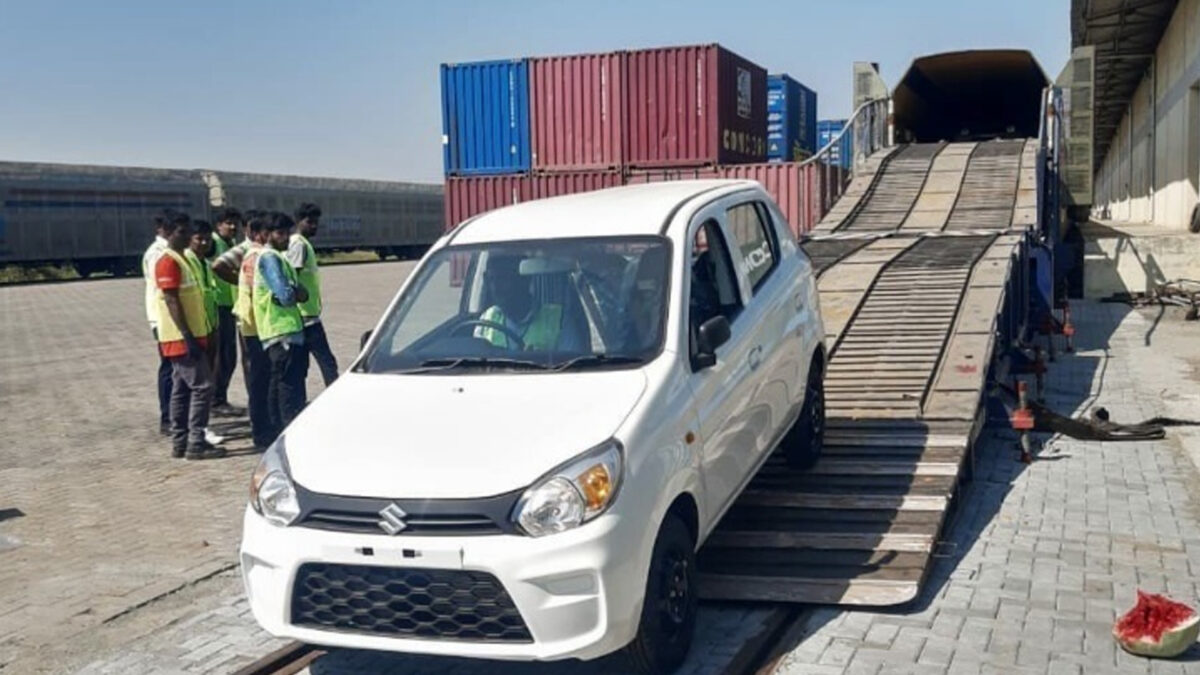
The company confirmed on Friday, October 3, 2025, that its inaugural shipment of cars arrived at the newly opened Anantnag railway terminal, marking a significant milestone in both India’s automotive logistics and the region’s connectivity.

The first consignment carried more than 100 vehicles, including some of Maruti Suzuki’s most popular models such as the Brezza, Dzire, WagonR, and S-Presso. The train began its journey from the company’s recently inaugurated in-plant railway siding in Manesar, Haryana, and traveled more than 850 kilometers to reach Anantnag.

On its way, the shipment crossed the iconic Chenab Bridge, the world’s highest railway arch bridge, which forms a crucial part of the Udhampur-Srinagar-Baramulla Rail Link (USBRL) project. Commissioned earlier this year, the bridge has been hailed as a feat of engineering and a symbol of improved connectivity for the Kashmir Valley.

Union Minister for Railways, Electronics & Information Technology, and Information and Broadcasting, Ashwini Vaishnaw, underlined the broader significance of the development. “In recent times, apples from the valley have been transported using the Jammu & Kashmir rail link. Now, Maruti Suzuki cars will be transported to Kashmir Valley by rail. The Jammu–Srinagar railway line is a game changer for the people of Jammu & Kashmir,” he said, highlighting the economic and social benefits of the enhanced rail network.

Maruti Suzuki’s Managing Director and CEO, Hisashi Takeuchi, echoed the sentiment, noting that railway logistics have become a central part of the company’s distribution strategy. “We are grateful to the Hon’ble Prime Minister, under whose leadership transformative infrastructure projects have come up across the country. The world’s highest railway arch bridge over Chenab river is one such landmark, enabling seamless and efficient connectivity to Kashmir Valley and allowing Maruti Suzuki to better serve customers in the region,” Takeuchi said.

The move is expected to not only improve the company’s ability to reach customers in Jammu & Kashmir but also boost efficiency and sustainability in its supply chain.

Rail transport has increasingly become a preferred mode for Maruti Suzuki, which has been steadily expanding its use of dedicated railway sidings to reduce dependence on road transport and lower its carbon footprint.

Industry experts point out that this development signals a new phase in the integration of Kashmir with India’s industrial supply chains. With the USBRL project nearing completion, the arrival of rail-based logistics in the Valley is likely to spur trade, enhance employment opportunities, and provide a fillip to local markets.

For Maruti Suzuki, the milestone is also a reflection of its broader ambition to strengthen its logistics backbone as it eyes deeper market penetration in India’s farthest corners. By leveraging India’s rapidly improving infrastructure, the company is not only ensuring faster delivery of vehicles but also reinforcing its position as the country’s largest automaker with a forward-looking logistics strategy.

This first rail consignment to Anantnag, industry analysts suggest, is a harbinger of more to come as India’s rail network continues to evolve into a backbone for commercial transportation across sectors.

Also Read: Battle of AI Behemoths: xAI Sues OpenAI Over ‘Employee Poaching’

Categories
Corporate

Honda’s Global Push Fuels 5.6 Lakh September Sales

 Honda Motorcycle & Scooter India (HMSI) continued its growth journey with a good profit in September 2025, closing a total sales of 568,164 units, which is up 5.44% compared to the same month last year.

Of these, 505,693 units were sold in the domestic market, reflecting a 2.85% rise, while exports jumped by 32.43% to reach 62,471 units, leveraging the company’s growing footprint internationally.

The company also saw momentum build month-over-month, with September sales climbing nearly 6% over August 2025, highlighting a steady demand trajectory heading into the festive season.

For the first half of the financial year 2025–26 (April to September), HMSI recorded 2.99 million unit sales, including 2.68 million sold in India and 311,517 units exported.

Honda’s steady growth in both domestic and export markets highlights its push to expand the product range and strengthen its footprint in key regions. With the festive season boosting demand, the company looks well-placed to carry this momentum forward in the coming months.

Also Read: Air India Launches First Non-Stop Flight to Philippines

Categories
Corporate

Wockhardt Seeks USFDA Nod For Groundbreaking Antibiotic

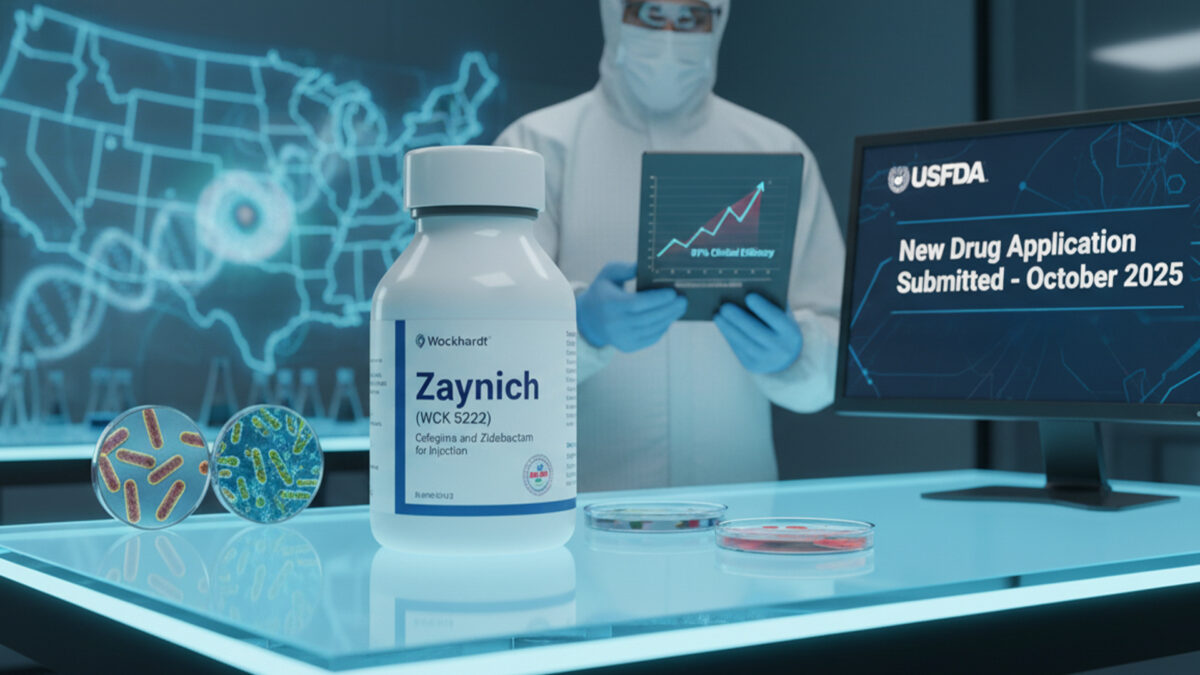
Mumbai-based pharmaceutical company Wockhardt has submitted a New Drug Application (NDA) to the U.S. Food and Drug Administration (USFDA) for its novel antibiotic, Zaynich (WCK 5222), marking a significant milestone in Indian pharmaceutical innovation.

This submission, made in early October 2025, seeks approval for the treatment of complicated urinary tract infections (cUTIs) caused by multi-drug resistant (MDR) and extensively drug-resistant (XDR) gram-negative bacteria, including strains of Pseudomonas aeruginosa and Acinetobacter baumannii.

Zaynich is a combination of zidebactam, a β-lactam enhancer, and cefepime, a fourth-generation cephalosporin. It has demonstrated over 97% clinical efficacy in Phase III trials, surpassing the standard-of-care meropenem by 20%.

The ENHANCE 1 trial, conducted across 64 sites in countries including the United States, India, and several European nations, enrolled 530 patients with serious infections.

Zaynich achieved a 96.8% clinical cure rate and a composite clinical and microbiological cure rate of 89%, outperforming meropenem’s 68.4% in the same endpoint.

The drug has also shown promise in compassionate use cases, with reports indicating that it has saved at least 51 lives in the United States and India as of mid-2025. Some earlier reports suggest that 30-50 patients had been treated with a 100% success rate.

Following the NDA submission, the USFDA will conduct a 60-day filing review to assess the application’s completeness. If accepted, Zaynich may be granted either Priority Review, with a six-month timeline, or Standard Review, with a ten-month timeline. The process includes facility inspections, labeling negotiations, and potentially an advisory committee meeting. Zaynich has received Fast Track and Qualified Infectious Disease Product (QIDP) designations, which expedite the review process and offer five additional years of market exclusivity upon approval.

Wockhardt anticipates a decision by mid to late 2026 and is targeting a U.S. launch in fiscal year 2027. The global market for gram-negative infections is estimated to be over $7 billion, with more than 8 million cUTI cases reported annually in the U.S. and European Union. Zaynich’s potential to address this unmet medical need positions it as a promising candidate for approval.

This submission is notable as it represents the first-ever NDA submission to the USFDA for a drug fully discovered and developed by an Indian pharmaceutical company, marking a pivotal moment for Indian pharma innovation. Wockhardt plans to commercialize Zaynich independently in the U.S., though it has not ruled out potential partnerships.

The successful development and potential approval of Zaynich underscore the growing capabilities of Indian pharmaceutical companies in pioneering novel therapies to combat global health challenges.

If approved, Zaynich could significantly enhance Wockhardt’s global footprint and revenue, reinforcing India’s position in the global pharmaceutical landscape.

Also Read: Blackstone Nears $12.9 Billion Target for Asia Buyout Fund