Categories
Corporate

Centre eyes completing IDBI Bank disinvestment by mid-2025, bids to be invited by end-March

Centre eyes completing IDBI Bank disinvestment by mid-2025, bids to be invited by end-March

As part of the disinvestment of IDBI Bank, the Centre along with Life Insurance Corporation of India will sell 61% stake in the lender, along with the management control. This includes 30.48% stake of the Government of India and 30.24% of LIC

Staff Writer

The Centre remains confident of completing the privatisation of IDBI Bank in the next financial year and expects the financial bids for the transaction to be invited by next month.

“The disinvestment of IDBI Bank is on track. We expect it to be completed by the middle of this year. Financial bids will be called by end of March,” an official source said.

According to sources, the due diligence process by the bidders is currently ongoing. They are now getting access to confidential data of the bank to assess its financial position and decide upon the bank’s valuation and their financial bids.

The Reserve Bank of India has already completed the fit and proper assessment of the bidders.

“When the IDBI Bank stake sale goes through, this will be the largest privatisation exercise since the disinvestment of Air India,” noted the source.

As part of the disinvestment of IDBI Bank, the Centre along with Life Insurance Corporation of India will sell 61% stake in the lender, along with the management control. This includes 30.48% stake of the Government of India and 30.24% of LIC.

The process of the bank’s privatisation has been long drawn, starting way back in January 2023 when the Centre had issued an Expression of Interest. Since then, the transaction has gone through several steps and processes with the financial bids being one of the very last processes.

For now, officials remain tight lipped about the realisation from the stake sale. For 2025-26, the Union Budget has estimated raising Rs 47,000 crore from disinvestment and asset monetisation and no separate figure has been ear marked from the sale of IDBI Bank.

The bank reported a 31% increase in its net profit for the third quarter of the fiscal at Rs 1,908 crore compared to Rs 1,458 crore in the same period a year ago.

Categories
Corporate

Patanjali partners with IBSFINtech for digital transformation of its treasury management

Patanjali partners with IBSFINtech for digital transformation of its treasury management

The integration of the Integrated Treasury Management Solution (ITMS) represents a major advancement in Patanjali's digital transformation

Staff Writer

The Patanjali Group has collaborated with IBSFINtech, a renowned global leader in Treasury Management Solutions. The integration of IBSFINtech’s platform with Patanjali’s current ERP system will transform the treasury and trade finance operations. The implementation of an Integrated Treasury Management Solution marks a significant milestone in the Group's digital transformation.

The real-time analytics and actionable insights provided by the system create a connected ecosystem for Patanjali, enhancing risk management, organisational agility, and resilience through informed decision-making.

The integration of the Integrated Treasury Management Solution (ITMS) represents a major advancement in Patanjali's digital transformation. Through providing real-time analytics and actionable insights, the platform establishes a unified environment that enhances risk management, organisational flexibility, and resilience. This empowers Patanjali to make well-informed decisions and improve operational efficiency throughout its worldwide operations.

Patanjali Group’s commitment to technological innovation is demonstrated through the incorporation of AI and Machine Learning, which greatly enhances operational efficiency. This integration not only enhances financial processes but also aligns with Patanjali's objectives for global expansion, tackling challenges such as Forex management, hedging strategies, and market volatility.

Sanjeev Asthana, CEO Patanjali Foods, said: “As a global brand, this collaboration reinforces our commitment to harnessing cutting-edge solutions. The initiative not only redefines financial operations but also underscores Patanjali’s commitment to innovation. It aligns with our global expansion goals and addresses growing complexities of international operations, Forex management, hedging strategies, and market volatility.”  

Kumar Rajesh, CFO of Patanjali Group, stated: “By simplifying financial ecosystems and ensuring real-time insights, Patanjali has achieved unmatched operational transparency, agility, and resilience. These advancements have fortified governance structures and empowered the organization to navigate dynamic financial landscapes with confidence.”  

Categories
Corporate

Nissan may call off merger talks with Honda

Nissan may call off merger talks with Honda

Honda, Japan's second-largest carmaker, and Nissan, the third-largest, had announced last year that they were in talks to merge, which would have marked a significant shift in an industry

Staff Writer

Japan's Nissan may potentially end its merger discussions with Honda, as per a report. Nissan's board members are expected to convene soon to decide their next steps. 

According to a report in Reuters that quoted sources, this development casts uncertainty over a merger that could have resulted in the world's third-largest automaker by sales and raises questions about Nissan's ability to navigate its current challenges without external support.

The news of the potential end to merger talks led to a rise in the shares of both companies on Wednesday, with Honda's shares increasing by over 2 per cent and Nissan's by 1.6 per cent, despite a slight decline in Tokyo's Nikkei 225 index.

Honda, Japan's second-largest carmaker, and Nissan, the third-largest, had announced last year that they were in talks to merge, which would have marked a significant shift in an industry facing competition from China's BYD and other electric vehicle newcomers. However, sources indicated that the discussions have been complicated by growing differences between the two parties, as per the report.

Nissan's board is reportedly set to deliberate on ending the merger talks after Honda proposed making Nissan a subsidiary, a move that deviates from their initial discussions. Honda, with a market value nearly five times that of Nissan, is increasingly concerned about Nissan's progress in its recovery plan.

Japan's Asahi Shimbun newspaper had earlier reported that the merger might be called off. Representatives from both companies declined to comment on the status of the merger talks but stated that an announcement would be made in mid-February, as previously indicated.

Nissan has faced greater challenges than some other automakers in the transition to electric vehicles, having not fully recovered from the crises following the arrest and removal of former Chairman Carlos Ghosn in 2018. The merger discussions have also coincided with potential tariff disruptions from the United States. Analysts suggest that tariffs against Mexico could impact Nissan more severely than Honda or Toyota.

Nissan's long-term alliance partner, Renault, had expressed openness to the merger with Honda. The French automaker holds a 36 per cent stake in Nissan, including 18.7 per cent through a French trust.


Categories
Corporate

Budget 2025: Tax relief for middle-class to bolster growth in 2025, says Corporate India

Budget 2025: Tax relief for middle-class to bolster growth in 2025, says Corporate India

The budget emphasises on long-term growth through substantial infrastructure investments and a strong focus on innovation

Staff Writer

Continuing its focus on rapid infrastructure development, the government this time has aided its growth formula with major tax relief for the low-to-mid income individuals. As Finance Minister Nirmala Sitharaman lowered the income tax burden on individuals earning up to Rs 12 lakh per annum, coupled with boosts for the agricultural sector, corporate India cheered the union budget for FY2026.

According to Anish Shah, Group CEO & MD at Mahindra Group, the theme of ‘Make in India for the world’ remains a key focus in this budget, with efforts to reduce India's manufacturing costs poised to significantly enhance the country's global competitiveness. In addition to providing an immediate stimulus for demand and growth, the budget emphasises on long-term growth through substantial infrastructure investments and a strong focus on innovation.

“We commend the 2025 Union Budget for its continued support of robust consumption growth through changes in the tax structure, effectively placing more disposable income in the hands of the Indian consumer. This will encourage private sector capex to move in a positive direction,” says Shah.

Mohit Malhotra, CEO, Dabur India feels that tax reliefs offered in the budget will help boost the economy by increasing consumption. “Union Budget 2025-26 marks a pivotal step towards enhancing the financial well-being and quality of life for millions of middle-class families. The substantial tax relief measures, particularly making income up to ₹12 lakh tax-free, will provide essential financial respite to middle-class families, increasing their disposable income, encouraging spending, and promoting overall economic growth. This focus on the middle class addresses a long-standing demand and is a positive step towards a more inclusive and robust economy. I am optimistic that this move will help stem the slowdown in urban consumption and bring it back on the growth track,” says Malhotra.

According to him, the budget's emphasis on the agricultural sector, with enhanced support for farmers through increased Kisan Credit Card limits and targeted financial incentives, is commendable. These measures will not only strengthen the agricultural backbone of our country but also ensure food security and sustainable growth in the sector.

“The Union Budget 2025-26 is a bold and forward-looking plan that places the middle class at its core while ensuring inclusive and sustainable growth across all sectors. For middle-class families, strategic focus on targeted tax relief and enhanced social security measures, will uplift household sentiments, boost disposable income and drive consumption. This will provide much-needed financial stability to the masses,” says Saugata Gupta, MD & CEO of FMCG major Marico.

According to Gupta, the allocation of Rs 1.71 lakh crore to agriculture and allied activities, coupled with initiatives like the National Mission for Edible Oilseeds, Aatmanirbharta in Pulses, and the Prime Minister Dhan-Dhaanya Krishi Yojana, will drive agricultural productivity, stabilize rural economies, and ensure farmers have access to essential resources.

"This is a well-structured and progressive budget, aligned with the Government’s vision of a Viksit Bharat. It maintains a strong focus on inclusive growth, covering key sectors such as agriculture, farming, women’s empowerment, and manufacturing. The continued emphasis on capital expenditure is commendable,” says Harsha Vardhan Agarwal Vice Chairman & MD, Emami Ltd, adding that a major highlight of this budget is the significant announcement on personal income tax. “By putting more money in the hands of consumers, this step is expected to boost consumption and drive an increase in discretionary spending, ultimately strengthening overall economic momentum."

Sanjay Dutt, CEO and MD, TATA Realty and Infrastructure feels that the budget underscores India’s forward-looking vision for sustainable growth, urban transformation, and infrastructural excellence. 

“We commend the government’s comprehensive approach with its emphasis on increasing purchasing power by increasing the tax limit, strengthening urban infrastructure, governance, and land-use planning, with housing continuing to be a pillar of national growth. Additionally, the extension of tax benefits for self-occupied properties and interest subsidies further empowers homeowners, making housing more accessible and financially feasible,” says Dutt.


Categories
Corporate

Economic Survey says ‘brace for a breakdown’ amid 70 to 90-hour workweek row

Economic Survey says ‘brace for a breakdown’ amid 70 to 90-hour workweek row

The debate is not unique to India. In China, the infamous ‘996 culture’—where employees work from 9 am to 9 pm, six days a week—has faced increasing scrutiny

Staff Writer

As corporate leaders push for longer workweeks, the Economic Survey 2024-25 has issued a stark warning: excessive work hours can take a serious toll on mental health.

Citing global studies, the survey highlighted that working over 60 hours a week can lead to significant health risks, with those clocking 12-hour days at their desks showing “distressed” levels of mental well-being. The findings arrive amid a heated debate over the 70-90-hour workweek proposal, which has divided India’s business community.

The Economic Survey referenced a study by the Sapien Labs Centre for Human Brain and Mind, reinforcing that long hours at a desk harm mental health. “Individuals who spend 12 or more hours at a desk have distressed/struggling levels of mental well-being, with a mental well-being score approximately 100 points lower than those who spend less than or equal to two hours at a desk,” the survey noted.

Beyond mental health, workplace culture and lifestyle choices were also found to impact productivity. The survey indicated that stronger workplace relationships and a better sense of purpose at work could reduce workday losses by 2-3 days per month. Conversely, poor management relationships and low workplace pride were linked to increased absenteeism.

Still, the survey acknowledged that productivity is influenced by multiple factors, cautioning that even in organizations with strong managerial relationships, an average of five workdays per month are lost. Citing World Health Organization (WHO) data, it also highlighted that depression and anxiety result in a global loss of 12 billion workdays annually, amounting to an economic hit of $1 trillion. “In rupee terms, this translates to about ₹7,000 per day,” it added.

The survey’s findings come in the wake of remarks by industry leaders advocating for extended workweeks. Larsen & Toubro Chairman S N Subrahmanyan recently suggested a 90-hour workweek, arguing that employees should work even on Sundays rather than “sit at home.” His comments echoed similar views from Infosys co-founder Narayana Murthy, who proposed a 70-hour workweek, and Adani Group chairman Gautam Adani, who joked that spending too much time at home could lead to marital discord.

However, calls for grueling schedules have met resistance from within the corporate world. RPG Group Chairman Harsh Goenka warned that excessive work hours lead to burnout, not success. Mahindra Group Chairman Anand Mahindra also pushed back, stating that productivity should be prioritized over work hours. ITC Ltd Chairman Sanjiv Puri further emphasized the importance of empowering employees rather than measuring their worth by time spent working.

The debate is not unique to India. In China, the infamous ‘996 culture’—where employees work from 9 am to 9 pm, six days a week—has faced increasing scrutiny. The Economic Survey concluded that if India hopes to achieve its economic goals, it must address lifestyle choices from an early stage. Toxic work cultures and excessive hours, it warned, could ultimately hinder the country’s economic growth.


Categories
Corporate

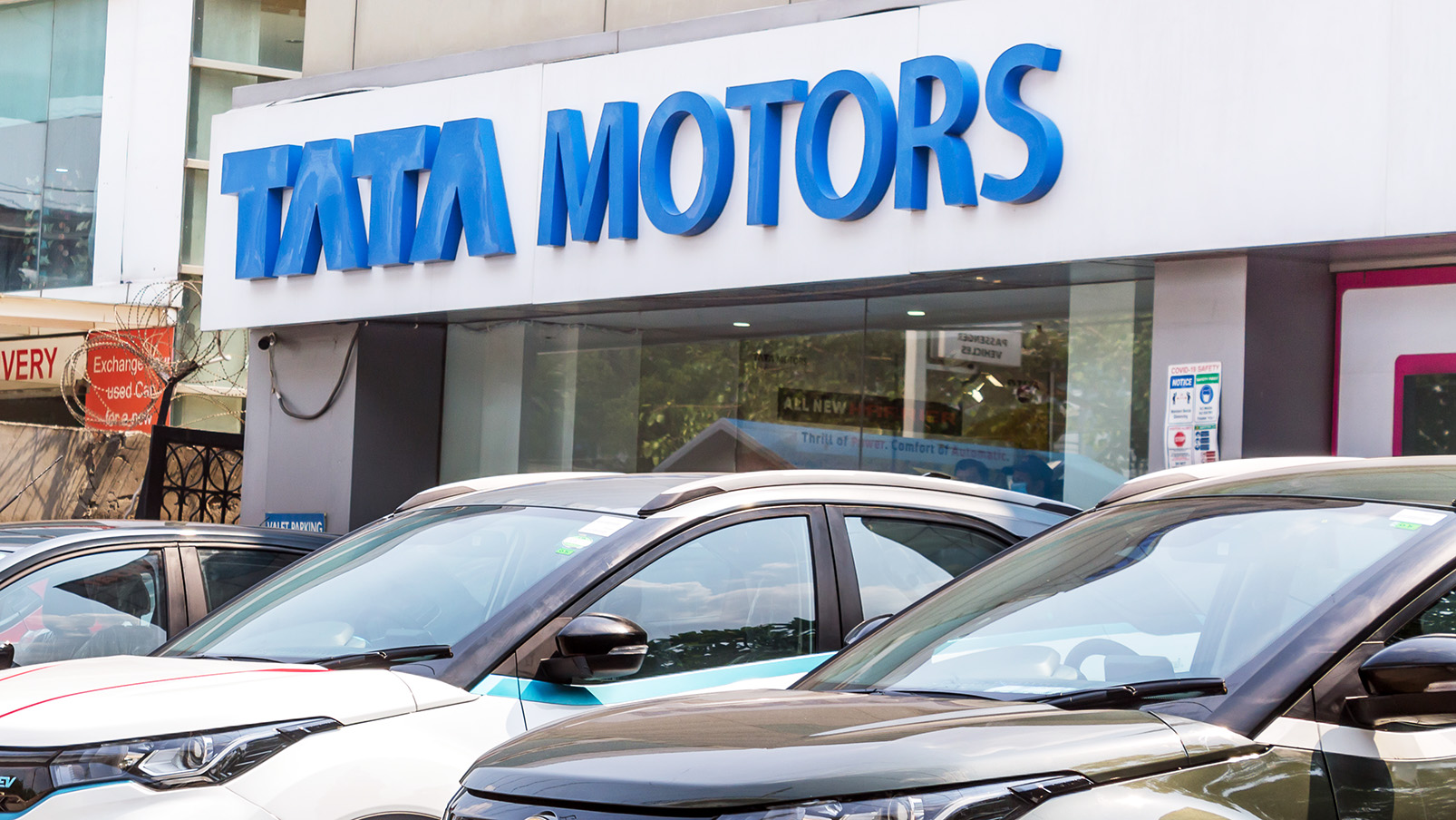
Tata Motors expects gradual improvement in domestic demand

Tata Motors expects gradual improvement in domestic demand

In the passenger vehicle segment, the company’s revenue declined by 4.3% year-on-year to Rs 12,400 crore

Staff Writer

Tata Motors is expecting a gradual improvement in terms of demand in the fourth quarter of FY25, a top official said on Wednesday. The company reported a 22% year-on-year decline in its net profit to Rs 5,451 crore in the third quarter of FY25, as against Rs 7,025 crore in the same period last year. The automaker's revenue from operations improved marginally by 2.7% to Rs 1.16 lakh crore as against Rs 1.11 lakh crore in the same period last year. 

In the passenger vehicle segment, the company’s revenue declined by 4.3% year-on-year to Rs 12,400 crore, whereas the segment’s EBITDA improved by 120 basis points. In the commercial vehicle segment, the company’s revenue declined by 8.4% year-on-year to Rs 18,400 crore. 

“I think if you look at the domestic situation, the decline in revenues that you saw for us in the commercial vehicle side, while market shares have inched up in the heavy will give you a signal that the demand for in Q3 has not been as great as you'd have expected. The festive season has been good, but thereafter the demand has been weak owing to a combination of factors such as tight liquidity,” says P Balaji, Group CFO, Tata Motors.

According to Balaji, though the quarter has not witnessed great growth, demand can bounce back once the consumption is turbocharged. For the domestic automobile industry, the January to March quarter is generally strong, he said.

“On the domestic side, we expect a gradual improvement in demand on a combination of factors. We believe the infrastructure investments will continue this year. And we also have our product actions that are also going through. So domestically, we believe this gradual improvement in demand will continue into Q4,” Balaji said. 

Notably, the company’s passenger vehicle and commercial vehicle business is slated for demerger in October 2025. 

Meanwhile, the company’s revenue for Jaguar Land Rover improved marginally by 1.5% to £7.5 billion in the third quarter, with EBIT margin expanding by 20 basis points, the highest in a decade. JLR’s EBITDA however declined by 200 basis points. The company expects to achieve its profitability and cash flow targets in FY25, with EBIT margin ≥8.5% and positive net cash. 

Balaji maintains that while the US and UK continue to be the biggest markets for JLR, the company will remain watchful in China. “We do continue to remain watchful in China. And the reason why we do see stress in China overall, at an industry level, I think the premium market is down almost 14% for the year from April to December this year. And in that, if you look at the JLR import business, we are doing much better. It only declined about 5% in that business. So, therefore, we believe that the intervention that we've been making in the Chinese market is helping us to get into the industry,” says Balaji. 

Concerning the possibility of tariffs on automotive imports by the Trump administration, Balaji said that the company is closely monitoring the situation. “Currently we need to wait for clarity to emerge on that. And as far as the UK is concerned, I think the UK dollars of payment vis a vis the US is the other way around. US exports, more to the UK than the other way around. And therefore, we'll need to watch and see how that plays out. There's nothing concrete at this point. In any case, we will have to continue to drive all degrees, all the levers that we have both on the demand side and the cost side to navigate whatever comes our way,” says Balaji.

Categories
Corporate

Aditya Birla Housing Finance secures ₹830 crore from IFC to boost affordable housing

Aditya Birla Housing Finance secures ₹830 crore from IFC to boost affordable housing

ABHFL, a subsidiary of Aditya Birla Capital, stated that the funding was secured through Non-Convertible Debentures (NCDs) from the IFC

Staff Writer

Aditya Birla Housing Finance Limited (ABHFL) has secured Rs 830 crore from the International Finance Corporation (IFC) to promote affordable housing and empower women borrowers in India. The funding will focus on low and middle-income groups and support women-led MSMEs.

ABHFL, a subsidiary of Aditya Birla Capital, stated that the funding was secured through Non-Convertible Debentures (NCDs) from the IFC. This investment aims to address critical gaps in the housing sector by providing loans to low-income and middle-income groups, focusing on encouraging homeownership among women. A portion of the funds will also support MSMEs, particularly women-led enterprises, to drive economic growth and empowerment. 

"This collaboration with IFC marks a key milestone in advancing financial inclusion and equitable growth…This initiative empowers underserved communities, particularly women borrowers, while supporting MSMEs to foster entrepreneurial growth and economic empowerment," said Pankaj Gadgil, MD and CEO of ABHFL.

The funding aligns with IFC's mission to enhance financial access in emerging markets. "A dynamic housing sector and improved financial access for MSMEs are essential for India's sustainable development," stated Wendy Werner, Country Head, India and Maldives, IFC.

ABHFL, registered with the National Housing Board as a non-deposit accepting finance company, has its footprint in 150 branches. The company manages assets under management (AUM) of over Rs 23,236 crore and holds a long-term credit rating of AAA (Stable) by CRISIL, ICRA, and India Ratings. ABHFL, part of the $66 billion Aditya Birla Group has operations in over 40 countries.

Categories
Corporate

SEBI rejects US-based Danny Gaekwad’s bid to pick up 26% stake in Religare Enterprises

SEBI rejects US-based Danny Gaekwad's bid to pick up 26% stake in Religare Enterprises

Danny Gaekwad Developments & Investments had proposed acquiring a 26% stake in Religare Enterprises at a price higher than the one offered by the four Burman family-controlled entities

Staff Writer

The Securities and Exchange Board of India (SEBI) has rejected the competing open offer from US-based Danny Gaekwad Developments & Investments for the acquisition of a 26 percent stake in Religare Enterprises Ltd (REL). The regulator stated that the offer did not comply with required regulations.

In a communication to REL on January 28, SEBI clarified that the "letters submitted by Digvijay Laxmansinh Gaekwad" were being returned, as they did not qualify as an exemption application under Regulation 11 of the SEBI (SAST) Regulations, 2011. The rejection referenced an email from January 25, 2025, which included a letter from Gaekwad's entity, Danny Gaekwad Developments & Investments, based in Florida.

Danny Gaekwad Developments & Investments had proposed acquiring a 26 percent stake in Religare Enterprises at a price higher than the one offered by the four Burman family-controlled entities. Gaekwad, a self-proclaimed globally recognized investor, offered Rs 275 per share — 17 percent more than the Burmans' offer of Rs 235 per share.

The Burman family's open offer to acquire an additional 26 percent stake in REL commenced on January 27 following regulatory approval. The offer covers up to 90,042,541 fully paid-up equity shares, representing 26 percent of REL's expanded voting share capital. If approved, the Burman family's stake in REL will rise to 53.94 percent.

The Burman entities involved in the open offer include Finmart Private Ltd, Puran Associates Private Ltd, VIC Enterprises Private Ltd, and Milky Investment & Trading Company. As of September 30, 2024, these entities collectively owned 25.12 percent of REL.

In September 2023, the Burman family — promoters of Dabur India and other companies like Eveready Industries — through its entities, announced an open offer worth Rs 2,116 crore to acquire up to a 26 percent stake in REL.

Following the open offer, the Burmans raised a complaint with SEBI regarding insider trading violations by the chairperson and her board appointments.

This was challenged by REL’s independent directors, who flagged concerns about fraud and other alleged violations by the Burman family entities and reported the matter to regulators including SEBI, RBI, and the Insurance Regulatory and Development Authority.

Categories
Corporate

ICICI Bank Q3 FY25: Net profit goes up by 15%, NII increases 9.1%

ICICI Bank Q3 FY25: Net profit goes up by 15%, NII increases 9.1%

The lender reported a net interest income of Rs 20,370.6 crore, reflecting a 9.1% increase from Rs 18,678 crore in the previous year

Staff Writer

In the third quarter of fiscal year 2025, ICICI Bank, the second largest private sector bank following HDFC Bank, disclosed a net profit of Rs 11,792 crore. This marked a 15% increase compared to the same quarter the previous year when the net profit was Rs 10,272 crore.

Additionally, the lender reported a net interest income of Rs 20,370.6 crore, reflecting a 9.1% increase from Rs 18,678 crore in the previous year.

The net NPA (bad loans) ratio remained steady at 0.42% in the latest quarter, while the provisioning coverage ratio for non-performing loans stood at 78.2% as of December-end.

In Q3 of FY25, the gross NPA ratio showed a slight improvement to 1.96% from 1.97% in Q2. Gross NPA additions totaled Rs 6,085 crore in Q3, compared to Rs 5,916 crore in Q1 and Rs 5,073 crore in Q2 of FY25.

ICICI Bank noted that it typically experiences higher NPA additions from the kisan credit card portfolio in the first and third quarters of the fiscal year.

During the quarter, the bank wrote off Rs 2,011 crore worth of gross NPAs.

In Q3, ICICI Bank saw a 14.1% year-over-year increase and a 1.5% sequential increase in total period-end deposits, reaching Rs 15,20,309 crore. Average deposits also showed growth, with a 13.7% year-over-year increase and a 2.1% sequential increase to Rs 14,58,489 crore for the quarter.

Specifically, average current account deposits rose by 13.1% year-over-year and 4.5% sequentially, while average savings account deposits increased by 12.3% year-over-year and 1.3% sequentially. The average current account and savings account (CASA) ratio stood at 39% during Q3.

The net domestic advances experienced a year-on-year growth of 15.1% and a sequential growth of 3.2% during the quarter. The retail loan portfolio saw a year-on-year growth of 10.5% and a sequential growth of 1.4%, making up 52.4% of the total loan portfolio.

On the other hand, the business banking portfolio witnessed a year-on-year growth of 31.9% and a sequential growth of 6.4%.

The shares of ICICI Bank closed at Rs 1,213.70 on Friday (January 24), 0.99% percent up on BSE.


Categories
Corporate

ICC TV rights dispute: Zee files around Rs 70 cr case against Star India

ICC TV rights dispute: Zee files around Rs 70 cr case against Star India

The counterclaim is related to the Rs 69 crore paid by ZEEL to Star as per their agreement

Staff Writer

Zee Entertainment Enterprises Limited (ZEEL), in a regulatory filing, said it has filed a counterclaim case for $8 million plus interest (around Rs 70 crore) against Star India, now backed by Reliance Industries Limited (RIL). This comes after Star filed a damages claim of $940 million in relation to a failed International Cricket Council (ICC) contract, currently being arbitrated at the London Court of International Arbitration (LCIA).

The counterclaim is related to the Rs 69 crore paid by ZEEL to Star as per their agreement. ZEEL has mentioned in a regulatory filing that the arbitration process is in its early stages, with the determination of ZEEL's alleged liability for breaches of the Alliance Agreement with Star still pending.

On 23 December 2024, ZEEL submitted its statement of defence refuting all claims made by Star. A three-member arbitral tribunal appointed by the LCIA is overseeing the dispute. On 16 September 2024, Star filed its statement of case, which included an expert report on damages and a witness statement.

Star, previously owned by Walt Disney before being majority owned by RIL, acquired the ICC media rights valued at $3 billion following ZEEL's withdrawal from the agreement. Walt Disney and Bodhi Tree Systems are also shareholders in Star. Star alleges that ZEEL failed to make the initial payment of $203.56 million (Rs 1,693 crore) and incurred additional obligations worth Rs 17 crore for bank guarantee commission and deposit interest.

In March 2024, Star initiated arbitration proceedings to enforce the agreement or seek damages. By June 2024, Star decided to terminate the agreement and focus on claiming damages from ZEEL. ZEEL, on the other hand, demanded a refund of Rs 69 crore, claiming that the agreement had become null and void due to Star's failure to fulfill its obligations.

In July 2024, Star India decided to end its exclusive partnership with Zee Entertainment Enterprises Ltd (ZEE). This agreement, which involved sub-licensing the linear TV rights for the ICC Men’s tournaments for the 2024-27 cycle, was dissolved due to allegations of contractual breaches.

ZEE reported that Star India terminated the agreement on June 20, citing a breach of contract. Initially signed on August 26, 2022, this agreement had established ZEE as a key player in broadcasting significant ICC events, such as the ICC Men’s T20 World Cups and the ICC Men’s Cricket World Cup.

The termination of this partnership follows arbitration proceedings that Star India initiated in March. During these proceedings, the company sought either the specific fulfillment of the agreement by ZEE or compensation for unquantified damages.