Categories
Corporate

Markets Slide as U.S. Tariff Threat Drags Nifty and Sensex Lower

Markets Slide as U.S. Tariff Threat Drags Nifty and Sensex Lower

The downturn came as the U.S. administration followed through on plans to raise tariffs on Indian goods from 25 percent to 50 percent, citing New Delhi’s continued purchases of Russian oil.

Staff Writer

Indian equity markets extended losses on Tuesday, August 26, 2025, as investors turned cautious ahead of a steep increase in U.S. tariffs on Indian exports set to take effect on August 27. At 11:01 a.m. IST, the BSE Sensex was down around 600 points at 81,031, while the NSE Nifty 50 shed nearly 180 points to trade just below 24,800. The losses were broad-based, with banks, metals and pharmaceuticals among the worst-hit sectors, and mid- and small-cap indices also slipping about one percent each, reflecting a cautious mood across the market.

The downturn came as the U.S. administration followed through on plans to raise tariffs on Indian goods from 25 percent to 50 percent, citing New Delhi’s continued purchases of Russian oil. The move, announced earlier this month, has heightened concerns about trade frictions and the potential earnings impact on exporters. The tariff announcement weighed heavily on market sentiment, erasing most of the gains made in August and adding to a series of headwinds facing investors, including foreign institutional investor (FII) selling, rupee weakness, a global equity slump and firm crude oil prices.

Analysts noted that despite the sell-off, the correction is unlikely to deepen significantly in the absence of major domestic triggers. Pankaj Pandey, head of retail research at ICICI Securities, observed that the market reaction, while sharp, was largely a reflection of sentiment and not a surprise event and that they do not expect deeper correction from hereon. Market watchers highlighted that robust domestic institutional investor inflows and steady liquidity have been key drivers of resilience, offsetting persistent FII outflows and keeping valuations elevated.

Among notable stocks, Reliance Industries, which carries significant weight on the Nifty, slipped around one percent despite UBS resuming coverage on the stock with a “buy” rating and a price target of ₹1,750, implying a 24 percent upside from Monday’s close. Titan also traded lower, in line with the weak market mood, even as Bernstein initiated coverage with an “outperform” rating and a target price of ₹4,200, citing its strong long-term growth prospects and leadership in India’s jewellery and lifestyle sectors. Sai Life Sciences fell as much as four percent after reports that TPG Asia had offloaded its entire 15.2 percent stake in the Hyderabad-based company through block deals worth nearly ₹2,810 crore. On the upside, consumer goods stocks outperformed the market, with modest gains of around 0.3 percent, reflecting their defensive nature amid broader volatility.

From a technical perspective, analysts said the Nifty’s immediate support level at 24,800 remains crucial. Sustaining above this threshold could limit further downside, while a decisive break below it could trigger deeper corrections. The index has been consolidating between a swing high of 25,150 and a swing low of 24,850, a range that reflects muted directional strength. Renewed call writing at higher strikes and sustained put additions suggest a continuation of sideways trade unless there is a breakout above 25,150 or a breakdown below 24,800. In this environment, a “sell-on-rise” strategy is seen as prudent, with traders watching tariff developments closely ahead of the August 27 implementation.

Tuesday’s losses marked a sharp reversal from last week’s positive momentum, which saw the Nifty briefly breach the 24,950 level and the Sensex notch a gain of over 300 points on hopes of a U.S. interest rate cut. However, global volatility, geopolitical uncertainty, and trade tensions have re-emerged as dominant themes, tempering investor appetite for risk. Analysts believe domestic markets are likely to remain volatile but supported by structural liquidity flows, which could prevent a steep downturn despite heightened near-term uncertainty.

With the U.S. tariff increase just a day away, markets are expected to see choppy sessions in the near term, with traders awaiting clarity on trade negotiations and the broader global macroeconomic outlook. The Supreme Court’s upcoming hearing schedules, the rupee’s trajectory, and crude oil price movements will also remain on investors’ radar as they navigate a volatile week.

Categories
Corporate

Goldman Sachs Named Advisor for Govt Stake Sale in Four Public Sector Banks

Goldman Sachs Named Advisor for Govt Stake Sale in Four Public Sector Banks

The aim is to streamline the disinvestment process and meet SEBI’s public shareholding norms ahead of the August 2026 deadline

Sreelatha M

New Delhi: The Government of India has appointed global investment banking firm Goldman Sachs as the sole transaction advisor for its planned stake sale in four public sector banks namely, Indian Overseas Bank, UCO Bank, Central Bank of India, and Punjab & Sind Bank.

The move is part of a broader strategy to reduce the Centre’s shareholding in state-run banks to below 75%, in compliance with SEBI’s rule that mandates at least 25% public ownership in all listed companies. Currently, government holdings in these banks exceed 90%, with Punjab & Sind Bank having the highest at 98.3%.

Goldman Sachs will advise on all key aspects of the disinvestment process, including deal structuring, investor outreach, and coordination of the actual stake sale. Its appointment follows a July 2025 meeting of the Inter-Ministerial Group (IMG), which finalized the roles of transaction advisors and merchant bankers for this initiative.

Earlier this year, the Department of Investment and Public Asset Management (DIPAM) invited bids to manage stake sales in five PSBs, including Bank of Maharashtra. However, the current mandate covers only four banks, excluding Bank of Maharashtra.

The stake dilution may be carried out via either the Offer-for-Sale (OFS) route or Qualified Institutional Placement (QIP). The government aims to raise approximately ₹45,000 crore through QIPs in FY 2025–26, with State Bank of India (SBI) expected to contribute ₹20,000 crore. The remaining amount is expected to come largely from the four banks under Goldman Sachs’ advisory.

The disinvestment is likely to take place in the second half of FY 2025–26, depending on market conditions and investor interest. The urgency is underscored by the August 2026 deadline for public sector banks to comply with SEBI’s minimum public shareholding norms.


Categories
Corporate

Reliance’s Vantara Under Supreme Court Scrutiny as SIT Probe Ordered

Reliance’s Vantara Under Supreme Court Scrutiny as SIT Probe Ordered

The order followed two petitions accusing Vantara, a 3,000-acre zoological facility in Jamnagar conceptualised by Anant Ambani, of mistreating animals, violating environmental laws, and using its conservation efforts as a cover for private gain.

Amit Kumar

New Delhi: Reliance Industries’ high-profile animal rescue and rehabilitation project, Vantara, will undergo a Supreme Court-ordered investigation into allegations ranging from unlawful animal acquisition to financial irregularities. The apex court on Monday (August 25, 2025) set up a Special Investigation Team (SIT) led by former Supreme Court judge Justice J. Chelameswar to conduct a fact-finding inquiry and submit its report by September 12.

The order followed two petitions accusing Vantara, a 3,000-acre zoological facility in Jamnagar conceptualised by Anant Ambani, of mistreating animals, violating environmental laws, and using its conservation efforts as a cover for private gain. While the court acknowledged that the petitions relied heavily on media reports and lacked substantive evidence, it said an independent review was warranted to ensure transparency and accountability.

“Ordinarily, a petition resting on such unsupported allegations does not deserve in law to be entertained rather warrants dismissal in limine,” a Bench of Justices Pankaj Mithal and P.B. Varale said. “However, in the wake of the allegations that the statutory authorities or the courts are either unwilling or incapable of discharging their mandate… we consider it appropriate in the ends of justice to call for an independent factual appraisal.”

The judges clarified that the probe is not a reflection on Vantara’s operations or government regulators. “This order neither expresses any opinion on the allegations made in the petitions nor should it be construed to have cast any doubt on the functioning of any of the statutory authorities or the private respondent, Vantara,” they said.

Reliance responded swiftly, underscoring its commitment to transparency and pledging full cooperation with investigators. “We acknowledge the order of the Supreme Court with utmost regard. Vantara remains committed to transparency, compassion and full compliance with the law. Our mission and focus continues to be the rescue, rehabilitation and care of animals,” ANI quoted the company’s statement. The centre requested that the inquiry be allowed to proceed “without speculation and in the best interest of the animals we serve.”

The SIT will examine Vantara’s animal acquisition practices, particularly elephants sourced from India and abroad, and assess compliance with the Wild Life (Protection) Act, 1972, rules governing zoos, and the Convention on International Trade in Endangered Species of Wild Fauna and Flora (CITES). It will also review allegations of wildlife smuggling, misuse of water and carbon credits, biodiversity programmes, and other financial matters. Besides Justice Chelameswar, the SIT includes Justice Raghavendra Chauhan, former Chief Justice of the Uttarakhand and Telangana High Courts; Hemant Nagrale, former Mumbai Police Commissioner; and Anish Gupta, Additional Commissioner, Customs.

The petitions, filed by advocate C.R. Jaya Sukin and Dev Sharma, alleged that Vantara functions more as a private zoological collection than a conservation project. Critics have questioned its proximity to industrial operations and claimed regulatory lapses in its animal care and acquisition processes. While Reliance has positioned Vantara as a world-class sanctuary dedicated to animal welfare, its operations have increasingly drawn scrutiny from activists and conservationists.

The investigation represents a rare instance of judicial intervention into a privately funded conservation initiative of this scale. Reliance, one of India’s most valuable companies, has poured significant investment into the Jamnagar project, which it showcases as part of its broader environmental and sustainability agenda. The SIT’s findings, due in two weeks, could shape public and regulatory perceptions of the initiative, potentially influencing how private players engage with conservation and biodiversity efforts in India.

Categories
Corporate

Cashless Treatment Suspended for Bajaj Allianz Policyholders at Over 15,000 Hospitals

Cashless Treatment Suspended for Bajaj Allianz Policyholders at Over 15,000 Hospitals

Hospitals Cite Cost, Payment Issues; Patients Must Pay First, Claim Later

Staff Writer

New Delhi / Chennai: More than 15,200 hospitals across India, including major healthcare providers such as Max Healthcare, Medanta, and PSRI, have announced the suspension of cashless treatment facilities for policyholders of Bajaj Allianz General Insurance, effective September 1, 2025.

Hospitals Cite Rising Costs and Payment Issues

The decision follows mounting grievances from hospitals over Bajaj Allianz’s failure to revise reimbursement rates for several years despite annual medical inflation rates of 7–8%. Hospitals report that the rising costs of staff salaries, medicines, and consumables have not been adequately reflected in insurance payouts.

In addition, hospitals have expressed frustration over alleged unilateral deductions in claim settlements, delayed payments, and sluggish pre-authorisation and pre-discharge approval processes, which have strained hospital operations and finances.

The Association of Healthcare Providers of India (AHPI) has urged insurers to implement regular tariff revisions, ideally every two years, to align insurance payouts with prevailing medical inflation and ensure sustainable healthcare delivery.

Insurer Responds, Talks Underway

Bajaj Allianz expressed surprise at the collective move by hospitals and reaffirmed its commitment to fair reimbursement rates, timely claim processing, and high-quality service. The insurer stated that negotiations with hospital networks, including AHPI members, are ongoing to resolve the dispute amicably.

The company emphasized that it proactively addresses dues and claim-related queries and remains hopeful of reaching a mutually beneficial agreement in the interest of policyholders.

Impact on Policyholders

Starting September 1, policyholders will no longer be able to avail of cashless treatment at empanelled hospitals under Bajaj Allianz policies. Patients will need to pay hospital bills upfront and subsequently seek reimbursement from the insurer, a process that can be cumbersome during medical emergencies.

Policyholders are advised to check with hospitals in advance to confirm whether cashless treatment under Bajaj Allianz is still available. In case it isn’t, they should be prepared to make upfront payments by arranging emergency funds or flexible payment options. It is also important to retain all medical documentation, including discharge summaries, bills, and prescriptions, to ensure a smooth reimbursement process. Once treatment is complete, claims should be submitted promptly and monitored through Bajaj Allianz’s online portal.
 

Wider Implications for Healthcare Financing

This dispute highlights broader challenges within India’s healthcare insurance sector, particularly the sustainability of cashless treatment schemes. While cashless insurance coverage eases patient burden during emergencies, unresolved conflicts over tariff rates and claims processing risk undermine this convenience.

Similar tensions have been observed in government insurance programs such as Ayushman Bharat – PM-JAY, where hospitals have frequently cited unsustainable package rates as reasons for limiting participation.

Both AHPI and Bajaj Allianz appear committed to continuing discussions aimed at resolving the impasse. If successful, cashless services could be reinstated for Bajaj Allianz policyholders. Until then, affected policyholders must adapt to reimbursement-based care and exercise caution during hospital admissions.


Categories
Corporate

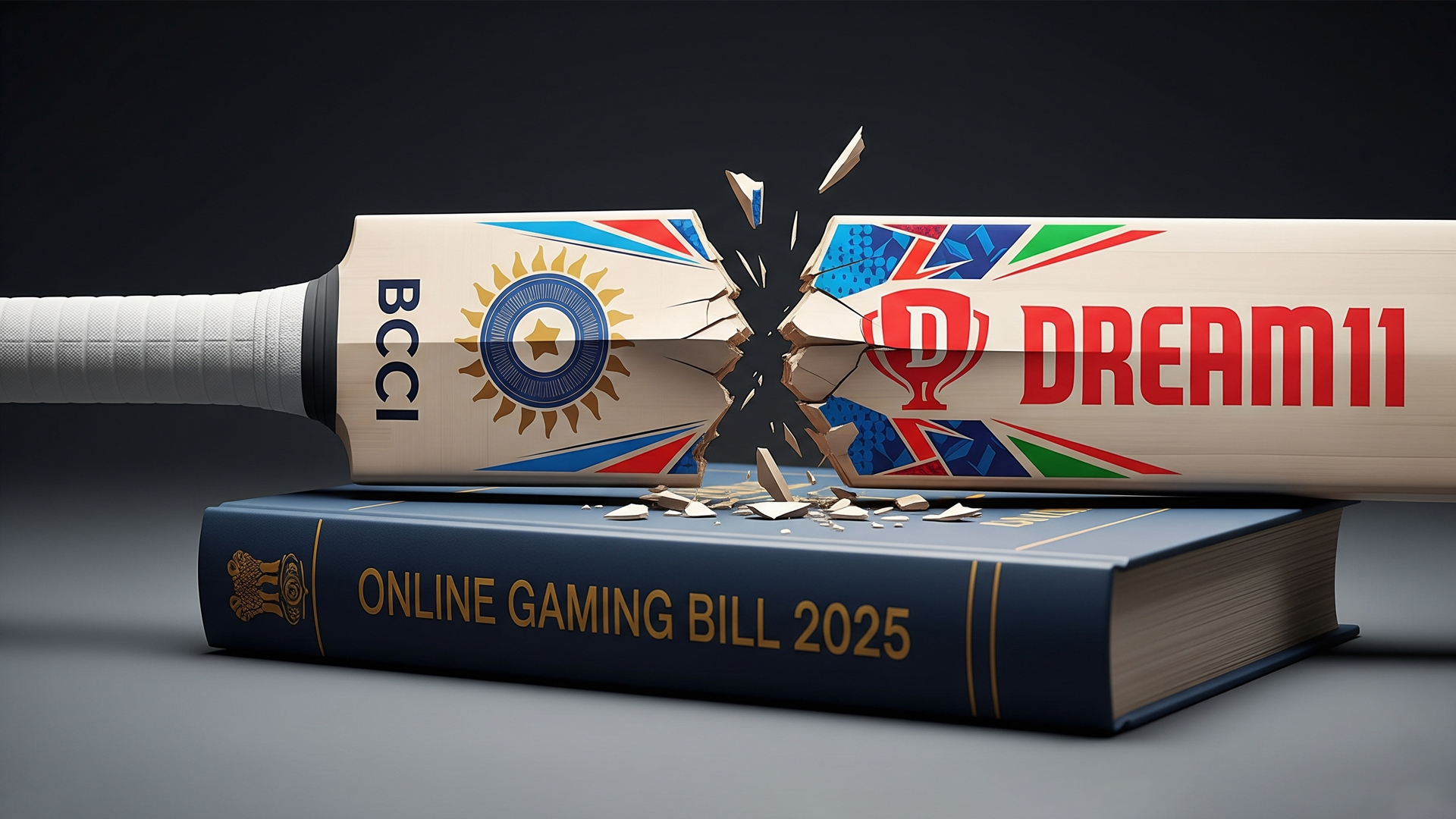
Dream11 to End Title Sponsorship of Indian Cricket Team Following Online Gaming Bill 2025?

Dream11 to End Title Sponsorship of Indian Cricket Team Following Online Gaming Bill 2025?

Dream11 and My11Circle together contribute approximately ₹1,000 crore to the BCCI through their sponsorship of the Indian cricket team and the Indian Premier League (IPL).

Staff Writer

Sports giant Dream11 has indicated to the BCCI that it may be unable to continue as the title sponsor of the Indian cricket team following the passage of the Promotion and Regulation of Online Gaming Bill 2025 in both Houses of Parliament. The development comes after the central government’s legislation effectively bans real money gaming, a major revenue source for fantasy sports companies, Press Trust of India (PTI) reported on August 20.

Dream11 and My11Circle together contribute approximately ₹1,000 crore to the BCCI through their sponsorship of the Indian cricket team and the Indian Premier League (IPL). Dream11 currently holds a 2023-2026 contract worth $44 million (₹358 crore) as the title sponsor of the Indian team.

According to PTI, the new legislation prohibits any person from offering, promoting, or advertising online money gaming services, which has effectively eliminated the primary revenue stream for major fantasy sports platforms in India. While social and subscription-based gaming are allowed under the law, real money games—which account for the bulk of industry revenue—are banned.

BCCI secretary Devajit Saikia declined to comment on the development. Sources indicate that Dream11 may not face penalties under the contract, which includes a waiver clause in the event of government regulation that affects the company’s ability to operate.

Dream11 is also the official fantasy partner of the Indian Super League, but the ban on real money gaming is expected to impact revenues across its operations. In a statement following the bill’s passage, the company said: “We have always been a law-abiding company and have conducted our business in compliance with the law. While we believe that progressive law would have been the way forward, we will respect the law and fully comply with the Promotion and Regulation of Online Gaming Bill 2025.”

An industry insider, speaking to PTI on condition of anonymity, said that the impact on the fantasy gaming market will be significant, as real money gaming represents roughly 90 percent of revenue for most major players. The source added that the fate of My11Circle, which pays ₹125 crore annually to the BCCI as the IPL’s official fantasy partner, remains uncertain and may follow a similar path as Dream11. The insider also noted that individual endorsements by cricketers with fantasy apps could be adversely affected.

The new legislation marks a major shift for the Indian fantasy sports ecosystem, raising questions about sponsorship revenues for the national team and IPL, as well as the sustainability of the broader market under the ban on real money gaming.

Categories
Corporate

Coca-Cola Considers Sale of Costa Coffee Amid Strategy Shift

Coca-Cola Considers Sale of Costa Coffee Amid Strategy Shift

Beverage giant rethinks $5B coffee bet as growth lags and market pressures mount

Staff Writer

Coca-Cola is exploring a potential sale of Costa Coffee, the UK-based coffee chain it acquired for over $5 billion in 2018, as the company reassesses its global coffee strategy.

According to reports, the beverage giant has enlisted investment bank Lazard to evaluate options for Costa, including a possible sale. Initial discussions have already taken place with a select group of potential buyers, including private equity firms. Indicative bids are expected in early autumn, though a deal is not yet guaranteed.

A Big Bet That Fell Short

Founded in London in 1971 by brothers Sergio and Bruno Costa, the brand has grown into an international chain with operations in 50 countries. Coca-Cola acquired Costa from UK hospitality group Whitbread as part of a broader strategy to diversify beyond soft drinks and compete more directly with coffee giants like Starbucks and Nestlé.

However, Costa’s performance has not met expectations. “Our investment in Costa is not where we wanted it to be from an investment hypothesis point of view,” Coca-Cola CEO James Quincey said during a recent earnings call. He noted that the company is reassessing how best to grow within the coffee space while continuing to manage Costa effectively.

Market Reaction

News of the possible sale comes at a time of heightened deal-making in the food and beverage industry, driven by inflation, margin pressures, and changing consumer habits. On Friday, Coca-Cola shares closed down 0.75% at $70.13, though the stock saw a slight uptick in after-hours trading. The company’s market valuation stood at $301.82 billion, according to MarketWatch.

Broader Industry Trends

If Coca-Cola moves forward, the sale would represent one of its most significant divestments under Quincey’s leadership. It would also signal a broader shift in priorities, as the company focuses on more promising or resilient growth categories.

Coca-Cola is already making changes in its core markets. In the U.S., the company recently announced it will begin using real cane sugar in select beverages, aligning with Health Secretary Robert F. Kennedy Jr.’s “Make America Healthy Again” campaign.

As the company repositions itself in a changing global landscape, Costa Coffee’s future remains uncertain, but the move could reshape Coca-Cola’s strategy for years to come.


Categories
Corporate

IndiGo, Max Healthcare Join Nifty 50 in Major Index Shuffle

IndiGo, Max Healthcare Join Nifty 50 in Major Index Shuffle

NSE Updates Benchmark Index Amid Shifting Market Caps, Impacting Investors and ETFs

Sreelatha M

Mumbai:  Shares of InterGlobe Aviation Ltd., which operates India’s largest airline IndiGo, and hospital chain Max Healthcare were in focus on Monday after the National Stock Exchange (NSE) announced the two companies would be added to the prestigious Nifty 50 index. The update is part of the NSE’s routine reshuffle of its benchmark indices, with changes taking effect from September 30, 2025.

Despite the spotlight, the market reaction was mixed. By 9:35 a.m., Max Healthcare shares slipped 1.7%, while IndiGo remained mostly flat. Stocks being removed from the index, IndusInd Bank and Hero MotoCorp saw modest early gains.

How Market Capitalisation Drives the Index Changes

The Nifty 50 reshuffle happens twice a year, based on how companies perform in terms of free-float market capitalisation, essentially the total value of publicly traded shares. Stocks with higher free-float values are more likely to be included.

This time, IndiGo, with a free-float value of around ₹1.14 lakh crore, and Max Healthcare, at ₹84,555 crore, outperformed IndusInd Bank and Hero MotoCorp, whose market caps fell below the required threshold. As a result, the latter two will move to the Nifty Midcap Select index, following their exit from the Nifty 100, which serves as the feeder index for the Nifty 50.

Impact on Investors and Fund Flows

Being added to the Nifty 50 isn’t just a badge of honour, it often leads to major fund flows. Many exchange-traded funds (ETFs) and mutual funds that track the index must adjust their holdings to reflect the new constituents.

According to Nuvama Alternative & Quantitative Research, IndiGo could attract up to $537 million in passive inflows, while Max Healthcare may see around $412 million. On the flip side, IndusInd Bank and Hero MotoCorp may experience outflows as they exit the index.

How the Stocks Have Been Performing

It’s been a strong year for IndiGo, with its stock up more than 32% in 2025. However, Kotak Institutional Equities recently revised its rating from ‘Buy’ to ‘Add’, citing potential operational headwinds after the sharp rally. The brokerage has set a target price of ₹6,850 for the stock.

Max Healthcare’s inclusion hasn’t sparked a rally just yet, with the stock trading lower despite the positive news. Analysts suggest that profit booking or broader market caution could be behind the muted reaction.

IndusInd Bank, on the other hand, has had a challenging year. The stock is down nearly 18% through July, weighed down by a $230 million loss due to internal trading errors—a controversy that led to the resignation of both the CEO and deputy CEO earlier this year.

Hero MotoCorp has fared slightly better, with a modest gain of 1.82% over the same period.

Additional Changes Across NSE Indices

The reshuffle isn’t limited to the Nifty 50. The NSE has also announced changes to the Nifty Next 50 and several other indices:

  • Hindustan Zinc, Mazagon Dock, Siemens Energy, and Solar Industries are being added to the Nifty Next 50.
     
  • Meanwhile, InterGlobe Aviation (IndiGo), Swiggy, Dabur, and ICICI Prudential Life Insurance will exit the Nifty Next 50, mostly due to changes in the Nifty 100.
     

There are no changes to sector-specific indices such as Nifty Bank, Nifty IT, FMCG, Oil & Gas, and others.


Categories
Corporate

RBI Approves SMBC’s 24.99% Stake Buy in YES Bank; SBI to Cut Holding

RBI Approves SMBC’s 24.99% Stake Buy in YES Bank; SBI to Cut Holding

Strategic foreign investment marks a significant shift in YES Bank’s shareholder profile

Staff Writer

Mumbai: YES Bank is making news again after the Reserve Bank of India (RBI) approved a proposal by Japan’s Sumitomo Mitsui Banking Corporation (SMBC) to acquire up to 24.99% of the bank’s shares. Although this would make SMBC the largest shareholder in YES Bank, the RBI has clarified that it will not be treated as a promoter.

"In this regard, we are pleased to inform that SMBC has received the approval of the Reserve Bank of India to acquire up to 24.99% of the paid-up share capital/ voting rights of the Bank vide letter dated August 22, 2025. This approval is valid for one year from the date of this letter," YES Bank said.

YES Bank shares closed at ₹19.28 on Friday and have risen 8.38% over the last six months, although they’re still down slightly for the year.

A Big Step for YES Bank and SMBC

This move marks a significant moment for YES Bank, which has been working to rebuild investor confidence in recent years. For SMBC, the deal opens the door to deeper involvement in India’s growing banking sector.

SMBC is part of Sumitomo Mitsui Financial Group (SMFG), which is Japan’s second-largest banking group and one of the top 15 banks globally, managing assets of about $2 trillion. The group operates across banking, leasing, securities, consumer finance, and credit cards.


Where are the Shares Coming From?

The planned acquisition will happen through secondary share purchases, meaning SMBC is buying existing shares, not new ones. Here's how it breaks down:

  • 13.19% will be bought from State Bank of India (SBI)
  • Another 6.81% will come from seven other banks:
    Axis Bank, Bandhan Bank, Federal Bank, HDFC Bank, ICICI Bank, IDFC First Bank, and Kotak Mahindra Bank
     

Once the deal is complete, SBI’s stake in YES Bank will drop from nearly 24% to just over 10%, marking a notable shift in the bank's ownership structure.

YES Bank had earlier revealed that SMBC initially planned to acquire a 20% stake, but that figure has since increased to the maximum limit allowed without needing promoter status.

What is Next in this Deal?

While the RBI’s nod is a key milestone, the deal isn’t over the finish line yet. It still needs clearance from the Competition Commission of India (CCI) and must meet a series of regulatory and legal conditions, including those under the Banking Regulation Act, Foreign Exchange laws, and RBI’s own guidelines on shareholding in banks.

YES Bank said the deal will move forward once all required approvals are in place and the conditions outlined in the share purchase agreements, first announced in May 2025, are satisfied.


Categories
Corporate

​​Sensex, Nifty Rally as Fed Rate-Cut Hopes Ignite Investor Optimism

​​Sensex, Nifty Rally as Fed Rate-Cut Hopes Ignite Investor Optimism

Market watchers believe that Powell’s indication that employment risks may outweigh inflationary pressures has significantly lifted investor sentiment.

Staff Writer

Indian benchmark indices extended their early-week momentum into the mid-morning session on Monday, August 25, buoyed by renewed confidence after U.S. Federal Reserve Chair Jerome Powell’s dovish remarks at the Jackson Hole Symposium stoked expectations of a September rate cut.

By 10:30 a.m. IST, the Sensex had climbed to 81,492, up 185 points, maintaining its upbeat trajectory, while the Nifty neared the 24,921, up 51 points, but still below the 25,000 mark. Markets continued to broaden their gains, with mid-caps and small-caps also advancing, signaling robust participation across the board.

Market watchers believe that Powell’s indication that employment risks may outweigh inflationary pressures has significantly lifted investor sentiment, effectively raising the probability of a rate cut in September from roughly 75% to as high as 84%. This shift is seen as particularly encouraging for emerging markets like India, which stand to benefit from increased foreign flows and softer global financing conditions.

Sectorally, the IT space has emerged as a clear winner, with stocks rallying sharply—some up nearly 2.5%—driven by the outlook of a rejuvenated tech spend environment in the U.S. Real estate and metals also exhibited strength, each gaining about 1%, reflecting a broader cyclical upturn.

Additionally, financial markets remain attentive to domestic developments: Yes Bank shares climbed after news that Sumitomo Mitsui secured regulatory approval to acquire up to 24.99% of the bank.

Meanwhile, amidst this broader rally, specific corporate narratives are advancing quietly. Mazagon Dock Shipbuilders is expected to begin cost negotiations for a substantial Rs 70,000-crore submarine construction project with Thyssenkrupp Marine—a prospect seen as a promising development for India’s defense manufacturing ambitions. Syrma SGS Technology is regaining investor attention following the expiration of a shareholder lock-in covering around 20% of its equity—an event that could reinvigorate trading interest in the stock.

Technically, analysts note that the Nifty is holding firm above its support near 24,800, though upside momentum remains capped unless it convincingly breaches 25,150. Similarly, the Bank Nifty is clinging to support around 55,000, with any decisive move above 56,150 needed to shift sentiment from cautious to bullish. The current pattern suggests a “sell on rise” strategy remains prudent, though broader optimism tempers aggressive bearish bets.

In summary, investors believe that Powell’s forward-leaning commentary has tipped the scales in favor of risk assets, reinforcing expectations of easier U.S. monetary policy ahead. This environment is likely to sustain momentum in Indian equities, particularly in sectors closely tied to global demand like IT, metals, and real estate. As always, upcoming data on U.S. jobs, inflation, and U.S.–India trade developments—including looming tariff risks—remain crucial variables to watch as the rally unfolds.

Monday’s action illustrates a renewed sense of optimism—markets appear ready to build on early gains and seize the potential windfall from dovish global central bank signals and domestic corporate catalysts.
 

Categories
Corporate

Stronger at Home: Adani Group’s Shift to Domestic Financing Signals Stability

Stronger at Home: Adani Group’s Shift to Domestic Financing Signals Stability

This shift showcases the group’s ability to build strong partnerships with India’s public sector banks, private lenders, and financial institutions.

Staff Writer

The Adani Group has significantly strengthened its financial position, with Indian lenders now holding half of its total borrowings—marking a milestone in the conglomerate’s journey towards deeper integration with India’s banking system. Borrowings from domestic sources have surged to more than ₹2.6 lakh crore, up from 40% a year ago, reflecting growing confidence in the group’s stability and future growth.

According to a report by the Times of India, by the end of June 2025, rupee-denominated loans accounted for 50% of Adani’s total debt, equaling funds sourced in dollars. 

This shift showcases the group’s ability to build strong partnerships with India’s public sector banks, private lenders, and financial institutions, ensuring easier access to capital for its ambitious expansion plans.

Public sector banks increased their exposure from 13% to 18%, while NBFCs and financial institutions grew their share from 19% to 25%. Meanwhile, reliance on international borrowings saw a decline, with dollar bonds dropping to 23% of borrowings from 31% and loans from foreign banks easing slightly to 27%. Private banks maintained a steady 2% share, with lending growing by 20%, underlining balanced support from across the sector.

The rise in domestic support is matched by improved fundamentals. Over the past two years, Indian banks have raised their exposure to the group by around $15 billion (₹1.3 lakh crore), reinforcing faith in its financial resilience. Adani has also fortified its balance sheet with ₹60,000 crore in cash reserves—equivalent to 25% of total debt—ensuring liquidity and stability.

Investor presentations highlight the group’s commitment to long-term growth through stable, cash-generating assets in ports and power ventures, while maintaining leverage well below industry averages. These prudent measures have contributed to stronger credit ratings and greater trust from lenders.

The group’s financial progress is complemented by record-breaking performance. In FY25, Adani reported its highest-ever EBITDA of ₹89,806 crore, an 8.2% increase, alongside a post-tax profit of ₹40,565 crore. Capital expenditure rose to ₹1.26 lakh crore as the conglomerate invested heavily in infrastructure and renewable energy, further cementing its role in India’s economic growth story. Despite this robust investment, its net debt-to-EBITDA ratio stood at a healthy 2.6, demonstrating careful financial management.

On the global front, Adani remains India’s largest corporate issuer in offshore markets through the 144A/Reg S route, raising $9 billion across a wide range of maturities, including 30-year terms. Its disciplined refinancing strategy—having refinanced $2.7 billion over seven years—combined with upgrades from Moody’s, Fitch, and S&P, showcases its growing credibility among international investors.

With participation from over 200 global investors and over 90% of earnings tied to AA-rated or higher assets, the Adani Group has established itself as a symbol of India’s industrial strength. The rising support from Indian lenders, combined with global investor trust, positions the conglomerate to drive economic transformation, invest in infrastructure, and fuel long-term sustainable growth.