Categories
Corporate

Adani Group Bars Sanctioned Vessels from All Ports Amid Global Scrutiny

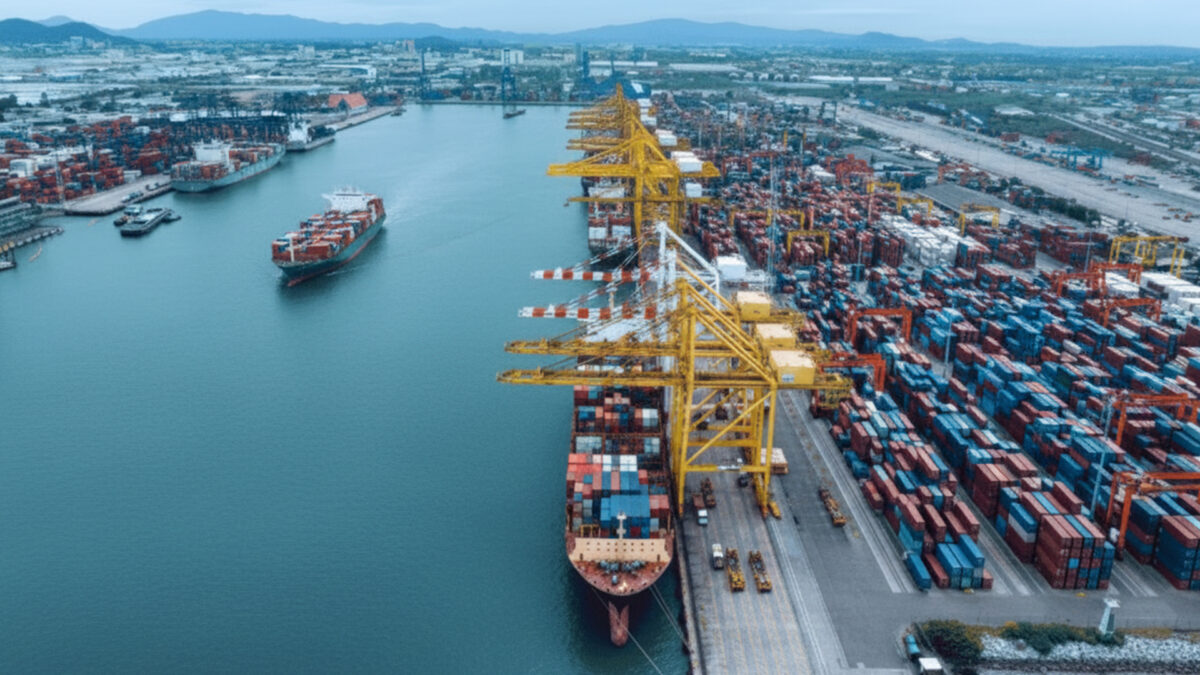
India’s largest private port operator, Adani Ports and Logistics, has announced that vessels sanctioned by the United States, European Union, and United Kingdom will no longer be allowed at any of its 14 ports. The policy, which takes effect immediately, aims to align with international sanctions and avoid potential legal and commercial risks linked to vessels associated with Russian or Iranian shipping.

The directive requires vessel agents to provide written assurance that their ships are not subject to sanctions at the time of nomination. This step reflects Adani Ports’ commitment to adhering to global trade and security norms amid growing geopolitical tensions.

The decision follows increased scrutiny of maritime activities involving Russia and Iran, particularly the so-called “shadow fleet” used to transport crude oil. After sanctions by Western nations targeting Russian energy exports, these vessels have been used to sustain oil shipments despite restrictions. India, though not bound by unilateral sanctions, has been monitoring transactions and vessels involved in such trade.

The policy change could have far-reaching implications for Indian refiners that depend on Adani’s port facilities for importing crude oil. HPCL-Mittal Energy Ltd, which runs a 226,000-barrels-per-day refinery in Punjab, receives all its crude at Adani’s Mundra Port. Similarly, Indian Oil Corporation, the country’s largest refiner, imports crude at multiple ports, including those operated by Adani. The new restrictions may disrupt these supply chains and prompt refiners to explore alternative routes or suppliers.

Adani’s move reflects a cautious approach aimed at safeguarding its operations from sanctions-related penalties while ensuring compliance with evolving global standards. The decision aligns with broader efforts to curtail sanctioned trade and strengthen enforcement mechanisms across the maritime sector.

As trade dynamics continue to shift, Adani Ports’ policy adjustment highlights the growing challenges faced by global supply chains in balancing operational efficiency with regulatory compliance. With increased attention on oil shipments and financial sanctions, the port operator’s actions underscore the delicate balancing act between commercial interests and geopolitical responsibilities. 

The move is likely to influence how port operators, shipping companies, and energy suppliers navigate global trade frameworks in the coming years.
Categories
Corporate

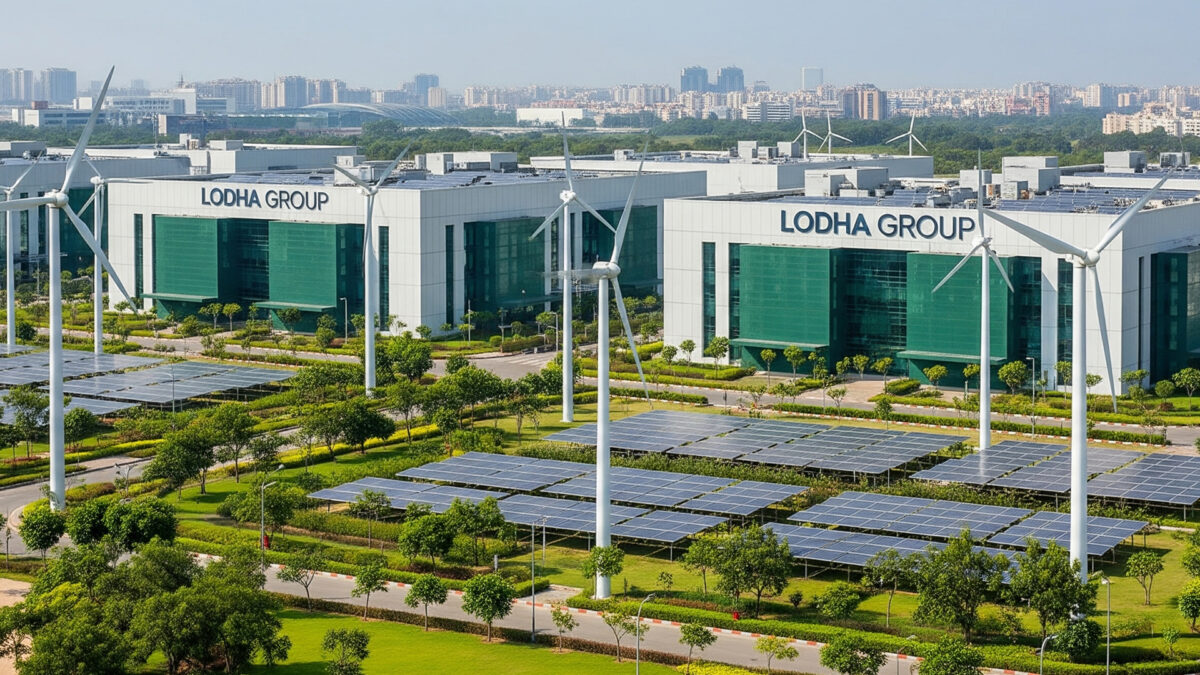
Lodha Group Signs MoU to Establish ₹30,000 Crore Green Data Centre Park Near Mumbai

In a major push to boost digital infrastructure, the Maharashtra state government and Lodha Developers have signed a Memorandum of Understanding (MoU) to establish a Green Integrated Data Centre Park in Palava, near Mumbai. The project, with an investment of ₹30,000 crore, is set to position the state as a leading hub for sustainable data services.

The data centre park will cover 370 acres in the Mumbai Metropolitan Region and is designed to accommodate multiple international and domestic data centre operators. With a planned capacity of 2 gigawatts, it aims to meet the increasing demand for data storage and processing in the region. The project is expected to generate around 6,000 direct and indirect jobs, providing a significant boost to the local economy.

Aligned with Maharashtra’s Green Integrated Data Centre Parks policy introduced in October 2024, the project will rely on renewable energy sources and environmentally responsible infrastructure. The policy mandates that data centres operate using clean energy to reduce their carbon footprint. Lodha Developers has committed to achieving net-zero emissions across all its operations in the coming years, reinforcing its commitment to sustainable development.

This initiative forms part of a broader investment strategy by the Maharashtra government, which recently signed MoUs worth ₹1.09 lakh crore across various sectors including IT, food processing, logistics, and warehousing. These investments are expected to create approximately 48,000 direct jobs, underscoring the state’s intent to foster growth and attract global investments.

The Palava data centre park is expected to become a key digital infrastructure hub, drawing leading operators and contributing to Maharashtra’s reputation as a destination for large-scale industrial and technological developments. Its focus on sustainability and innovation sets new benchmarks for environmentally conscious projects in the country.

As the project progresses, it is likely to play a critical role in supporting Maharashtra’s digital economy and addressing the growing demand for data services, while promoting green and responsible infrastructure development.

Categories
Leaders

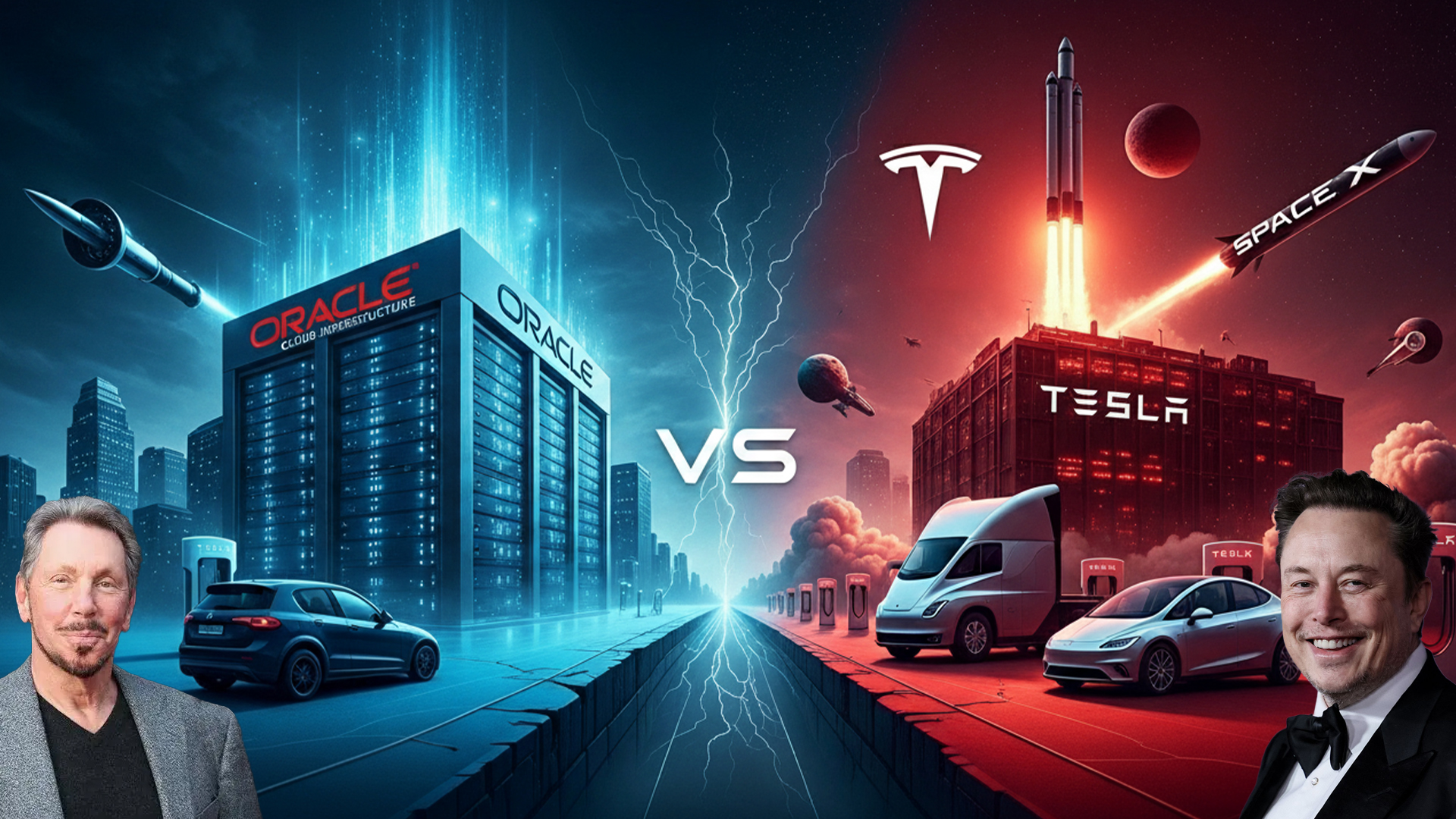
Larry Ellison Overtakes Elon Musk as World’s Richest Person

Larry Ellison Overtakes Elon Musk as World’s Richest Person

Oracle’s cloud-driven surge pushes Ellison’s net worth past $393 billion, marking a milestone in tech wealth rankings

Staff Writer

11 September 2025

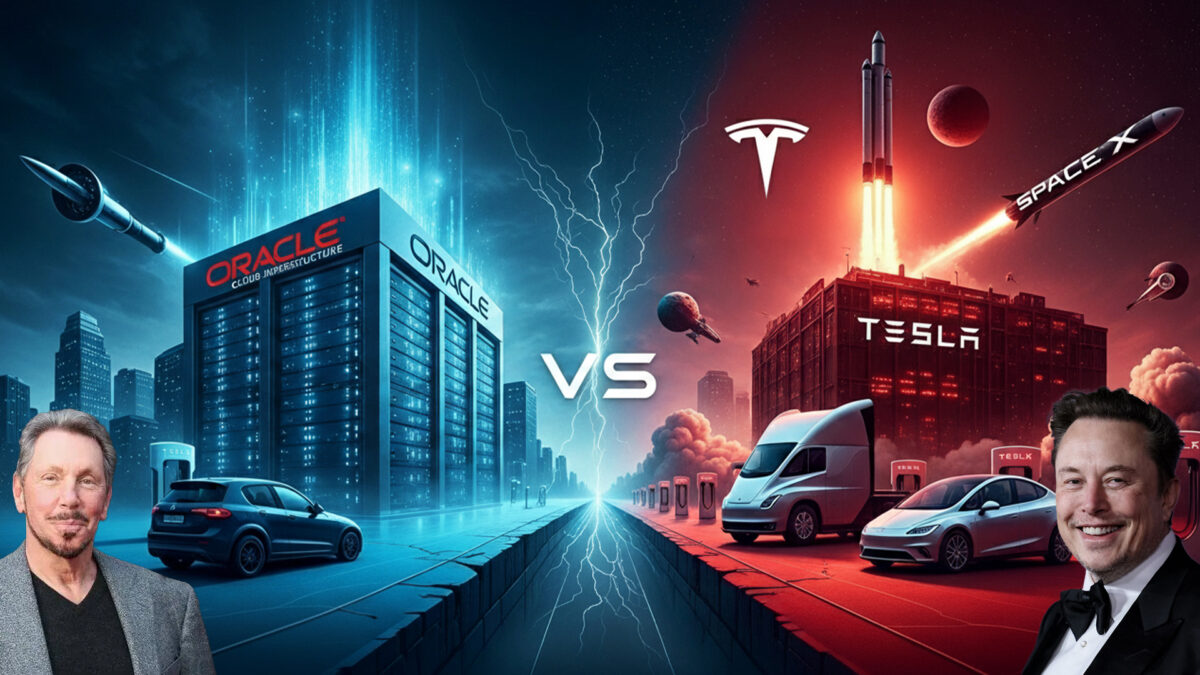
Larry Ellison, co-founder and executive chairman of Oracle Corporation, has overtaken Elon Musk to become the world’s richest person, according to the latest Bloomberg Billionaires Index. Ellison’s net worth surged to over $393 billion, briefly surpassing Musk’s fortune and marking the first time the Oracle veteran has claimed the top spot in global wealth rankings.

The dramatic rise in Ellison’s wealth came on the back of Oracle’s blockbuster quarterly results, which exceeded market expectations. The company’s stock soared 41% in a single day, its largest-ever daily gain, driven by robust growth in its cloud infrastructure segment and a positive forecast for expansion. These gains added an estimated $101 billion to Ellison’s fortune, reinforcing the growing prominence of cloud computing and artificial intelligence in the tech sector’s future.

As of the latest data, Ellison’s fortune stands at $393 billion, slightly ahead of Musk’s $384 billion. Although Musk briefly reclaimed the lead afterward, Ellison’s ascent reflects the strength of Oracle’s strategic positioning and long-term investments. His ownership of approximately 40% of Oracle’s shares accounts for more than 80% of his wealth, underscoring how corporate leadership and innovation can translate into vast personal fortunes.

At 81 years old, Ellison’s achievement highlights a shift in the tech wealth landscape, as established companies pivot toward cloud-based services and digital infrastructure. Analysts believe that Oracle’s renewed momentum could sustain Ellison’s position at the top, particularly as demand for enterprise-level cloud solutions continues to rise.

Experts note that this development also marks a broader transformation in global wealth, with a few technology magnates commanding an unprecedented share of resources and influence. Ellison’s brief stint as the world’s richest person exemplifies how tech-driven growth trajectories are reshaping power dynamics at the highest levels of finance.

While Elon Musk’s ventures in space exploration and electric vehicles have long defined his fortune, Ellison’s cloud computing focus represents another pathway to astronomical wealth. As both figures jockey for prominence, the competition reflects how innovation, infrastructure, and investment strategies remain central to the fortunes of the ultra-wealthy.

The coming months will likely reveal whether Oracle’s growth can sustain this record-breaking surge or if competition in emerging tech sectors will reshape the leaderboard once again. For now, Larry Ellison’s rise stands as a landmark moment in the history of tech-driven wealth creation.

Categories
Corporate

Vikram Solar Shares Jump 11% on Record Q1 Revenue and Profit

Vikram Solar Shares Jump 11% on Record Q1 Revenue and Profit

₹140 crore net profit and ₹3,423 crore revenue underscore strong growth prospects

Staff Writer

10 September 2025

Shares of Vikram Solar, a leading Indian photovoltaic (PV) module manufacturer, surged over 11% on September 10, 2025, following the company’s outstanding financial results for the first quarter of FY2025-26.

The company reported a remarkable 75% year-on-year increase in net profit, reaching ₹140 crore, up from ₹80 crore in the same quarter last year. This represents a nearly fivefold growth compared to earlier periods reported. Revenue from operations hit a record high of ₹3,423 crore, marking a 36% rise compared to the ₹2,511 crore recorded in Q1 of the previous fiscal year.

Vikram Solar’s EBITDA margin expanded significantly by nearly 370 to 690 basis points, depending on the report, reaching between 15.9% and 21.4%, highlighting improved operational efficiency.

This strong performance is driven by a combination of factors, including robust policy support from the government, growing energy demand fueled by advances such as artificial intelligence, and a broad shift towards renewable energy, especially solar power and energy storage solutions.

The company’s integrated approach across the solar value chain positions it well to capitalize on the expanding demand for clean energy in India and beyond.

Following its market debut on August 26, 2025, where Vikram Solar listed at a premium over its issue price, investor confidence has grown, reflected in the significant share price rally. The impressive quarterly results have further bolstered optimism about the company’s future growth prospects.

Categories
Corporate

Sun Pharma’s Halol Plant Receives OAI Classification from U.S. FDA

Sun Pharma’s Halol Plant Receives OAI Classification from U.S. FDA

Regulatory concerns deepen as facility remains under import alert; company pledges corrective action

Staff Writer

10 September 2025

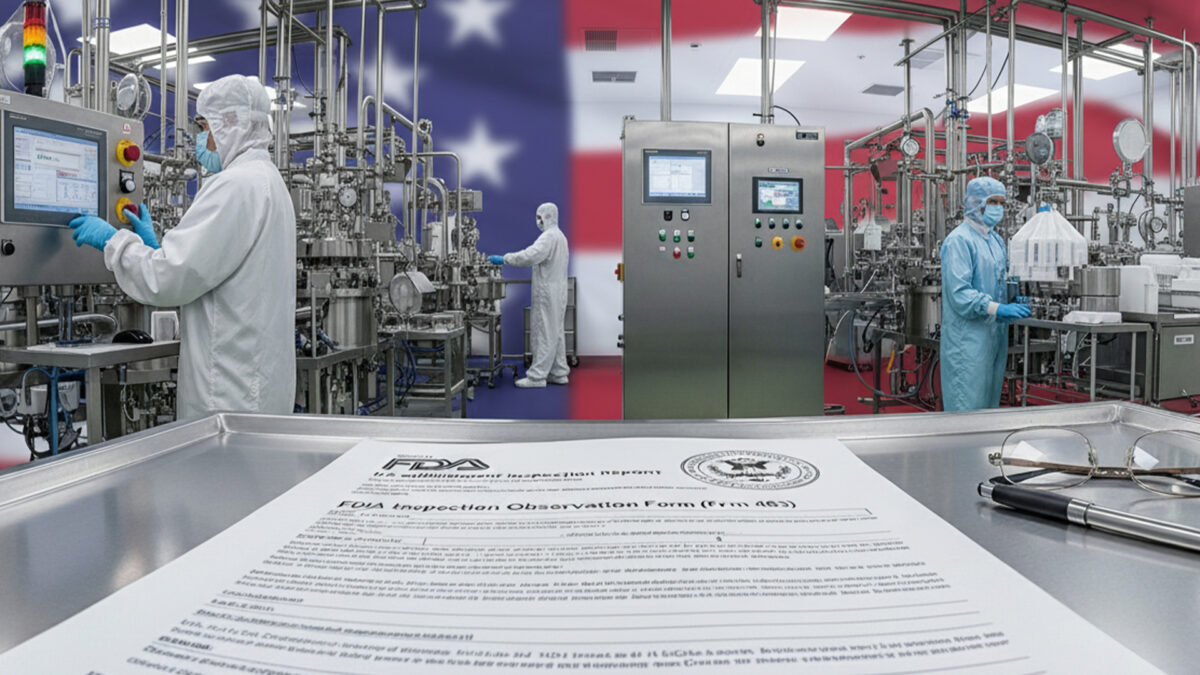
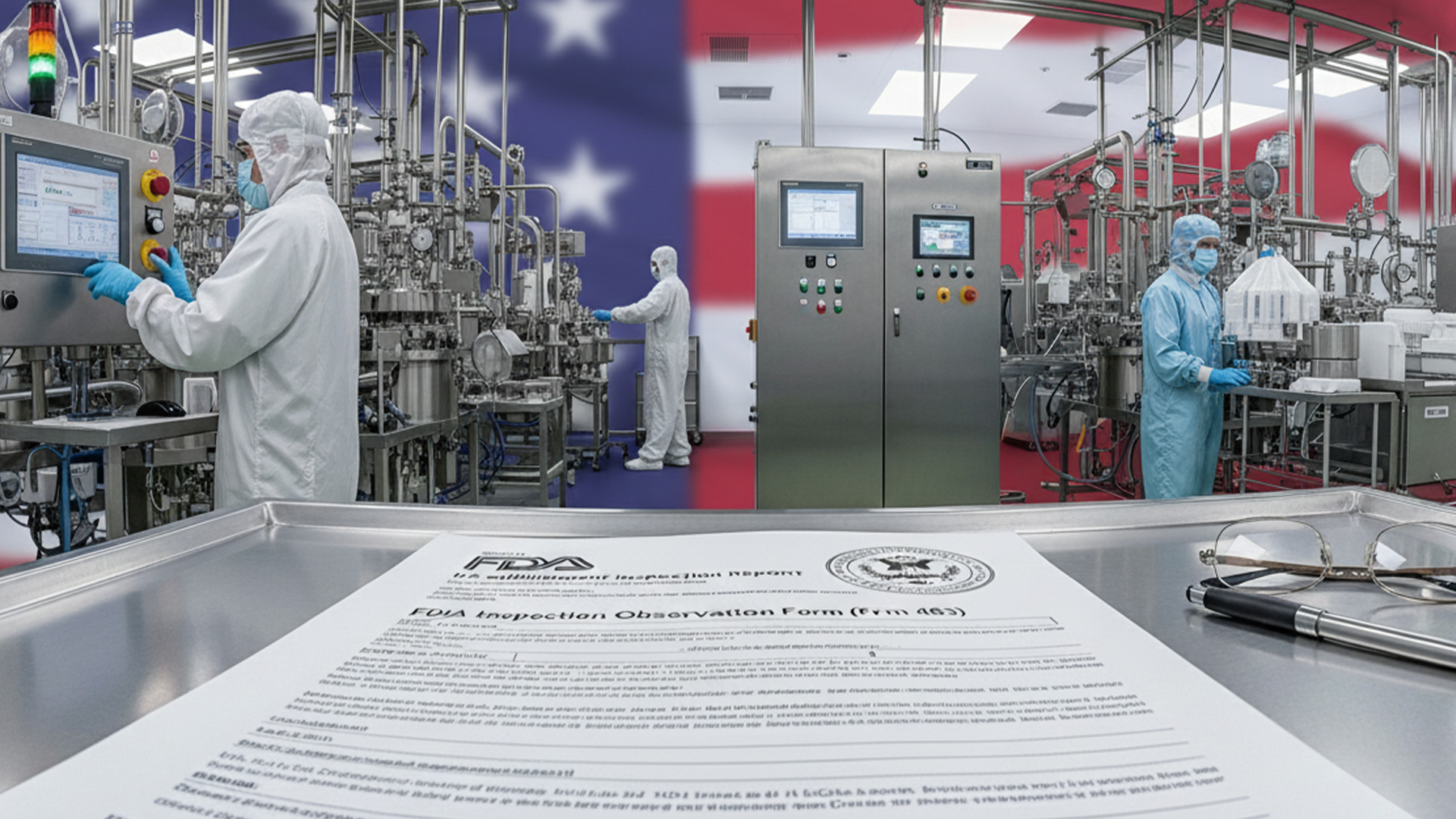
Sun Pharmaceutical Industries, India’s largest drugmaker, announced that its Halol manufacturing facility in Gujarat has been classified as “Official Action Indicated” (OAI) by the United States Food and Drug Administration (USFDA), following an inspection carried out from June 2 to June 13, 2025.

The OAI status implies that the regulator has found significant violations of current Good Manufacturing Practices (cGMP) at the site, and that regulatory or enforcement actions may follow if the company fails to address the concerns adequately.

The Halol plant is already operating under an import alert issued by the USFDA, which restricts most of its products from entering the U.S. market, except for select medicines exempted due to medical necessity or shortage. The new classification further complicates Sun Pharma’s efforts to bring the facility back into full regulatory compliance.

In a regulatory filing, Sun Pharma said it remains committed to working closely with the USFDA to resolve the issues. “The company is taking all necessary steps to address the observations and ensure sustained compliance,” it stated.

The Halol facility has been a key site for Sun Pharma’s exports to the U.S., one of its largest markets. However, it has faced recurring regulatory challenges over the years, impacting product approvals and supply timelines.

An OAI classification does not permit the approval of any pending drug applications linked to the site until the concerns are resolved, which could affect the company’s pipeline in the U.S.

Despite the regulatory setback, Sun Pharma said it continues to prioritize product quality and patient safety across all its manufacturing locations.

Categories
Corporate

Tesla’s U.S. Market Share Falls to Eight-Year Low Amid Rising EV Competition

Tesla’s U.S. Market Share Falls to Eight-Year Low Amid Rising EV Competition

The decline is attributed to intensified competition, with established automakers such as Hyundai, Honda, Kia, and Toyota offering significant incentives to boost their EV sales.

Staff Writer

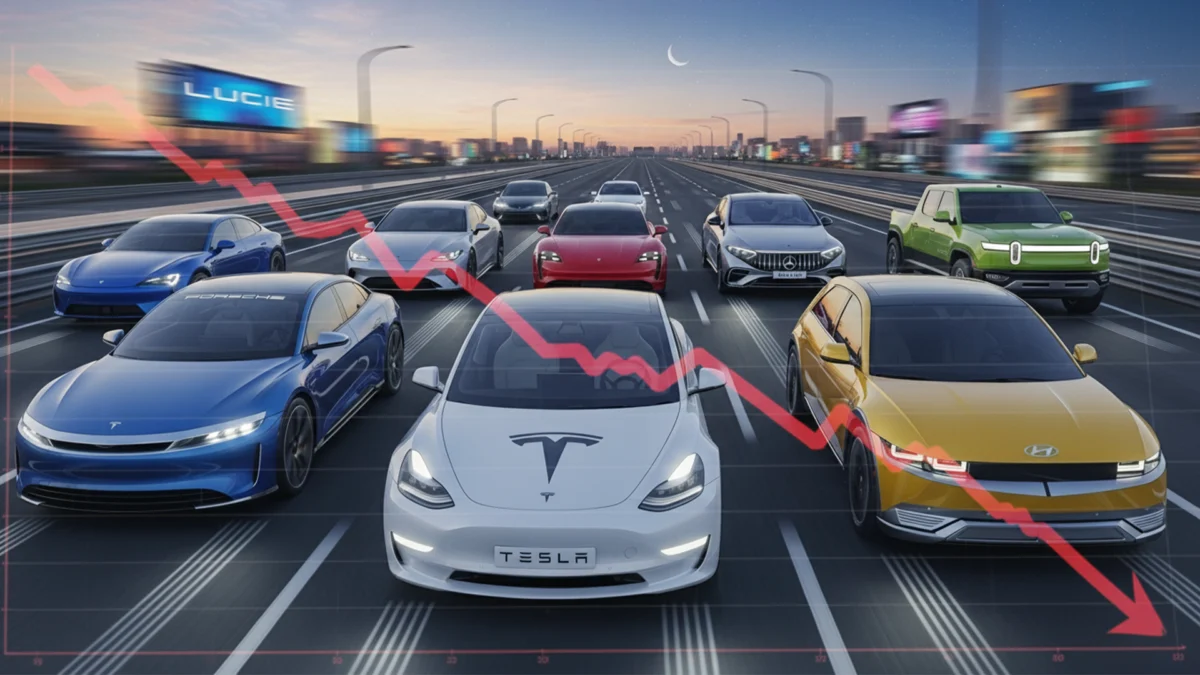
Tesla’s market dominance in the U.S. electric vehicle (EV) sector is showing signs of erosion, as buyers increasingly turn to rival automakers offering more attractive EV options. According to data from research firm Cox Automotive, shared exclusively with Reuters, Tesla’s U.S. market share dropped to 38% in August 2025 — its lowest in nearly eight years and the first time it has fallen below the 40% mark since October 2017, when the company was ramping up production of its Model 3.

The decline is attributed to intensified competition, with established automakers such as Hyundai, Honda, Kia, and Toyota offering significant incentives to boost their EV sales. Many of these manufacturers reported a surge in demand, with monthly sales increases ranging from 60% to 120%, helping them expand their market share at a time when Tesla’s growth has stalled. The broader EV market grew by 14% in August, while Tesla’s growth rate slowed to just 3.1%, Reuters reported.

Tesla’s struggles come at a time when it is attempting to pivot its focus toward developing robotaxis and humanoid robots, delaying plans for more affordable EV models. The company’s last new vehicle launch, the Cybertruck in 2023, has failed to replicate the success of earlier models like the Model 3 and Model Y. Efforts to refresh the Model Y have not significantly improved sales, and Tesla appears headed toward a second consecutive year of declining deliveries.

The company’s reliance on price cuts and incentives to stimulate demand is also affecting its profit margins, raising concerns among investors. For years, Tesla’s ability to command premium prices had allowed it to maintain profitability, but the current market environment is forcing the company to choose between sustaining profits or boosting sales through higher incentives that erode its margins.

Adding to Tesla’s challenges are concerns over CEO Elon Musk’s political affiliations and activities. Musk’s involvement in efforts to reshape the U.S. government under President Donald Trump, followed by his departure from the administration and strained relations with the Republican leader, has reportedly impacted public perception of the brand.

Despite Tesla’s weakened market position, overall EV sales in the U.S. remain buoyed by the looming expiration of the $7,500 federal tax credit at the end of September. Many automakers, including Tesla, have rolled out aggressive deals to attract buyers in the lead-up to the cutoff. In July, sales of new EVs jumped by more than 24% month-over-month to over 128,000 units, with Tesla’s sales increasing by 7% to just over 53,800 units, according to the data shared with Reuters.

The shifting dynamics in the EV market underscore the growing pressure on Tesla as competitors leverage incentives and newer models to challenge its long-standing supremacy. Analysts expect this trend to continue through September, after which a decline in federal support may further reshape the competitive landscape. Tesla’s future trajectory may depend on how effectively it balances its ambitions in robotics and AI with the core demands of its automotive business in an increasingly crowded market.

Categories
Corporate

PhysicsWallah Submits Revised DRHP for ₹3,820 Crore IPO; Founders to Sell Shares

PhysicsWallah Submits Revised DRHP for ₹3,820 Crore IPO; Founders to Sell Shares

First Indian edtech startup set to go public as company outlines aggressive offline and hybrid growth plans

Staff Writer

Edtech unicorn PhysicsWallah (PW) has filed an updated Draft Red Herring Prospectus (DRHP) with the Securities and Exchange Board of India (SEBI) to raise ₹3,820 crore through an initial public offering (IPO). The offering will include a fresh issue of shares worth ₹3,100 crore and an offer for sale (OFS) of ₹720 crore, according to regulatory filings.

The OFS will see the company’s co-founders, Alakh Pandey and Prateek Maheshwari, each selling shares worth ₹360 crore. The IPO filing marks a significant step for the company, which had earlier submitted its DRHP through the confidential pre-filing route. SEBI approved the filing on July 18, 2025, allowing the company to move forward with the public process.

PhysicsWallah intends to use a substantial portion of the IPO proceeds to expand its hybrid and offline learning infrastructure. The updated DRHP shows that ₹460 crore has been allocated for the establishment of new centers, while ₹548 crore will be used for lease payments on existing facilities. Additionally, ₹470 crore is earmarked for investments in its subsidiaries, including Xylem Learning and Utkarsh Classes, as well as for acquisitions.

The company plans to spend ₹200 crore on enhancing server and cloud infrastructure and another ₹710 crore on marketing and brand awareness. These allocations reflect a strategic push to strengthen the company’s operational scale and visibility in the increasingly competitive edtech space.

PhysicsWallah’s financial performance in FY25 shows a strong growth trajectory. The company reported a 97% year-on-year increase in revenue, rising from ₹1,940 crore in FY24 to ₹2,886 crore in FY25. At the same time, net losses dropped sharply from ₹1,131 crore in FY24 to ₹243 crore in FY25. The number of offline centers increased rapidly, with a compound annual growth rate (CAGR) of 166% between FY23 and FY25.


On the digital front, the company has built a massive following. Its flagship YouTube channel, “Physics Wallah – Alakh Pandey,” had 13.7 million subscribers as of mid-July 2025, while the broader PW YouTube network reached 98.8 million subscribers by June 30, 2025. The company has positioned itself as a leading player in low-cost, high-reach educational content, particularly in tier-2 and tier-3 cities.

This IPO is among the most anticipated listings in India’s startup ecosystem this year, as it would mark the first public offering by an Indian edtech company.


Categories
Corporate

Tesla Board Proposes Record $1 Trillion Pay Package for Elon Musk

Tesla Board Proposes Record $1 Trillion Pay Package for Elon Musk

The plan, disclosed in a regulatory filing, would award Musk as much as 12 percent of Tesla’s outstanding stock if the company meets a series of ambitious operational and financial milestones

Staff Writer

Tesla’s board has proposed an unprecedented compensation package for CEO Elon Musk that could be worth up to $1 trillion over the next decade, setting the stage for one of the most consequential shareholder votes in corporate history.

The plan, disclosed in a regulatory filing, would award Musk as much as 12 percent of Tesla’s outstanding stock if the company meets a series of ambitious operational and financial milestones. These include boosting Tesla’s annual production to 20 million vehicles, deploying one million robotaxis and one million humanoid robots, and securing 10 million active Full Self-Driving subscriptions. The company’s market capitalization would need to climb from about $1.1 trillion today to $8.5 trillion within ten years for Musk to realize the full payout.

The package also requires Musk to remain with Tesla for at least seven and a half years, with a succession plan for future leadership tied to the later stages of the award. The board, led by chair Robyn Denholm, argued that the proposal was essential to keep Musk focused on Tesla as it pushes deeper into artificial intelligence, robotics and autonomous driving.

Investors reacted positively to the announcement, sending Tesla shares up more than three percent. The proposal comes as the company continues to navigate intense competition in the electric vehicle market while seeking to expand its business model into new technologies.

The timing of the deal has raised questions. Earlier this year, a Delaware court struck down Musk’s $50 billion compensation plan from 2018, ruling that Tesla’s board lacked independence in approving it. The company has appealed the decision, and only last month granted Musk an interim equity award valued at nearly $24 billion.

Critics have already voiced concerns about governance, dilution of shareholder value and the concentration of power in Musk’s hands. Supporters, however, argue that the scale of the award reflects the scale of the challenge Tesla has set for itself.

Shareholders will vote on the proposal at Tesla’s annual meeting on November 6. If approved, the package would represent the largest executive pay deal in corporate history.

Categories
Corporate

Sequent Scientific and Viyash Life Sciences Secure Shareholder and Regulatory Approvals for ₹8,000-Crore Merger

Sequent Scientific and Viyash Life Sciences Secure Shareholder and Regulatory Approvals for ₹8,000-Crore Merger

Strategic Merger to Create a Global Pharmaceutical and Animal Health Leader

Staff Writer

Sequent Scientific Ltd., a leading global animal health company, and Hyderabad-based Viyash Life Sciences have received overwhelming shareholder approval for their proposed merger valued at around ₹8,000 crore. This strategic union is poised to create a stronger, integrated pharmaceutical and animal health entity with a significant global footprint.

The merger plan was approved by an overwhelming 99.98% of Sequent’s public shareholders on August 30, 2025. In addition to shareholder consent, the companies have received all necessary regulatory clearances from the National Stock Exchange (NSE) and Bombay Stock Exchange (BSE). The firms have now initiated the next step by filing for final approval with the National Company Law Tribunal (NCLT).

Under the merger terms, Viyash shareholders will receive 56 shares of Sequent for every 100 shares held. This will increase Sequent’s total share capital from 240 million to approximately 428 million shares. The promoter and promoter group’s stake in the merged entity will stand at roughly 62.4%.

The merger combines Sequent’s expertise in animal health with Viyash’s strengths in human healthcare, creating a diversified pharmaceutical powerhouse. The consolidated company will operate 15 to 16 manufacturing facilities, including nine approved by the US Food and Drug Administration (USFDA). This expansion is expected to result in a five-fold increase in research and development (R&D) talent and a nine-fold boost in USFDA-approved manufacturing capacity.

Industry experts believe this merger will significantly enhance Sequent’s financial profile, improving profitability and strengthening its competitive position in the global pharmaceutical market. The combined entity plans to leverage synergies across manufacturing, R&D, and market presence to drive innovation and growth.

With this merger, Sequent and Viyash are set to become key players in the global animal health and pharmaceutical sectors, unlocking new opportunities for innovation and expansion.


Categories
Corporate

Trump’s 50% Tariffs Jolt Indian Economy, Markets Slide as Trade War Escalates

Trump’s 50% Tariffs Jolt Indian Economy, Markets Slide as Trade War Escalates

Key sectors like IT and auto take a hit while pharma finds some relief amid rising trade barriers.

Staff Writer

New Delhi: India faces an economic crisis after former U.S. President Donald Trump imposed devastating 50% tariffs on Indian imports, triggering market chaos and threatening millions of jobs.

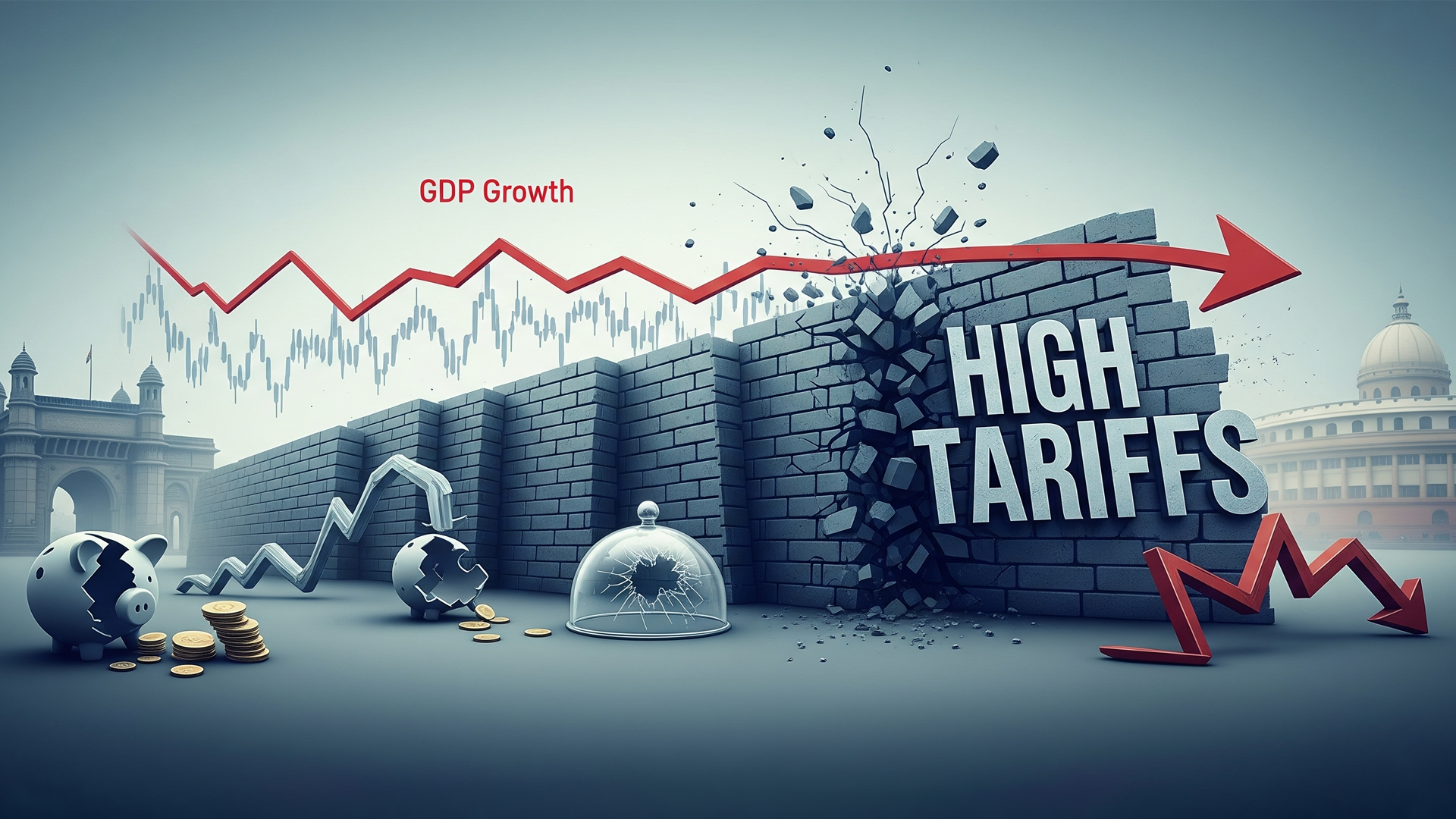
The punitive measures arrived in two phases: a 26% "reciprocal tariff" targeting India's trade surplus, followed by an additional 25% penalty against New Delhi's energy cooperation with Russia. This 50% tariff wall, effective August 27, represents the most severe trade action against India in decades.

Markets in Turmoil

Indian equity markets opened in freefall Thursday, with the Sensex crashing nearly 500 points to 76,118 and the Nifty 50 plummeting 125 points to 23,207. Despite some recovery, both indices closed in the red—Sensex down 322 points at 76,295 and Nifty 50 ending 82 points lower at 23,250.

The technology sector suffered the heaviest casualties, with Nifty IT collapsing 4.2%. Giants like Infosys, TCS, and Wipro saw valuations decimated as investors fled U.S.-exposed stocks. Automobile manufacturers, including Tata Motors and Mahindra & Mahindra, also faced significant losses. However, pharmaceuticals surged 2.25% due to selective exemptions, while PSU banks gained 1.9% as investors sought defensive positioning.

The tariffs target India's export backbone, such as textiles, gems, garments, seafood, auto components, and chemicals, industries employing millions. Industry associations project catastrophic losses: up to $40 billion in export losses by fiscal 2026, over 10 million jobs at risk, and GDP growth reduction of nearly one percentage point.

From Surat's diamond workshops to Banaras' silk looms, industrial hubs report immediate order cancellations. "This isn't policy adjustment, it's economic warfare against Indian industry," declared a Ludhiana textile exporter.

Government Response

Prime Minister Modi convened emergency meetings as his administration formulated responses. The Commerce Ministry outlined export market diversification through accelerated free trade agreements with the UK, Australia, and the UAE, plus targeted fiscal support for affected industries.

Diplomatically, sources confirm Modi is preparing a China visit, signaling a potential geopolitical pivot toward BRICS partnerships. White House officials indicated tariffs could drop to 25% if India ends discounted Russian oil purchases, revealing energy politics as the dispute's core. As global markets turn risk-averse, India faces a critical test of its economic resilience and strategic flexibility in an increasingly polarized world.

The government is expected to announce detailed support measures for affected exporters by week's end, while diplomatic channels remain active to prevent further escalation of the trade dispute.