Categories
Beyond

Festive Delight: Gold Hits Record Rs 1.19 Lakh, Silver Surges

Gold prices in India surged to an all-time high on Monday, with domestic rates reaching Rs 1.19 lakh per 10 grams as investors increased allocations to bullion amid seasonal buying and mounting global uncertainty.

Silver traded in tandem, touching multi-year highs as demand from both retail and investment channels rose ahead of the festival season and amid safe-haven flows.

Market reports said the single-day move reflected a confluence of firm festive demand, technical buying and broader international cues that pushed both spot and futures contracts to fresh peaks.

Global markets showed parallel strength, with spot gold surpassing the $3,900-per-ounce mark as investors sought refuge from geopolitical and economic instability, and expectations grew for further interest-rate reductions by the U.S. Federal Reserve.

Spot gold climbed close to $3,958.57 an ounce on October 6, reflecting heightened safe-haven buying amid conflicts overseas, concerns about the U.S. political landscape and renewed central-bank purchases.

Reports noted that robust inflows into physical gold exchange-traded funds and central-bank buying had supported the international rally.

On India’s domestic platforms, futures and spot markets advanced with similar momentum. Multi Commodity Exchange contracts and local spot quotations moved to record levels as traders priced in sustained demand through October and the approaching Diwali festival, while a softer rupee amplified rupee-denominated gains.

Market snapshots showed sharp intraday moves, with trade reports pointing to single-day increases of several thousand rupees in benchmark quotes as liquidity and appetite for physical metal firmed, and as participants adjusted positions in response to global cues and domestic buying.

Analysts noted central bank purchases and ETF inflows of nearly 588 tonnes through September had underpinned the rally. Forecasts suggested continued upside into Diwali, with some estimates placing gold near Rs 1.20–1.22 lakh and silver around Rs 1.5 lakh in the coming weeks if current trends continue, driven by a combination of seasonal purchases and ongoing safe-haven demand.

Observers pointed out that the prospect of lower U.S. interest rates weakens the opportunity cost of holding non-yielding bullion, a dynamic that has encouraged both institutional and retail allocations.

Silver’s rally was particularly notable in regional trading centres, where prices were reported to have reached around Rs 1.50 lakh per kilogram in some domestic markets and about Rs 1.48 lakh per kg in other spot quotations.

In U.S. dollar terms, silver approached levels not seen in decades, driven by a mix of retail buying for jewellery and gifts, industrial demand, and speculative flows.

Commodity dealers in key hubs reported brisk activity in both wholesale and grey-market channels, and analysts pointed to constrained supplies together with renewed investor interest as contributors to the sharp move.

Intermediaries and trade bodies signalled mixed expectations for consumption through the season. Several industry reports suggested record-high prices might curb discretionary purchases of jewellery, yet historically strong cultural and ceremonial demand around Diwali and the wedding season could sustain baseline volumes.

Analysts monitoring futures and spot flows said volatility was likely to remain elevated in the near term as markets balance profit-taking, fresh buying and reactions to macroeconomic developments.

For consumers and small buyers, the rapid rise in benchmark prices translated into higher retail rates across cities, with local premiums and taxes further affecting final jewellery costs.

Market participants said that while investment demand — including coins, bars and ETFs — was a major driver of the recent leg up, consumer purchases for festivals continued to play an important role in supporting physical demand in India.

Traders advised caution as liquidity conditions and geopolitical developments remained notably fluid.

Also Read: Adani Energy Raises $250 Million Loan From International Lenders

Categories
Corporate

Adani Energy Raises $250 Million Loan From International Lenders

Adani Green Energy Ltd has signed an agreement to raise about $250 million from a group of international lenders, marking the renewable energy firm’s first foreign-currency loan since the United States Department of Justice unsealed an investigation that touched the wider Adani conglomerate.

The loan, arranged with four banks — DBS Bank Ltd, DZ Bank AG, Rabobank and Bank SinoPac Co— is intended to refinance existing debt and support working capital needs, according to market reports.

The facility is structured for roughly five years and carries an indicative interest rate near 8.2 percent, though final pricing and documentation remain subject to customary conditions precedent.

The lenders and Adani Green did not provide immediate public comment. Market observers said the deal is notable because several international banks had previously weighed pausing fresh credit to Adani businesses after the U.S. legal developments, and the agreement signals that some lenders remain prepared to provide offshore financing on commercially acceptable terms.

The loan follows a series of legal and reputational challenges for the broader Adani Group that began with allegations and a U.S. criminal indictment unsealed in November 2024 alleging bribery and related misconduct in connection with solar contracts.

U.S. prosecutors widened their review in 2024 to examine whether senior executives were involved in improper payments related to energy projects; the company has denied wrongdoing and said it would cooperate with legal processes.

The U.S. move drew criticism in some quarters for its potential diplomatic and economic consequences. Commentators in the American press argued the Department of Justice action risked undermining economic collaboration and trust at a sensitive geopolitical juncture.

Those views were reflected in opinion pieces and commentary, and at least one U.S. congressman publicly questioned the Justice Department’s approach, warning of possible harm to bilateral ties.

Analysts said the successful placement of the loan may indicate a selective reopening of offshore funding channels for parts of the Adani group where lenders can quantify and price legal and reputational risks.

When the U.S. charges were first announced, Adani Group companies experienced sharp share price falls and higher scrutiny from investors and counterparties, prompting several partners to reassess or pause arrangements pending clarity on the legal process.

The new facility therefore both responds to existing refinancing needs and tests market appetite for further international funding for the group.

Whether this transaction leads to a sustained return to offshore borrowing for Adani subsidiaries will depend on final documentation, evolving legal proceedings in the United States and the degree of commercial comfort among international banks.

Market participants said lenders would continue to monitor legal, regulatory and reputational developments closely before extending additional credit to borrowers associated with ongoing investigations.

Also Read: Canara Robeco AMC IPO Targets ₹5,305 Crore Valuation


Categories
Corporate

Canara Robeco AMC IPO Targets ₹5,305 Crore Valuation

Canara Robeco Asset Management Company Limited (CRAMC), a joint venture between India’s Canara Bank and Japan’s ORIX Corporation Europe, has announced the price band for its upcoming initial public offering (IPO) at ₹253 to ₹266 per share.

The IPO, scheduled to open on October 9, 2025, aims to raise approximately ₹1,326 crore through an offer-for-sale (OFS) of 4.98 crore equity shares, with no fresh issue component. At the upper end of the price band, the offering values the company at around ₹5,305 crore.

The offer will see Canara Bank and ORIX Corporation Europe divest portions of their stakes. Canara Bank plans to sell 25.92 million shares, reducing its holding by 13%, while ORIX will offload 23.93 million shares.

The IPO is structured with a 50% allocation for qualified institutional buyers (QIBs), 35% for retail investors, and 15% for non-institutional investors (NIIs). The minimum bid lot is set at 56 equity shares, translating to an investment of approximately ₹14,896.

CRAMC has demonstrated robust financial performance, with revenue from operations increasing from ₹164.22 crore in FY22 to ₹318.09 crore in FY24.

Profit after tax (PAT) also saw significant growth, rising from ₹60.16 crore in FY22 to ₹151 crore in FY24. The company’s assets under management (AUM) have grown substantially, reaching over ₹1 trillion, positioning it among India’s leading asset management firms.

The IPO is expected to list on both the Bombay Stock Exchange (BSE) and the National Stock Exchange (NSE) on October 16, 2025. This move comes amid a busy period for India’s primary market, with several significant IPOs anticipated in the October-December quarter.

Investors interested in participating can apply through the Application Supported by Blocked Amount (ASBA) process via banks or stockbrokers.

The allotment of shares is expected to be finalized on October 14, with refunds initiated on October 15 and shares credited to demat accounts on the same day.

As the IPO approaches, market participants are closely watching Canara Robeco’s performance and the broader market conditions to assess the offering’s potential.

Also Read: Vodafone Idea Appoints Tejas Mehta as New CFO

Categories
Corporate

JSW One Platforms Secures Rs 575 Crore Funding from SBI

JSW One Platforms has raised Rs 575 crore in funding from the State Bank of India (SBI), reinforcing its commitment to support micro, small, and medium enterprises (MSMEs) through technology-driven financial solutions.

The partnership marks a significant step for the company’s non-banking financial company (NBFC) operations, aimed at bridging working capital gaps for small businesses across India.

Parth Jindal, Chairman of JSW One Platforms, said the collaboration with SBI represents a long-term alliance that will strengthen the company’s ability to deliver timely credit to MSMEs.

The funding infusion is expected to significantly enhance JSW One Platforms’ lending capacity, enabling it to extend working capital support to a broader range of MSMEs.

These enterprises, which form the backbone of India’s economy, often face challenges in accessing timely credit, particularly for scaling operations or managing day-to-day liquidity.

By leveraging technology, JSW One Platforms aims to simplify the loan process, reduce turnaround times, and provide data-driven financial products tailored to the unique needs of small businesses.

The partnership with SBI also reflects the bank’s increasing focus on supporting MSME financing through private sector collaborations. SBI, which has been actively expanding its MSME lending portfolio, brings both financial clout and credibility to the initiative, ensuring that smaller enterprises can access formal credit at competitive rates.

Industry experts say the collaboration could set a precedent for similar alliances, combining the reach and reliability of established banks with the agility and innovation of tech-driven NBFCs. As MSMEs recover and grow in the post-pandemic economic landscape, access to structured, tech-enabled financing has become critical for sustaining operations and driving expansion.

JSW One Platforms’ NBFC arm, which operates alongside its broader digital and industrial ecosystem, has been increasingly focused on creating end-to-end financial solutions for small businesses, from working capital loans to trade financing. With the new funding from SBI, the company is poised to expand its footprint, enhance its product offerings, and strengthen its support for the MSME sector, which contributes significantly to India’s employment and GDP growth.

The Rs 575 crore investment is expected to accelerate JSW One Platforms’ efforts to empower MSMEs with efficient, technology-backed financial solutions while deepening its strategic partnership with India’s largest public sector lender.

Also Read: Supreme Court Defers Vodafone Idea’s AGR Plea; Stock Falls Around 4%

Categories
Corporate

ONGC to Invest Rs 8,110 Crore in Andhra Pradesh

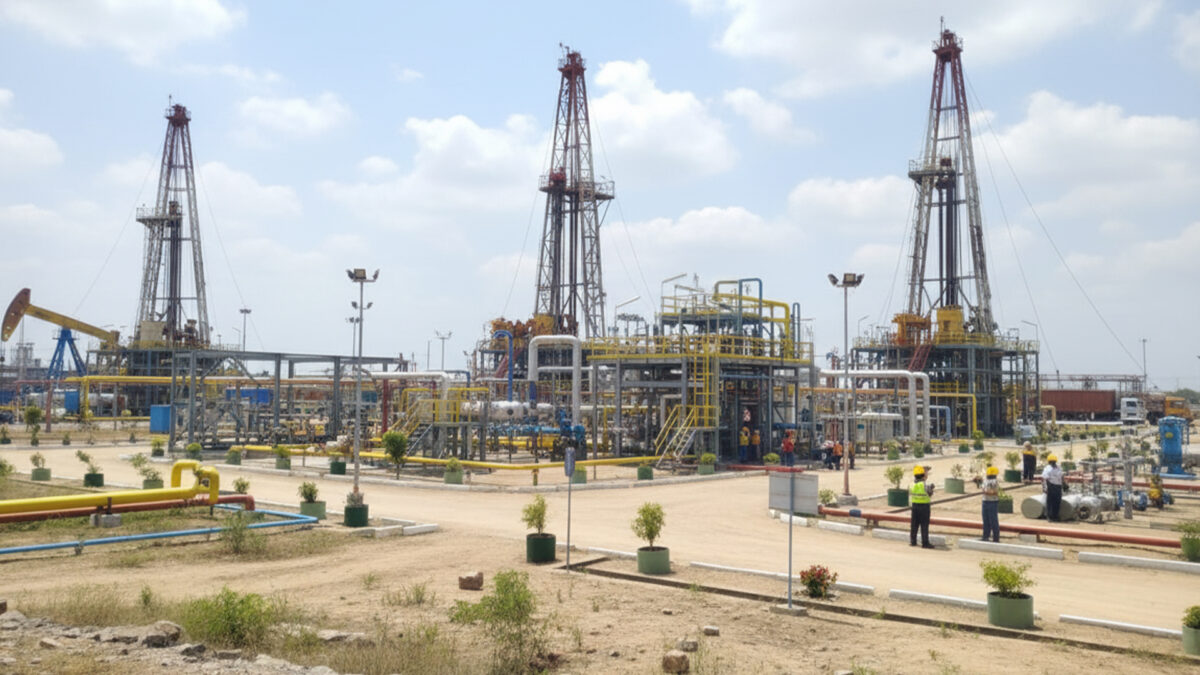
Oil and Natural Gas Corporation Limited (ONGC) is set to invest Rs 8,110 crore for the onshore development and production of oil and gas from 172 wells across eight Production Mining License (PML) blocks in Andhra Pradesh.

The investment is part of the company’s ongoing efforts to expand domestic hydrocarbon production and strengthen India’s energy security.

The PML blocks, spread across key oil- and gas-producing regions of the state, are expected to contribute significantly to ONGC’s output over the coming years.

This development will involve the drilling of new wells as well as the augmentation of existing infrastructure, with the company deploying advanced technologies aimed at enhancing extraction efficiency and optimizing production from mature fields.

Officials said the initiative is expected to generate substantial employment opportunities in Andhra Pradesh, both directly and indirectly. Ancillary industries supporting oil and gas operations, such as logistics, equipment manufacturing, and maintenance services, are likely to benefit from the large-scale development.

The move is also expected to provide a boost to the local economy in the areas surrounding the PML blocks.

ONGC has been steadily increasing its focus on onshore operations in Andhra Pradesh, building on its established presence in the Krishna-Godavari basin and other productive regions.

The company has previously invested in exploration, appraisal, and development projects in the state, with several wells already contributing to domestic oil and gas output. The latest investment marks one of the largest single-year onshore development initiatives by ONGC in the region.

This investment aligns with the central government’s broader strategy to encourage domestic oil and gas exploration, reduce import dependence, and achieve self-reliance in energy.

By intensifying production from onshore fields, ONGC aims to strengthen India’s energy portfolio while ensuring a steady supply of crude oil and natural gas to meet growing domestic demand.

Experts say such large-scale investments are crucial for sustaining long-term growth in the sector, particularly as global oil prices remain volatile and energy security becomes a strategic priority.

With the project set to roll out over the next few years, Andhra Pradesh is likely to emerge as an increasingly important hub for India’s oil and gas industry, supported by modern infrastructure and investment in technology-driven production.

Categories
Corporate

Centre to Intervene Amid Rising Tata Group Discord

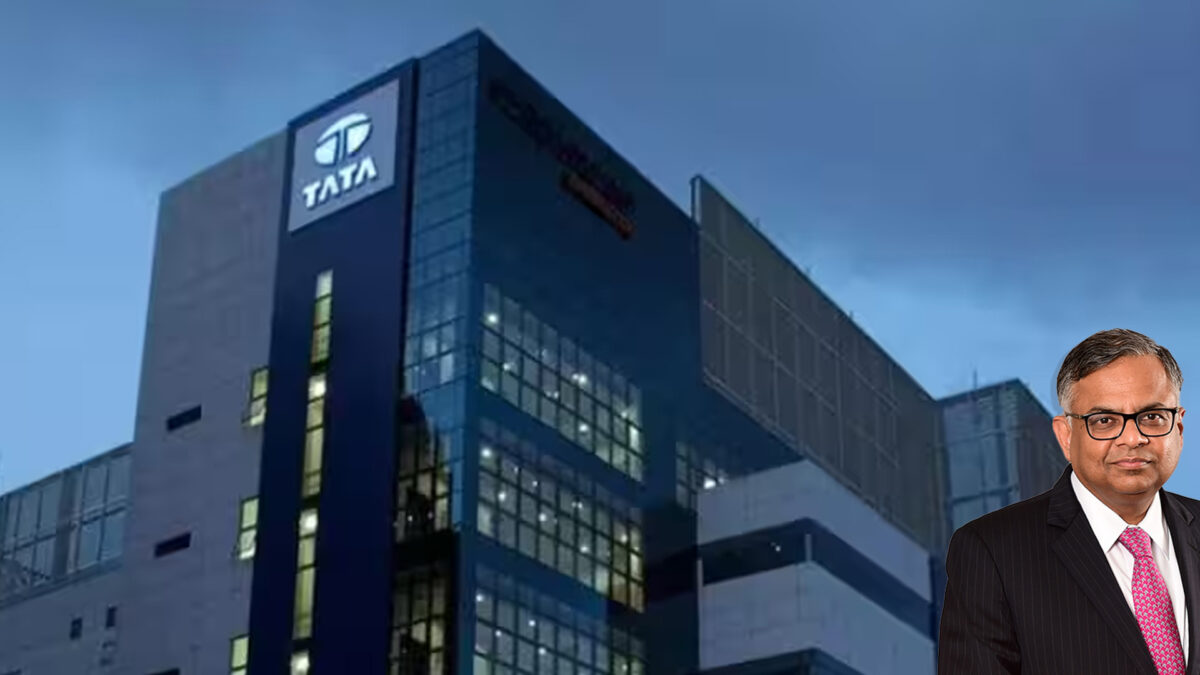
The Centre is preparing to step in to address escalating tensions within the Tata Group, with senior government ministers scheduled to meet key executives from the conglomerate, The Economic Times reported on Monday. The intervention comes as internal disagreements at Tata Trusts—the principal shareholder of Tata Sons—threaten to affect the operations of India’s most valuable business house.

The discussions in New Delhi this week are expected to involve Noel Tata, Chairman of Tata Trusts; Venu Srinivasan, Vice-Chairman of Tata Trusts; N Chandrasekaran, Chairman of Tata Sons; and Darius Khambata, Trustee of Tata Trusts. According to ET, the meetings aim to evaluate recent developments that have caused widespread concern among stakeholders.

Central to the discussions are two pressing issues: resolving divisions among Tata Trusts’ trustees to avoid disruption at Tata Sons, and charting the way forward on the public listing of Tata Sons, a regulatory requirement under RBI norms issued three years ago.

The tensions reportedly trace back to a contentious Tata Trusts meeting on September 11, which exposed deep disagreements among trustees roughly a year after the passing of veteran industrialist Ratan Tata. Conflicts appear to revolve around control of Tata Sons, particularly concerning the appointment of nominee directors and the sharing of information on board proceedings.

The situation escalated after Vijay Singh, former Defence Secretary and Tata Sons nominee director, was removed—a decision opposed by Noel Tata and Venu Srinivasan.

Concurrently, a proposal to induct trustee Mehli Mistry to the Tata Sons board, supported by Pramit Jhaveri, Darius Khambata, and Jehangir Jehangir, intensified the rift, ET noted.

Reports suggest that an internal email from a trustee, seen as a veiled warning to remove Srinivasan in a manner similar to Singh, has heightened fears of a potential consolidation of control that could disrupt Tata Sons’ governance.

The upcoming meetings are intended to secure smoother operations within Tata Trusts and mitigate any ripple effects across the Tata Group. Officials said the unrest has gained attention across various group entities, particularly as board restructuring and trustee appointments remain uncertain.

The discussions also come at a crucial juncture for Tata Sons’ regulatory obligations. September 30 marked three years since the RBI designated it as an “upper-layer” NBFC, requiring mandatory public listing. Tata Sons had sought deregistration from the RBI in March 2024, requesting exemption from both listing and associated regulations, but a response is still pending, ET reported.

Meanwhile, the Shapoorji Pallonji Group, holding an 18.37% stake in Tata Sons and grappling with high debt, continues to advocate for listing to unlock liquidity. Government sources told ET that authorities are closely monitoring trustee demands for access to board agendas, prior approvals for key decisions, and challenges to independent director appointments, which have contributed to governance concerns.

The unrest has reportedly been growing over several months, with divisions becoming sharper as terms of key trustees near renewal, amid disputes over conflicts of interest and financial transparency, according to The Economic Times.

Also Read: Supreme Court Defers Vodafone Idea’s AGR Plea; Stock Falls Around 4%

Categories
Beyond

Sensex, Nifty Trade Higher as Banks and IT Shares Drive Momentum

Indian equity markets continued their upward trajectory on Monday, buoyed by robust buying in banking and IT stocks, alongside supportive global cues.

By 12:59 IST, the Sensex had climbed 483.50 points, or 0.60 percent, 81,691.16, while the broader Nifty rose 142.20 points, or 0.50 percent, to 25,037.45. The rally reflected investor optimism ahead of the ongoing Q2 earnings season and in anticipation of major IPOs.

Among the top performers were Max Healthcare, Shriram Finance, Apollo Hospitals Enterprise, Axis Bank, and Bajaj Finance, all gaining up to 5 percent intraday. Strong buying interest in both financial services and healthcare sectors underscored investor preference for companies with solid quarterly performance and resilient business models.

The Bank Nifty index extended its gains for a fifth consecutive session, buoyed by encouraging second-quarter results from major private lenders, particularly HDFC Bank and Kotak Mahindra Bank.

All twelve constituents of the Bank Nifty were trading in positive territory, with the index surging around 460 points, or 0.82 percent, reclaiming the 56,000 level.

Analysts highlighted that robust performance from public sector banks and non-banking financial companies, combined with largely in-line private bank results, provided strong support to market sentiment.

Technology stocks also contributed significantly to the positive momentum. All ten constituents of the Nifty IT index were trading higher, lifting the sectoral index by 1.6 percent.

Analysts pointed out that investor confidence in IT firms remains strong due to continued digital transformation initiatives and enterprise technology spending across global markets.

Global market trends offered further support to domestic equities.

Major Asian indices, including Japan’s Nikkei 225, traded higher, while U.S. futures indicated a positive start for Wall Street. Market participants suggested that firm global cues reinforced domestic investor confidence, encouraging risk-on trades in equities.

The rupee also strengthened slightly, appreciating by five paise to 88.74 against the U.S. dollar. Observers noted that the firming currency reflected improving risk sentiment, aided by anticipated inflows from upcoming IPOs. The currency’s stability added to investor confidence, particularly for foreign institutional investors monitoring the market for short-term opportunities.

From a technical perspective, market strategists observed that the Nifty was approaching the 24,970–25,050 range targeted last week, with technical indicators suggesting scope for further upside in the near term.

However, they cautioned that momentum might be limited beyond 25,200 in the immediate term, with key support levels near 24,835 and 24,700 providing potential downside buffers.

Overall, Monday’s trading session highlighted strong domestic investor sentiment, led by financials and IT shares, and supported by favorable global market trends and currency stability.

With the Q2 earnings season underway and several high-profile IPOs scheduled in the coming weeks, analysts expect market activity to remain robust, with sector-specific performance continuing to influence the broader indices.

Investors are likely to monitor quarterly results closely, balancing opportunities in outperforming sectors against potential volatility in underperforming ones.

Also Read: Canara Robeco AMC IPO Targets ₹5,305 Crore Valuation

Categories
Corporate

IT Sector Poised for Tepid Q2; Macro Woes, U.S. Visa Policy Shake Confidence

As the July-September quarter looms, India’s IT services firms are bracing for another muted financial performance, with growth expectations pinned down by weak demand, client budget constraints, and renewed uncertainty following changes to U.S. H-1B visa rules.

Once a strong period for the industry, Q2 is now expected to deliver only modest gains, if any, amid a cautious global environment.

Across the board, analysts foresee single-digit growth or flat sequential expansion in constant currency terms for large-cap Indian IT players.

The continuing pressure is attributed to macroeconomic headwinds coming out of developed economies, especially the United States.

Client organisations are holding back on discretionary spending and large-scale transformation projects, opting instead to prioritise cost optimization and bandwidth reduction. Many firms that had leveraged upticks earlier in the year say the momentum has dissipated. The sector’s reliance on the U.S. market only compounds the challenge. 

The newly imposed $100,000 one-time fee for H-1B visa applications has triggered renewed concerns. Indian IT companies, major deployers of H-1B professionals in the U.S., view the change as a potential disruptor to existing staffing and project continuity.

Industry bodies have warned that the policy could introduce significant operating cost pressures, especially for nearshore models that depend on moving talent across geographies. Though the U.S. has clarified that the fee applies only to new applications and not renewals or existing holdings, the shift raises questions about recruitment plans, visa dependency, and localization strategies. 

One of the sector’s largest names, TCS, is scheduled to kick off the earnings season under this cloud of uncertainty. The company is expected to report a slowdown in revenue growth in constant currency terms, as client hesitation and visa-related cost burdens weigh on margins and operating models. Firms are particularly under scrutiny for their staffing plans, offshore vs onshore balance, and ability to localize talent in the face of visa constraints. 

Margins may see some resilience through exchange rate tailwinds as the rupee depreciates, but that cushion is expected to be offset by wage inflation, pricing pressures, and rising cost of talent deployment. Most firms are believed to be operating at relatively high utilization levels, limiting further room for productivity gains through existing capacity.

Analysts expect that the near-term focus will remain on deal wins in infrastructure modernisation, cloud migration, and AI adoption, but conversion and execution timelines may stretch as clients remain cautious. 

Mid-tier and niche IT firms might outperform their larger peers slightly, as they are often more agile and able to pivot toward smaller, more modular engagements. Some of them have already been gaining traction in automation, AI, and digital engineering mandates. 

Looking ahead, meaningful recovery for the sector is seen by many as a possibility only in the next technology cycle, potentially 12 to 18 months out. For now, expectations are that the industry will tread carefully, lean on cost controls, and await clearer visibility in client pipelines and macro stability. The H-1B policy change, while disruptive, is also pushing companies to rework their global staffing models — an adjustment that could reshape future operating norms, even if it deepens the jitteriness of the current quarter. The coming weeks will be critical to see how firms manage to navigate these layered headwinds and whether they can deliver performance with limited tailwinds.


Categories
Corporate

Vedanta Posts Record Q2 Production; Aluminium, Alumina and Zinc Hit New Highs

Vedanta Ltd reported a string of operational highs in its second quarter for FY 2026, with key divisions such as aluminum, alumina, zinc and pig iron registering record outputs, even as other segments grappled with headwinds. The company’s performance underscores its push to scale capacity and improve productivity across its diversified metals and mining portfolio.

In the quarter ended September 30, 2025, Vedanta posted its highest ever aluminium output of 617 kt, while alumina production at its Lanjigarh refinery climbed to 653 kt — a sharp 31 percent year-on-year growth. These figures mark record quarterly and half-yearly highs for both aluminium and alumina, and reflect strong operational momentum in the upstream chain.

Alongside these gains, Vedanta’s zinc business also delivered standout results. Zinc India recorded its best ever mined metal production of 258 kt — up about 1 percent year-on-year — representing its most productive second quarter and first half. Zinc International fared even better, scaling mined metal output by nearly 38 percent to 60 kt, aided by higher milled tonnages and stronger lead grades.

In the iron and steel segment, the company achieved its highest quarterly pig iron production of 238 kt, an increase of 26 percent year-on-year, driven by successful debottlenecking efforts in its blast furnace operations. Billet production too rose steeply, climbing 43 percent to 232 kt.

However, not every division sustained the growth trajectory. Vedanta’s iron ore production fell by 19 percent to 1.1 million tonnes, a decline attributed to heavier rainfall and subdued demand in the construction sector. Oil and gas posted a 15 percent year-on-year dip, with average daily gross operated production falling to 89.3 kboepd, partly on account of softer output from the Rajasthan block. Steel finished product output also slipped about 8 percent, though its billet segment showed strength.

On the energy front, Vedanta reported its power sales fell 2 percent year-on-year to 4,331 million units, while in the metals basket, copper production saw a modest 3 percent decline, affected by raw material sourcing issues. Lead and silver production also lagged due to disruptions in pyro-plant availability and weaker feed grades.

Vedanta’s Q2 results highlight a deliberate strategy to lean into its most scalable, higher-margin segments even as its more volatile verticals face pressures. While the aluminium and zinc divisions are benefiting from robust global prices and improved efficiencies, sustaining output gains across iron ore, oil & gas and downstream metals will be the true test. The company also continues to pursue capacity expansions — notably in aluminum — backed by plans to invest heavily to scale to 3.1 million tonne capacity by FY28.

Market reaction to the production release was broadly positive. The strength in core metals helped buoy investor sentiment despite challenges in complementary areas. For Vedanta, the current performance underscores both the promise and the volatility of a multi-asset natural resources conglomerate: the ability to post fresh records in key verticals even as ancillary operations reset amid cyclical and structural shifts.

As the company heads into the second half of FY26, the emphasis will likely be on translating capacity gains into improved margins, and steering the weaker segments toward recovery, all while managing external risks such as input cost volatility, weather disruptions and demand fluctuations in global commodity markets.

Also Read: Moody’s Downgrades Tata Motors’ Outlook Amid JLR Cyberattack Fallout


Categories
Beyond

DGCA puts Diwali fares under the microscope as carriers add 1,762 flights

India’s aviation regulator has stepped in to monitor a sharp rise in festival-season airfares after domestic carriers announced the deployment of 1,762 additional flights to meet Diwali demand. The Directorate General of Civil Aviation (DGCA) has asked airlines to expand capacity and keep fares “reasonable” as millions of passengers plan travel around the festival, a move officials say is aimed at preventing exploitative pricing during one of the busiest travel periods of the year.

Airlines including IndiGo, Air India, Air India Express and SpiceJet have been urged to boost seat supply across key domestic routes, with the regulator coordinating closely with carriers to ensure the additional schedules are timed to ease peak-date congestion rather than simply capitalise on demand spikes.

The DGCA’s direction follows widespread reporting of double-digit percentage increases in fares on popular city pairs as travellers book return trips for family reunions and holiday breaks.

Industry officials said the extra 1,762 flights are intended to provide immediate relief on chokepoint routes where inventory shortages were pushing the lowest available fares far above typical levels.

While airlines argue that dynamic pricing reflects market realities — higher demand, seasonal aircraft utilisation and rising operating costs — regulators and consumer advocates have warned that unchecked surges can place an unfair burden on middle-class families who travel for festivals.

The DGCA has also highlighted non-price measures intended to improve traveller outcomes, including better management of airport slot use and monitoring of how carriers allocate seats across fare bands.

Officials say they will maintain an online monitoring mechanism that allows passengers to track fares and flag suspected instances of unreasonable pricing, though they stopped short of imposing direct caps, noting that India has not regulated airline fares since the mid-1990s.

Market watchers caution that adding flights is only a partial remedy: capacity increases must match route-level demand and be sustained through the peak window. If airlines concentrate the bulk of extra flights on a handful of busy sectors, relief will be uneven and some regional travellers could still face steep tickets.

Travel agents say early-bird windows have already closed on many routes, and last-minute booking pressure typically magnifies price volatility.

Passengers planning Diwali travel are being advised to compare itineraries, consider alternate airports and flexible travel dates, and watch for last-minute seat releases as carriers adjust schedules.

The DGCA’s intervention, while measured, signals growing regulatory sensitivity to festival-time pricing and reflects lessons from earlier events such as the Mahakumbh and other mass gatherings, when targeted capacity additions helped moderate fare spikes.

As the peak travel days approach, the regulator said it will continue to engage airlines to ensure the announced 1,762 flights translate into accessible, affordable seats for as many travellers as possible.

Also Read: Perplexity’s Comet AI Browser Now Free for All Users