Categories
Corporate

SoftBank’s $2 Billion Bet Lifts Intel as U.S. Considers Direct Stake

SoftBank’s $2 Billion Bet Lifts Intel as U.S. Considers Direct Stake

Japanese investor’s deal sparks rally in Intel shares, spotlighting Washington’s semiconductor strategy
Staff Writer

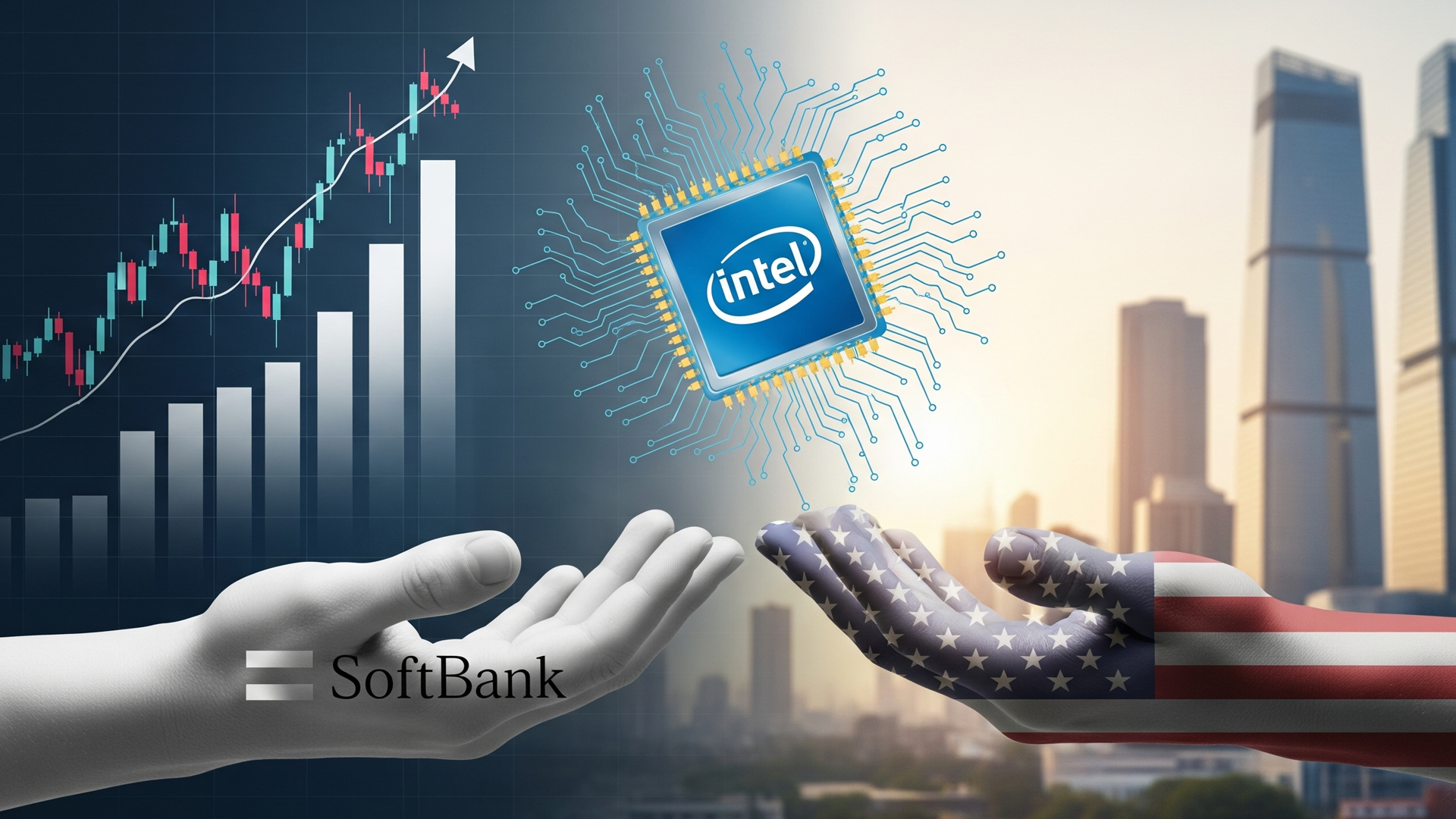
Intel stock jumped over 5% in after-hours trading on Monday, August 18,  after Japanese technology giant SoftBank announced a $2 billion investment in the U.S. chipmaker. The deal, struck at $23 per share, comes at a time when Washington is weighing a potential direct stake in Intel to secure America’s semiconductor supply chain.

SoftBank Chairman Masayoshi Son considers this step in business as a long-term bet on U.S. chip manufacturing, calling it a “strategic investment” that reinforces Intel’s role in next-generation semiconductors and AI hardware. The Japanese group, which has already expanded its U.S. presence with plans for AI data centers in Ohio, is signaling confidence in Intel’s turnaround under new CEO Lip-Bu Tan.

Intel has been under pressure in recent years, ceding market leadership to rivals Nvidia, TSMC, and Samsung. Tan has launched aggressive restructuring, cutting jobs, exiting its automotive unit, and slimming down its foundry operations, to sharpen focus on core clients and data center chips.

The investment also comes against a charged political backdrop. Reports last week suggested the Trump administration could convert government grants into a roughly 10% equity stake in Intel, though officials have stopped short of confirming any deal. The move, if approved, would mark a rare government intervention in a major U.S. corporation and signal Washington’s determination to anchor chipmaking capacity domestically.

Trump has publicly pressured Intel’s leadership, even calling for Tan’s resignation over alleged conflicts tied to China. Despite the rhetoric, the White House has held talks with the CEO on Intel’s role in building out a flagship semiconductor hub in Ohio.

Market analysts say the twin tracks of SoftBank’s capital injection and possible U.S. equity participation are reshaping sentiment around Intel. "[The Government's] agenda is clear: Accelerate domestic production, reduce dependence on Asia, and position Intel at the centre of the AI and national security landscape. This is a clear vote of confidence in Intel’s turnaround story,” said Dan Sheehan of Telos Wealth Advisors. “The U.S. agenda is clear: accelerate domestic production, reduce reliance on Asia, and position Intel at the heart of the AI and national security ecosystem.”

For investors, the developments suggest Intel could regain momentum not only as a technology player but also as a strategic asset in America’s industrial policy. With shares trading close to the SoftBank deal price and political support growing, the company may be positioned for a stronger rerating if execution on restructuring and U.S. government backing align.

Categories
Corporate

Reliance Power partners with Bhutan firm for a clean energy push

Reliance Power partners with Bhutan firm for a clean energy push

At Monday’s close of ₹43.27, Reliance Power commanded a market value of ₹17,895 crore

Staff Writer

Reliance Power, led by Anil Ambani, has taken another step toward clean energy by setting up a joint venture with Bhutan’s state-owned Green Digital Private Limited. The new entity, GDL–Reliance Solar Pte Ltd (GRSPL), was formally incorporated on July 24, 2025, under Bhutan’s Gelephu Mindfulness City, a Special Administrative Region envisioned as a hub for sustainability and innovation.

The venture is built on equal footing, with Reliance Enterprises Private Limited (a Reliance Power arm) and Green Digital each holding 50%. As part of the deal, Reliance subscribed to 2.25 lakh shares at $100 apiece, giving it an indirect 25% stake in GRSPL. While operations are yet to begin, the company will focus on renewable energy projects, aligning with Reliance Group’s larger strategy of diversifying into clean energy and defense.

Importantly, the JV does not fall under related party transactions, despite Reliance Infrastructure, Reliance Power’s promoter, holding an indirect 25% stake through REPL.

On the market side, Reliance Power shares closed at ₹43.27 on Monday, valuing the company at ₹17,895 crore. Investors are expected to closely monitor when GRSPL begins operations, as this could significantly impact sentiment around the stock.

Financially, Reliance Power has been showing signs of revival. The company reported a net profit of ₹125.6 crore in the March 2025 quarter, a sharp turnaround from a ₹397.6 crore loss a year earlier. Though revenue slipped marginally by 1% to ₹1,978 crore, operating performance improved dramatically, EBITDA surged over 11 times to ₹589.8 crore, lifting margins from 2.4% to 29.8%.

The tie-up with Bhutan not only strengthens Reliance Power’s renewable energy portfolio but also underscores the growing role of cross-border collaborations in meeting global sustainability goals. For investors, the venture signals long-term ambition, even as the immediate focus remains on execution.

Categories
Beyond

The Proposed GST Revamp Has Energised Markets: Here’s All You Need to Know

The Proposed GST Revamp Has Energised Markets: Here's All You Need to Know

Daily-use items set to get cheaper; PM Modi signals rollout of next-gen GST reforms by Diwali

Staff Writer

India’s indirect tax regime is headed for its biggest reset in years, and it aims to reduce the tax burden across the country. The Goods and Services Tax (GST) Council will meet in September–October to consider a two-slab structure of 5% and 18%, along with compliance reforms aimed at easing business processes and lowering taxes on daily-use items.

Such has been the buzz around this news that Monday saw both Sensex and Nifty hit new heights. The Sensex stood at 81,460.52 at 2:17 pm, up over 1%, while Nifty crossed the 25,000 in early hours of Monday. Nifty was at 24,930 at around 2:17 pm. 

Prime Minister Narendra Modi, in his Independence Day address, announced that next-generation GST reforms would be rolled out by this Diwali to lower taxes on daily-use items. The Centre will begin consultations with states in the coming weeks to build consensus on the plan.

Two Slabs and a High Sin Tax

The Centre has proposed two main GST slabs, 5% and 18%, alongside a 40% rate for sin goods such as tobacco and pan masala. Nearly 99% of goods currently taxed at 12% will move to 5%, while most products in the 28% bracket, including televisions and refrigerators, will shift to 18%.

The current compensation cess would be scrapped, replaced by the steep sin tax. Essential exemptions and special rates for bullion, jewellery, and export-oriented sectors will continue.

Boost to Consumption and Growth

Currently, 67% of GST revenue comes from the 18% slab, while 7% comes from the 5% rate. While the rejig may temporarily impact collections, officials expect lower rates to spur consumption, eventually offsetting revenue losses and supporting GDP growth.

The reforms are also designed to resolve inverted duty structures that have hurt sectors like textiles and fertilisers, while cutting litigation over product classification.

Faster Registrations, Quicker Refunds

Beyond rates, the Centre has outlined structural reforms to ease compliance:

  • Business registration within three days in 95% of cases
     
  • Automated refunds for exporters and sectors with inverted duties
     
  • Pre-filled returns to reduce mismatches and disputes
     

After Prime Minister Narendra Modi announced plans to rationalise GST, the Congress sought an official discussion paper on “GST 2.0.” Party General Secretary Jairam Ramesh said the reform should become a “Good and Simple Tax,” noting it was a key pledge in the Congress’s 2024 manifesto.

As legislative changes are not required, the reforms can be notified once the GST Council clears them. Given the scope of the proposals, multiple meetings are expected before final approval. If consensus is reached, the new GST structure could take effect in Q3 FY25.


Categories
Technology

Anthropic’s $1 Claude AI Power Play Wins Washington

Anthropic’s $1 Claude AI Power Play Wins Washington

This highlights the growing competition among AI firms to bid for federal contracts

Sreelatha M

Anthropic is offering its Claude AI chatbot to U.S. government agencies for just $1, stepping up efforts to become a key player in Washington’s rapidly evolving AI landscape. The Amazon-backed startup now joins OpenAI and Google in providing discounted access to AI tools as the federal government accelerates adoption across departments.

The announcement comes on the heels of a similar move by OpenAI, which recently offered ChatGPT Enterprise to government agencies at the same nominal price. Just last week, the U.S. government officially approved Claude, ChatGPT, and Google’s Gemini for federal use, thus clearing a path for these tools to power everything from national security to research and administrative operations.

“By offering expanded Claude access across all three branches of government, we're helping the federal workforce leverage frontier AI capabilities to maintain our competitive advantage and better serve the American people,” Anthropic CEO Dario Amodei said in a statement.

The symbolic $1 offers reflect a broader strategy by AI companies: securing a foothold within government operations as a way to influence how AI is regulated, developed, and deployed. Federal agencies represent not only a major market but also a powerful endorsement in the global AI race.

Anthropic has already released models designed specifically for U.S. national security needs and has landed contracts from the Department of Defense, alongside Google, OpenAI, and xAI- Elon Musk’s AI venture, which has introduced a “Grok for Government” product line.

With OpenAI also planning to open a Washington, D.C. office, the push to win over policymakers is intensifying. Companies see long-term partnerships with federal agencies as critical, keeping in mind the revenue, elevated industry standards, and regulations perspective.

As the U.S. government lays the groundwork for responsible AI use, tech firms are racing to become its go-to providers. Their offers that are available for free are strategic intentions to become embedded in the infrastructure of AI governance and deployment.

Anthropic’s $1 offer is aimed with a clear objective to play a defining role in how AI supports, secures, and serves the public sector.


Categories
Beyond

Income Tax Bill 2025: What Indian Taxpayers Can Expect in Relief & Reform

Income Tax Bill 2025: What Indian Taxpayers Can Expect in Relief & Reform

Revised Income Tax Bill 2025 aims to modernize India’s tax laws, boost clarity, and ease compliance.

Sreelatha M

As the revised Income Tax Bill 2025 prepares to take center stage in the Lok Sabha on August 11, 2025, the nation watches closely. This landmark legislation promises to transform India’s tax landscape by simplifying the code, enhancing taxpayer benefits, and offering fresh incentives to businesses for strengthening the country’s economic future.

This is cited as a significant landmark move by the government that aims to replace the decades-old Income Tax Act of 1961 by consolidating over 4,000 amendments into 536 sections and 16 schedules. By incorporating 285 Select Committee recommendations, the bill uses clearer language to simplify the tax code and reduce complexity for taxpayers and professionals. strengthening the country’s economic future.

What the Revised Bill Brings: Key Highlights

  1. Simplified Tax Structure
    The bill removes ambiguous provisions to reduce litigation and improve compliance by making the tax code clearer and more organized.
     
  2. Enhanced Taxpayer Benefits
     

    • Rebate threshold under Section 87A raised from ₹7 lakh to ₹12 lakh.
       
    • Maximum rebate increased from ₹25,000 to ₹60,000.
       
    • Introduction of a standard deduction of ₹75,000, effectively making income up to ₹12.75 lakh tax-free for salaried individuals. Allow taxpayers to avail NIL TDS certificate.
       
  3. Refund Flexibility
    Taxpayers can claim refunds even if returns are filed after the due date, provided other conditions are met, resolving a long-standing refund issue.
     
  4. Property Taxation
    Proposed higher taxes on vacant properties have been dropped, maintaining current tax treatment and easing the burden on property owners.
     
  5. Taxpayer-Friendly Compliance Measures
    Genuine mistakes will no longer attract penalties, encouraging voluntary compliance. The bill also emphasizes straightforward language for better understanding of tax obligations.
     
  6. Restoration of Section 80M Deduction
    Deductions on inter-corporate dividends are reinstated, benefiting companies enjoying concessional tax rates.
     
  7. Introduction of ‘Tax Year’ Concept
    The bill replaces “Previous Year” and “Assessment Year” with a single, simplified term — “Tax Year.”
     
  8. Strengthened Digital Administration
    The Central Board of Direct Taxes (CBDT) gains expanded rule-making powers to promote efficient, technology-driven tax administration.
     

The revised Income Tax Bill 2025 underscores the government’s commitment to creating a more transparent, efficient, and taxpayer-friendly system. This is expected to take effect from the next financial year and it promises to ease compliance and provide greater benefits for individuals and businesses across India.


Categories
Counterpoint

Can Indians afford Elon Musk’s cars?

Can Indians afford Elon Musk's cars?

The move comes amid intensifying discussions surrounding Tesla’s entry into India. On February 13, Musk met Prime Minister Narendra Modi in Washington, DC, fueling speculation about the company’s long-awaited arrival

Staff Writer

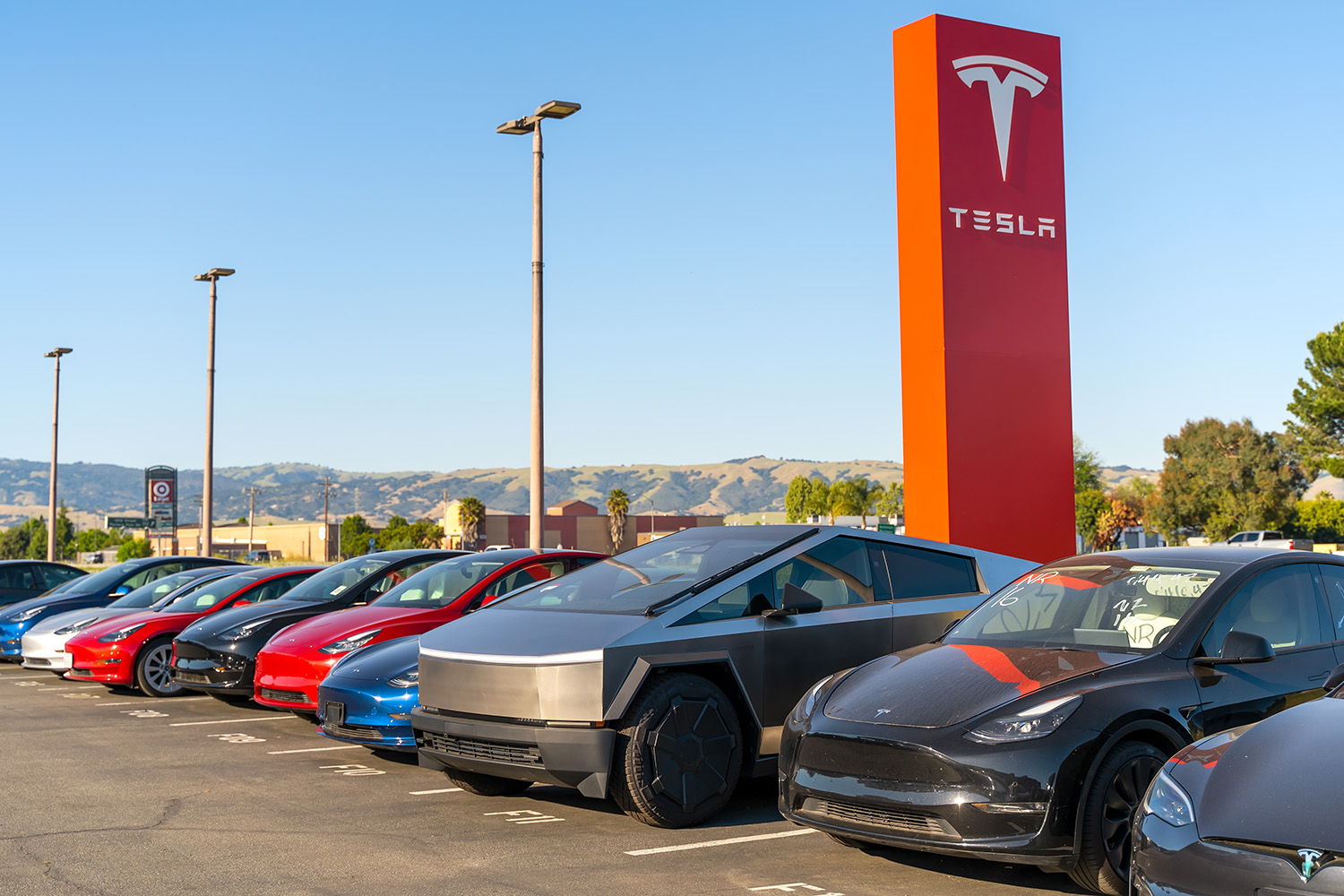
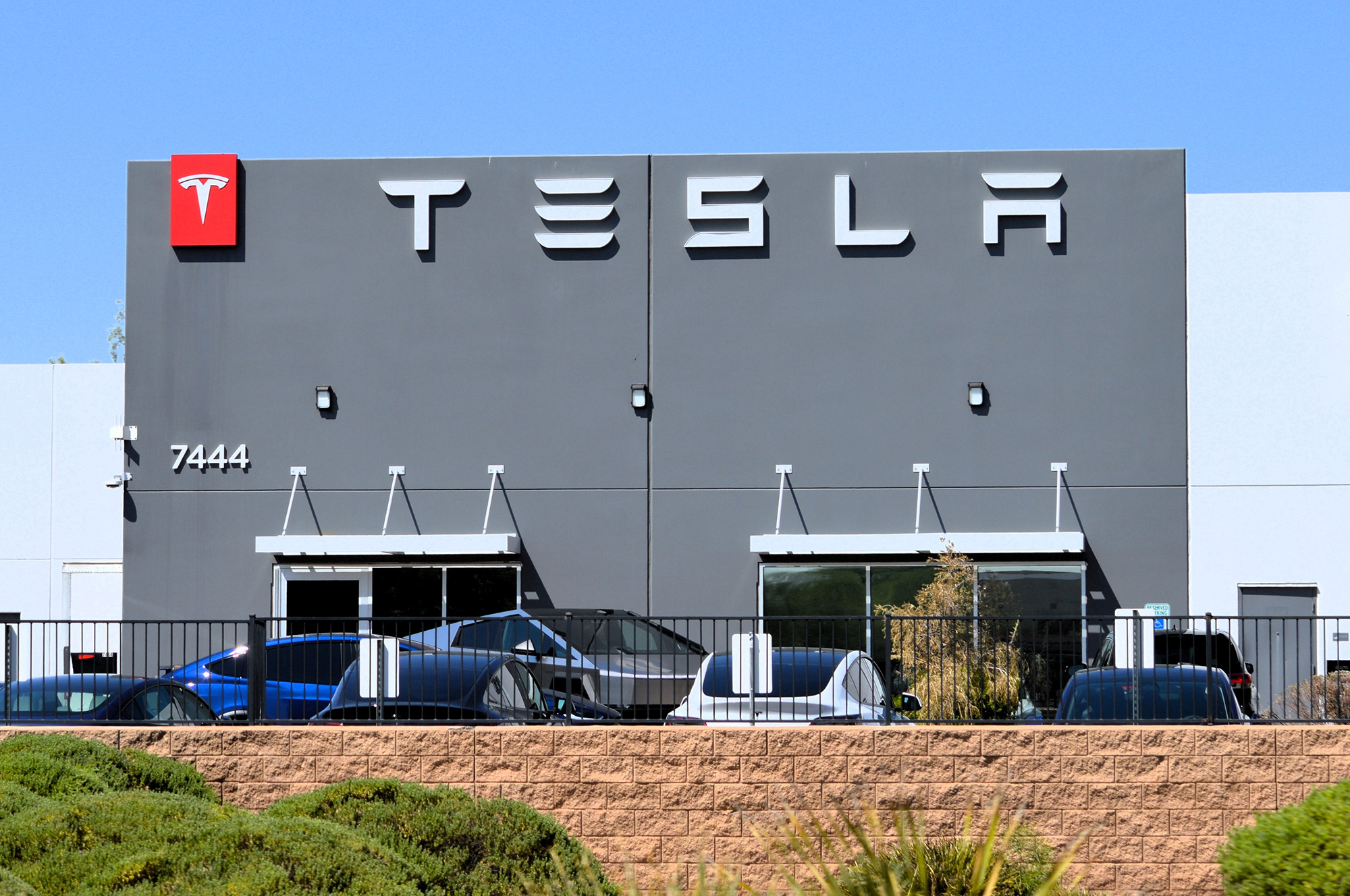
Tesla has taken a significant step towards its India expansion, reportedly securing a prime office space in Mumbai’s Bandra Kurla Complex (BKC).

The Elon Musk-led electric carmaker has leased a 4,003-square-foot space in the Maker Maxity building. The licensee for the agreement, reports claim, is Tesla India Motor & Energy Pvt., which currently operates from Panchsheel Business Park in Pune’s Viman Nagar. The licensor is Univco Properties LLP. As part of the lease deal, Tesla India has put down a security deposit of Rs 2.11 crore and will pay Rs 35.26 lakh in monthly rent, with a 5 per cent annual escalation.

The agreement is valid for five years.

The move comes amid intensifying discussions surrounding Tesla’s entry into India. On Feb. 13, Musk met Prime Minister Narendra Modi in Washington, DC, fueling speculation about the company’s long-awaited arrival. Since then, Tesla has listed 20 job openings across India—15 in Mumbai and five in Pune—and is actively exploring showroom locations in Mumbai and Delhi. Tesla’s India launch is likely to happen in the second half of 2025, with the Model Y expected to be the first offering. The vehicle is anticipated to be priced between Rs 60-70 lakh, positioning it against entry-level electric offerings from Mercedes-Benz, BMW, and Audi. If Tesla’s pricing stays above Rs 50 lakh, it could challenge the dominance of German luxury carmakers. If priced in the Rs 25-35 lakh range, the competition would extend to Indian manufacturers like Tata Motors and Mahindra. For Tesla, India could provide a much-needed boost.

The company is facing slowing sales globally, with declining shipments across key markets like the U.S., Germany, and China—where it already operates multiple factories. However, an immediate manufacturing facility in India appears unlikely, with Tesla initially expected to import its vehicles. The Tesla Model 3, the company’s most affordable offering, is expected to cost between Rs 35-40 lakh in India. This estimate considers a base price of around $35,000 (approximately Rs 30.4 lakh) in the U.S., reduced import duties of 15-20 per cent, and additional costs such as road tax and insurance. A calculation suggests that the total cost of owning a Model 3 in India could be around Rs 45.5 lakh, factoring in road tax (Rs 3.5 lakh), insurance (Rs 1.75 lakh), and an import duty of 15 per cent (Rs 5.25 lakh).

Categories
Technology

Tesla announces job openings amid India sales debut plans

Tesla announces job openings amid India sales debut plans

Elon Musk-owned company's hiring and expansion efforts in India highlight its commitment to cash in on the burgeoning electric vehicle market

Staff Writer

Tech billionaire Elon Musk-led electric vehicle manufacturer Tesla is ramping up its hiring efforts in India. Amid reports that the EV maker is finalising a deal for a showroom in Mumbai's Bandra Kurla Complex (BKC), Tesla has listed 20 open positions in Maharashtra, including 15 in Mumbai and five in Pune.

Tesla’s hiring and expansion efforts in India highlight its commitment to cash in on the burgeoning electric vehicle market. Tesla is looking to fill various positions, including Desktop Support Technician, Charging Developer, Service Advisor, Parts Advisor, Service Technician, Service Manager, Tesla Advisor, Store Manager, Business Operations Analyst, Customer Support Supervisor, Customer Support Specialist, Delivery Operations Specialist, Order Operations Specialist, Inside Sales Advisor, Consumer Engagement Manager. Moreover, the company is reportedly finalising a deal for a new showroom in Mumbai's prestigious Bandra Kurla Complex, which will cover an impressive 4,000 square feet.

The Mumbai showroom in the upscale BKC will reportedly have a monthly lease of around Rs 35 lakh, as one of the highest commercial rents in the region, reflecting Tesla’s confidence in the Indian market. n Pune, which houses Tesla's first office in India, five roles up for grabs. These include Application Product Engineer, Frontend Software Engineer, Application Support Analyst, Regional Security Specialist, PCB Design Engineer, Electronic Systems.

Pune is rapidly becoming an automotive hub, hosting major manufacturers like Mercedes-Benz and Tata Motors, making it a strategic location for Tesla. Tesla’s future ambitions in India include the potential establishment of a manufacturing facility. Reports suggest that government officials have proposed sites in Chakan and Chikhali, near Pune. These locations are well-known for housing significant automotive operations, further supporting Tesla’s strategic expansion plans.

Following the Mumbai showroom, Tesla plans to open another showroom in Delhi’s Aerocity. This expansion into India's capital city underscores Tesla’s intent to capture a significant market share by offering closer access to its products and services.

Categories
Counterpoint

Why India needs a Narayana Murthy, Anand Mahindra to head DOGE

Why India needs a Narayana Murthy, Anand Mahindra to head DOGE

This demand for accountability echoes recent developments in the US, where federal employees were given an ultimatum—list their weekly accomplishments or be deemed to have resigned. The move, backed by Elon Musk and the Trump administration, is stirring controversy over its potential impact on the workforce

Staff Writer

The push for greater accountability in government is gaining momentum, with calls for corporate-style efficiency now extending to public offices.

Gurmeet Chadha, Chief Information Officer (CIO) at Complete Circle, in a post on X questioned why government employees and public servants should be exempt from the rigorous performance reviews common in private organisations.

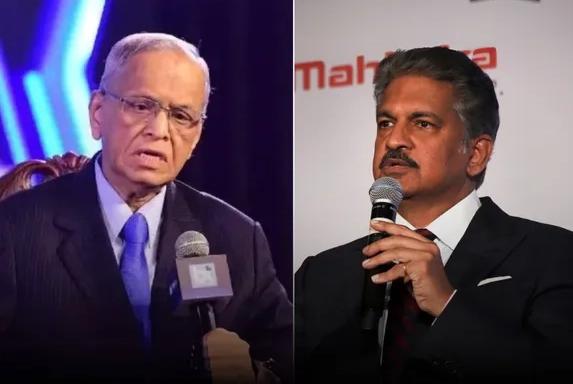
"I remember having weekly MIS & monthly reviews in every organisation I worked—ACC, HDFC, Nippon, Citibank. Why should govt employees & public servants be any different?" Chadha wrote, suggesting that leaders like NR Narayana Murthy, Aditya Puri, Nandan Nilekani, or Anand Mahindra be brought in to overhaul the Department of Government Efficiency (DOGE) in India.

This demand for accountability echoes recent developments in the US, where federal employees were given an ultimatum—list their weekly accomplishments or be deemed to have resigned. The move, backed by Elon Musk and the Trump administration, is stirring controversy over its potential impact on the workforce. Over the weekend, US government employees received an email instructing them to submit a list of their accomplishments from the past week or risk resignation.

The directive came shortly after Elon Musk posted on X, stating that employees would "shortly receive an email requesting to understand what they got done last week," adding, "Failure to respond will be taken as a resignation."

The email, which had the subject line "What did you do last week?", was sent by HR and requested employees to submit five bullet points summarizing their work, without including classified information, by midnight on Monday. The Office of Personnel Management (OPM), the federal government's HR agency, later confirmed the email’s authenticity, stating that it was part of an initiative to make the federal workforce "more efficient and accountable."

Musk, a vocal proponent of cost-cutting measures, has been at the forefront of a sweeping restructuring of government agencies under the so-called Department of Government Efficiency (DOGE), with the White House’s approval. Thousands of employees at the IRS, Pentagon, and FAA have already been dismissed in recent weeks as part of the downsizing effort. The American Federation of Government Employees (AFGE), the largest union representing federal workers, strongly condemned the move. "Once again, Elon Musk and the Trump Administration have shown their utter disdain for federal employees and the critical services they provide to the American people," said union president Everett Kelley, vowing to challenge any unlawful terminations.

Meanwhile, newly confirmed FBI Director Kash Patel urged his agency’s employees to ignore the OPM directive for now. "FBI personnel may have received an email from OPM requesting information. The FBI, through the Office of the Director, is in charge of all of our review processes, and will conduct reviews in accordance with the FBI procedures," Patel stated in an internal memo.

The policy closely mirrors Musk’s approach to employee management during his Twitter takeover in 2022 when he issued ultimatums requiring staff to commit to an "extremely hardcore" work culture or resign. Trump has openly supported Musk’s actions, celebrating them as a step toward cutting bureaucratic inefficiencies. Speaking at the Conservative Political Action Conference (CPAC), he declared,

"We're removing all of the unnecessary, incompetent, and corrupt bureaucrats from the federal workforce. We want to make government smaller, more efficient. We want to keep the best people, and we're not going to keep the worst people."

Categories
Corporate

Can Elon Musk sell Tesla to price-conscious Indians?

Can Elon Musk sell Tesla to price-conscious Indians?

The average selling price of cars in India stands at $14,000 (Rs 12.13 lakh), while Tesla’s most affordable model in the U.S. is priced at $35,000 (Rs 30.3 lakh)

Staff Writer

Tesla’s road to India won't be easy.

The Elon Musk-led electric vehicle (EV) giant has sparked fresh speculation about its entry into the country through a series of new recruitments.

But scaling up in the Indian market will require much more than just setting up shop—it hinges on local manufacturing and a competitive pricing strategy, according to a note by CLSA.

The brokerage firm pointed out that the price gap between Tesla’s global offerings and the Indian market remains a critical barrier.

The average selling price of cars in India stands at $14,000 (Rs 12.13 lakh), while Tesla’s most affordable model in the U.S. is priced at $35,000 (Rs 30.3 lakh). To make inroads, Tesla would need to price its vehicles at less than Rs 25-30 lakh, CLSA noted. Adding to the complexity, India’s EV penetration is estimated at just 2.4%, significantly lower than Tesla’s key markets—30% in China and 9.5% in the U.S. The Indian market’s relative underdevelopment presents both a challenge and an opportunity for Tesla, should it successfully address affordability and localization concerns.

A major roadblock is India’s steep import duties. Vehicles priced under $40,000 attract a 60% duty, while those above $40,000 face a 110% duty, including agricultural cess. Even if these duties are reduced to sub-20% levels, Tesla would still need to establish local manufacturing to make its cars viable. “We believe Tesla would need to establish manufacturing in India to scale up with its current portfolio and price its vehicles at less than Rs 3.5-4 million (Rs 35-40 lakh) on-road,” CLSA stated. Despite the buzz around Tesla’s entry, CLSA does not anticipate a major disruption to India’s leading automakers. Maruti Suzuki India, Hyundai Motors India, and Tata Motors are unlikely to be significantly impacted, given the low EV penetration and Tesla’s expected pricing. If Tesla introduces the Model 3 at an on-road price 20-50% higher than upcoming domestic models like Mahindra XUV 9e, Hyundai e-Creta, and Maruti e-Vitara, its market impact will be limited, the brokerage noted.

Furthermore, Tesla’s push for a $25,000 (Rs 21.6 lakh) EV would require significant compromises on features and specifications. Indian automakers, which already offer competitive pricing with feature-rich models, are well-positioned to maintain their stronghold. Even if the Indian government revises import duties to 15-20%, Tesla’s pricing would remain higher than most long-range electric SUVs from domestic players.

Categories
Corporate

Tesla officials to visit in April to further India entry, meet govt officials

Tesla officials to visit in April to further India entry, meet govt officials

To take advantage of lower import duties and government incentives, Tesla will have to apply for the Scheme for Promotion of Manufacturing of Electric Passenger Cars in India (SPMEPCI)

Staff Writer

Tesla officials are set to visit India in April to review the company’s operations and engage with key government departments, including the Prime Minister’s Office (PMO), the Ministry of Heavy Industries, the Ministry of Road Transport and Highways (MoRTH), and the Ministry of Commerce, according to sources.

Tesla has identified Maharashtra’s Chakan and Sambhaji Nagar, as well as Gujarat, as preferred locations for its manufacturing hub. The company is expected to make an initial investment of $3-5 billion to establish its production facilities, the source added.

To take advantage of lower import duties and government incentives, Tesla will have to apply for the Scheme for Promotion of Manufacturing of Electric Passenger Cars in India (SPMEPCI). The policy, notified on March 15, 2024, is aimed at boosting local EV production.

Under this scheme, manufacturers are required to:

  • Invest a minimum of Rs 4,150 crore in India
  • Achieve at least 25% domestic value addition (DVA) by the third year
  • Increase DVA to 50% by the fifth year

“If Tesla wants to benefit from the lower import duties, it will have to commit to manufacturing in India and invest in the local supply chain,” another source said.

In 2023, Tesla executives engaged with the Modi administration to discuss local component sourcing, leading to the company securing office space in Pune. Subsequent meetings between Elon Musk and Prime Minister Modi further fueled speculation about Tesla’s entry into India.

In 2024, India introduced a revised EV policy that offers import duty concessions to manufacturers committing at least $500 million in local investments. Musk was initially expected to announce Tesla’s investment plans during his scheduled April 2024 visit to India. However, he canceled the trip due to urgent business matters and instead traveled to China.

While India’s EV market remains relatively small compared to China — where 11 million electric cars were sold last year — it is gradually expanding. In contrast, India’s EV sales stood at nearly 100,000 units during the same period. Despite this gap, Tesla views India as a high-potential market, given the government’s push for clean energy and incentives to accelerate EV adoption.