Categories
Beyond

H-1B Effect: ₹13,000 Crore Wiped Out Fom Indian Mutual Funds

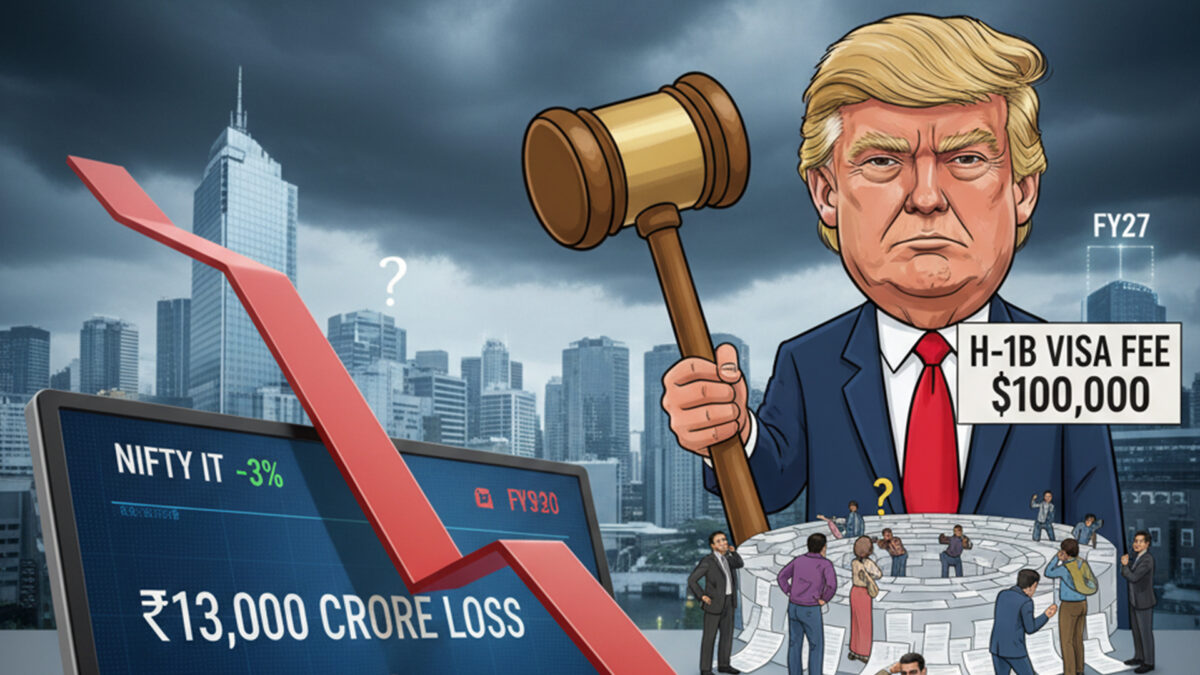
Indian mutual funds saw nearly ₹13,000 crore wiped out from their holdings in the country’s top ten IT companies after a sharp sell-off triggered by the U.S. government’s sudden move to increase H-1B visa application fees.

The executive order, signed by President Donald Trump, has unsettled investors who fear a direct hit on profitability and future hiring strategies of the sector.

As of September 19, mutual funds held shares worth ₹3.41 lakh crore across the ten biggest IT companies by market value. By market opening on September 22, this had slipped to ₹3.28 lakh crore.

Infosys accounted for the largest exposure at ₹1.27 lakh crore, followed by Tata Consultancy Services at ₹62,000 crore and HCL Tech at ₹35,850 crore. Other significant holdings included Coforge at ₹21,720 crore, Persistent Systems at ₹18,900 crore, Mphasis at ₹13,240 crore, Wipro at ₹11,600 crore, LTIMindtree at ₹8,189 crore and Oracle Financial Services at ₹4,348 crore.

The policy change, which raises the H-1B visa fee from about $1,000 to a staggering $100,000 per new application, represents a hundred-fold jump. While the process of sponsoring skilled workers remains intact, the costs are expected to reshape hiring economics and alter business models.

The immediate impact on margins is expected to be limited, but analysts caution that second-order effects, such as wage inflation in the domestic talent pool, could pressure profitability by up to 50 basis points.

On the other hand, companies are likely to counterbalance the hike through increased offshoring and price renegotiations, which could neutralise the effect over time.

Industry experts point out that top Indian IT players currently have only 1.2 to 4.1 percent of their workforce on H-1B visas, reducing the scale of disruption compared with earlier fears.

The consensus emerging among brokerages is that while the news rattled markets and pulled the Nifty IT index down by 3 percent, the long-term impact may not be as damaging.

Many believe that with this regulatory overhang now addressed, the sector could actually benefit from greater clarity, enabling firms to recalibrate their models with certainty.

The full financial implications of the new fee structure are expected to show up only in FY27, when petitions filed under the revised regime begin to affect cost structures in a material way.

Until then, investors are expected to closely track how IT majors adjust their strategies, whether through deeper reliance on offshore talent pools, higher local hiring in the United States or renegotiated client contracts to pass on a share of the additional costs.

Also Read: Apple Enters India’s Top 5 as Smartphone Market Grows 2% in H1 2025
Categories
Beyond

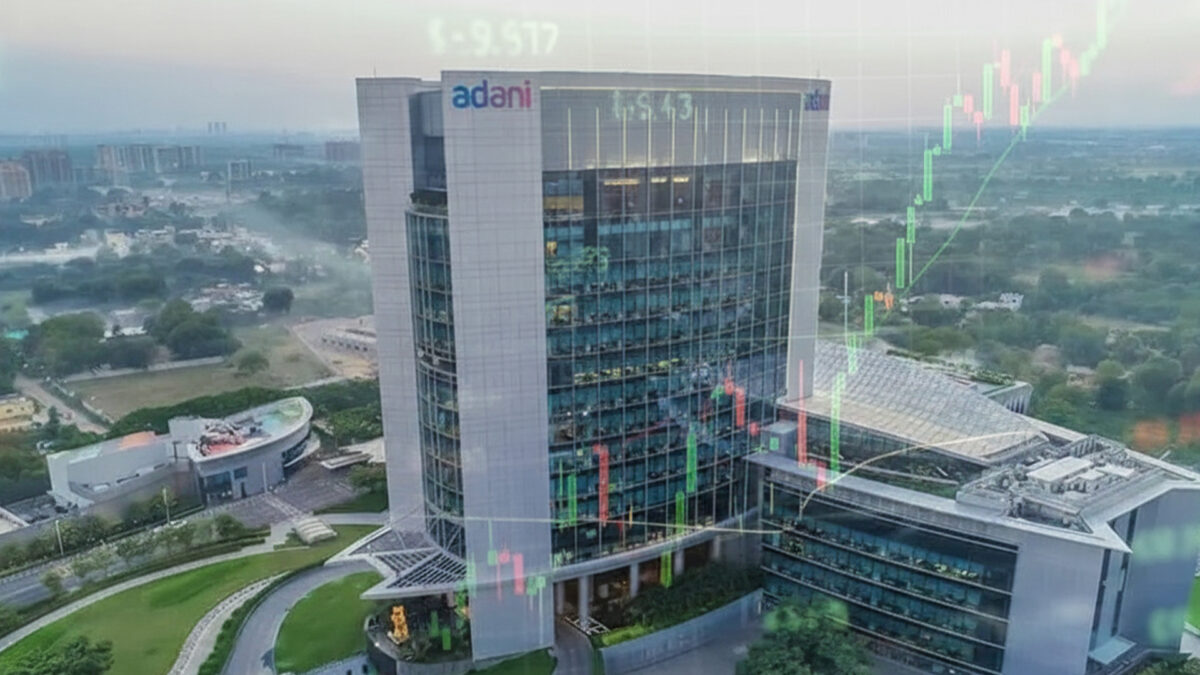
Adani Stocks Rises ₹66,000 Crore After SEBI Clears Charges

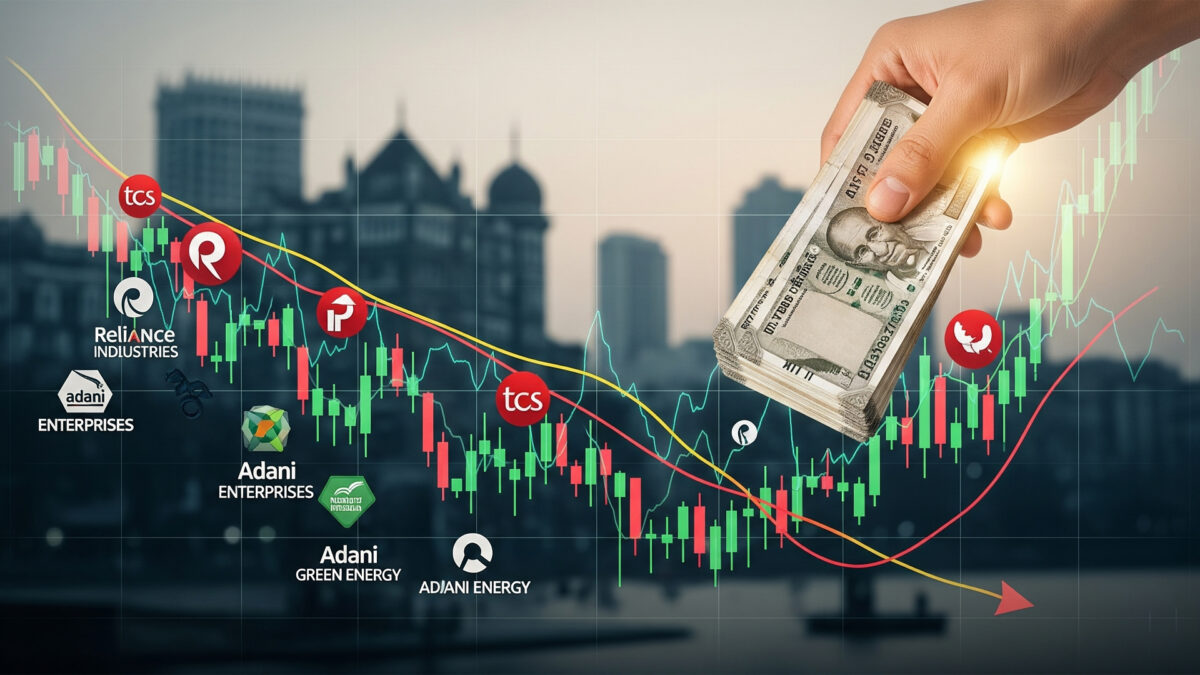
Shares of the Adani Group witnessed a strong rise on Friday, September 19, 2025, collectively adding around ₹66,000 crore to their market capitalization. This surge came in response to the Securities and Exchange Board of India (SEBI) dismissing significant allegations leveled by the U.S.-based short-seller Hindenburg Research against the conglomerate.

Leading the gains was Adani Power, which jumped 12.4% to close at its highest level since August 2024, buoyed further by the announcement of a forthcoming stock split. Other major group companies, including Adani Total Gas, Adani Enterprises, and Adani Green Energy, also saw notable increases, pushing the group’s total market value to roughly ₹13.96 lakh crore.

SEBI’s order cleared the group of key charges related to stock manipulation and questionable related-party transactions, restoring some investor confidence that had been shaken by the Hindenburg report. Analysts now believe the ruling may pave the way for a re-rating of Adani stocks, particularly encouraging foreign investors who had been cautious.

Gautam Adani welcomed the SEBI decision, urging an apology from those who propagated what he called “false narratives” based on Hindenburg’s “fraudulent and motivated” report. He reiterated the group’s commitment to transparency and integrity.

However, SEBI’s investigations are ongoing, with over a dozen other allegations still under review. These include potential violations of securities laws and shareholder misclassification, meaning further regulatory scrutiny remains possible.

Despite the positive momentum, some group firms are still recovering from the Hindenburg-triggered selloff. Adani Enterprises, for example, remains 28% below its pre-Hindenburg levels, while other companies continue to trade 20-80% lower. In contrast, Adani Power, Adani Ports, and Ambuja Cement have already surpassed previous losses, showing substantial rebounds.

The market’s favorable response to SEBI’s ruling signals a possible turning point for the Adani Group, as it seeks to rebuild investor trust and navigate ongoing regulatory challenges.

Also Read: SEBI Clears Adani of Hindenburg Allegations; Group Stocks Jump

Categories
Corporate

Vodafone Idea Shares Surge 9% as Supreme Court Defers Hearing on Rs 9,450-Crore AGR Demand

Vodafone Idea’s shares jumped 9% on Friday after the Supreme Court postponed the hearing on the telecom giant’s challenge to a fresh Rs 9,450-crore adjusted gross revenue (AGR) demand from the Centre. The government requested more time to respond, prompting the deferment.

Solicitor General Tushar Mehta, representing the government, told the bench that since it now holds a significant stake in Vodafone Idea, a solution protecting consumer interests must be explored. The Centre requested that the case be listed again on September 26 for urgent consideration, stating it was not opposing Vodafone Idea’s plea.

At 12:45 pm, Vodafone Idea shares on the NSE were trading 11% higher at Rs 8.69 per share.

The case traces back to the Supreme Court’s March 18, 2020 order, which upheld AGR dues up to FY17 as calculated by the Department of Telecommunications (DoT) and barred any reassessment by operators. Despite this, DoT has issued fresh claims for FY18 and FY19. Vodafone Idea argued in its September 8 petition that much of the new demand overlaps with periods already settled by the Court.

The government currently owns 48.99% of Vodafone Idea, having converted Rs 53,083 crore of dues into equity in two tranches in February 2023 and April 2025. Of the Rs 9,450-crore demand, Rs 2,774 crore pertains to Idea Group and Vodafone Idea post-merger, while Rs 6,675 crore targets Vodafone Group for the pre-merger period.

Vodafone Idea already has AGR liabilities of about Rs 83,400 crore, with annual instalments of Rs 18,000 crore starting March. Including penalties and interest, total dues to the government are estimated at nearly Rs 2 trillion.

The telco argued that Rs 5,606 crore of the fresh demand relates to FY17 and earlier, which has already been settled by the 2020 order, and requested the Court to quash DoT’s new claims and conduct a full reconciliation of AGR dues. It warned that the additional liability could threaten its survival, affecting services to 198 million subscribers and jeopardising jobs of over 18,000 employees, along with many more indirectly dependent on the company.

Vodafone Idea also contested DoT’s revised calculations on licence fees and spectrum usage charges, stating that including spectrum charges up to FY17 would push additional dues to around Rs 6,800 crore as of March 2025. In an August 13 communication, DoT said updated licence fee dues up to FY19 were not considered in the 2020 order and recalculated amounts with penalties and interest compounded at 8% per year until March 2025. Vodafone Idea, in its August 28 reply, rejected these figures, accepting interest only on Rs 58,254 crore and highlighting “material errors” in DoT’s FY18 and FY19 calculations.

Categories
Corporate

Vedanta Named Preferred Bidder for Manganese Block in Andhra Pradesh

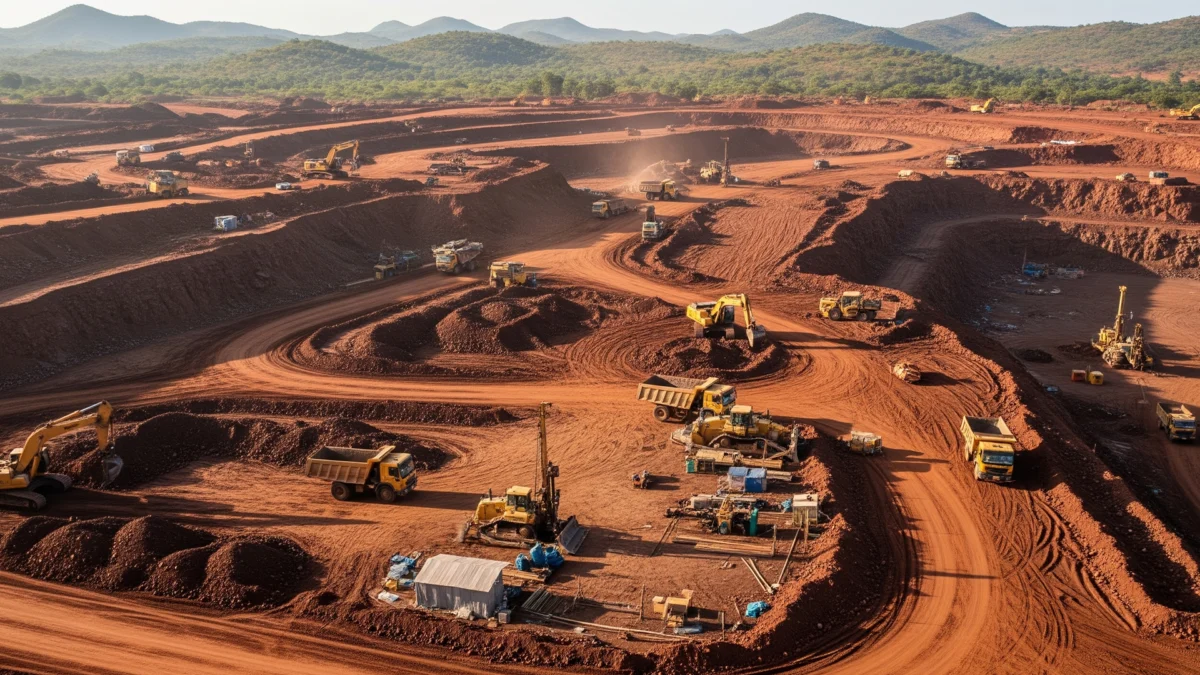
Vedanta Limited has been named the Preferred Bidder for the Punnam Manganese Block in Andhra Pradesh, following a successful e-auction conducted by the state government. The block, located in the Vizianagaram district, covers an area of approximately 152 hectares and is currently at the G4 exploration stage, indicating early-stage geological investigation.

The Department of Mines & Geology, Government of Andhra Pradesh, had initiated the auction process with a Notice Inviting Tender on July 10, 2025, offering a Composite License that includes rights for both exploration and eventual mining. Vedanta qualified through the technical evaluation phase and subsequently participated in the online bidding process. On September 18, 2025, the company was officially informed of its selection as the Preferred Bidder.

As part of the next steps, Vedanta will need to fulfil several key requirements before being awarded the Composite License. These include submitting a Performance Bank Guarantee, complying with all conditions set out in the tender documents, and obtaining the necessary approvals, clearances, and permits from various government departments and regulatory bodies.

This move aligns with Vedanta’s broader strategy to strengthen its mineral resource base and expand its presence in the mining sector, particularly in key non-ferrous minerals such as manganese. The announcement also brought Vedanta’s shares into focus, with market analysts closely watching how the development could impact the company’s resource portfolio and long-term growth plans.

Also Read: Gujarat Fluorochemicals Promoter Offloads ₹460 Crore Stake, Trims Holding to 61.4%


Categories
Beyond

Sensex, Nifty Slip in Early Trade, Profit-Taking Weighs on TCS, ICICI

India’s major equity benchmarks declined early Friday amid profit‐taking in blue-chip names following a three-day rally. As of 10:25 a.m. IST, the BSE Sensex was down to 82,641.38, and the NSE Nifty 50 stood at 25,323.70.

Among Sensex constituents, Tata Consultancy Services, Titan, ICICI Bank, Power Grid, Mahindra & Mahindra, and HCL Technologies were among the biggest drags, posting notable losses. On the upside, Adani Ports, Bharat Electronics, Larsen & Toubro and NTPC saw gains. All Adani group stocks were trading higher in the morning session.

Adani group’s surge came after SEBI cleared the group and its chairman Gautam Adani of significant stock manipulation allegations put forth by Hindenburg Research. Adani Total Gas jumped about 13.3%, Adani Power gained nearly 8.9%, Adani Green Energy rose roughly 5.5%, and Adani Enterprises increased about 5.2%.

In regional markets, Japan’s Nikkei 225 and Hong Kong’s Hang Seng reported modest gains, while South Korea’s Kospi and Shanghai’s SSE Composite were lower. U.S. markets, meanwhile, had closed higher the previous day.

Among commodities, Brent crude oil dipped slightly, trading near US $67.34 per barrel. Foreign institutional investors bought equities worth approximately ₹366.69 crore in the preceding session.

On Thursday, the Sensex had closed up 320.25 points, or 0.39%, at 83,013.96, and the Nifty had gained 93.35 points, or 0.37%, to settle at 25,423.60.

Also Read: Hyundai India Approves ₹31,000 Monthly Pay Hike for Employees

Categories
Beyond

U.S. Fed Rate Cut Sparks Global Market Rally, Raises Inflation Questions

Global financial markets responded strongly to the U.S. Federal Reserve’s decision to cut interest rates by 25 basis points, a move that had been widely anticipated. The benchmark federal funds rate now stands in the range of 4.75% to 5.00%, marking the first reduction since the central bank began its tightening cycle in 2022.

Wall Street closed higher following the announcement, with the S&P 500 rising 1.2%, the Dow Jones Industrial Average gaining 0.9%, and the Nasdaq Composite adding 1.6%. Investors welcomed the cut as a signal that the Fed is prioritizing growth amid signs of cooling inflation and a slowdown in the U.S. labor market.

Asian and European markets followed suit. Japan’s Nikkei 225 advanced 1.4%, Hong Kong’s Hang Seng climbed 1.7%, and South Korea’s Kospi gained 1.2%. In Europe, the FTSE 100 rose 0.8%, while Germany’s DAX index gained 1.1%. Emerging markets also saw an uptick in investor sentiment, with India’s Sensex and Brazil’s Bovespa posting notable gains.

Currency markets reflected the shift in U.S. monetary policy, with the dollar weakening against most major currencies. The euro appreciated to $1.11, while the yen strengthened to 143 per dollar. The softer dollar supported gains in commodity markets, particularly gold, which rose to $2,420 per ounce, and oil, with Brent crude climbing above $86 per barrel.

While the Fed’s move was widely anticipated, analysts have raised concerns about its potential inflationary effects. A rate cut reduces borrowing costs, spurs consumer spending, and can boost investment, but it also carries the risk of reigniting price pressures. U.S. inflation has eased from its peak above 9% in 2022 to 3.2% in August, but remains above the Fed’s 2% target.

Federal Reserve Chair Jerome Powell, in his press conference, emphasized that the cut was a “calibrated adjustment” rather than the beginning of a large easing cycle. He noted that while inflation is trending downward, risks remain, particularly from energy markets and supply chain disruptions. Powell added that the Fed would continue to monitor incoming data closely and adjust policy as necessary.

The decision also carries significant implications for global central banks. Some, like the European Central Bank and the Bank of England, are weighing their own rate paths amid mixed signals on inflation and growth. Emerging market central banks, many of which raised rates aggressively in recent years, may find additional space to cut as U.S. monetary tightening recedes.

In the bond market, yields on U.S. Treasuries fell sharply, with the 10-year yield dropping to 3.85% from 4.05% prior to the announcement. Lower yields reflect increased demand for government debt and signal expectations of looser financial conditions ahead.

Also Read: Gameskraft CFO in ₹270 Cr Fraud; 120 Jobs Cut

Categories
Corporate

Roche to Acquire 89bio for Up to $3.5 Billion

Roche has entered into a definitive merger agreement to acquire clinical-stage biopharmaceutical company 89bio, Inc. in a deal valued at up to $3.5 billion.

Under the terms of the agreement, an affiliate of Roche will commence a tender offer to purchase all outstanding shares of 89bio at $14.50 per share in cash at closing, representing an aggregate equity value of about $2.4 billion.

In addition, 89bio stockholders will receive a non-tradeable contingent value right (CVR) that could deliver up to an additional $6.00 per share upon achievement of specified regulatory or commercial milestones, bringing the total potential transaction value to roughly $3.5 billion.

The acquisition gives Roche ownership of pegozafermin, an investigational FGF21 analogue that 89bio is developing as a treatment for moderate to severe metabolic dysfunction-associated steatohepatitis (MASH).

Pegozafermin is currently in late-stage clinical development and is viewed by both companies as a potential therapy for a disease with substantial unmet medical need. Roche said the asset complements its cardiovascular, renal and metabolic disease portfolio and offers optionality for future combination development.

Financial markets reacted strongly to the announcement. Shares of 89bio surged sharply on the news, rising more than 80 percent in early trading as the market priced in Roche’s offer and the potential milestone payments.

Roche’s own shares showed mixed moves as investors assessed the strategic implications. Reports noted the cash portion of the deal values 89bio at about $2.4 billion on closing, with the CVR accounting for the upside to $3.5 billion.

Roche said the acquisition will be integrated into its pharmaceuticals division and that it expects the deal to strengthen its presence in therapies for liver and cardiometabolic diseases.

The companies indicated that Roche will work to advance pegozafermin through the remaining clinical programme and to prepare for potential regulatory submissions, while exploring how the candidate might fit alongside Roche’s broader development and commercial capabilities.

The press release noted that specific development and regulatory plans will be outlined as the integration proceeds.

The transaction remains subject to customary closing conditions, including expiration or termination of the tender offer, regulatory clearances, and other conditions specified in the merger agreement.

Roche will commence the tender offer promptly, and if the offer is successful, the companies will complete the merger and effect the payment at closing, with the CVR mechanism determining any contingent payments tied to future milestones. The timing of the closing will depend on procedural and regulatory steps.

The acquisition comes amid heightened competition among major pharmaceutical companies to build capabilities in obesity-related and metabolic disease areas, where FGF21 analogues and other novel mechanisms are attracting investment.

Pegozafermin’s late-stage status and the potential size of the MASH patient population underpin Roche’s willingness to offer a significant upfront cash consideration plus milestone-linked upside.

At the same time, regulatory review outcomes and commercial performance will determine the long-term value of the asset.

Roche has framed the acquisition as a way to enhance its cardiovascular, renal and metabolic (CVRM) portfolio by adding a late-stage therapeutic candidate for liver disease and bolstering options for future combination approaches in metabolic conditions.

89bio’s board and management have recommended the transaction to their shareholders, and 89bio will provide customary disclosures and updates as the tender offer proceeds.

Categories
Corporate

SEBI Clears Adani of Hindenburg Allegations; Group Stocks Jump

India’s securities regulator has dismissed key allegations made by U.S. short-seller Hindenburg Research against the Adani group, triggering a sharp rally in the conglomerate’s listed stocks and ending more than two years of market and political turmoil. In two separate orders issued this week, the Securities and Exchange Board of India (SEBI) concluded that the transactions flagged by Hindenburg did not amount to market manipulation, related-party breaches or disclosure failures that would attract punitive action.

The Hindenburg report, published in January 2023, accused the Adani empire of opaque related-party dealings, use of tax havens and stock manipulation — allegations that precipitated a near-$150 billion decline in the group’s market value and a prolonged period of regulatory and investor scrutiny. SEBI’s recent findings, which the Adani group said vindicate its position, mark the most consequential development to date in the saga and are likely to reshape investor sentiment toward the group.

Gautam Adani welcomed SEBI’s orders. In public posts and statements he described the regulator’s probe as exhaustive, calling the outcome a “resounding victory” and saying the Hindenburg report had been “baseless” and damaging to investors. The company reiterated that it has always sought to comply with disclosure norms and corporate governance standards.

Markets reacted quickly to the regulator’s decision. Shares across the Adani family of companies surged in early trading: Adani Total Gas and other utilities led the gains, while flagship Adani Enterprises and power units posted sizeable rises. Adani Power was among the biggest movers, trading sharply higher on the news, and analysts noted the verdict removed a major overhang that had weighed on group valuations since 2023.

As of the latest market quotes, Adani Enterprises was trading around ₹2,402 per share, while Adani Power’s intraday levels were substantially higher following the SEBI announcement, with market data providers showing prices in the mid-600s range as traders pushed the stock up on renewed buying interest. These price moves reflect broad repricing after regulators effectively rejected the most serious manipulation claims. Investors should note that real-time quotes vary across exchanges and data vendors.

Although SEBI’s orders clear the group on the charges reviewed in these particular filings, some market participants reminded investors that multiple probes and legal battles related to the episode have been pursued in different forums over time. International inquiries and other civil litigation that originated after the Hindenburg report remain separate matters and may continue to attract scrutiny. Observers also warned that while the headline risk has receded, valuation and governance debates are likely to persist as analysts reassess earnings traction and capital-intensive expansion plans.

Regulators’ conclusions are likely to have political as well as financial implications. The Hindenburg episode had become a flashpoint in public debates about corporate transparency, the effectiveness of oversight, and the relationship between business conglomerates and the state. SEBI’s findings will be seized upon by both critics and defenders of the group in arguments over market integrity and investor protection.

For now, the immediate effect is clear: investors rewarded Adani stocks after SEBI’s verdict, and the group has framed the outcome as vindication. Market watchers will next focus on whether the regained confidence translates into sustained capital inflows, how earnings and debt metrics evolve over coming quarters, and whether any remaining regulatory or legal threads emerge from domestic or foreign authorities.

Explainer: What SEBI Investigated and Found

SEBI’s probe focused on several core allegations:

  • Use of offshore entities: Hindenburg had alleged that Adani family associates and shell companies in tax havens were used to pump up stock prices. SEBI examined beneficial ownership records, fund flows, and trading data and concluded that the transactions did not breach disclosure or related-party rules.
  • Stock manipulation: The short-seller claimed that concentrated holdings by opaque foreign investors distorted the market. SEBI’s analysis of trade patterns, shareholding data, and market impact did not establish manipulation under Indian securities law.
  • Disclosure lapses: Hindenburg pointed to alleged under-reporting of related-party dealings. SEBI found that the filings made by Adani companies were materially compliant and that any gaps did not constitute willful concealment or fraud.

The regulator issued two separate but related orders to address these areas. While clearing the group of wrongdoing on these counts, SEBI indicated that it would continue to strengthen disclosure and surveillance frameworks to avoid similar controversies in the future.

Also Read: Hyundai India Approves ₹31,000 Monthly Pay Hike for Employees

Categories
Corporate

Oil India Sets ₹1.3 Trillion Capex Target by 2030

Oil India Ltd (OIL), the state-owned upstream company, has announced that it plans to spend a cumulative ₹1.3 trillion by 2030 on a wide range of projects spanning exploration, production, refinery expansion, and green energy. The figure was shared by Chairman and Managing Director Ranjit Rath during the company’s 66th Annual General Meeting, and reflects the most ambitious spending programme in the company’s history.

The capex plan will be spread across upstream exploration, downstream infrastructure, and alternative energy initiatives. On the upstream side, Oil India is prioritising deep-water exploration and enhanced recovery projects to raise crude oil and natural gas production. Downstream, the Numaligarh Refinery expansion project in Assam is a key focus, scheduled for completion by December this year. Beyond hydrocarbons, the company has earmarked significant funds for green hydrogen, biofuels, and compressed biogas (CBG), underscoring its intent to gradually diversify into cleaner fuels.

Oil India has indicated that in the current fiscal year alone, it will invest about ₹17,000 crore. This is almost double the ₹8,500 crore it spent the previous year, signalling a sharp escalation in the pace of its investments. Over the longer term, the ₹1.3 trillion outlay is expected to be divided across three primary buckets: roughly half for upstream oil and gas exploration and production, about 30 percent for downstream and refinery projects, and the remainder for renewable and green energy initiatives.

Despite global geopolitical disruptions, particularly surrounding its overseas assets in Russia, Oil India maintains that its operations remain unaffected. The company has recovered over 91 percent of its original $1 billion investment in the Vankorneft and Taas Yuryakh projects through dividends. While about $330 million remains blocked in Russian banks, Oil India expects to retrieve the full amount by FY2026-27. Drilling and production activities in these fields continue without interruption.

Overseas ventures are playing an increasingly important role in the company’s portfolio. Oil India is also involved in the Mozambique LNG project, where construction is expected to resume by late 2025. Once operational, the facility will add to India’s long-term gas security. In FY2024-25, overseas assets in Russia, Venezuela and Mozambique contributed over two million metric tonnes of oil equivalent, bolstering total company output.

Operationally, Oil India recorded its highest ever combined oil and natural gas production in FY2024-25, reaching 6.71 million metric tonnes of oil equivalent. Crude oil output has steadily increased over the past three years, from around 3.01 million metric tonnes in FY2021-22 to 3.46 million metric tonnes in FY2024-25. Natural gas production also hit new highs, reinforcing the company’s ability to meet its growth targets.

A notable portion of the ₹1.3 trillion capex will be directed toward green energy. Industry estimates suggest that nearly ₹25,000–30,000 crore will go into hydrogen projects alone, as Oil India explores pilot plants in Assam and Rajasthan. The company is also working with technology partners on electrolyser manufacturing and hydrogen blending in pipelines. Another ₹15,000–20,000 crore is expected to be channelled into biofuels and compressed biogas, including projects under the government’s Sustainable Alternative Towards Affordable Transportation (SATAT) scheme. Additionally, around ₹10,000 crore has been earmarked for solar and wind projects, with the company planning to add up to 2 GW of renewable power capacity by 2030.

The scale of the capex plan reflects Oil India’s twin priorities: consolidating its upstream strength while laying the groundwork for a transition to cleaner fuels. The refinery expansion at Numaligarh and progress on LNG assets abroad are expected to provide medium-term stability, while investments in hydrogen, biofuels and CBG are designed to prepare the company for a lower-carbon future.

If successfully executed, the ₹1.3 trillion programme will significantly expand Oil India’s production base, diversify its energy portfolio, and strengthen India’s energy security in the coming decade.

Categories
Technology

Nvidia’s $5 Billion Bet on Intel: A Surprise Alliance That Shakes Up the Chip World

Nvidia stunned markets and the semiconductor industry on September 18, 2025, when it announced a strategic partnership with Intel that includes a $5 billion purchase of Intel common stock and a multi-year collaboration to co-develop chips for data centers and personal computers.

Nvidia said it will buy Intel shares at $23.28 apiece — a purchase that would give it roughly a 4 percent stake in the long-troubled chipmaker — and that the two companies will work on “multiple generations” of custom x86 data-center CPUs and new Intel x86 System-on-Chips (SoCs) that integrate Nvidia RTX graphics.

The deal represents an extraordinary rapprochement between the world’s most valuable chip designer and one of the industry’s oldest names.

Nvidia’s chief executive described the move as a strategic step to deepen its data-center and PC ecosystem, while Intel framed the agreement as a validation of its turnaround efforts and a way to accelerate its roadmap for advanced manufacturing and product co-development.

The companies said specifics of jointly developed products would be revealed in stages, but they emphasised that designs will span both server CPUs used in AI infrastructure and client chips for laptops and desktops that pair Intel compute with Nvidia RTX graphics.

Markets reacted immediately. Intel shares surged more than 25 percent as investors cheered the cash infusion and the signal of renewed commercial relevance; reports placed intraday gains in the range of roughly 24–33 percent depending on the exchange and time of trading. Nvidia’s stock also rose, though far more modestly, climbing roughly 3–4 percent as the market weighed the strategic merits of the tie-up.

Rival chipmakers such as AMD saw share weakness amid concerns that a closer Intel-Nvidia axis could reconfigure competitive dynamics in data-center and PC segments.

Why this matters beyond the immediate market rally is twofold. First, Nvidia gains a significant, long-term alignment with a major x86 CPU vendor at a time when its AI products increasingly rely on tight integration with processors and interconnects.

Second, Intel — which has struggled in recent years with manufacturing delays and competitive pressure — secures both a large capital boost and a marquee partner that could help drive customer interest in Intel-based platforms.

Analysts note, however, that the deal stops short of guaranteeing a major manufacturing contract for Intel; Nvidia continues to rely on external foundries like TSMC for much of its highest-end silicon production, and details about where and how the new chips will be manufactured were left deliberately vague.

Industry watchers flagged potential geopolitical and strategic implications.

The partnership could reshape supply-chain relationships, put pressure on Taiwan Semiconductor Manufacturing Company (TSMC) as a supplier to both rivals and partners, and prompt closer scrutiny from regulators given the centrality of chips to national economic and security strategies.

At the same time, some analysts cautioned that bringing two large engineering organisations into a long, complex co-development process carries execution risk: aligning roadmaps, achieving performance targets, and choosing manufacturing partners are all hard problems that could blunt the deal’s near-term commercial impact.

For customers and the broader tech ecosystem, the announcement promises new product architectures in which Intel CPUs and Nvidia GPUs are designed to work more tightly together, potentially simplifying procurement and performance tuning for AI workloads.

Whether the partnership delivers tangible advantages over existing combinations of Nvidia accelerators with ARM or AMD CPUs will depend on execution and on how the companies allocate production and engineering resources across competing priorities.

In short, Nvidia’s $5 billion investment is both a financial vote of confidence in Intel and a strategic opening of a new chapter in the chip industry.

The market’s euphoric response reflects that promise, but the long road from announcement to product — and from product to profitable market share — contains many technical, commercial and regulatory hurdles that both companies will now have to clear.

Also Read: Gameskraft CFO in ₹270 Cr Fraud; 120 Jobs Cut