Categories
Corporate

P&G Pulls Plug on Pakistan Ops as Multinational Exit Deepens

Procter & Gamble (P&G), the American giant behind household brands such as Ariel, Pampers, and Head & Shoulders, is shutting down its direct operations in Pakistan and will shift to a third‑party distribution model. The company cited mounting challenges, from soaring costs to weakening consumer demand, as reasons for its decision.

The exit adds to a growing list of global corporates pulling back from Pakistan. Earlier this year, Shell bowed out of the fuel retail sector, while pharmaceutical major Pfizer scaled back its local presence, highlighting the difficult conditions multinationals face in the country.

Alongside this blow that will impact the economy, P&G has also sought to delist Gillette Pakistan, its shaving products subsidiary, from the Pakistan Stock Exchange. Although the Gillette brand will continue to be sold, it will no longer trade as a listed company if the delisting is approved.

“The change aligns with our strategy to simplify operations and prioritise resilient, sustainable markets. Through partnerships, we aim to continue reaching Pakistani consumers effectively,” a P&G spokesperson said.

For Pakistan, the decision carries weight far beyond P&G’s exit. Analysts warn that the exit of trusted global brands shakes consumer markets and supply chains while deeply eroding investor confidence, delivering a blow the economy cannot afford right now. With inflation surging, the rupee under pressure, and foreign reserves stretched thin, the steady withdrawal of blue-chip multinationals adds to the strain on an already fragile investment climate.

Also Read: Oil Bounces Back as Russia Sanction Threats Stir Market

Categories
Corporate

Elon Musk Becomes The First Person Ever Worth $500 Billion

Tesla CEO Elon Musk, on Wednesday, became the first person ever to achieve a net worth of nearly $500 billion, according to Forbes Real Time Billionaires.

The record was propelled by Tesla stock gains and surging valuations of his startups, including SpaceX and xAI.

Musk is now half-way to becoming the first ever trillionaire.

In December, he became the first person ever worth $400 billion and is $150 billion ahead of Oracle founder Larry Ellison.

Tesla shares climbed by nearly 4% on Wednesday, adding an estimated $9.3 billion to Musk’s fortune. The EV maker’s stock price has nearly doubled since Musk announced in April that he would be stepping back from his role as head of President Trump’s Department of Government Efficiency.

With Tesla’s market cap back within 10% of the all-time high it hit in December, Musk’s 12% stake in the company is now worth $191 billion, Forbes said.

The Tesla board last month proposed a $1 trillion compensation plan for Musk that could give him additional stock worth up to $1 trillion if Tesla achieves record-breaking performance milestones like growing its market cap more than eightfold over the 10-year life of the award.

In July SpaceX was in talks to raise money and sell insider shares in a deal valuing the firm at around $400 billion, Bloomberg News reported.

In August 2020, Musk became the fifth person ever worth $100 billion. He became the world’s richest person for the first time in January 2021, with a nearly $190 billion net worth. Then, in September 2021, he was the third person ever worth $200 billion, after Amazon’s Jeff Bezos and Frenchman Bernard Arnault of luxury goods conglomerate LVMH. Musk hit $300 billion in November 2021 and $400 billion in December 2024.

Categories
Corporate

Google Cloud Shrinks Headcount as AI Takes Center Stage

Google is making another round of job cuts, this time letting go of more than 100 employees in its Cloud division as part of an AI-focused restructuring. The layoffs have been targeted specifically for design and user experience research teams, with some U.S.-based groups viewing the headcount slashed by nearly half. Quantitative research and platform service experience units were among the hardest hit segments.

The affected staff were notified via internal emails and given until early December to find alternate roles within the company. For employees on temporary work visas, the situation is even more pressing, as they have just 60 days to secure a new job or face leaving the country.

What makes the cuts striking is that they come despite Google Cloud’s strong growth. The unit posted $13.6 billion in revenue in Q2 2025, a 32% rise year-on-year, with operating income hitting $2.8 billion. Still, Google is pressing ahead with a tighter, AI-first roadmap that includes voluntary exits, management shake-ups, and retooling workflows around machine learning tools. CEO Sundar Pichai has signaled that streamlining is key to scaling efficiently.

Earlier this year, Microsoft had trimmed 9,000 roles while Meta continues its multiyear downsizing in pockets. Across Big Tech, profitability no longer guarantees job security. This restructuring echoes a broader industry trend prevalent among renowned companies. Companies are recalibrating for what they see as the next big shift, embedding AI deeply into their businesses, even if it comes at the cost of letting go of manpower.

Also Read: Elon Musk Becomes the First Person Ever Worth $500 Billion

Categories
Corporate

Reliance Introduces Budget-Friendly Packaged Water “Campa Sure”

Reliance Consumer Products is getting ready to enter India’s bottled water market with a fresh, value-forward brand called Campa Sure. The idea is to support the local dealers. Instead of buying out bottling companies, Reliance plans to team up with regional partners to ramp up production and bring the brand closer to consumers across Northern India.

Campa Sure is just a few weeks away from the launch. It will be offered at pocket-friendly prices that make safe, clean drinking water more accessible. The company will sell 250 ml bottles at ₹5, 1-litre bottles at ₹15, and 2-litre bottles at ₹25, which is about 20 to 30% cheaper than popular brands like Bisleri and Aquafina.

This is a thoughtful strategy of Reliance’s bigger plan in order to shake up everyday consumer categories with smart partnerships and affordable products. The bottled water market in India has a huge market, valued at around ₹30,000 crore, but it’s also fragmented, with many small players serving local markets.

By working with regional bottlers rather than acquiring them, Reliance hopes to keep up quality standards and also curb the common issue of fake bottled water thriving in the market.

With Campa Sure, Reliance wants to offer consumers a trustworthy and budget-friendly option, bringing more choice and competition to a vital segment that touches millions of lives every day.

Also Read: Google’s Smart Homes Get Smarter with Gemini AI

Categories
Leaders

Hurun 2025: Ambani Leads, Adani Follows, King Khan Rises

India’s rich list just got a fresh twist, and there is one popular and familiar name holding the crown with glory.  Mukesh Ambani is back on top. In the M3M Hurun India Rich List 2025, the Reliance boss reclaimed his crown with a staggering family fortune of ₹9.55 lakh crore, nudging past Gautam Adani at ₹8.15 lakh crore.

But this year’s narrative goes beyond boardrooms and balance sheets.
Bollywood’s own Shah Rukh Khan, hailed as King of Romance, who recently won the National Film Award for Best Actor (Jawan), is now officially a billionaire, with wealth pegged at ₹12,490 crore. From blockbuster films to Red Chillies Entertainment, endorsements, and sharp investments, SRK’s financial star power has caught up with his onscreen aura.

Among the business fraternity, Roshni Nadar Malhotra remains India’s richest woman, standing tall with a net worth of ₹2.84 lakh crore.  Aravind Srinivas, a new-age 31-year-old co-founder of AI startup Perplexity, is now India’s youngest billionaire with ₹21,900 crore to his name. Kaivalya Vohra, 22-year-old co-founder of Zepto, has become the youngest individual to feature on the list, with a net worth of ₹4,480 crore.

The 2025 edition claims to have broken many records already, with 1,000 individuals, 358 dollar billionaires, and a combined wealth pool of ₹167 lakh crore, nearly half of India’s GDP.  Overall, Mumbai leads as the billionaire capital (451), followed by Delhi (223) and Bengaluru (116). Interestingly,  66% of these fortunes are all self-made, and these names are quite an inspiration.

As the list unfolds, it narrates a bigger story where India’s wealth is no longer confined to old industrial dynasties. Tech innovators and cinema icons are reshaping the landscape. In today’s India, billionaire status is less about inheritance and more about creation.

Also Read: Gold and Silver Soar as US Shutdown Sparks Safe-Haven Demand

Categories
Technology

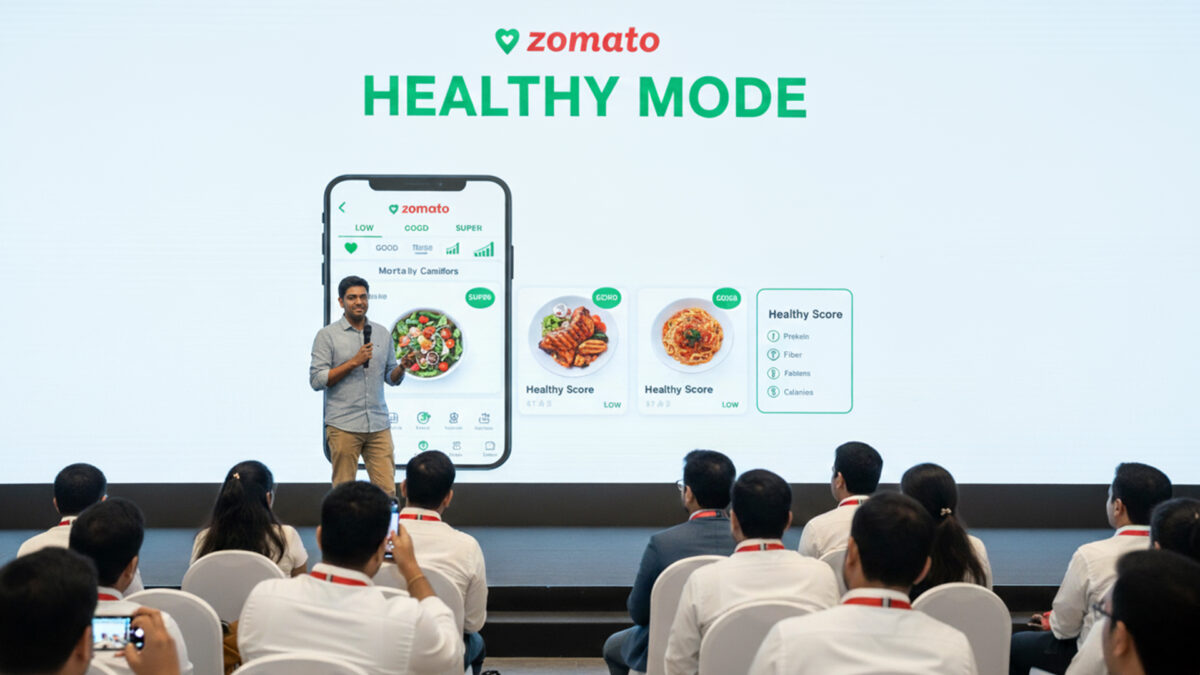
‘Healthy Mode’ Now Live on Zomato in Gurugram

Zomato founder Deepinder Goyal has announced the launch of a new feature called “Healthy Mode”, aimed at helping users make more informed and nutritious food choices. Acknowledging that while Zomato revolutionized food ordering, it fell short in promoting healthy eating, Goyal described this feature as a corrective step.

Healthy Mode, currently available in Gurugram, uses AI-driven analysis and restaurant data to assign a “Healthy Score” to dishes, ranging from Low to Super. The score evaluates meals based on protein, complex carbs, fiber, micronutrients, and calorie content. This allows users to filter and compare dishes not just by calories, but by overall nutritional value.

“This isn’t your basic healthy filter,” Goyal said. “We’ve set the bar high, even professional athletes can rely on it to find meals that meet their standards. This is personal for me. Zomato made indulgence easy, but not healthy eating. Healthy Mode is our first serious effort to change that.”

The platform’s new feature also aims to increase transparency, showing users why a dish is considered healthy. By offering detailed nutritional insights, it empowers users to choose meals that better align with their dietary needs.

Goyal also addressed common perceptions about food delivery leading to poor dietary habits. He noted that regular users in big cities often opt for simpler, home-style meals, while the majority of less frequent users indulge occasionally. The goal, he emphasized, is to ensure healthy options are clearly visible, accessible, and easy to choose.

Zomato plans to roll out Healthy Mode to more cities in the coming weeks and is inviting users to provide feedback to improve the feature further.

Categories
Beyond

72,000 EV Charging Stations to Spring Up under PM E-DRIVE Scheme

India is rapidly embracing clean mobility as part of its evolving automobile landscape. In a significant step forward, the central government has issued detailed guidelines for setting up over 72,000 electric vehicle (EV) charging stations under the PM E-DRIVE scheme. The initiative aims to close infrastructure gaps, accelerate EV adoption, and establish a nationwide charging network across cities, highways, and major transport hubs.

Backed by ₹2,000 crore, the charging infrastructure rollout is a key component of the ₹10,900 crore PM E-DRIVE programme, focused on promoting sustainable transport solutions.

The guidelines introduce a location-based subsidy model to incentivize both public and private sector participation:

  • 100% subsidy for government premises (offices, hospitals, educational institutions), provided public access is free.
  • 80% subsidy on infrastructure and 70% on charging equipment for transport hubs and government-controlled sites like railway stations, airports, bus depots, and fuel outlets.
  • 80% infrastructure subsidy for commercial areas, highways, and city streets.
  • Battery swapping and charging stations also qualify for 80% infrastructure support. 

The scheme will be implemented by the Ministry of Heavy Industries (MHI), with Bharat Heavy Electricals Limited (BHEL) serving as the Project Implementation Agency (PIA). States and UTs will nominate nodal agencies to identify high-priority locations and submit proposals through a centralized online portal.

Charging stations will be strategically placed in urban centres, smart cities, metro-connected towns, and along high-density transport corridors. Subsidies will be released in two tranches, tied to performance and compliance.

This initiative aims to create a strong, inclusive EV ecosystem and make clean mobility more accessible across India.

Also Read: FADA President: Hatchbacks Here to Stay Despite Rising SUV Dominance

Categories
Beyond

GST Cuts Make Dairy Products Cheaper Across India from September 22

Starting today, prices of key dairy products across India have dropped following a major overhaul in the Goods and Services Tax (GST) structure. The revised rates, effective from September 22, have resulted in a price reduction for ghee, butter, cheese, paneer, UHT milk, and other packaged dairy items, offering relief to consumers nationwide.

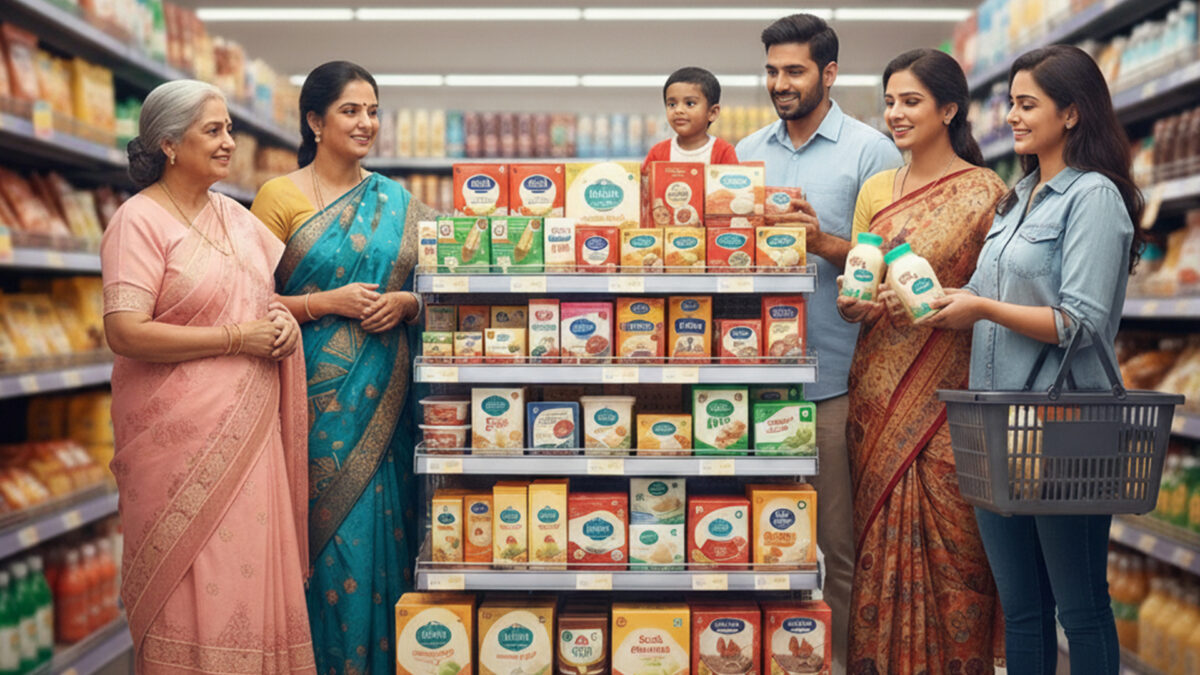
The GST Council, under its “GST 2.0” reform initiative, has slashed tax rates on several dairy items. UHT milk and packaged paneer have been moved to the nil GST category (0%), while other processed dairy products like butter, ghee, cheese, and ice cream now attract just 5% GST, down from the earlier 12%.

Leading cooperatives, including Mother Dairy, Amul, Nandini (Karnataka Milk Federation), and Milma (Kerala Cooperative Milk Marketing Federation) have all announced price cuts in line with the new rates.

Mother Dairy has reduced the price of its one-litre UHT milk tetra pack from ₹77 to ₹75. Its 200g paneer now costs ₹92, while a 100g pack of butter has dropped from ₹62 to ₹58. Ghee (1-litre carton) has been cut from ₹675 to ₹645.

Amul has revised prices across over 700 product variants. Ghee (1 litre) is now ₹610, down by ₹40, while processed cheese (1 kg) has been reduced to ₹545. A 200g pack of frozen paneer is now priced at ₹95, down from ₹99.

Nandini and Milma have also announced reductions on ghee, butter, paneer, flavored milk, and curd, with new rates effective from today.

However, the price of regular pouch milk remains unchanged as it has always been exempt from GST.

The move is expected to increase the affordability of dairy products and boost demand, particularly for value-added items that were previously costlier due to higher tax rates. Dairy brands have confirmed they will pass on the full benefit to consumers.

As the festive season demand approaches, the tax cut is seen as timely support for both consumers and the dairy industry.

Also Read: Apple Enters India’s Top 5 as Smartphone Market Grows 2% in H1 2025

Categories
Technology

Apple Enters India’s Top 5 as Smartphone Market Grows 2% in H1 2025

Apple has made a significant breakthrough in the Indian smartphone market, entering the top five brands for the first time with a remarkable 35% increase in sales during the first half of 2025. The surge was driven by strong demand for the iPhone 17 Pro and Pro Max models, highlighting a growing consumer shift towards premium devices in the country.

This milestone comes amid steady overall growth in India’s smartphone market, which expanded by 2% year-on-year in H1 2025. The growth is fueled by rising 5G adoption, a broadening digital ecosystem, and evolving consumer preferences across both premium and budget segments.

While price-sensitive Android brands continue to dominate the market, Apple’s entry signals a marked shift towards premiumization within India’s smartphone ecosystem. The company’s market share in the super-premium segment expanded by a striking 82% year-over-year, reflecting growing consumer willingness to invest in flagship devices.

Market analysts attribute the overall market growth to strategic product launches offering advanced features and competitive pricing, alongside India’s expanding digital infrastructure and increasing smartphone penetration.

The Indian smartphone market is poised for sustained growth through the remainder of 2025, underpinned by continuous technological innovation and evolving consumer demand, positioning India as a critical battleground for global smartphone manufacturers.

Also Read: Nvidia’s $5 Billion Bet on Intel: A Surprise Alliance That Shakes Up the Chip World

Categories
Beyond

IndiaAI Mission Backs IIT Bombay-Led BharatGen and 7 Others with ₹988.6 Cr

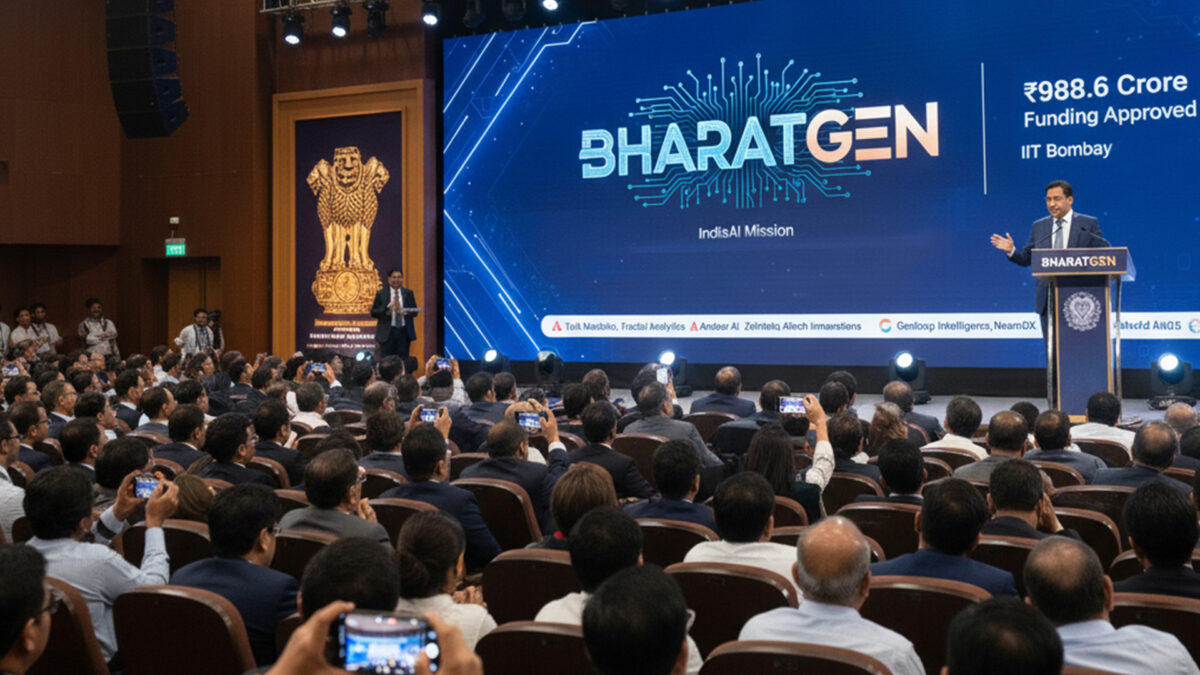
India has taken a significant leap in its quest for AI self-reliance with the government approving ₹988.6 crore in funding for BharatGen, a consortium led by IIT Bombay, to develop a groundbreaking trillion-parameter multilingual AI model. This move, part of the flagship IndiaAI Mission, underscores the country’s commitment to building advanced, sovereign AI technologies that cater specifically to India’s diverse linguistic and cultural landscape, while positioning the nation as a global player in artificial intelligence innovation.

Announced by Union IT Minister Ashwini Vaishnaw at the AI Impact Summit 2026 in New Delhi, the funding marks the largest allocation under the IndiaAI Innovation Centre’s mandate to foster cutting-edge AI development across the country.

“With BharatGen, India is building its sovereign AI capabilities to serve our linguistic, cultural, and governance needs at a global scale,” said Vaishnaw.

BharatGen is among eight organisations chosen by the Ministry of Electronics and Information Technology (MeitY) to develop large language models (LLMs) and multimodal AI systems under the flagship initiatives of the IndiaAI Mission. The selected entities—IIT Bombay Consortium (BharatGen), Tech Mahindra, Fractal Analytics, Avataar AI, Zeinteiq Aitech Innovations, Genloop Intelligence, NeuroDX (Intellihealth), and Shodh AI—will be responsible for creating foundational AI models aimed at driving innovation across critical sectors such as governance, education, healthcare, agriculture, and more.

BharatGen aims to build one of the world’s largest AI models — with over one trillion parameters — alongside smaller, domain-specific and language-inclusive models tailored to India’s diverse linguistic and cultural landscape. These tools will also support speech-to-text, text-to-speech, and vision-language applications for low-resource Indian languages.

To support the development of such large-scale models, the government is also investing in public compute infrastructure, including GPU clusters and high-performance cloud access. Additionally, a responsible AI governance framework is being formulated jointly by MeitY and the Office of the Principal Scientific Adviser to ensure safe and ethical deployment of AI systems.

The announcement follows previous rounds of IndiaAI funding, which saw startups like Sarvam AI, SoketAI, Gnani.ai, and Gan AI selected to build models focused on specific domains and regional languages.

With BharatGen and the broader IndiaAI Mission, India is taking a strategic leap toward building a self-reliant AI ecosystem, blending open innovation, academic leadership, and private sector expertise.

Also Read: Hind Rectifiers Strengthens European Presence with BeLink Solutions Acquisition