he Indian rupee tumbled past ₹89 against the US dollar on Friday, marking its lowest level ever and recording the steepest single-day fall since May.
Market watchers point to several factors driving the slide. A strong dollar, fueled by upbeat US economic data and diminishing chances of a Fed rate cut, has put pressure on emerging-market currencies. US sanctions on certain Indian firms involved in Iranian oil transactions have further spooked investors.
Domestically, a widening trade deficit, slowing exports, and surging imports, especially gold, are straining the currency. Foreign capital outflows, with investors pulling billions from Indian equities this year, have compounded the weakness.
Analysts expect the rupee could test ₹90 or higher if these pressures continue. The Reserve Bank of India intervened after the ₹89 threshold was breached, though its governor reiterated there is no fixed target for the rupee.
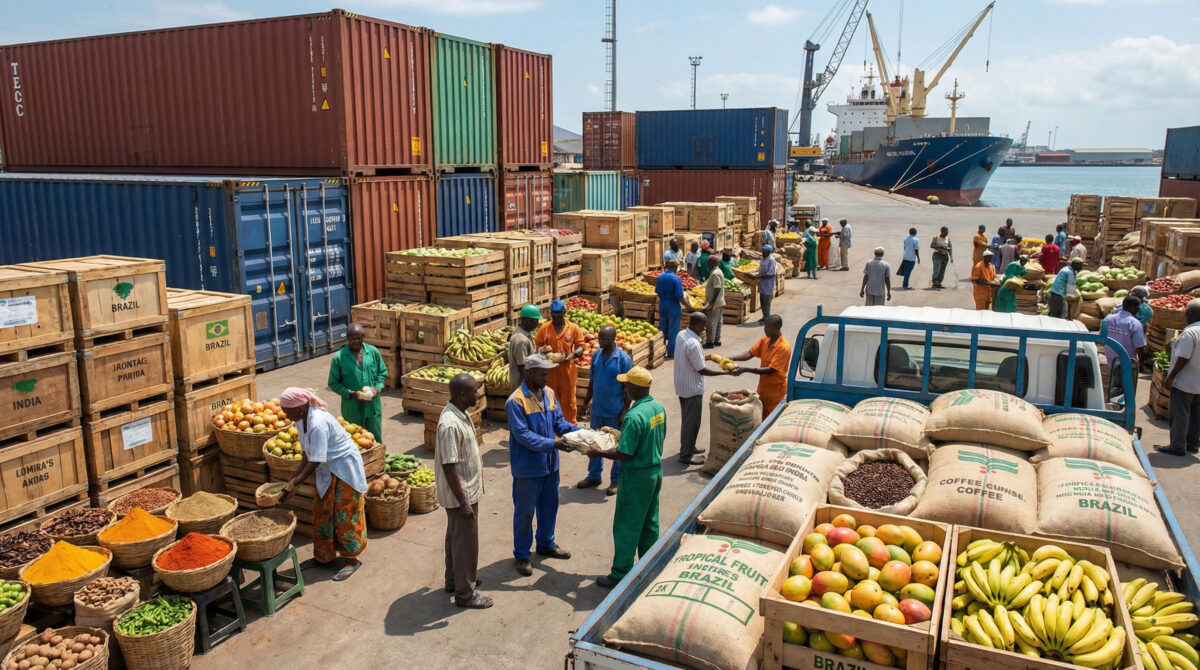
For businesses, a weaker rupee raises import costs, especially for oil, machinery, and technology, while exporters face a mixed picture due to global demand constraints. Consumers may also feel the impact as imported goods, overseas travel, and dollar-denominated payments become costlier.
The rupee’s historic slide highlights India’s exposure to global market volatility and domestic trade pressures. Without a shift in these dynamics, analysts warn the currency could remain under pressure in the near term, keeping businesses and markets on alert.
Also Read: Centre reshuffles top bureaucrats across key ministries