Categories
Counterpoint

Why do labour shortages worry L&T’s SN Subrahmanyan?

Why do labour shortages worry L&T’s SN Subrahmanyan?

Larsen and Toubro CMD SN Subrahmanyan observed that while many countries face substantial migration issues, India presents a distinctive challenge as many people are hesitant to relocate for work
Staff Writer

The sharp decline in labour migration across the country has emerged as a major concern for industries, says SN Subrahmanyan, Chairman and Managing Director of Larsen & Toubro. Speaking at CII’s Mystic South Global Linkages Summit 2025 in Chennai on Tuesday, Subrahmanyan warned that the reluctance of workers to relocate for jobs poses a significant challenge to businesses and the nation’s growth.

“As an organisation, we employ about 2,50,000 staff and 4,00,000 labourers at any given point of time. While attrition among staff does bother me, I am more worried about the availability of labourers today,” Subrahmanyan said.

He elaborated on L&T’s approach to labour mobilisation, which includes a dedicated HR team closely involved in recruitment and deployment. Despite these efforts, challenges remain. “Labour is not willing to move for opportunities… Maybe their local economy is doing well, maybe it is due to the various government schemes & DBTs available to them, but they are not willing to move,” he explained.

The issue isn’t limited to blue-collar workers. Subrahmanyan noted a similar reluctance among white-collar professionals, including engineers. Reflecting on his own career, he remarked, “When I joined L&T as a graduate engineer, my boss said if you are from Chennai, you go to Delhi and work. But today, if I ask a person from Chennai to work out of Delhi, he says bye. It’s a different world of work today, and we have to see how to make HR policies flexible.”

He described this trend as a hurdle not just for L&T but also for the broader industry’s nation-building efforts.

L&T is tackling this issue through skill training institutes and technology adoption. Subrahmanyan highlighted the use of Artificial Intelligence, with around 100 algorithms developed in their infrastructure business to optimise operations.

The company is also exploring futuristic solutions to labour challenges. “3D printed buildings are still costly when seen at a rate per square foot, but if labour is getting difficult, maybe sometime in the future, we have to live with this,” he said, signaling a shift toward innovation as a potential answer to the workforce crunch.

 

Categories
Beyond

Torrent Group to pick 67% stake IPL team Gujarat Titans from CVC Capital

Torrent Group to pick 67% stake IPL team Gujarat Titans from CVC Capital

Gujarat Titans deal: The Torrent-CVC deal is now awaiting approval from the IPL governing body. It could take control ahead of the upcoming season which will begin on March 21

Staff Writer

Ahmedabad-based Torrent Group is set to pick a majority stake in Indian Premier League (IPL) franchise, Gujarat Titans. The group will purchase a 67 per cent stake in the team from CVC Capital Partners. 

CVC had bought the team in 2021 for Rs 5,625 crore in 2021. Torrent Group, through its subsidiary, Torrent Sports Ventures, had previously bid for Ahmedabad  (Rs 4,653 crore) and Lucknow (Rs 4,356 crore) in 2021. It had later made an unsuccessful attempt to acquire one of the three teams up for grabs in the inaugural Women's Premier League (WPL).

The Torrent-CVC deal is now awaiting approval from the IPL governing body. It could take control ahead of the upcoming season which will begin on March 21.

"The talks of Torrent Group taking two third ownership (67 per cent) is at an advanced stage. The lock-in period for CVC group as sole owners ends in February 2025 after which they are free to sell the stakes," an IPL source told PTI

The source said that Torrent, one of the biggest names in the pharmaceutical sector, had shown interest when BCCI invited bids for two new teams. The deal would need BCCI’s approval, which is expected to be given in the coming days. 

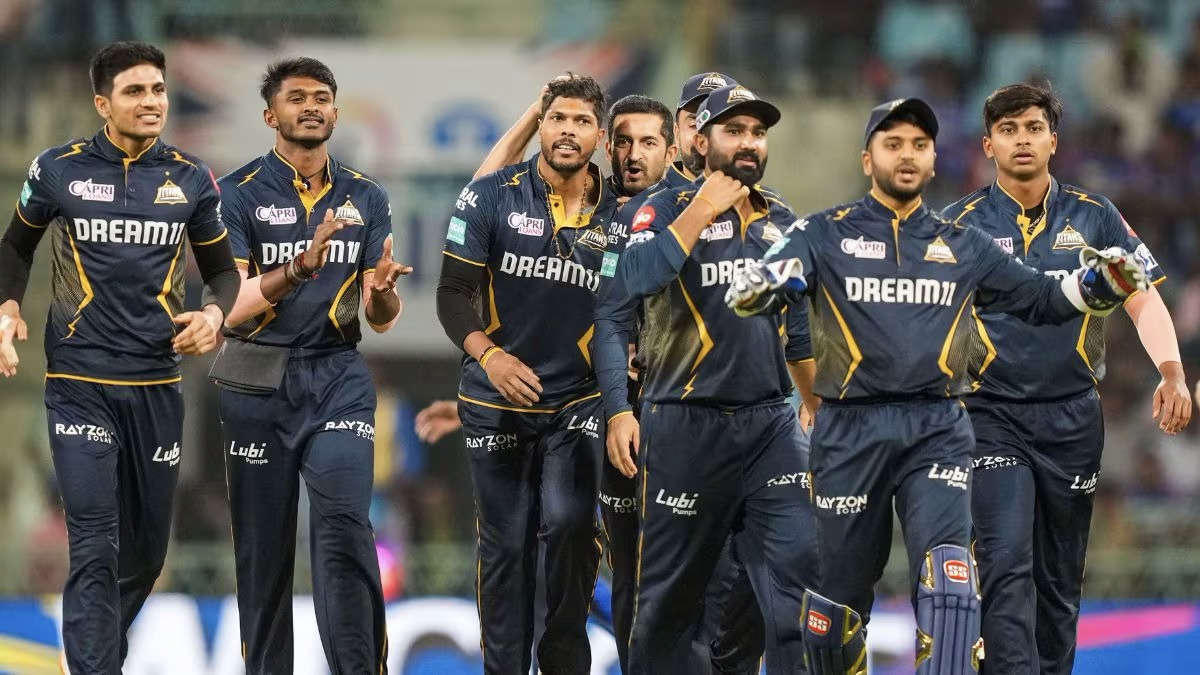
Gujarat Titans had bagged the title in 2022 under Hardik Pandya, and were the runner-up in 2023. Under Shubman Gill, the team finished eighth last year. Apart from Gill, Afghanistan spinner Rashid Khan, England white-ball captain Jos Buttler, and India pacer Mohammed Siraj are also part of the Gujarat Titans.


Categories
Beyond

Adani Group joins hands with Mayo Clinic, to spend ₹6,000 crore to build two integrated health campuses in India

Adani Group joins hands with Mayo Clinic, to spend ₹6,000 crore to build two integrated health campuses in India

Each of these integrated campuses will comprise 1,000-bed multi-super-specialty hospitals, medical colleges with an annual intake of 150 undergraduates, 80+ residents and 40+ fellows, step-down and transitional care facilities, and cutting-edge research facilities

Staff Writer

Adani Group will spend Rs 6,000 crore in setting up two 1,000-bed multi-specialty hospitals and medical colleges in Mumbai and Ahmedabad in partnership with Mayo Clinic. 

“Proud to launch Adani Health City in partnership with Mayo Clinic, pioneering world-class medical research, affordable healthcare & education. Starting with two 1000-bed hospitals and medical colleges in Ahmedabad & Mumbai, we are on a mission to bring cutting-edge medical innovation across India. This is just the beginning for a healthier, stronger India – one campus at a time!” Gautam Adani wrote in a post on X (formally Twitter). 

Mayo Clinic, the world’s largest integrated not-for-profit medical group practice, will provide technical expertise, Adani Group said in a statement. 

Adani Group will fully meet the cost of building affordable, world-class medical care and medical education to people from all strata of society pan India, the company said in a statement. The family will donate upwards of Rs 6,000 crore to build the first two of these integrated health campuses in Ahmedabad and Mumbai, it added. 

Gautam Adani has plans for more such integrated Adani Health Cities in cities and towns across India, the statement said without giving details. 

Each of these integrated campuses will comprise 1,000-bed multi-super-specialty hospitals, medical colleges with an annual intake of 150 undergraduates, 80+ residents and 40+ fellows, step-down and transitional care facilities, and cutting-edge research facilities. 

This medical ecosystem aims to serve people from all socio-economic backgrounds, train the next generation of doctors and focus on clinical research, artificial intelligence and biomedical informatics, the statement added. 

Adani Group has engaged USA’s Mayo Clinic to provide strategic advice on organizational objectives and clinical practices at these establishments. Mayo Clinic will also offer expert guidance on the integration of technology, with a focus on digital and information technology and healthcare quality enhancement. 

“Two years ago, as a gift to me on my 60th birthday, my family committed Rs 60,000 crore towards improving healthcare, education and skill development,” said Gautam Adani. “The development of Adani Health City is the first of many major projects from this contribution, which will go a long way towards providing affordable, world-class healthcare to people from every section of the Indian society. I am confident that our partnership with Mayo Clinic…will help elevate healthcare standards in India, with a special emphasis on complex disease care and medical innovation.” 

Mayo Clinic extends its expertise to independent healthcare providers wherever they are located. The Mayo Clinic program provides a tailored approach by designing engagements that help clients get the right answers from the right experts to help them achieve their goals. 

How is this mid-size Noida hospital seeks to capitalise on Jewar airport’s growth?

How is this mid-size Noida hospital seeks to capitalise on Jewar airport's growth?

The hospital has maintained steady revenue of Rs 15-20 crore over the past three years, with a growth rate of around 10%

Staff Writer

Prakash Hospital, one of the oldest private healthcare providers in Noida, is preparing to expand as the NCR region braces for the growth spurred by the development of Jewar Airport.

Established 24 years ago, Prakash Hospital, a mid-sized facility with 100 beds, has grown steadily by adapting to new technologies, investing in infrastructure, and catering to the needs of the expanding local population. Now, facing space constraints at its original Noida and Greater Noida locations, it plans to open a new hospital in Jewar to support the growing population and increasing healthcare demands.

"The healthcare industry has grown over the last 20-25 years, and keeping pace with technological advances is crucial. Initially, we did not have services like dialysis, CT scans, and MRIs. Over time, we have integrated these services, and now we are looking to expand further," said Dr. VS Chauhan, Chairman and Managing Director of Prakash Hospital.

The hospital has maintained steady revenue of Rs 15-20 crore over the past three years, with a growth rate of around 10%. "We have increased our ICU capacity, added more beds, and made significant upgrades to our facilities. In the next year, we plan to introduce oncological services and continue expanding," Chauhan explained.

In recent years, Prakash Hospital has made various upgrades, including new operating theatres, microscopes, and a 1.5 Tesla MRI from Siemens. 

The hospital’s focus is on oncology, with plans to add a linear accelerator for radiotherapy and possibly an IVF centre. This decision is driven by the rising number of cancer cases. "Cancer care is becoming an increasing priority for us, and we aim to address this gap in the near future. The demand for healthcare services, particularly in underserved areas, is growing, which is why we are looking to expand into tier-2 and tier-3 cities," Chauhan said.

Prakash Hospital’s strategy is to focus on areas that still lack essential healthcare services. The hospital aims to provide affordable and quality care, addressing gaps in rural regions. Chauhan noted that the hospital’s expansion into Greater Noida five years ago had been successful, and the upcoming facility near Jewar Airport would continue this approach.

The hospital is set to compete with several other hospitals located near Jewar Airport. For instance, Kailash Hospital in Jewar offers services in critical care, orthopaedics, gynaecology, nephrology, and diagnostic facilities such as CT scans and ultrasound. The New Jewar Hospital and Trauma Centre provides emergency services, along with specialties in orthopaedics, neurology, and general surgery. The Government Institute of Medical Sciences (GIMS) in Greater Noida is a medical teaching institution with a 500-bed capacity and modern diagnostic and surgical facilities. 

Sharda Hospital, with a 1,200-bed capacity, offers services in specialties like cardiology, oncology, and orthopaedics. Yatharth Hospitals, with multiple locations in Greater Noida and Noida, has over 2,300 beds and provides services across disciplines such as cardiology, orthopaedics, and neurosciences.

Despite competition from larger players, Chauhan is confident in the hospital’s ability to thrive. "We’re not focused on competing with others; we are focused on doing our work and serving the community. Our goal is to create a sustainable model that serves the local population," he stated. By offering affordable care, Prakash Hospital is attracting patients, particularly those from the corporate sector and public health schemes.

The hospital’s expansion plans will focus on tertiary care, orthopaedics, and ICU services — key areas of growth in Greater Noida, which has seen an increase in population. "We also plan to develop diagnostic services in tier-2 and tier-3 cities. We will offer basic services such as CT scans, dialysis, and health checkups, while referring more complex procedures to our larger hospitals," Chauhan explained.

Categories
Corporate

ITC doubles down on frozen foods business, plans to acquire Prasuma for ₹300 crore

ITC doubles down on frozen foods business, plans to acquire Prasuma for ₹300 crore

According to Hemant Malik, Wholetime Director, ITC, the addition of Prasuma into ITC’s portfolio will help it build a full stack of frozen and ready-to-cook foods portfolio. The move aligns with its ITC Next strategy coined by its Chairman Sanjiv Puri

Staff Writer

Diversified conglomerate ITC is increasing its bet on the rapidly growing frozen foods market. The Kolkata-based entity, which has been in the ready-to-cook (RTC) segment since 2019, has taken the inorganic route to scale the business as it gears up to acquire popular frozen foods maker Prasuma against some Rs 300 crore. 

The deal, planned to be completed over three years will see  ITC picking up a 43.8% stake by March 2025 in the company in the first tranche.  

ITC plans to raise its stake in Prasuma to 62.5% by April 2027 and the rest of the stake will be acquitted by the conglomerate by June 2028 based on pre-defined valuation criteria and subject to other conditions as stated in the definitive agreements. 

The company has not revealed the total cost of the acquisition but according to estimates ITC may have to spend close to Rs 300 crore to expand its presence in the frozen foods market that is increasingly gaining traction among urban consumers. 

As per the ITC management, the company will initially acquire 62.5% stake in Prasuma for Rs 187 crore and the deal will help ITC build a frozen, chilled and RTC portfolio in the Rs 10,000 crore market segment that has high growth potential.  

The move aligns with its ITC Next strategy coined by its Chairman Sanjiv Puri. The strategy primarily focuses on building a future-ready portfolio of products that serves evolving consumer needs. 

“ITC’s valuation of Prasuma is close to Rs 300 crore and it is expected to close the deal by 2028 against the amount,” a source familiar with the developments said. 

According to Hemant Malik, Wholetime Director, ITC, the addition of Prasuma into ITC’s portfolio will help it build a full stack of frozen and ready-to-cook foods portfolio. “With Good-for-You, first-to-market products, across cuisines, we believe that the combined portfolio will delight our discerning consumers. This investment reaffirms our commitment to building future-facing, best-in-class, innovative portfolios,” he said. 

Malik’s enthusiasm is not without a rationale. ITC already has a wide range of frozen foods portfolio under its ITC Master Chef brand, comprising over 50 RTC items, frozen snacks and Indian breads with a reach of over 200 towns. 

At a time when both segment-focused brands like Carnivor or Meatzza and traditional fast-moving consumer goods makers such as Godrej, are out to lure urban consumers, ITC’s move may prove to be crucial in its market presence. 

"With the industry at an inflexion point, this acquisition will help strengthen and expand ITC’s presence in the aforesaid categories by gaining entry into high growth segments, viz. Pan Asian foods, Deli meats, etc. With the proposed acquisition, ITC will become the first full-stack player in the segment with an unparalleled portfolio, offering meals and snacking options across multiple occasions throughout the day for the discerning consumer. ITC Master Chef and Prasuma shall also benefit from significant synergies through well-designed institutional mechanisms and enablers,” the company said.

Categories
Corporate

Tax relief, RBI rate cut to boost ₹10-25 lakh car segment: M&M

Tax relief, RBI rate cut to boost ₹10-25 lakh car segment: M&M

Mahindra & Mahindra reported a 19% increase in year-on-year profit to Rs 2,964 crore in the October to December quarter of FY25 on the back of strong SUV demand. The company continued to dominate the SUV market, with the SUV market share at 23%

Staff Writer

The tax relief in the union budget FY26 and the repo rate cut by the Reserve Bank of India (RBI) are likely to boost demand for the Rs 10 lakh to Rs 25 lakh car segment, a top company official at Mahindra & Mahindra told reporters.

The RBI on February 7 cut the repo rate by 25 basis points at 6.25%. “Demand is going to be very robust for products Rs 10 to Rs 25 lakh in the country. And our strategy is to play in the Rs 7-25 lakh category,” says Rajesh Jejurikar, Executive Director- auto & farm division at Mahindra & Mahindra.

According to Dr Anish, Group CEO of Mahindra & Mahindra, tax relief will create demand stimulus for the middle class. “We believe the fundamentals for the Indian economy are very strong, and we've seen some blips in the short run, the relief, in terms of taxation for the middle class, puts more money in their hands, and that will create a demand stimulus, which is going to help and in turn, translate to greater capex from a private sector as well, which has also been an area that has been lacking in some way…. And similarly, the rate cut also will help in terms of creating a little bit more of a demand stimulus. So, both are positive moves from an economic standpoint,” says Shah.

Mahindra & Mahindra reported a 19% increase in year-on-year profit to Rs 2,964 crore, whereas the revenue from operations surged by 20% YoY to Rs 30,538 crore in the October to December quarter of FY25 on the back of strong SUV (sports utility vehicle) demand. The company continued to dominate the SUV market, with the SUV market share at 23%.

The company, which launched its flagship born-electric models — BE.6 and XEV.9e in December last year— will begin bookings of the EVs beginning February 14 this year. The company will initially roll out 5,000 units of BE.6 and XEV.9e


Categories
Leaders

Who is Mohini Mohan Dutta? The mysterious man, who figures in Ratan Tata’s will

Who is Mohini Mohan Dutta? The mysterious man, who figures in Ratan Tata’s will

Dutta's inclusion in the will has sparked intrigue, not least because Tata, who passed away in October 2024, was famously private about his personal affairs

Staff Writer

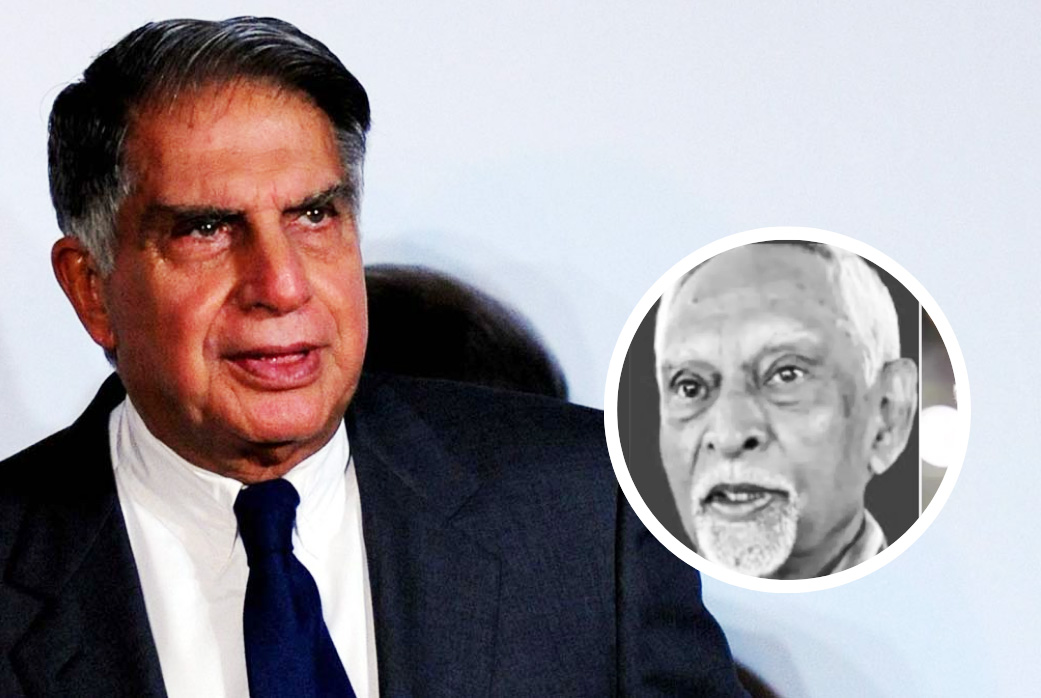
When the will of Ratan Tata was unsealed, it contained all the expected elements—substantial philanthropic commitments, family considerations, and meticulous distributions. But one name stood out, raising eyebrows across India’s business and social circles: Mohini Mohan Dutta.

A relatively obscure entrepreneur from Jamshedpur, Dutta has been left over ₹500 crore, according to The Economic Times. His inclusion has sparked intrigue, not least because Tata, who passed away in October 2024, was famously private about his personal affairs.

Who is Mohini Mohan Dutta? What role did he play in Tata’s life? And why did he receive one of the largest individual bequests in the will of one of India’s most revered industrialists?

Dutta, now in his 80s, reportedly first met Ratan Tata in the early 1960s at the Dealers’ Hostel in Jamshedpur. At the time, Tata was a 24-year-old navigating his way through the sprawling family empire. That meeting shaped the trajectory of Dutta’s life.

“We first met in Jamshedpur at the Dealers’ Hostel when Ratan Tata was 24. He helped me out and really built me up,” Dutta said at Tata’s funeral in October 2024.

Dutta’s professional journey intertwined with the Tata Group. After starting his career with the Taj Group, he founded Stallion Travel Agency, which merged with Taj Services, a division of the Taj Group of Hotels, in 2013. Tata Industries held an 80% stake in the business before Tata Capital acquired and later sold it to Thomas Cook (India). Dutta remains a director at the rebranded TC Travel Services and holds shares in Tata Group companies, including Tata Capital, which is preparing for a public listing.

Dutta, the report adds,  was more than an associate, an adopted son, it goes further to elaborate. However, the will and its accompanying codicil explicitly state that Ratan Tata never married or legally adopted children.

Dutta’s connection to the Tata family extends beyond business. His daughter worked with Tata Trusts for nearly a decade after beginning her career at Taj Hotels. He was also a guest at Tata’s birth anniversary commemoration at Mumbai’s NCPA in December 2024, an event attended by the most trusted names in the Tata ecosystem.

Despite his deep ties, Dutta’s inheritance has triggered murmurs of discontent. As per the will, he is entitled to one-third of Tata’s residual estate, which includes bank deposits exceeding ₹350 crore and proceeds from auctioning personal belongings such as paintings and watches.

The remaining two-thirds go to Tata’s half-sisters, Shireen Jejeebhoy and Deanna Jejeebhoy, who, alongside Tata Trusts trustees Darius Khambata and Mehli Mistry, are also executors of the will. However, sources cited by The Economic Times reveal that Dutta expects his inheritance to be worth ₹650 crore, a figure that does not align with the executors’ current estimates.

Tata’s half-brother Noel Tata and his children are conspicuously absent from the will, while Jimmy Tata is set to receive ₹50 crore. While The Economic Times has reported extensively on the matter, BT could not independently verify the claims regarding the inheritance estimates or the exact terms of Tata’s will.

As the will awaits probate in Bombay High Court, questions swirl around this unexpected bequest.


Categories
1 Minute-Read

Labour ministry finalising social security scheme for gig workers, to seek Cabinet’s nod soon

Labour ministry finalising social security scheme for gig workers, to seek Cabinet's nod soon

Workers will be registered on e-Shram portal and assigned a UAN

Staff Writer

The government is finalising the contours of a social security scheme for gig workers, which is likely to be taken to the Union Cabinet for approval soon. The move, if it goes through, would provide a safety net to India’s rising gig workforce, many of whom have taken up such jobs due to lack of employment opportunities

According to sources, the labour ministry has been holding discussions with gig workers’ associations, online aggregators and state governments and is finalising the contours of the scheme, which would be based on a 1% to 2% contribution based on the gig worker’s daily earning from each platform that he or she is working with.

As announced in the Union Budget, each gig worker will be registered on the labour ministry’s e-Shram portal and be assigned a 12 digit universal account number (UAN).  Based on this, the gig worker would be identified and the contribution would be deducted from each platform that they work on. Under the scheme, the worker would receive provident fund and pension benefits.

The quantum of contribution is yet to be finalised but it could be in the range of 1% to 2%.

In case the worker decides to move to a regular job, the social security account under the scheme would be merged with his account under the Employees’ Provident Fund Organisation.

The NITI Aayog had estimated that India has about 7.7 million gig workers in 2020-21 but their numbers are seen to have increased to over 10 million by now.  The scheme is expected to help gig workers who have to rely on their daily earnings with no safety net. While several aggregators provide accidental insurance to workers, they do not have a social security scheme.

The Union Budget has also announced the inclusion of gig workers under the government’s ambitious health insurance scheme, Pradhan Mantri Jan Arogya Yojana (PMJAY).

The Code on Social Security, 2020, which is yet to be implemented, provides for framing of suitable social security measures for gig workers and platform workers for life and disability cover, accident insurance, health and maternity benefits as well as old age protection. It also provides for setting up a Social Security Fund to finance the welfare scheme. Sources indicated that the proposed benefits would be formulated in line with the Code and no separate legislation will be needed.


Categories
Corporate

Centre eyes completing IDBI Bank disinvestment by mid-2025, bids to be invited by end-March

Centre eyes completing IDBI Bank disinvestment by mid-2025, bids to be invited by end-March

As part of the disinvestment of IDBI Bank, the Centre along with Life Insurance Corporation of India will sell 61% stake in the lender, along with the management control. This includes 30.48% stake of the Government of India and 30.24% of LIC

Staff Writer

The Centre remains confident of completing the privatisation of IDBI Bank in the next financial year and expects the financial bids for the transaction to be invited by next month.

“The disinvestment of IDBI Bank is on track. We expect it to be completed by the middle of this year. Financial bids will be called by end of March,” an official source said.

According to sources, the due diligence process by the bidders is currently ongoing. They are now getting access to confidential data of the bank to assess its financial position and decide upon the bank’s valuation and their financial bids.

The Reserve Bank of India has already completed the fit and proper assessment of the bidders.

“When the IDBI Bank stake sale goes through, this will be the largest privatisation exercise since the disinvestment of Air India,” noted the source.

As part of the disinvestment of IDBI Bank, the Centre along with Life Insurance Corporation of India will sell 61% stake in the lender, along with the management control. This includes 30.48% stake of the Government of India and 30.24% of LIC.

The process of the bank’s privatisation has been long drawn, starting way back in January 2023 when the Centre had issued an Expression of Interest. Since then, the transaction has gone through several steps and processes with the financial bids being one of the very last processes.

For now, officials remain tight lipped about the realisation from the stake sale. For 2025-26, the Union Budget has estimated raising Rs 47,000 crore from disinvestment and asset monetisation and no separate figure has been ear marked from the sale of IDBI Bank.

The bank reported a 31% increase in its net profit for the third quarter of the fiscal at Rs 1,908 crore compared to Rs 1,458 crore in the same period a year ago.

Categories
Corporate

Patanjali partners with IBSFINtech for digital transformation of its treasury management

Patanjali partners with IBSFINtech for digital transformation of its treasury management

The integration of the Integrated Treasury Management Solution (ITMS) represents a major advancement in Patanjali's digital transformation

Staff Writer

The Patanjali Group has collaborated with IBSFINtech, a renowned global leader in Treasury Management Solutions. The integration of IBSFINtech’s platform with Patanjali’s current ERP system will transform the treasury and trade finance operations. The implementation of an Integrated Treasury Management Solution marks a significant milestone in the Group's digital transformation.

The real-time analytics and actionable insights provided by the system create a connected ecosystem for Patanjali, enhancing risk management, organisational agility, and resilience through informed decision-making.

The integration of the Integrated Treasury Management Solution (ITMS) represents a major advancement in Patanjali's digital transformation. Through providing real-time analytics and actionable insights, the platform establishes a unified environment that enhances risk management, organisational flexibility, and resilience. This empowers Patanjali to make well-informed decisions and improve operational efficiency throughout its worldwide operations.

Patanjali Group’s commitment to technological innovation is demonstrated through the incorporation of AI and Machine Learning, which greatly enhances operational efficiency. This integration not only enhances financial processes but also aligns with Patanjali's objectives for global expansion, tackling challenges such as Forex management, hedging strategies, and market volatility.

Sanjeev Asthana, CEO Patanjali Foods, said: “As a global brand, this collaboration reinforces our commitment to harnessing cutting-edge solutions. The initiative not only redefines financial operations but also underscores Patanjali’s commitment to innovation. It aligns with our global expansion goals and addresses growing complexities of international operations, Forex management, hedging strategies, and market volatility.”  

Kumar Rajesh, CFO of Patanjali Group, stated: “By simplifying financial ecosystems and ensuring real-time insights, Patanjali has achieved unmatched operational transparency, agility, and resilience. These advancements have fortified governance structures and empowered the organization to navigate dynamic financial landscapes with confidence.”