
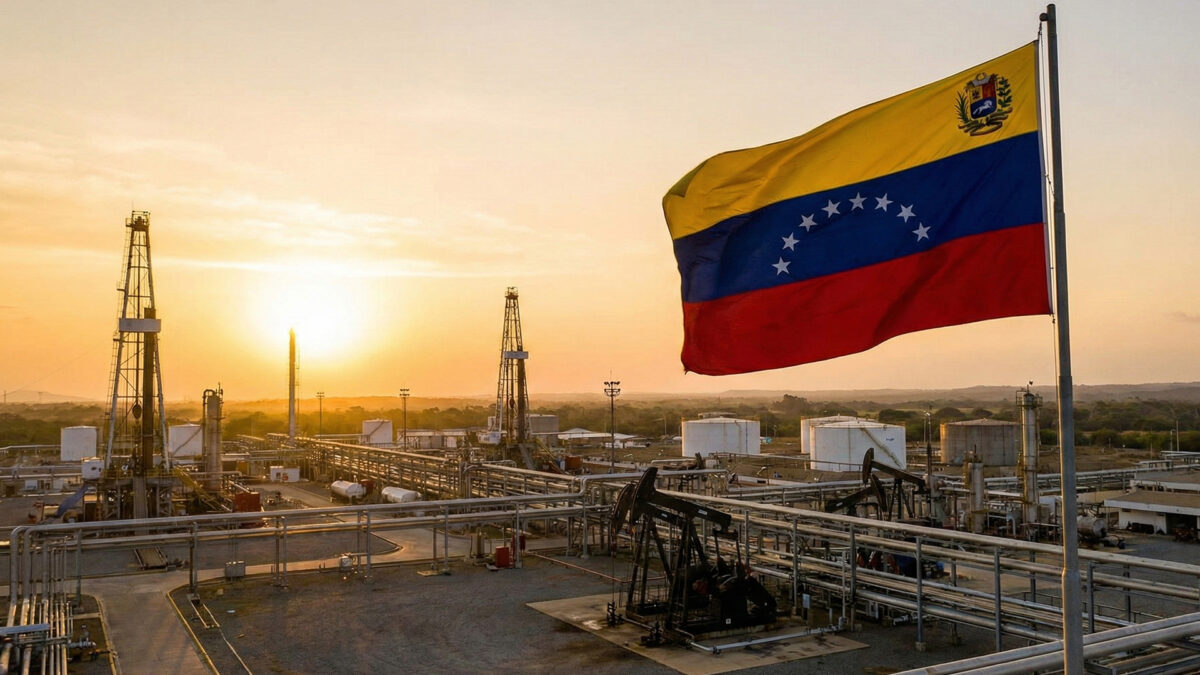
Venezuela’s government has approved a major overhaul of its oil sector, aiming to attract foreign investment and revive the country’s struggling energy industry. The law, signed by acting President Delcy Rodríguez, represents a significant shift from decades of strict state control under Petróleos de Venezuela (PDVSA).
Under the new framework, private and foreign companies can operate oil projects at their own cost and risk, while the state retains ownership of crude reserves. The law also allows independent arbitration for disputes, reducing legal uncertainties that have historically deterred foreign investors. Companies will now have greater operational autonomy, including decisions on production levels and investments, signaling a major policy pivot from the nationalisation policies introduced by Hugo Chávez in 2007.
Financial incentives have also been introduced to make Venezuela more competitive. The law caps royalties at 30% but allows authorities to set rates on a project-by-project basis. This flexibility is intended to attract large-scale international operators and encourage investment in technologically advanced extraction projects.
The legislative reform coincides with a partial easing of U.S. sanctions on Venezuela’s oil sector. Washington issued a general license permitting certain U.S. companies to engage in trade and transport of Venezuelan crude, providing a potential boost to foreign capital inflows. Analysts say the dual move, domestic reform and international sanction relief — is designed to restore investor confidence and reverse years of declining production.
Venezuela’s oil output has fallen sharply in recent years due to mismanagement, underinvestment, and economic sanctions, despite the country holding the world’s largest proven oil reserves. Industry experts believe the new law could jump-start production, create jobs, and increase government revenue, although political instability and past economic mismanagement remain key risks for investors.
Also Read: Microsoft sees Copilot AI boom, costs worry investors