
India’s defence is strong — but not yet deep enough
Operation Sindoor showed India’s technological edge; a drawn-out conflict would test its operational resilience

A licence to hack criminals could become a licence to hack competitors
Giving private firms offensive cyber powers could blur the line between fighting criminals and targeting competitors

Independence Day Special: From licence raj to global scale
From licences and paper shares to a ₹411-lakh-crore market, India Inc’s 79-year journey has come a long way
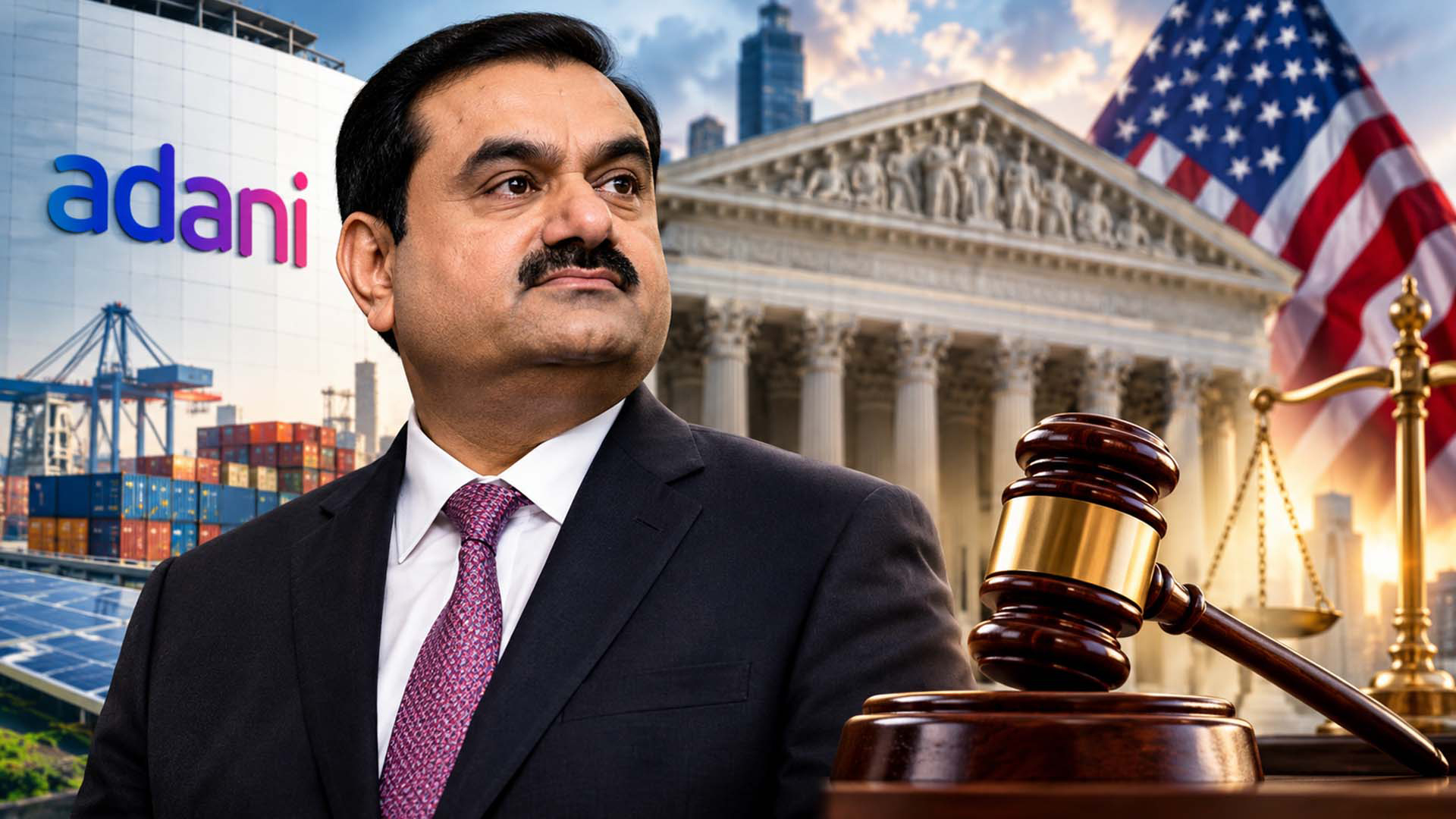
Adani’s US cases end — but with a judicial rebuke
Gautam Adani secures permanent dismissal, but US court ruling offers no complete vindication
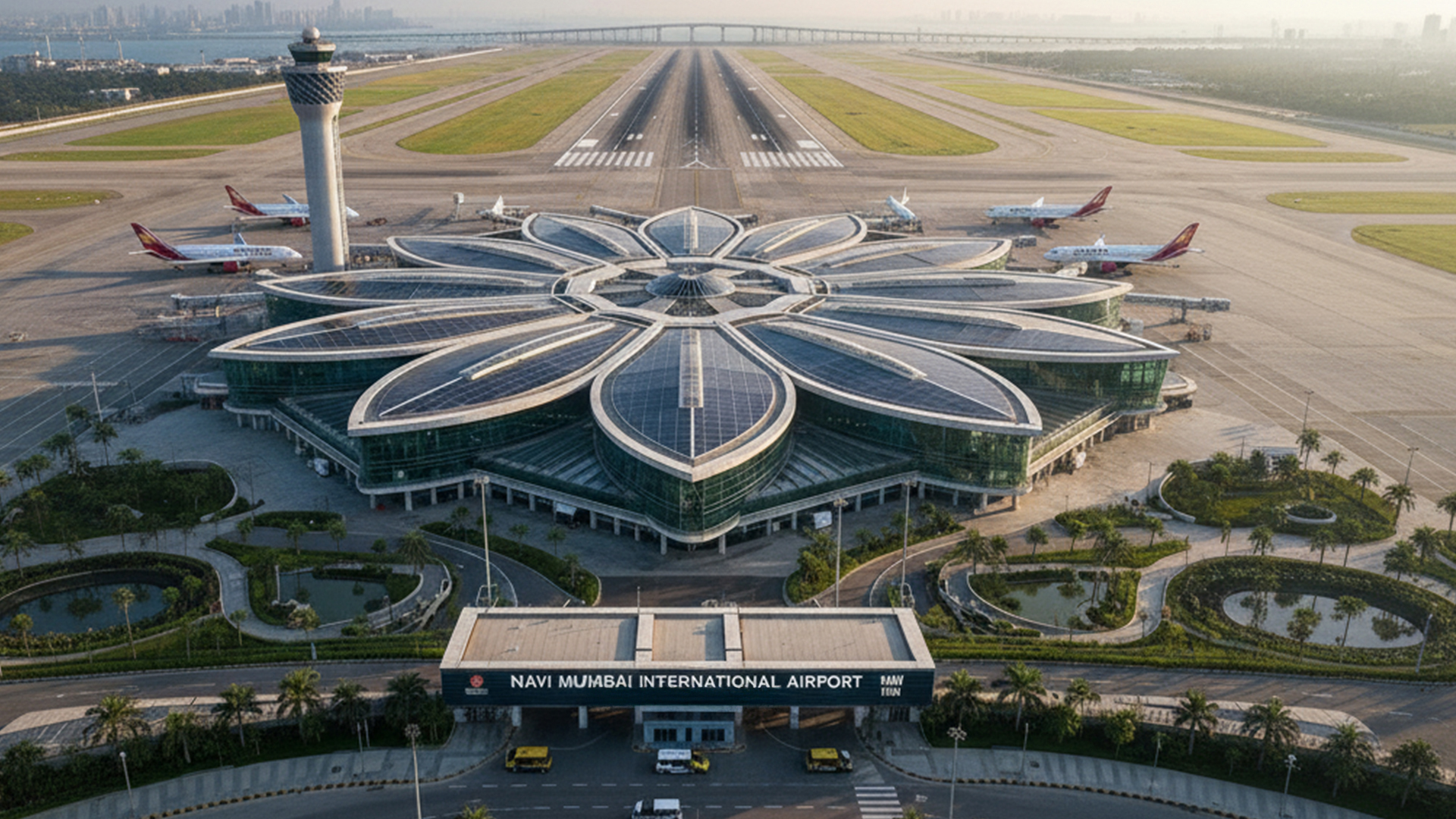
A Lotus in Steel, Glass and Technology to Bloom in October
When the Navi Mumbai International Airport is inaugurated, India will be unveiling not just new runways and terminals but a symbol of ambition. Rising from…
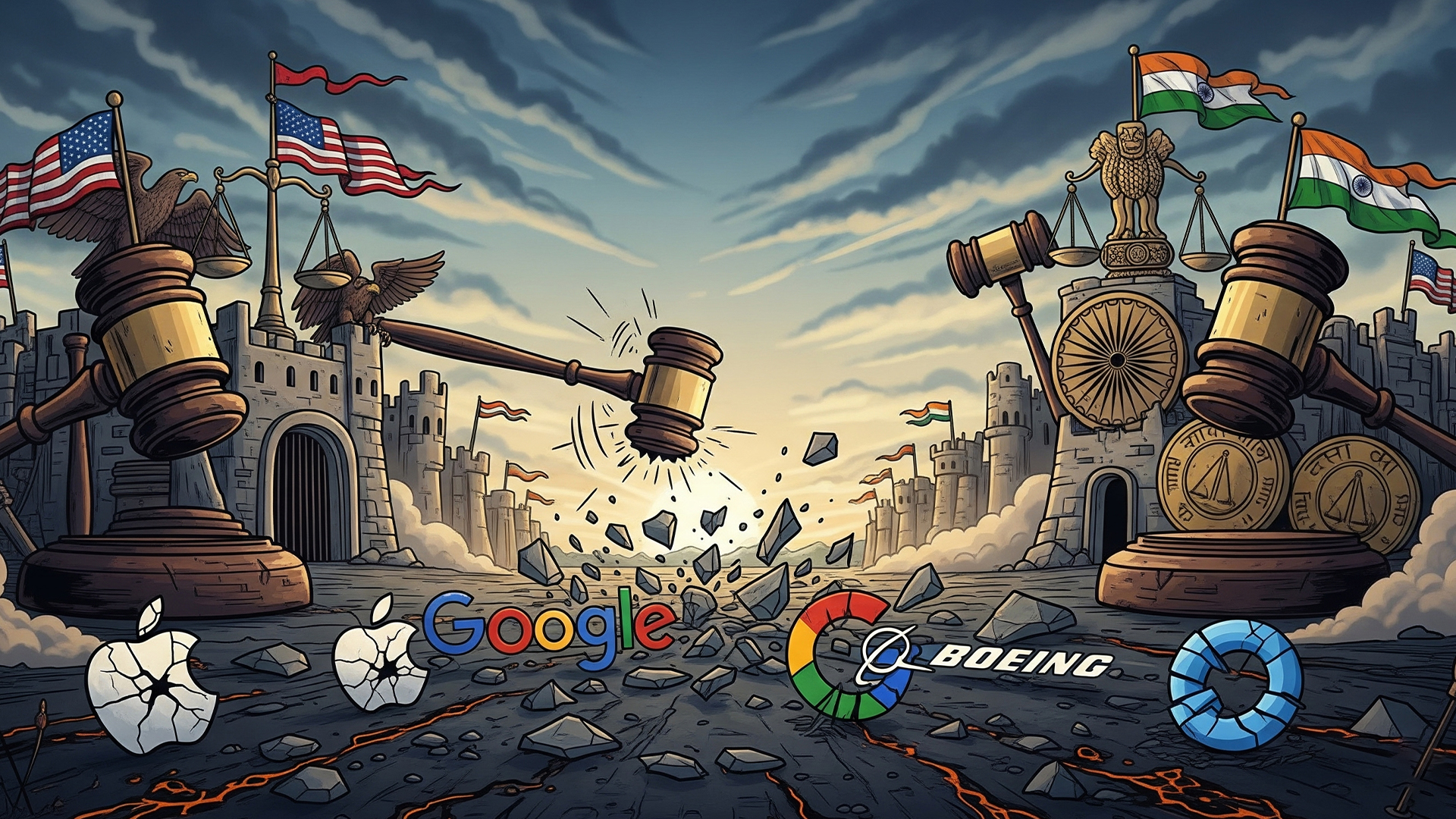
Trump’s India Strategy Could Backfire on US Giants: Here’s how
After bruising tariffs, Washington may turn legal heat on Adani—while keeping Ambani close—to force India’s hand, risking blowback for Boeing, Apple, Google and other US…

Fitch Upgrades India’s FY26 Growth Forecast to 6.9%, Citing Strong Demand Amid Global Risks
Fitch Upgrades India’s FY26 Growth Forecast to 6.9%, Citing Strong Demand Amid Global Risks Robust services output and consumption fuel optimism, while trade tensions and…
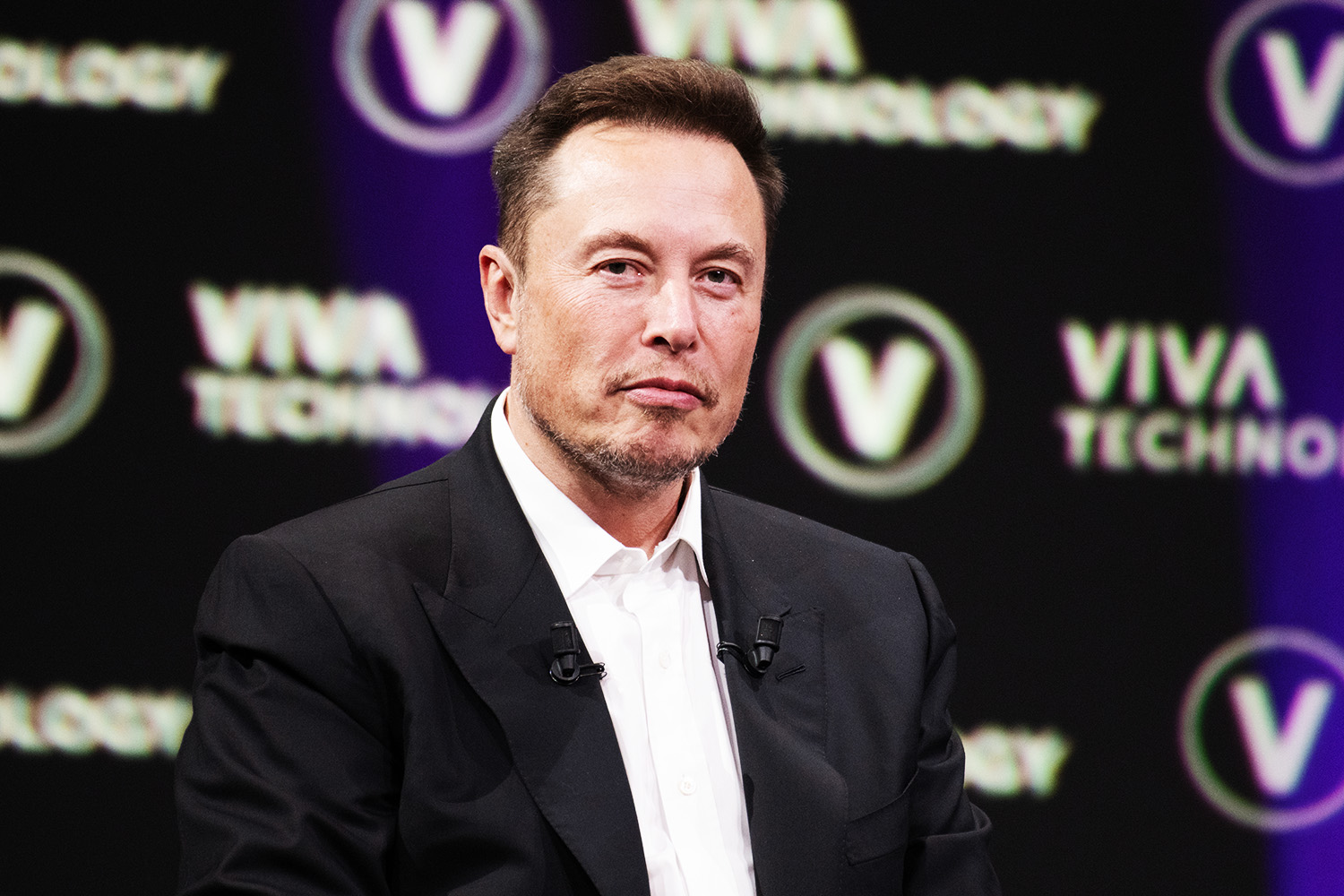
Can Indians afford Elon Musk’s cars?
The move comes amid intensifying discussions surrounding Tesla’s entry into India. On February 13, Musk met Prime Minister Narendra Modi in Washington, DC, fueling speculation…
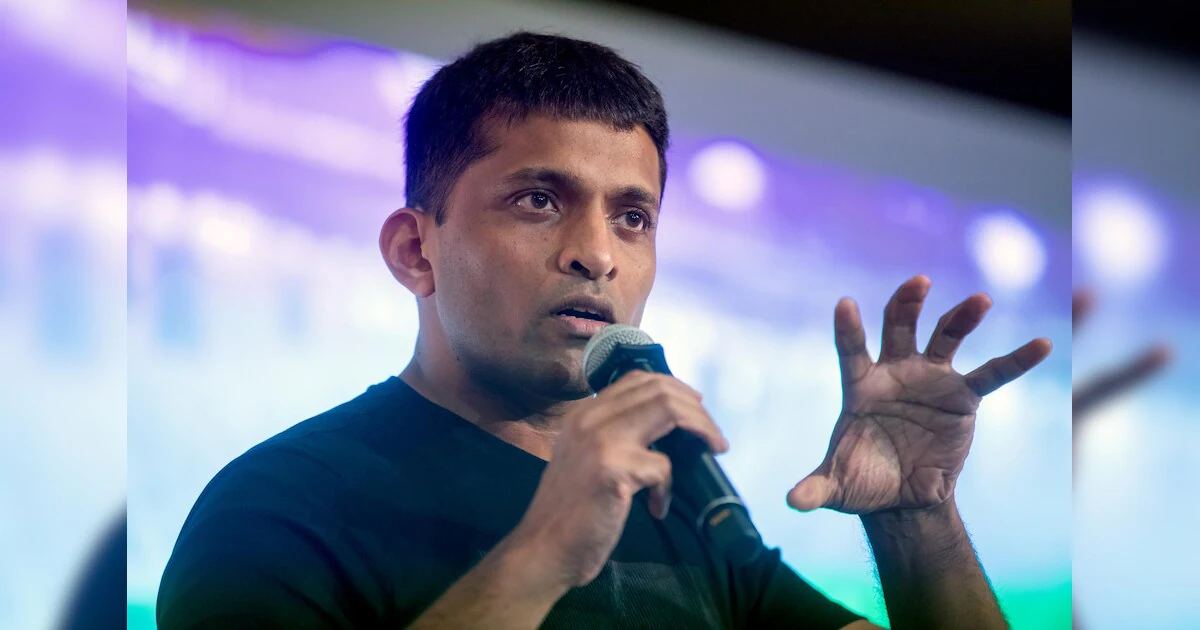
Byju Raveendran defends himself amid crisis
The founder of embattled edtech giant BYJU’S refutes claims that his family had financially benefited from the company’s rise, stating that any wealth accumulated was…
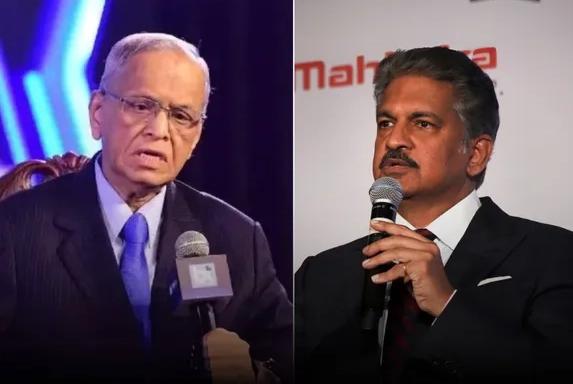
Why India needs a Narayana Murthy, Anand Mahindra to head DOGE
This demand for accountability echoes recent developments in the US, where federal employees were given an ultimatum—list their weekly accomplishments or be deemed to have…
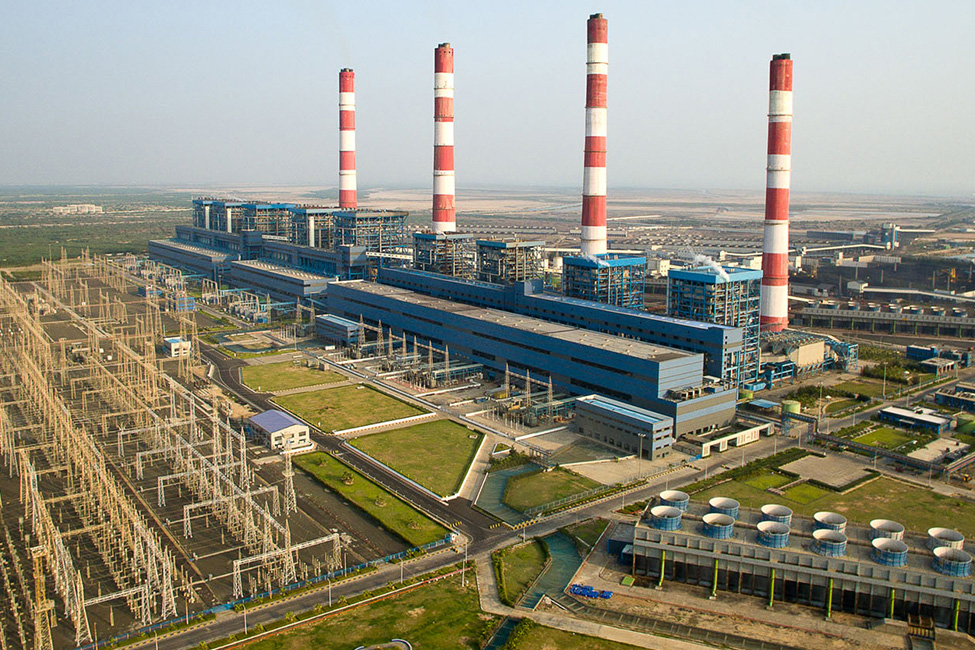
Adani Power to fully restore supply to Bangladesh, but rejects discount request
Bangladesh owes Adani approximately $650 million, though company sources estimate the outstanding dues have reached nearly $900 million
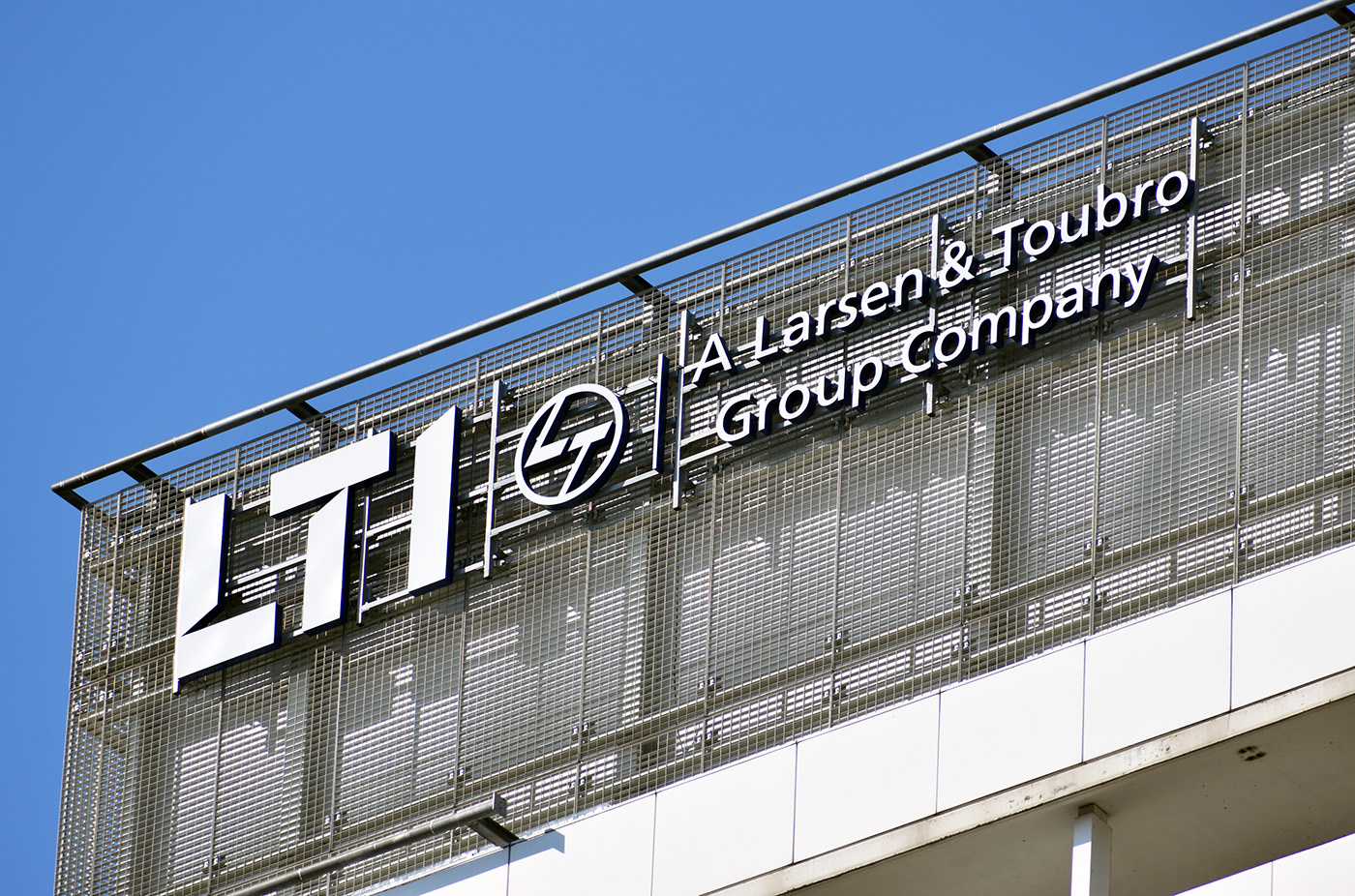
Why do labour shortages worry L&T’s SN Subrahmanyan?
Larsen and Toubro CMD SN Subrahmanyan observed that while many countries face substantial migration issues, India presents a distinctive challenge as many people are hesitant…
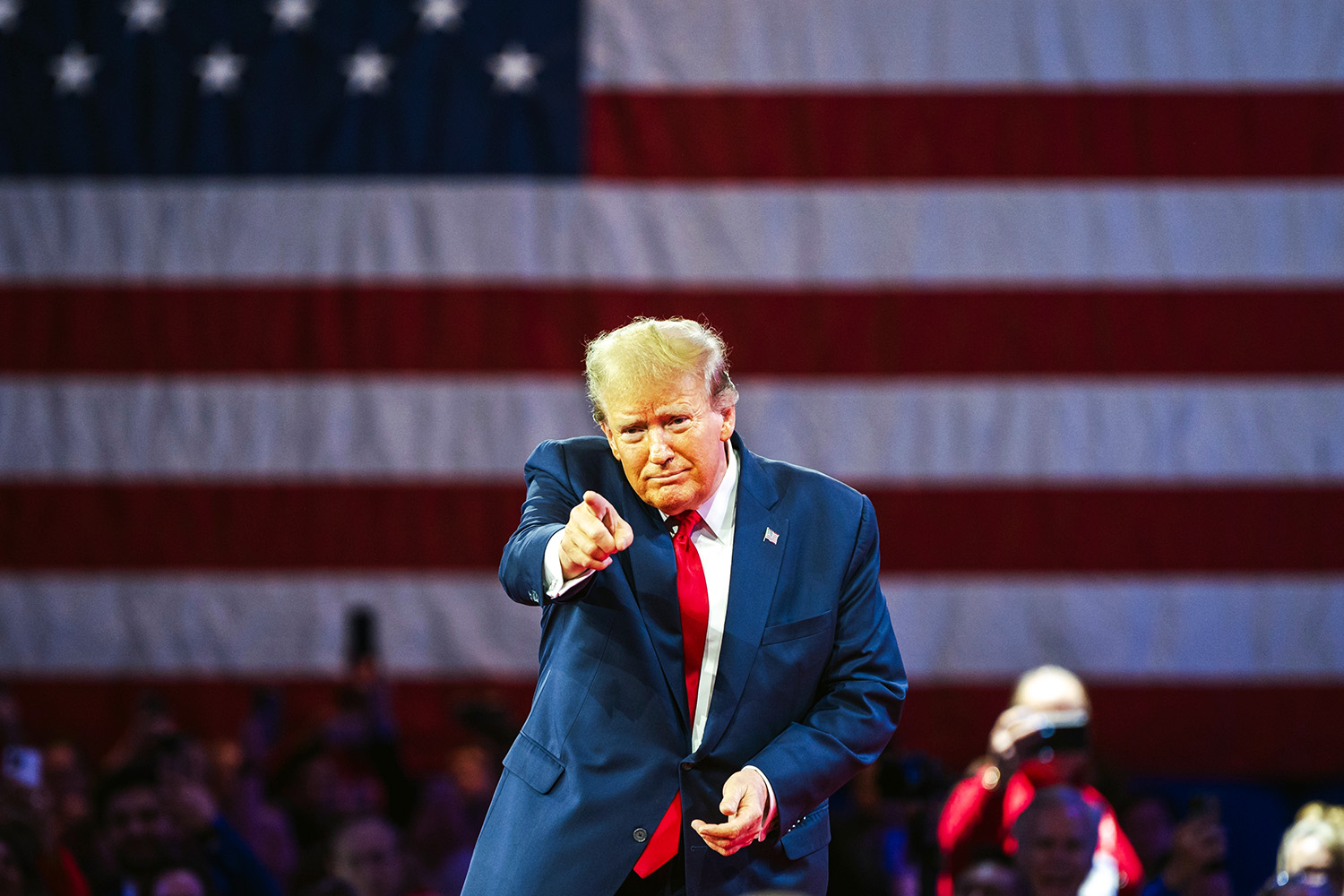
Why did US President Trump halt anti-bribery law?
The law was used to go after the Adani Group under the previous Biden administration
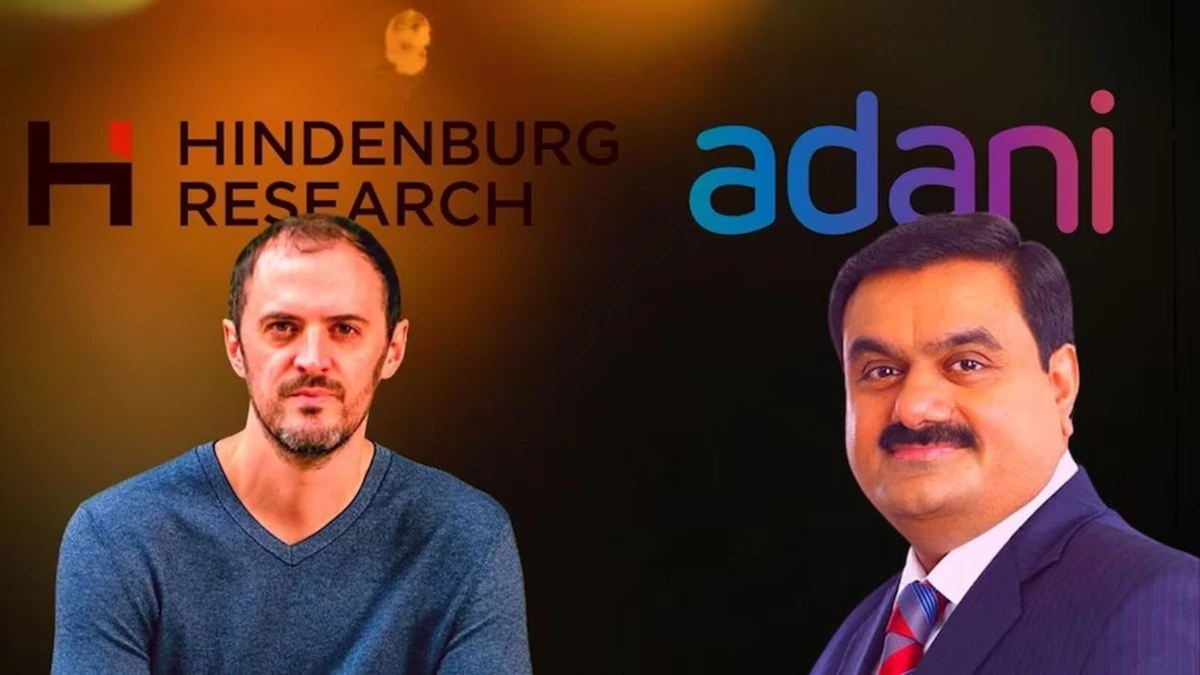
Hindenburg’s Nate Anderson says stands by Adani report, closure not due to any threat
Anderson told PTI that Hindenburg’s January 2023 report accusing Adani Group of “the largest con in corporate history” was a result of following “red flags”…
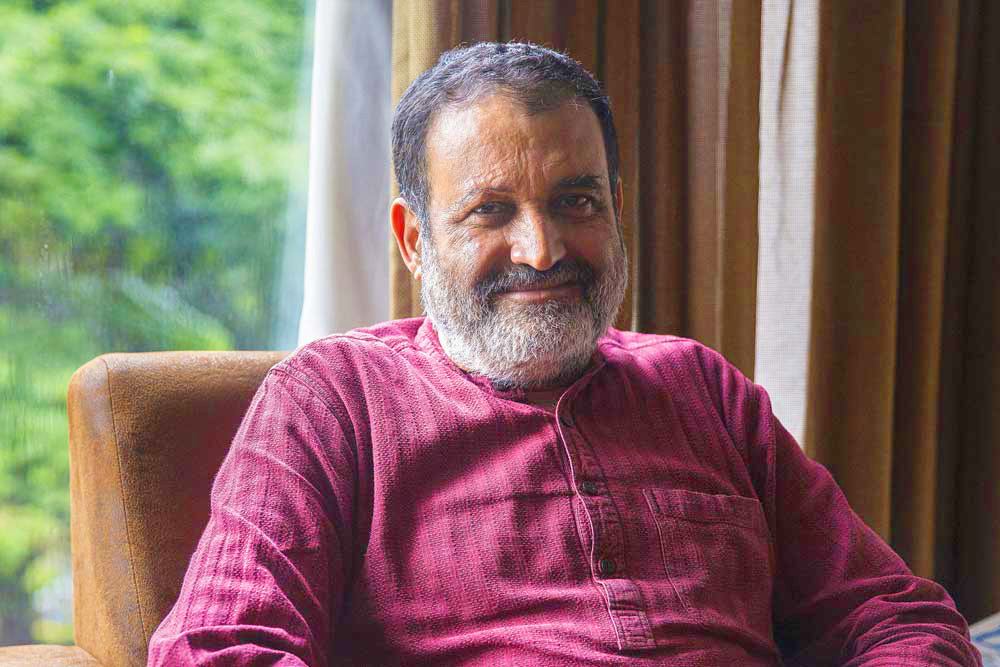
You give the CEO ₹50 crore… Mohandas Pai calls out stagnation in entry-level IT salaries
He further argues that the industry has been exploiting freshers for over a decade, with stagnant wages disproportionately affecting the bottom 50% of employees

Adani Group denies cancellation of Sri Lanka power purchase deal, says it is committed to invest $1 bn for green projects
Adani Green Energy's stock experienced a decline following the news of Sri Lanka's termination of the power purchase agreement, reaching a daily low of Rs…

Labour officials fail to adequately investigate complaints of employment discrimination at Foxconn: NHRC
The human rights panel has criticised labor officials for not thoroughly investigating complaints of discrimination at Foxconn, which highlighted the exclusion of married women from…
We have a well-defined process…: Infosys CEO on low hikes and workplace allegations
Bhupendra Vishwakarma, a former Senior System Engineer, raised systemic flaws, regional bias, and an unhealthy work environment with the firm. Despite being the sole breadwinner…
Hindenburg Research closes: What’s the connection between Nate Anderson and British DJ Lee Burridge?
In a personal statement, Anderson detailed the achievements of Hindenburg Research and the rationale behind ending its operations
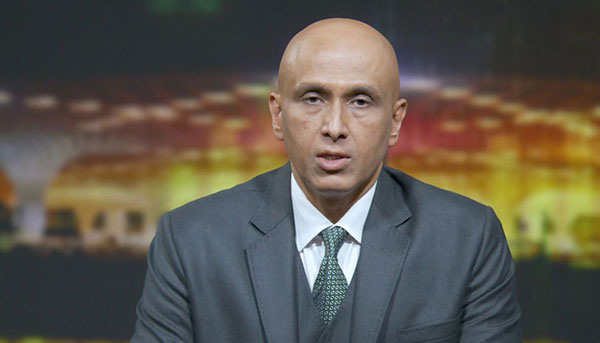
‘Kitne Ghazi aaye, kitne Ghazi gaye…’: Adani CFO Jugeshinder Singh shares cryptic post amid Hindenburg closure
Hindenburg Research, the US-based short-seller known for targeting major business entities, including the Adani Group, on Thursday announced its disbandment

Latest corporate updates, business insights, and industry trends news