
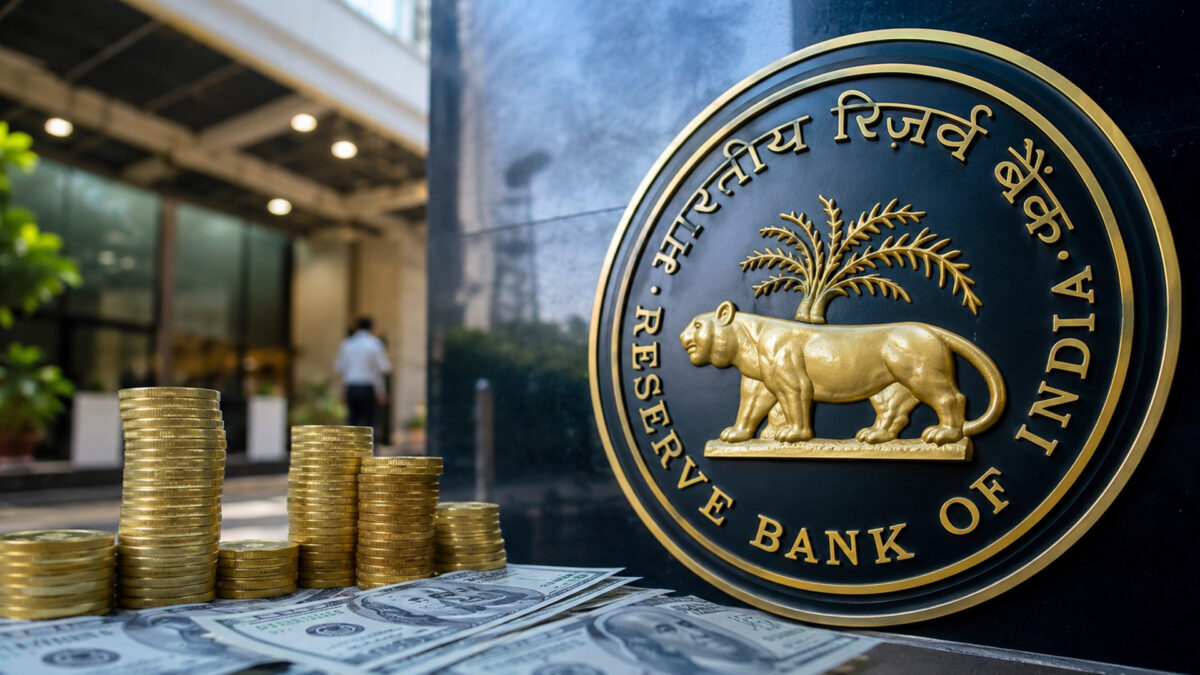
The Reserve Bank of India’s drive to bring more foreign currency into the country has produced a bigger response than expected. Now, the central bank is turning its attention to what comes next: managing the large amount of rupee liquidity created by the inflows and helping banks close their dollar-short positions.
Banks raised a substantial amount through Foreign Currency Non-Resident Bank, or FCNR-B, deposits under a special facility launched by the RBI. The programme was aimed at encouraging non-resident Indians and other eligible depositors to park foreign currency with Indian banks for longer periods.
The response was strong enough for the RBI to close the facility earlier than initially planned. By August 31, banks had mobilised around $127.23 billion through FCNR-B deposits, according to provisional data. When other foreign-currency borrowings are included, the total mobilisation was even higher.
The scale of the inflows has now created a new challenge for policymakers. The dollars that came into the banking system were converted and swapped into rupees, leaving banks with a significant amount of additional liquidity.
That means the RBI’s job has effectively moved from attracting foreign currency to managing its impact on domestic money markets.
The situation is particularly visible in the banking system, where surplus liquidity has climbed sharply. Banks are holding more funds than they immediately need, putting downward pressure on short-term interest rates. If the surplus remains elevated, the RBI may need to use its liquidity-management tools to prevent market rates from moving too far away from the policy rate.
The FCNR-B scheme was designed to address concerns around foreign exchange availability and the rupee. The RBI offered banks a special dollar-rupee swap arrangement, making it more attractive for them to mobilise FCNR-B deposits with maturities of three to five years.
The arrangement provided access to foreign currency funding. For the RBI, it helped bring dollars into the financial system at a time when the rupee was facing pressure from global uncertainties.
The latest developments show just how effective the scheme was.
ICICI Bank alone mobilised about $17.88 billion through FCNR-B deposits. The lender offered competitive rates for large deposits and subsequently deployed a portion of the funds through its overseas operations and other international financing activities.
The bank also used part of its foreign currency resources for lending and standby letters of credit, while raising additional funds through dollar-denominated bonds in overseas markets.
ICICI Bank’s experience illustrates how Indian lenders can use the foreign currency raised through the scheme rather than simply keeping the funds idle.
However, the bigger issue for RBI is the effect on the rupee and domestic liquidity.
When banks receive dollars and enter into swaps with the central bank, the transactions have an impact on the amount of rupees circulating in the financial system. With the FCNR-B response much stronger than anticipated, the resulting liquidity surplus has become significant.
This is where dollar-short positions could become important.
Banks that have received foreign currency and entered into currency swaps need to manage their positions as the transactions mature or are unwound. The RBI could use these flows as part of its broader foreign exchange and liquidity management strategy.
The central bank will have to strike a careful balance. It needs to ensure that the rupee does not come under unnecessary pressure while also preventing excess liquidity from distorting short-term interest rates.