
The Unified Payments Interface (UPI) has completed 10 years, marking a remarkable transformation in how Indians send, receive and spend money. What began as a digital payments experiment has grown into the backbone of India’s cashless economy, with UPI now handling nearly half of the world’s real-time payment transactions.
Prime Minister Narendra Modi marked the milestone on August 25, recalling UPI’s decade-long journey and describing it as a major turning point in India’s digital payments revolution. He also invited citizens to share how UPI has changed their everyday lives.
The numbers show just how dramatically the platform has grown. UPI processed only 1.78 crore transactions during 2016-17. By 2025-26, annual transaction volume had crossed 24,162 crore, representing an almost 13,000-fold increase. The value of transactions also climbed from ₹0.07 lakh crore in 2016-17 to around ₹314 lakh crore in 2025-26.
UPI was launched on August 25, 2016, by the National Payments Corporation of India (NPCI), under the regulatory oversight of the Reserve Bank of India (RBI). It initially had only a small number of participating banks and limited public awareness.
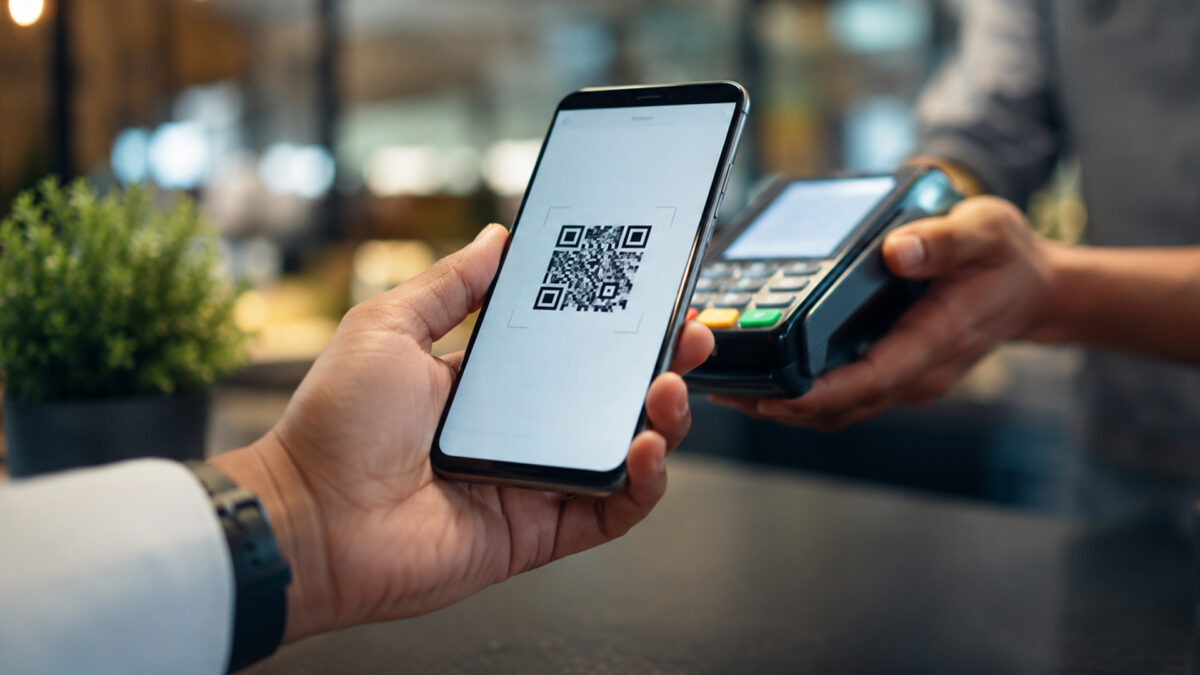
Over the years, however, smartphones, affordable internet access, QR codes and a rapidly expanding digital ecosystem helped UPI move into everyday life. Today, people use it for everything from buying groceries and paying utility bills to transferring money to family members and splitting restaurant bills.
The simplicity of the system has been one of its biggest strengths. Users can make instant bank-to-bank payments without needing to remember lengthy account details. This has helped make digital payments accessible not only to urban consumers but also to small merchants, street vendors and businesses across the country.
The government says UPI accounted for about 84% of India’s digital payments in 2025-26. The platform was processing an average of around 66 crore transactions a day in 2026, underlining how deeply digital payments have become embedded in daily economic activity.
The growth has continued even after reaching massive scale. Monthly UPI transactions crossed 2,300 crore for the first time in May 2026, when the system processed about 2,320 crore transactions.
The momentum continued in July, when UPI recorded a new monthly high of 2,366 crore transactions. The transaction value also touched a record ₹29.88 lakh crore during the month.
The banking network supporting UPI has expanded alongside usage. From 21 banks at the beginning, the number of banks live on the platform had reached 741 by July 2026. This expansion has helped make UPI increasingly interoperable and available across India‘s diverse banking ecosystem.
UPI’s influence is no longer restricted to India. According to government data, the platform accounted for nearly 49% of global real-time payment transaction volume in 2025, a figure recognised by the International Monetary Fund (IMF).
The system is also being used for cross-border digital payments. UPI is currently operational in 11 countries, including the United Arab Emirates, France, Bhutan, Sri Lanka, Nepal, Singapore, Mauritius, Qatar, Cambodia, Greece and the Maldives. This international expansion gives Indian travellers more opportunities to use familiar payment methods abroad while also increasing the global visibility of India’s digital public infrastructure.
UPI’s impact extends beyond the convenience of tapping a phone or scanning a QR code. Its rapid adoption has supported financial inclusion by making electronic payments available to people and businesses that may previously have depended heavily on cash.
For small merchants, digital payments can reduce the need to handle cash and make transactions quicker. For consumers, they offer convenience and a digital record of payments. For banks and fintech companies, UPI has created an open and interoperable platform around which a wider digital financial services ecosystem has developed.
The scale of adoption has also changed consumer expectations. Instant payments are now increasingly viewed as a normal part of everyday life rather than a specialised banking service.
The next phase of UPI is likely to focus on deeper adoption, international connectivity, financial inclusion and new digital financial services. With transaction volumes already running into billions every month, maintaining reliability, security and resilience will be just as important as increasing adoption.
UPI’s first decade has demonstrated that digital public infrastructure can operate at enormous scale while remaining relatively simple for users. Its journey from a platform supported by a handful of banks to one processing more than 24,000 crore transactions annually is therefore not just a story about payments.