
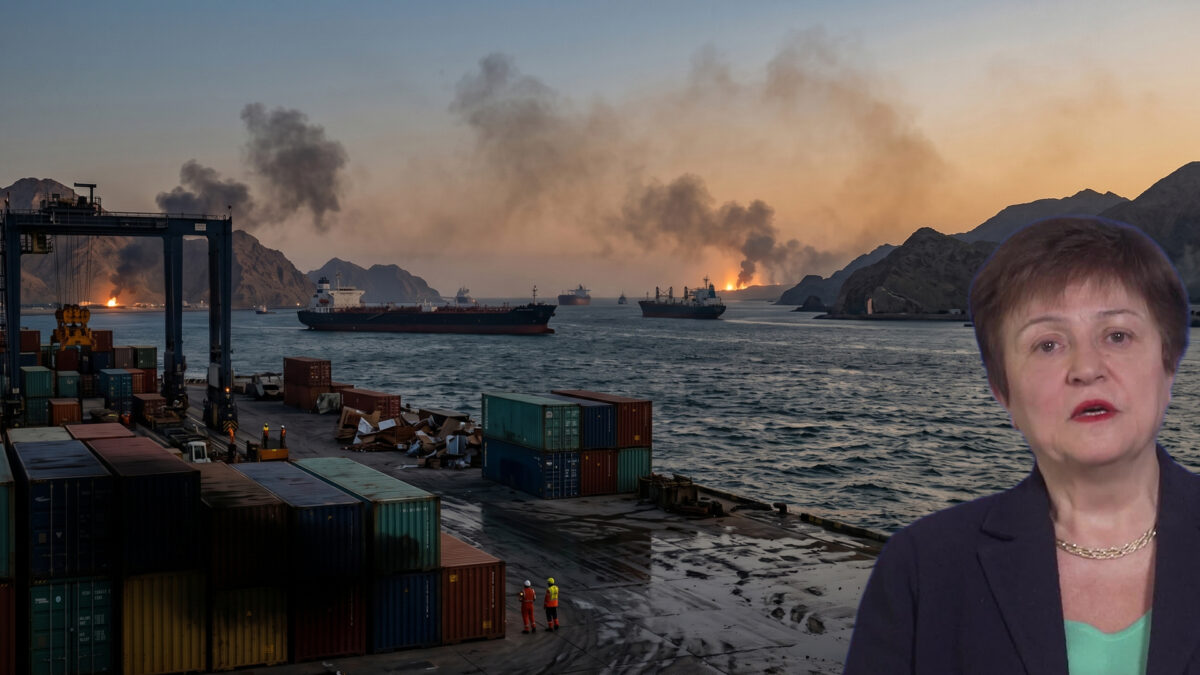
The global economy could face serious challenges if the Iran-related conflict continues, the International Monetary Fund (IMF) has warned. IMF Managing Director Kristalina Georgieva said the situation is already putting pressure on growth and could get significantly worse if tensions do not ease soon.
The IMF had earlier expected global growth to remain stable in 2026. However, the ongoing conflict is now creating uncertainty, especially through rising energy prices and disruptions in supply chains. If the situation continues, growth could slow more than expected, while inflation may rise further.
One of the biggest concerns is oil. The conflict has already affected oil supply, pushing prices higher. If prices continue to rise, it could make fuel, transport, and everyday goods more expensive across countries. This would increase the cost of living and put pressure on both households and businesses.
Georgieva also pointed out that even if there is a ceasefire, the economic effects will not disappear immediately. Shocks like rising oil and food prices tend to last longer and can continue to affect economies for months. This means countries may still face challenges even after tensions ease.
Another worry is global trade. Key shipping routes in the region could be disrupted, affecting the movement of goods and increasing costs. This could slow down economic activity further, especially for countries that depend heavily on imports and exports.
The IMF has advised governments to be cautious in how they respond. Measures like controlling fuel prices may offer short-term relief but could worsen supply issues if not handled carefully.
Also Read: Cognizant plans 15000 layoffs, India faces impact