
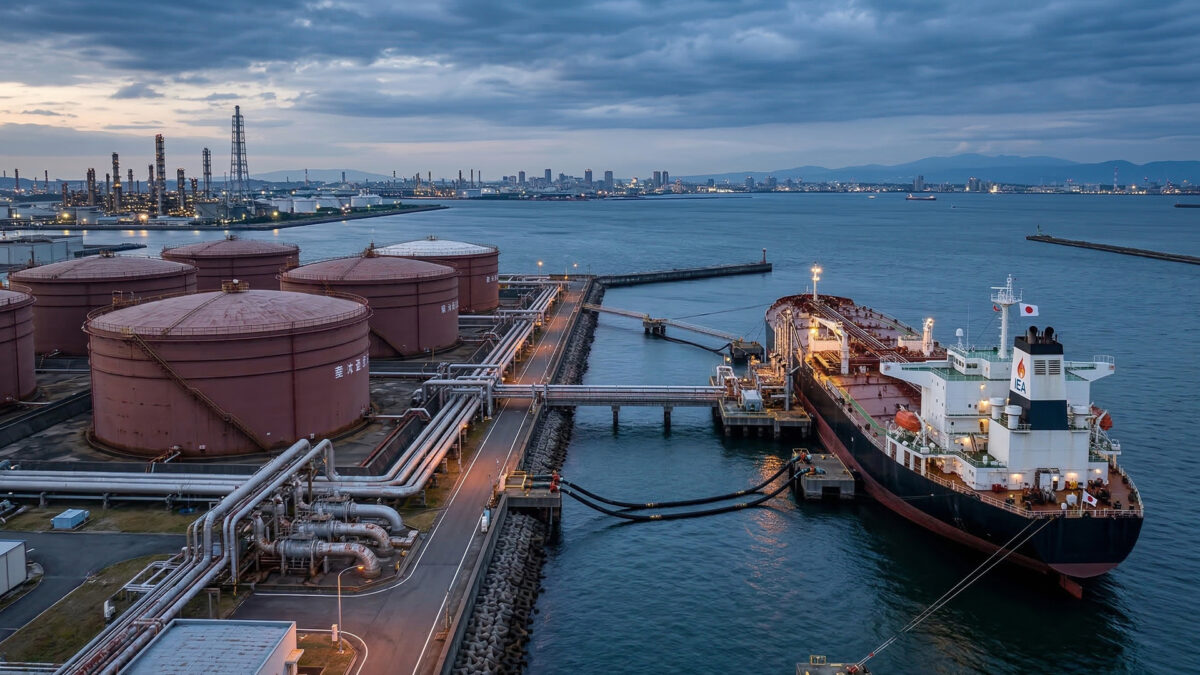
Japan has started releasing oil from its emergency reserves as rising tensions in the Middle East threaten global energy supplies. The decision comes amid fears that the ongoing war involving Iran could disrupt crude shipments and push fuel prices higher worldwide.
The Japanese government allowed oil refiners and trading companies to use part of their stockpiles after reducing the mandatory reserve requirement for private companies. The requirement was lowered from 70 days to 55 days, freeing up significant volumes of oil for immediate use.
Officials said the measure is intended to stabilise domestic fuel supplies and prevent shortages if imports are affected by the conflict. Japan relies heavily on imported oil, most of which comes from the Middle East.
The government is expected to release reserves in stages. Initially, part of the oil held by private companies will be made available to the market. Government-controlled reserves may also be released later if the supply situation worsens.
The move comes as concerns grow over disruptions to shipping routes in the region, particularly through the Strait of Hormuz. The narrow waterway is one of the world’s most important oil transit routes, with about one-fifth of global oil supply passing through it.
Any interruption to shipping in the strait could have serious consequences for global energy markets. Recent tensions and military activity in the region have already increased uncertainty about the safety of tanker movements.
Oil prices have surged amid the crisis, with markets reacting to fears of reduced supply. Several countries are closely monitoring the situation and considering measures to protect their energy security.
Energy experts say releasing strategic reserves can help reduce short-term supply pressure and calm markets. However, they warn that the step alone may not solve the problem if the conflict continues and transport routes remain unstable.
Japan maintains large emergency oil reserves specifically for situations such as natural disasters, supply disruptions or geopolitical crises. The current release is aimed at ensuring that industries, transport services and households continue to have stable access to fuel.
Also Read: Global oil prices jump over 2%