
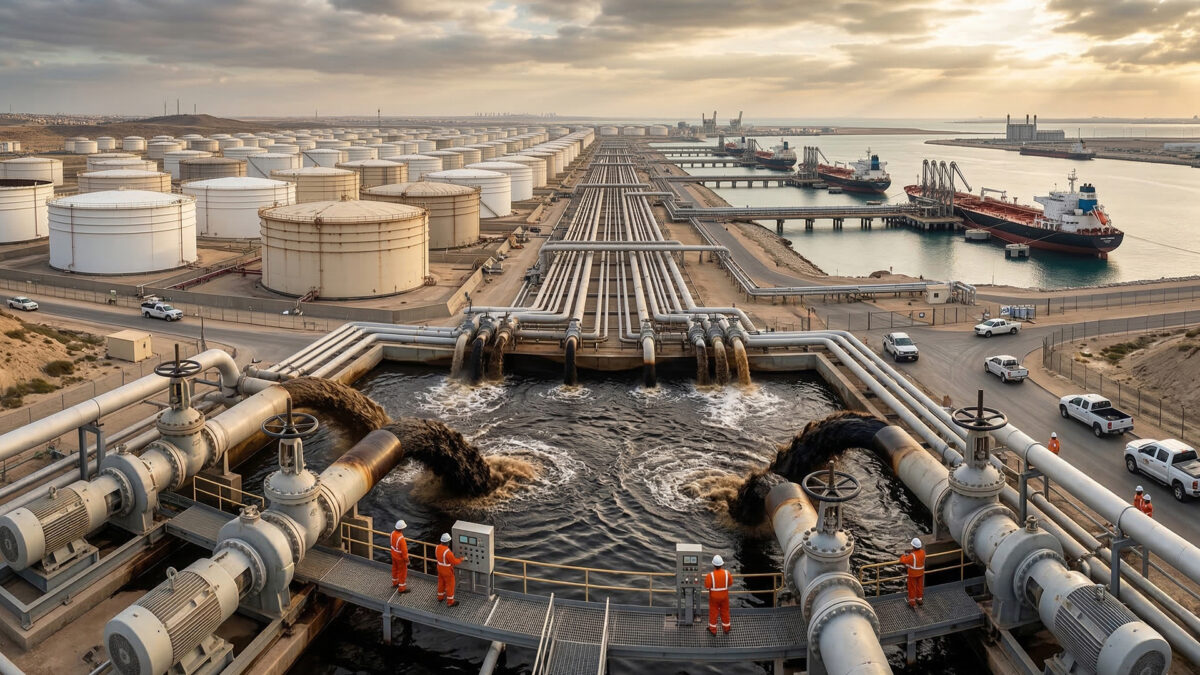
The International Energy Agency (IEA) has announced plans to release more than 400 million barrels of oil from emergency reserves into global markets in an effort to stabilise supplies and ease pressure on rising crude prices.
The decision comes at a time when the global oil market is facing significant uncertainty due to supply disruptions linked to escalating tensions in West Asia. These disruptions have particularly affected shipments through the Strait of Hormuz, one of the world’s most important oil transit routes through which a large share of global crude exports passes. Concerns over the safety of this route have pushed international oil prices sharply higher in recent weeks.
According to the Paris-based energy watchdog, IEA member countries have collectively committed about 411.9 million barrels of oil from their strategic reserves. Of this total, 271.7 million barrels will come from government-controlled reserves, while 116.6 million barrels will be supplied from industry stocks held under government obligations. Another 23.6 million barrels will be released from additional reserve sources.
The majority of the planned release, around 72 per cent, will consist of crude oil, while the remaining share will include refined petroleum products such as diesel and gasoline. The oil will be supplied in stages to ensure steady availability in the market.
The IEA stated that oil reserves from Asia and Oceania will begin entering the market immediately. Supplies from Europe and the Americas are expected to start flowing by the end of March, helping improve global availability of crude and fuel products.
IEA Executive Director Fatih Birol said the coordinated release is intended to counter one of the most serious disruptions to global oil supply in recent years. The move represents the largest emergency stock release coordinated by the IEA since the agency was established in 1974.
Energy analysts believe the additional supply could help calm volatile markets and moderate fuel prices in the short term. However, experts caution that the relief may be temporary if shipping disruptions in the Strait of Hormuz persist.
The IEA has previously coordinated similar emergency releases during major global crises, including the 1991 Gulf War, the 2011 Libya crisis, and the 2022 Russia-Ukraine conflict, when supply shocks threatened global energy stability.
Also Read: Gold at ₹1,59,650, Silver at ₹2,74,900