
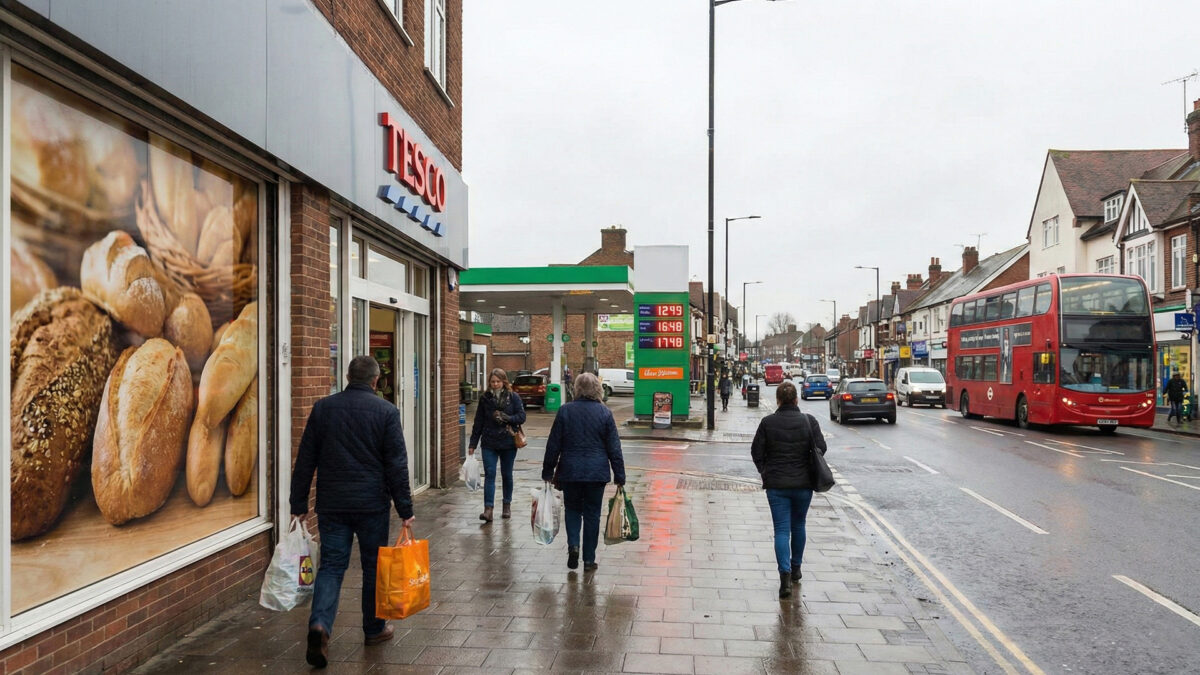
In a welcome break for millions of households, inflation in the United Kingdom has fallen to 3% in January, its lowest level in almost a year. The latest data from the Office for National Statistics shows that the sharp rise in everyday expenses is finally slowing, helped by cheaper fuel, lower airfares after the festive season and a gentler increase in food prices.
For families who have spent the past few years carefully balancing budgets, the change is more than just a number. Lower petrol prices mean less strain on commuting costs, while a slower rise in grocery bills offers some breathing space at the checkout. The easing of transport and food costs has been the biggest contributor to the overall decline in inflation.
The development has also sparked fresh optimism in financial markets. With price pressures cooling, expectations are growing that the Bank of England could begin cutting interest rates in the coming months. A reduction would be significant for homeowners facing high mortgage payments and for businesses struggling with expensive borrowing.
Yet, the picture is not entirely worry-free. Some underlying costs, especially in the services sector, are still rising faster than the central bank would like. This means policymakers are likely to move carefully, ensuring inflation continues to fall towards the 2% target before taking decisive action.
Economists believe inflation could edge closer to that goal by spring if global energy prices remain stable and wage growth cools. At the same time, signs of a softer job market are increasing the pressure on the central bank to support economic growth.
Also Read: Ashwini Vaishnaw opens WAVES Creators’ Corner at India Summit