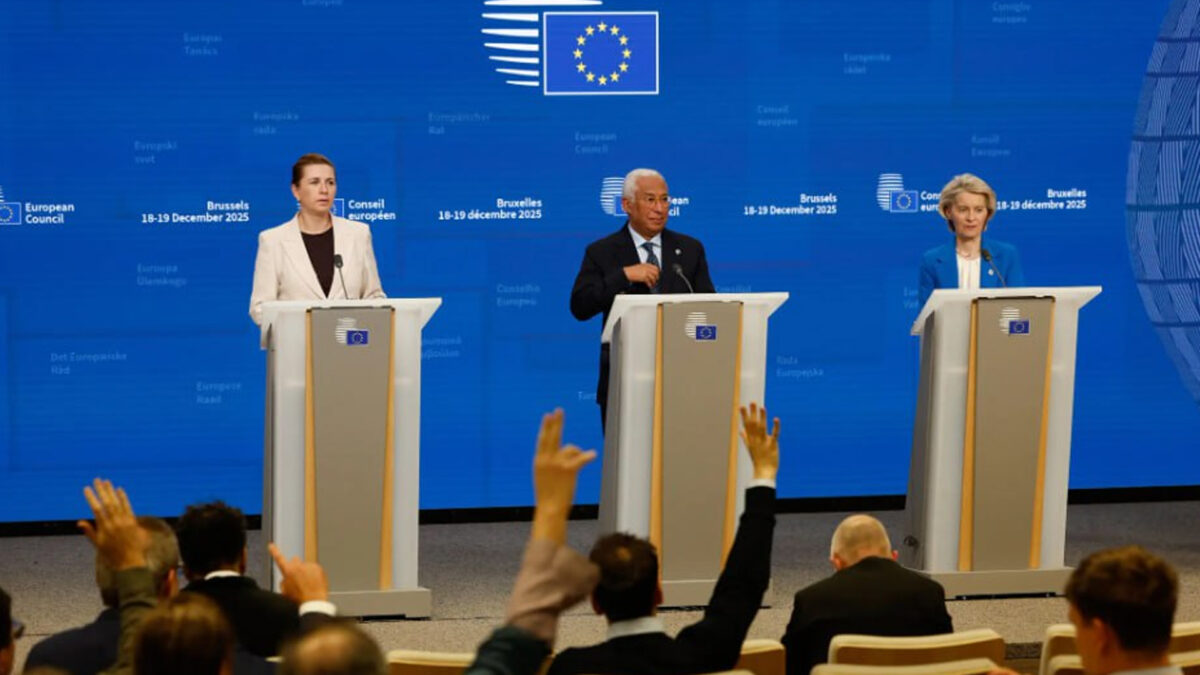
The European Union has agreed to provide Ukraine with a €90 billion financial support package, marking one of the largest commitments to Kyiv since the Russian invasion began. The decision, reached after intense negotiations among EU leaders, is aimed at helping Ukraine sustain its defence operations and government spending into 2026.
The package, structured as loans rather than grants, was agreed without tapping into frozen Russian state assets. Some EU member states had pushed to use the seized funds, arguing it was a practical source of financing. However, others raised concerns over legal hurdles and potential diplomatic fallout, leading to a compromise that excludes Russian assets.
European leaders described the deal as a critical signal of unity and continued support for Ukraine, but stressed that the implementation and transparency of fund disbursement will be essential. The agreement also reflects differing views among EU countries on fiscal responsibility, risk-sharing, and long-term aid strategies.
Ukrainian President Volodymyr Zelenskyy welcomed the EU decision but stressed that speed is crucial. “This support is vital, but timing is everything. Ukraine needs predictable and immediate aid to continue defending its people and economy,” he said. Ukrainian officials have repeatedly highlighted that delays in funding could affect both military operations and essential government services.
The EU loan is expected to provide short-term financial stability while negotiations continue over additional aid and post-war reconstruction. The formal approval by EU institutions and the coordination among member states will determine the pace of disbursement. EU officials emphasized that the funds must be delivered efficiently to have the intended impact, both for Kyiv’s defence needs and economic stability.
Also Read: The Bank of Japan raises rates to 30-year high