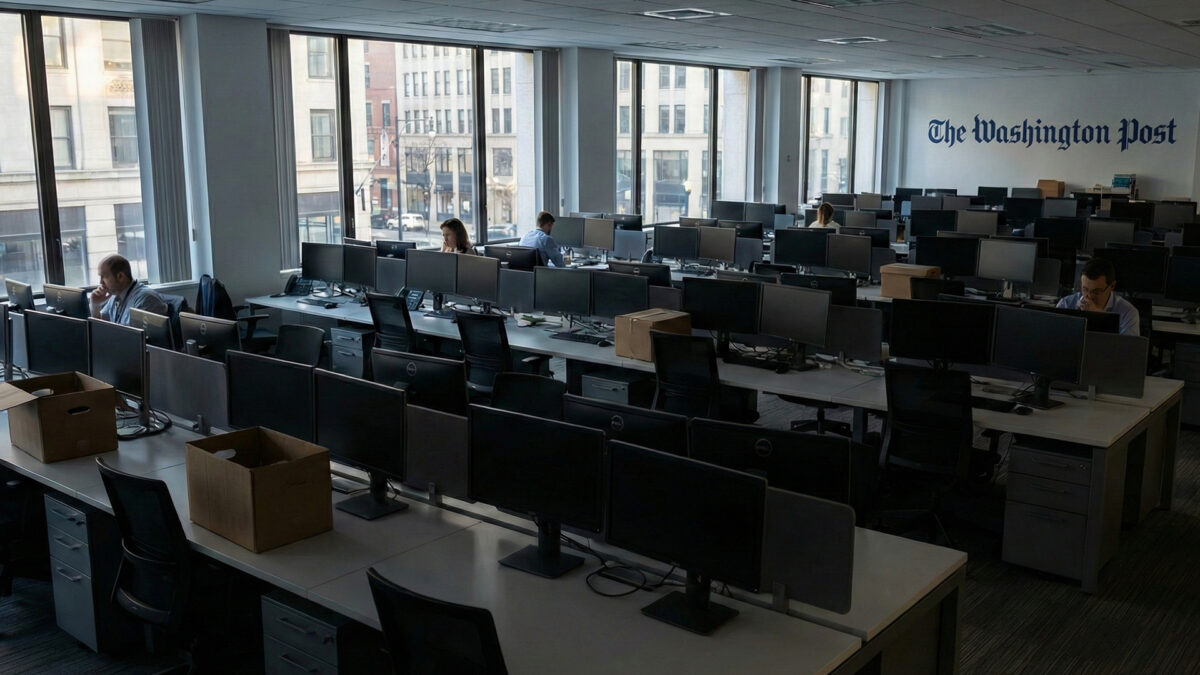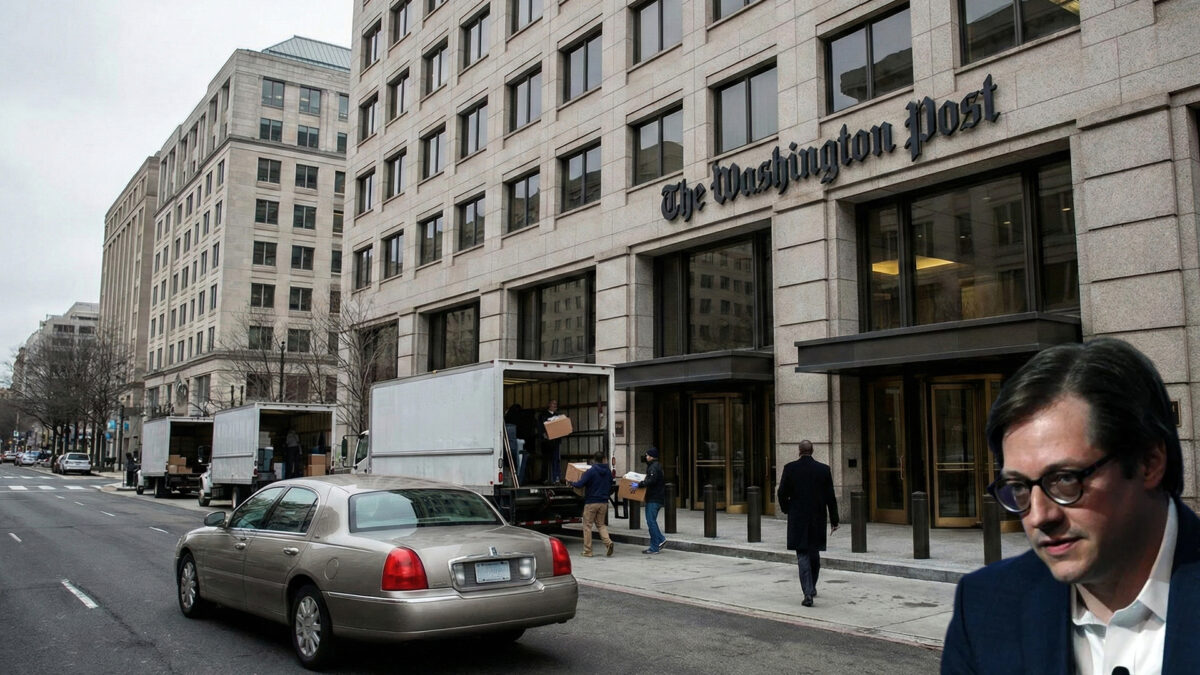
The Washington Post is navigating one of the most difficult phases in its recent history, marked by deep job cuts and a sudden change at the top. Jeff D’Onofrio has been appointed acting publisher and chief executive after Will Lewis stepped down, just days after the newspaper announced mass layoffs that affected more than 300 employees.
Lewis, who took charge in early 2024 after being appointed by owner Jeff Bezos, was brought in to stabilise the Post’s finances at a time when advertising revenues were falling and digital subscriptions were under pressure. He argued that the restructuring was essential to ensure the paper’s long-term survival in a rapidly changing media landscape.
However, the layoffs, estimated to impact nearly a third of the newsroom, sparked shock, anger, and fear among staff. Several well-known desks and teams were cut or sharply reduced, raising concerns about how the paper would maintain its journalistic depth and global coverage. Tensions escalated further when Lewis did not attend the internal meeting where the layoffs were announced, a move many employees viewed as distancing himself from the human cost of the decision.
In a message to staff announcing his departure, Lewis said it was the “right time to step aside” and defended the cuts as painful but necessary. His resignation was widely seen as a response to mounting internal backlash and public criticism over both the scale of the layoffs and how they were handled.
Stepping into the role on an interim basis, Jeff D’Onofrio, previously the Post’s chief financial officer, now faces the challenge of restoring confidence while keeping the organisation financially stable. D’Onofrio brings a strong business and digital background, with earlier roles at companies such as Google, Yahoo News, and Tumblr. In his first communication to staff, he acknowledged the distress caused by the layoffs and said rebuilding trust would be a priority.
Jeff Bezos thanked Lewis for his service and expressed confidence in D’Onofrio’s leadership. Yet, inside the newsroom, uncertainty remains high. Journalists and staff representatives are urging the management to protect editorial independence and invest in quality reporting, even as financial pressures persist.
The leadership transition showcases the broader struggle of legacy media organisations worldwide, as they try to balance economic survival with the core mission of journalism. For the Washington Post, the coming months under Jeff D’Onofrio’s interim leadership will be critical in shaping what the paper becomes next.
Also Read: India-US interim trade deal cheers stock markets