Categories
Leaders

Elon Musk fights EU over X platform fine

Elon Musk’s social media platform X (formerly Twitter) has been fined €120 million ($140 million) by the European Union, the first major penalty under the EU’s Digital Services Act (DSA). Regulators said X violated rules by allowing users to buy “blue checkmarks,” lacking transparency in advertising, and restricting researcher access to public data.

The “blue checkmark,” previously reserved for verified public figures, can now be purchased by anyone, which the EU says misleads users about authenticity. The EU also flagged X’s advertising practices for not being transparent, with unclear information about ad buyers and targeting. Researchers were reportedly blocked from accessing public data, limiting scrutiny of content and potential misuse.

Musk reacted strongly, calling the EU a “bureaucratic monster” and saying it “should be abolished.” His response reflects his frustration with regulatory oversight and his willingness to challenge global institutions.

Since acquiring Twitter, Musk has reshaped the platform, introducing paid verification, subscription services, and new content policies. These moves, while controversial, show his focus on rapid innovation and monetization. The EU fine challenges this approach but also highlights Musk’s risk-taking leadership style.

Experts say the fine is a warning to global tech companies that EU regulations will be strictly enforced. It also underscores the tension between international regulation and the fast-moving world of digital platforms. Musk’s defiance positions him as a leader ready to confront regulatory challenges while pursuing his vision for X.

This clash marks a defining moment for Musk and the platform, showing how global tech leadership now involves navigating legal, regulatory, and political pressures. As digital rules tighten worldwide, Musk’s bold approach to innovation and governance is likely to face more scrutiny, making him a central figure in shaping the future of social media and tech regulation.
Also Read: Chinese phone makers lure iPhone users with AI

Categories
Leaders

Elon Musk imagines a future where work is a choice

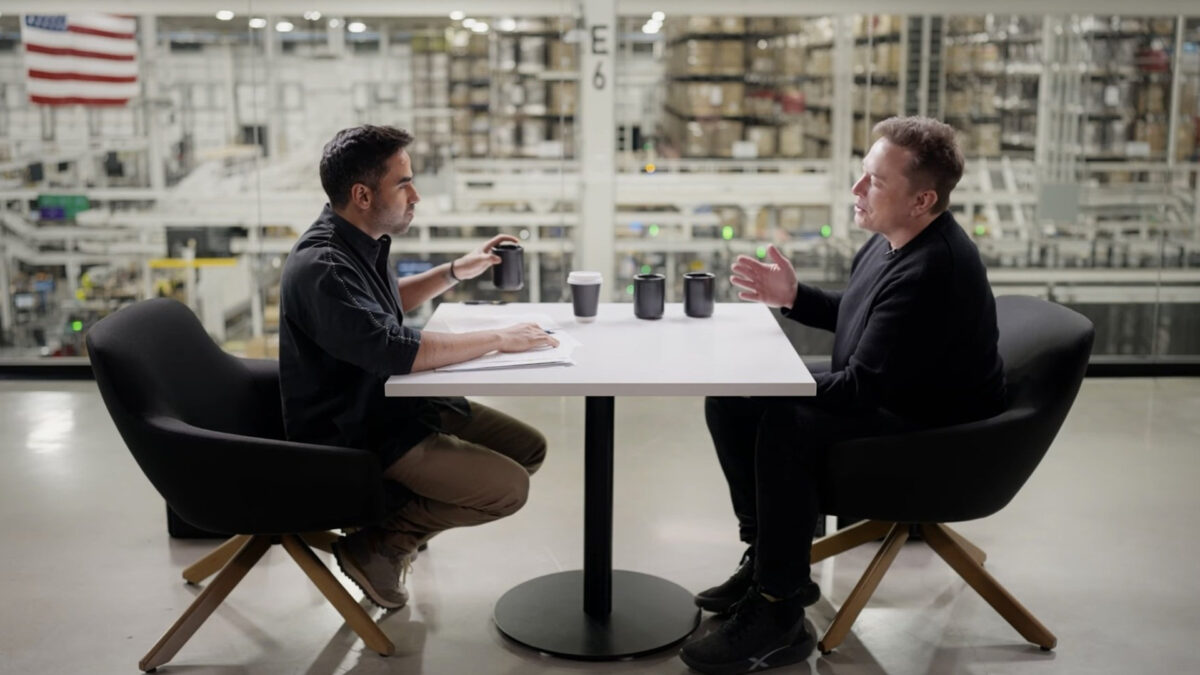
Elon Musk has once again pushed the conversation on the future of work into bold new territory. Speaking openly on Nikhil Kamath’s podcast, the Tesla and SpaceX chief painted a picture of a world where people wake up each day and choose to work, not because they must, but because they want to.

Musk believes rapid advances in artificial intelligence and robotics will soon be powerful enough to take over most routine and even skilled tasks. His timeline is striking: within just 10 to 20 years, he expects machines to generate the goods and services people need, making full-time jobs optional for many.

In Musk’s view, this shift could also transform the idea of money itself. If AI systems can produce almost everything at near-zero cost, traditional economic rules may no longer apply. “Work may become more like a hobby,” he suggested, something people would pursue for meaning, passion, or creativity instead of financial survival.

While his prediction sounds liberating, Musk acknowledged the transformations won’t be simple. Societies will need to rethink purpose, income models and the role of human contribution. But he remained optimistic that freeing people from compulsory labour could unlock a more creative, fulfilled world.

Also Read: Godrej Properties wins Hyderabad land for ₹4,150 cr project

Categories
Technology

Musk Plans Tesla ‘Terafab’ Chip Plant

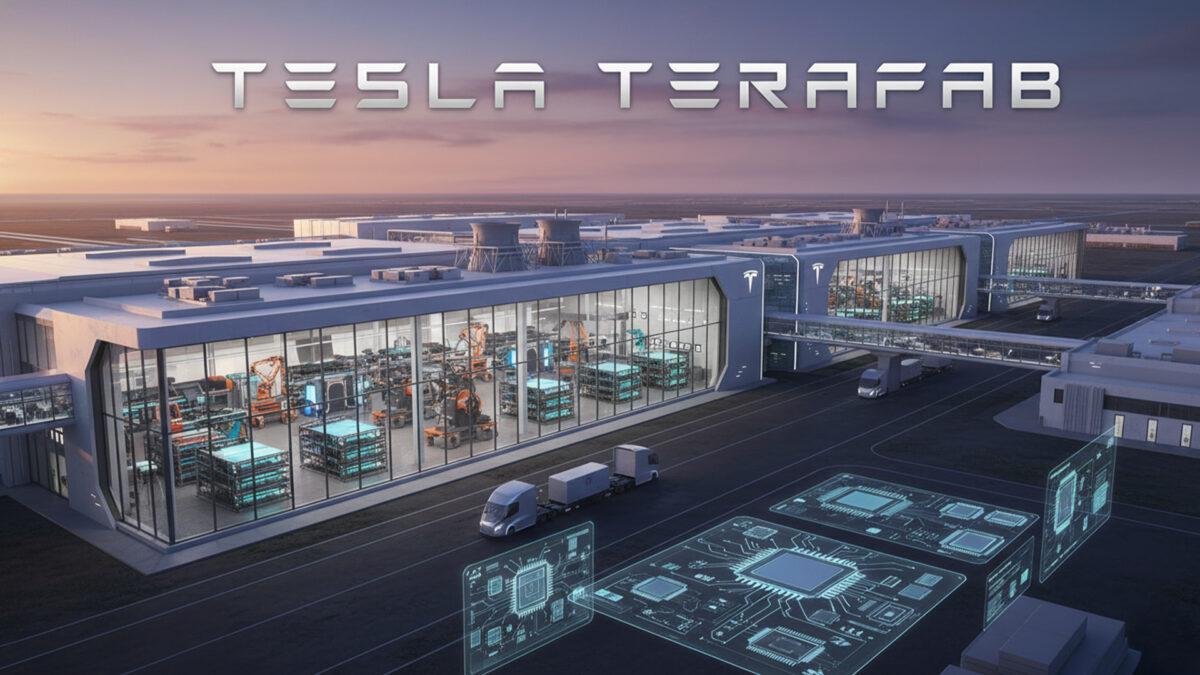
Tesla CEO Elon Musk has announced plans to build a massive factory to produce the company’s own artificial intelligence (AI) chips, as demand for computing power in self-driving cars and robotics continues to surge.

Speaking at Tesla’s annual shareholder meeting, Musk said the company may not be able to meet future chip requirements through its current suppliers, including Taiwan Semiconductor Manufacturing Company (TSMC) and Samsung. To fix that, Tesla is considering building what he called a “terafab”, a chip plant far larger than any existing “gigafactory.”

Musk said the proposed facility could handle at least 100,000 wafer starts per month, making it one of the world’s biggest semiconductor fabs. He added that Tesla is open to partnering with Intel for the project, saying it’s “worth having discussions” with the American chipmaker. No agreement has been finalised yet.

The move comes as Tesla develops its next-generation AI chip, known as “AI5,” expected to enter small-scale production in 2026 and mass production in 2027. A more advanced version, “AI6,” could follow in 2028 with double the performance. Musk claimed the new Tesla chip would consume one-third the power of NVIDIA’s flagship Blackwell chip and cost only 10% as much to make.

Industry experts have described Musk’s plan as bold but challenging, since building and running an advanced chip fab requires huge investment and expertise. Still, the idea has excited markets—Intel’s shares rose after Musk mentioned the potential tie-up.

At the same meeting, Tesla shareholders also approved Musk’s 10-year compensation plan, worth nearly $1 trillion, signalling continued investor confidence in the company’s long-term AI and robotics ambitions.

Also Read: India’s Top Philanthropists Give ₹10,380 Cr

Categories
Corporate

Tesla Shareholders Approve $1Trillion Musk Pay Package

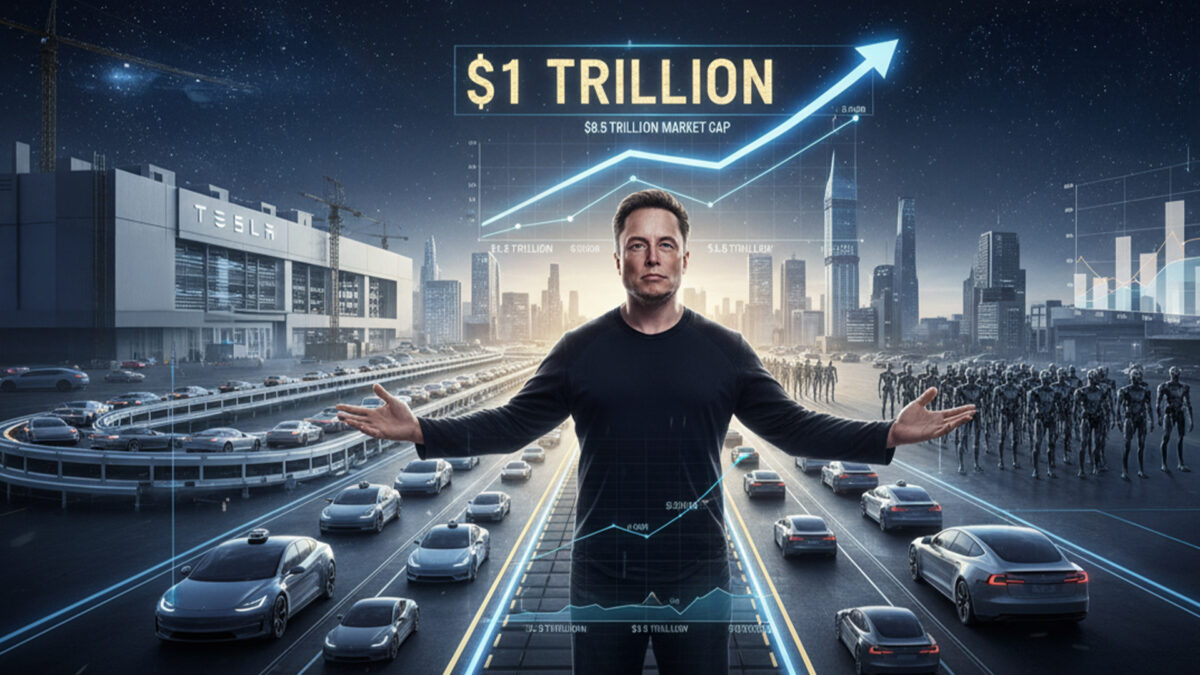
Tesla CEO Elon Musk is set to become the world’s first trillionaire after more than 75% of the company’s shareholders approved as much as $1 trillion in stock over the next decade.

Shareholders voted in favor of the proposal at Tesla, based in Austin, reaffirming their faith in Musk’s leadership and vision to transform the electric vehicle pioneer into a technology powerhouse focused on AI, robotics, and autonomous systems.

Under the approved plan, Musk will receive stock awards only if Tesla achieves a series of ambitious performance and market milestones over the next decade.

These include delivering 20 million electric vehicles, deploying 1 million self-driving robotaxis, selling 1 million humanoid robots, and generating $400 billion in core profit.

If all targets are achieved, Musk would gain roughly 12% of Tesla’s shares, worth about $878 billion after adjustments.

Shares of Tesla rose more than 3 percent in after-hours trading after the shareholder voted on Thursday.

Shareholders also backed Tesla’s potential investment in Musk’s AI startup, xAI, despite concerns over conflicts of interest. The partnership could enhance Tesla’s self-driving technology while providing xAI with a major commercial client.