Categories
Beyond

US soybean prices drop as Brazil boosts supply

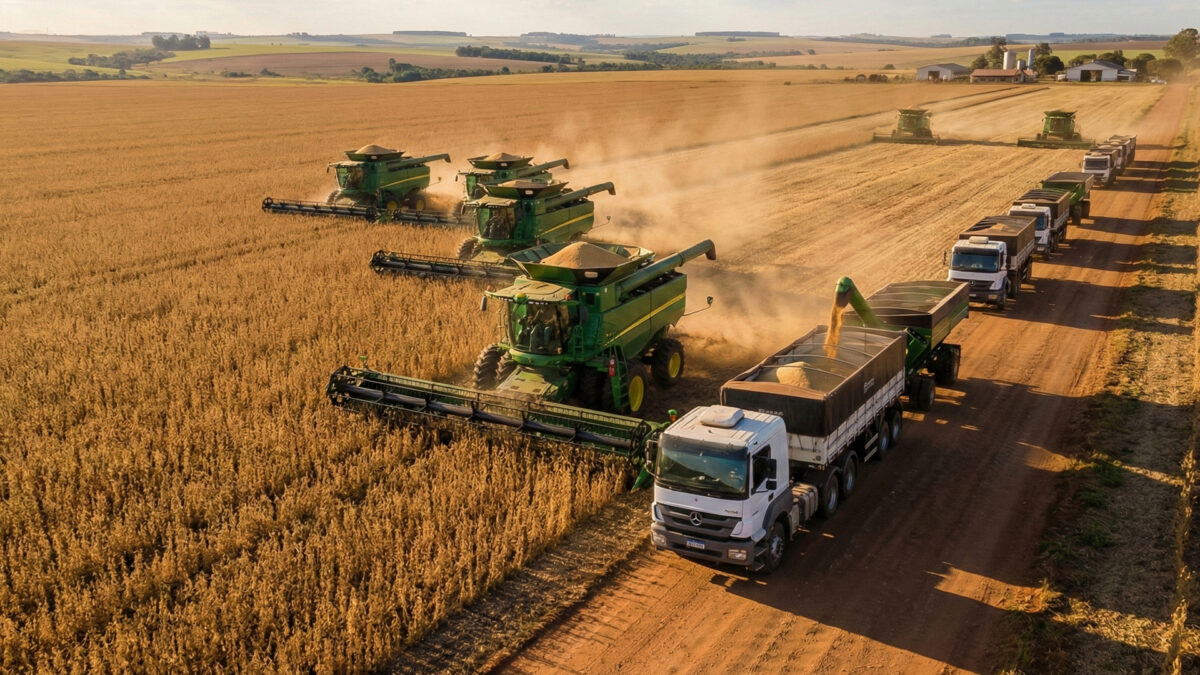
US soybean prices fell on Monday, stepping back from a recent rise that pushed them to multi-month highs. The main reasons were profit-taking by traders and an increasing supply from Brazil’s soybean harvest, which is putting downward pressure on global prices.

On the Chicago Board of Trade, the March soybean contract dropped from last week’s high of around $11.37 per bushel. Prices had jumped earlier after hints that China might buy more U.S. soybeans, which are a major export for American farmers.

However, China has not yet made large purchases. Brazilian soybeans are cheaper and more available, especially during their harvest season. This is making Chinese buyers prefer Brazilian soybeans over US supplies.

Brazil is expecting a record soybean crop this year, with strong exports already underway. These large supplies are reducing the need for China to buy more from the US, even with recent diplomatic talks encouraging sales.

US soybeans are still more expensive than Brazilian ones, which makes them less attractive for Chinese buyers, even though some small purchases have been made.

Other crops like corn and wheat also saw slight price drops, as there were no new factors to push prices higher.

Also Read: Trump’s chip tariffs may spare big tech, pressure TSMC
Categories
Beyond

US removes 200+ food tariffs, India, Brazil gain big

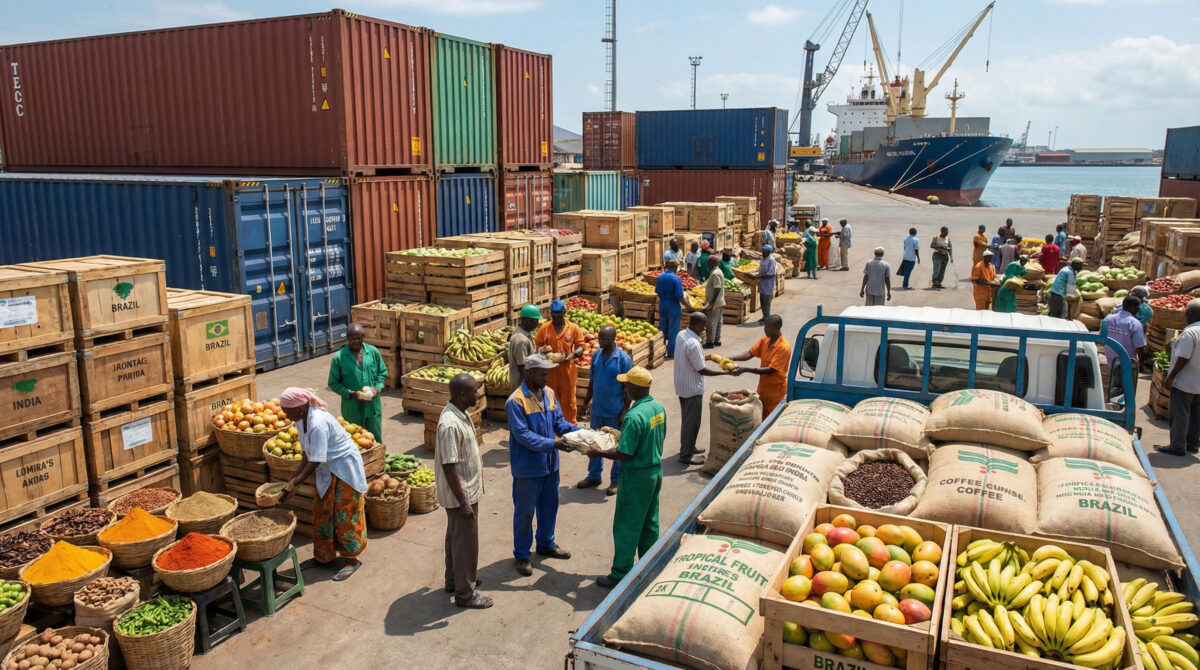
The US has lifted tariffs on more than 200 food and farm products in a major policy shift aimed at lowering grocery prices and improving food supply. The decision, approved by President Donald Trump and effective from November 13, removes duties on items such as tea, coffee, spices, nuts, fruits, vegetables, and processed foods.

For India, the move is a significant boost. Exporters of tea, coffee, spices, cashews, ready-to-eat foods, and certain fruits and roots are expected to gain the most. Industry estimates suggest that India could see additional export earnings of USD 2.5–3 billion as products that earlier faced higher tariffs now become more competitive in the country’s. market. Officials say the decision restores a fair trade environment after Indian goods were subjected to steep duties in recent years.

However, experts caution that India may not benefit equally across all categories. For example, items such as bananas, tomatoes, and juices, also covered under the tariff rollback, are sectors where India has limited export share. Exporters also point out that gains will depend on logistics, pricing, and the ability to meet strict US. food safety standards.

The tariff changes also offer relief to Brazil. Earlier this year, the US imposed heavy duties, up to 40 percent, on Brazilian beef, coffee, cocoa and tropical fruits. Those penalties have now been partially reversed. The rollback, which is retroactive, may even qualify Brazilian exporters for refunds on earlier shipments. While some tariffs remain on a few items, Brazilian officials have welcomed the decision as a positive step toward stabilizing trade ties with Washington.

For American consumers, the tariff removal is expected to help bring down food inflation, one of the key economic concerns in the US. The administration believes that cheaper imports will reduce pressure on household budgets in the coming months.

Also Read: Reliance halts Russian oil for Jamnagar export refinery