Categories
Beyond

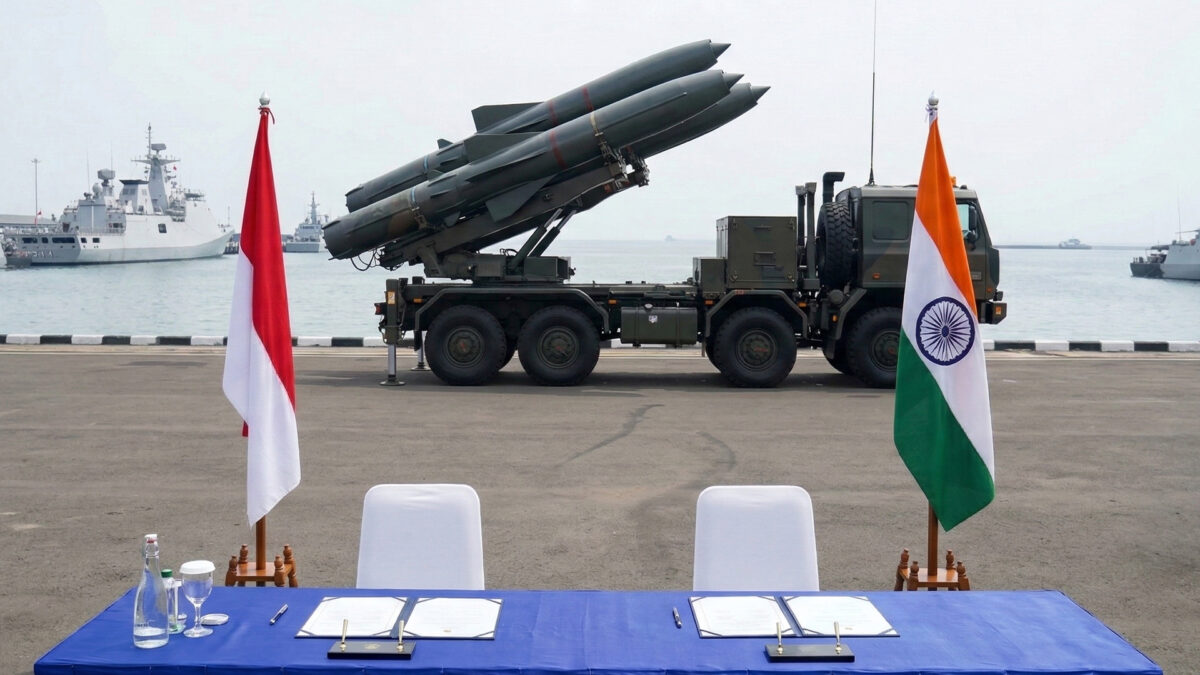
Indonesia signs BrahMos deal with India

Indonesia has taken a major step in modernising its armed forces by signing an agreement with India to procure the BrahMos supersonic cruise missile system. The deal highlights closer defence ties between the two nations and comes amid growing regional security concerns.

Indonesian Defence Ministry spokesperson Rico Ricardo Sirait confirmed the agreement, saying the country is investing in advanced military technology to strengthen its capabilities, particularly in the maritime domain.

The BrahMos missile, jointly developed by India’s Defence Research and Development Organisation (DRDO) and Russia’s NPO Mashinostroyeniya, is known for its speed and precision. Capable of flying at three times the speed of sound, it can be launched from land, sea, air, and submarines, making it a versatile addition to Indonesia’s defence arsenal.

Indonesia is now only the second foreign buyer of the BrahMos system, after the Philippines. This move reflects the growing interest among Southeast Asian countries in advanced military technology as they navigate complex regional security challenges and protect their maritime territories.

While the exact cost of the deal has not been publicly disclosed, earlier reports suggested a potential range of $200–350 million. Details on the delivery schedule and specific missile configurations are yet to be announced.

For India, exporting BrahMos is part of a broader effort to expand its defence manufacturing footprint globally, supporting initiatives like “Make in India” while strengthening strategic partnerships across Asia. The sale to Indonesia underscores India’s growing role as a trusted supplier of advanced defence technology.

For Indonesia, acquiring BrahMos is a significant boost to its ability to defend its archipelagic waters. Military experts say the missile’s speed and precision will enhance the country’s deterrence capability and provide a stronger shield for its vast maritime borders.

Also Read: G7 warns as oil tops $110
Categories
Beyond

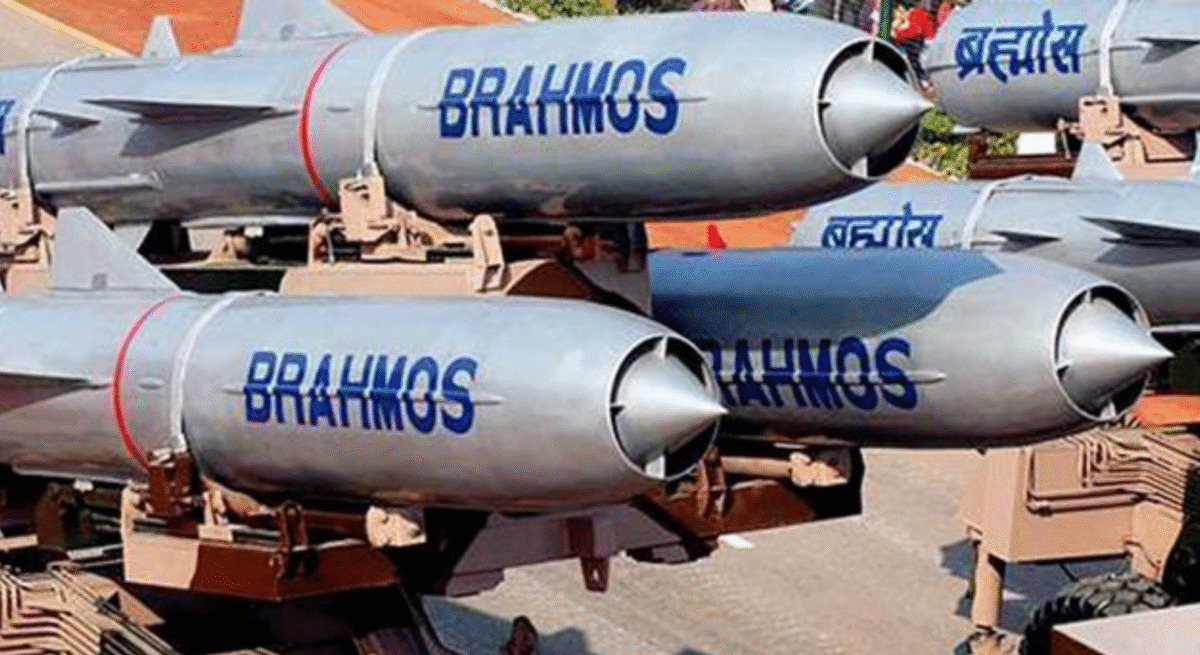
India, Indonesia near $450 mn BrahMos deal

India and Indonesia are moving a step closer to finalising a major defence deal involving the BrahMos supersonic cruise missile, following high-level talks in New Delhi on November 27. Defence Minister Rajnath Singh met Indonesia’s Defence Minister Sjafrie Sjamsoeddin, who was on an official visit to India, to review bilateral defence ties and discuss ongoing cooperation in the Indo-Pacific region.

According to officials, both sides have reached a “broad understanding” on the pricing of the proposed BrahMos sale, which is expected to be worth around $450 million. Singh also showed a model of the missile to the visiting minister as part of the discussions. If the deal is signed, Indonesia will become the second foreign customer of the BrahMos missile system after the Philippines, which secured a contract in 2022.

The talks reflect New Delhi’s growing emphasis on strengthening defence partnerships in the Indo-Pacific, especially with countries that share similar strategic concerns. India and Indonesia, both maritime nations with long coastlines and key sea lanes passing through their region, have been deepening military cooperation over the years.

During the meeting, the ministers reaffirmed their commitment to maintaining a free, open, stable and peaceful Indo-Pacific. They agreed to expand collaboration in several areas, including maritime security, cybersecurity, defence industry partnerships, and supply-chain resilience. Discussions also covered support for submarine maintenance, military healthcare collaboration, capability development, and logistics cooperation, areas seen as essential for long-term strategic alignment.

The BrahMos missile, jointly developed by India and Russia, is known for its precision, speed, and versatility. For Indonesia, acquiring BrahMos would significantly boost coastal defence and deterrence, particularly amid rising regional tensions.

The meeting marks an important step toward finalising the sale, though negotiations on technical and contractual details are expected to continue. Both governments view the potential deal as a symbol of growing trust and a shared vision for regional security.

Also Read: RBI tightens rules for safer digital banking