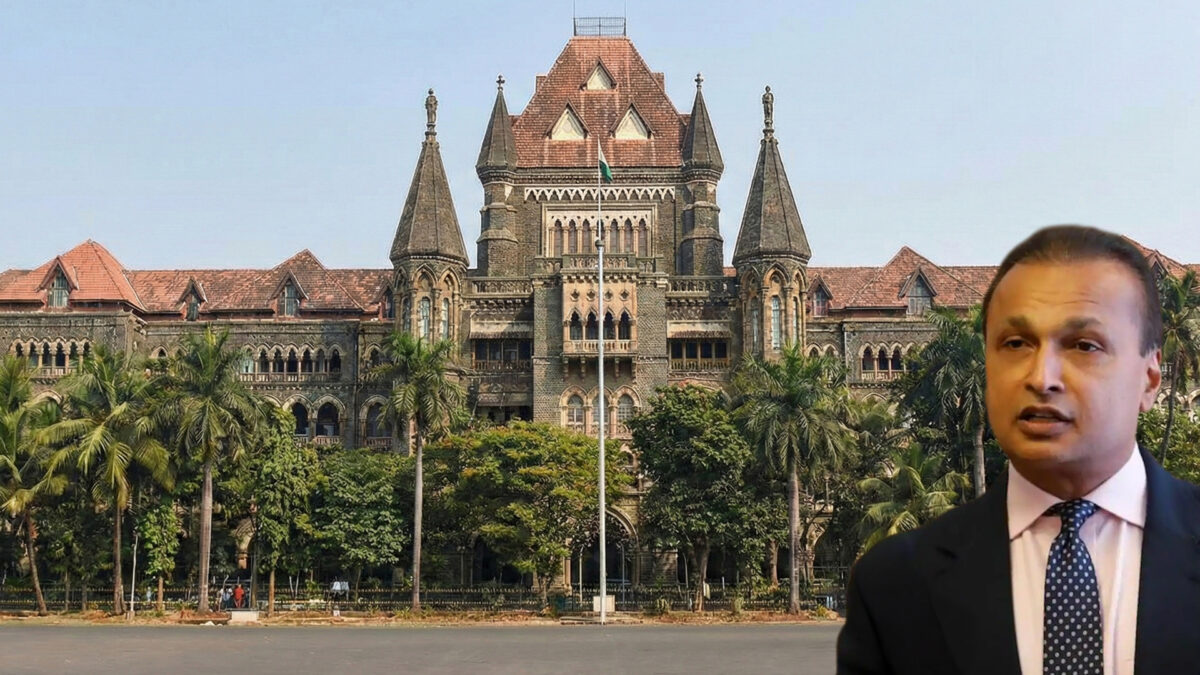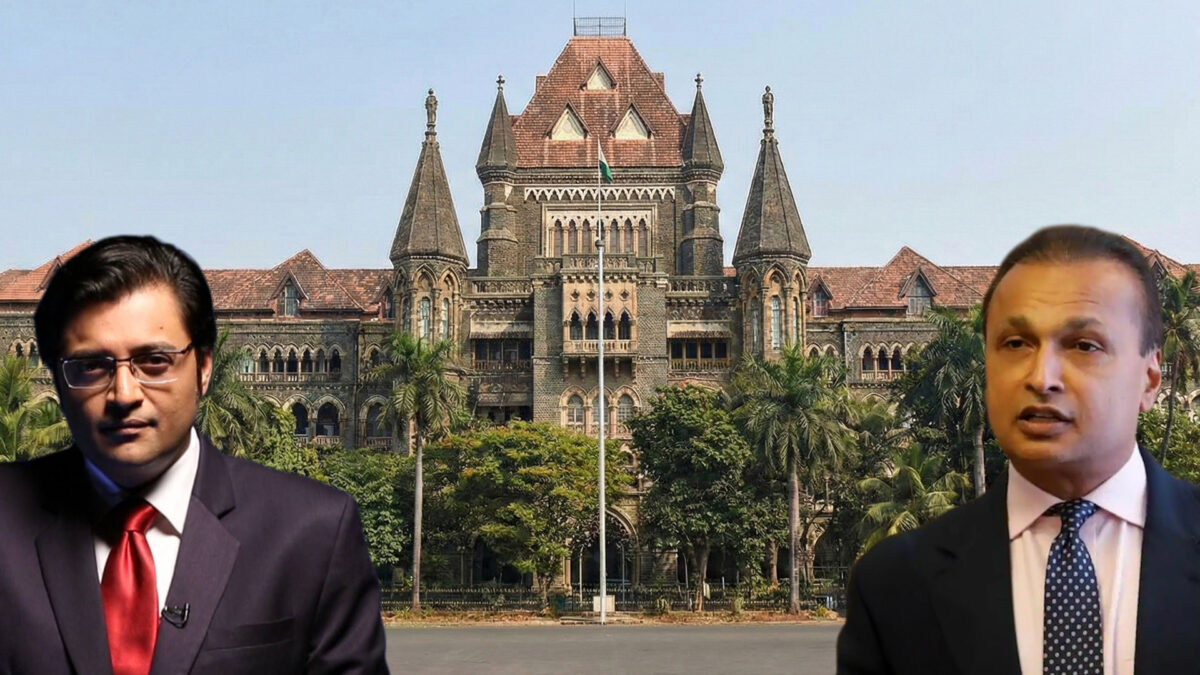
Industrialist Anil Ambani has filed a defamation case against journalist Arnab Goswami and his news channel Republic TV in the Bombay High Court, claiming that certain broadcasts harmed his personal reputation and business interests. Ambani is seeking ₹10,000 crore in damages, making it one of the largest defamation suits in recent years.
The suit alleges that Republic TV aired multiple reports portraying Ambani and his companies in a negative light, suggesting financial instability and wrongdoing without proper verification. Ambani’s legal team says the coverage went beyond legitimate journalism and caused significant harm to his public image.
The lawsuit names both Arnab Goswami and Republic TV as defendants. Ambani claims the allegedly defamatory content was repeatedly broadcast and reached a wide audience, amplifying its damaging effects. The petition also requests that the court issue orders preventing Republic TV from airing further material deemed defamatory until the matter is resolved.
Ambani’s lawyers contend that the channel violated journalistic standards and ethics by presenting unverified claims as facts. They argue that such reporting amounts to irresponsible media behaviour and undermines the credibility of both the media and the individuals targeted.
Republic TV has not yet filed a formal response in court. Legal experts note that the channel may defend its coverage as fair comment on matters of public interest. Defamation cases involving public figures often balance freedom of the press with the protection of individual reputation, and this case is expected to explore those issues in detail.
In India, courts require plaintiffs in defamation cases to show that statements were false, caused harm, and were made with negligence or malice. Ambani’s substantial claim reflects both alleged financial losses and the importance he places on restoring his public image.
The Bombay High Court will now review the petition and consider interim reliefs, which could limit Republic TV’s reporting on Ambani while the case proceeds. Both sides are expected to debate the limits of media freedom versus individual reputation rights.
Also Read: 12 tonnes of KitKat stolen in Europe transit