
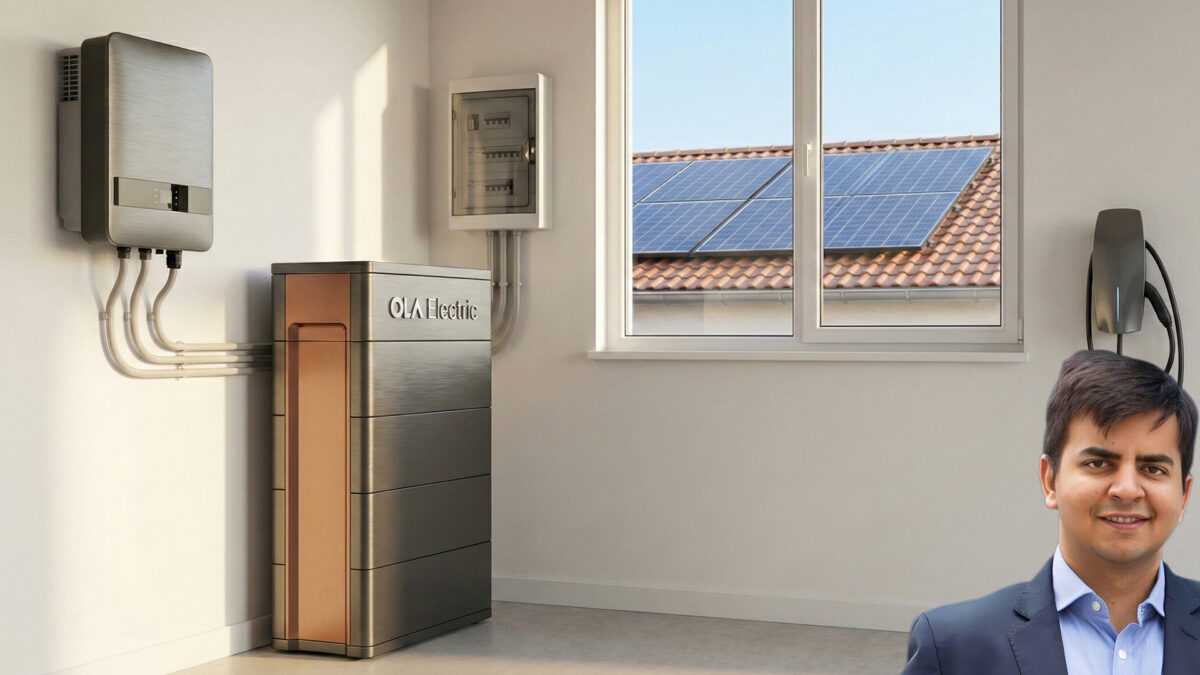
Bhavish Aggarwal, co‑founder and CEO of Ola Electric, has sold part of his personal shareholding to fully repay a ₹260 crore promoter-level loan and release pledged shares, according to company filings and exchange data. This one-time bulk sale was aimed at strengthening promoter finances and boosting investor confidence.
On December 16, 2025, Aggarwal sold around 2.6 crore equity shares of Ola Electric at an average price of ₹34.99 per share, raising roughly ₹92 crore. Prior to the sale, he held about 30.02 percent of the company. After the transaction, his stake has reduced slightly, but promoter control remains intact.
Ola Electric clarified that the sale was a personal stake monetisation and does not dilute the promoter’s long-term commitment to the company. Once the ₹260 crore loan is repaid, all previously pledged shares, around 3.93 percent of the company, will be released, removing a key source of market risk and volatility.
The company emphasized that this step aligns with Aggarwal’s objective of operating without leverage at the promoter level. Post-sale, the promoter group’s total holding in Ola Electric is expected to remain around 34 percent, maintaining a strong controlling interest compared to other new-age listed firms.
The bulk sale comes amid a challenging period for Ola Electric, which recently saw a decline in electric two-wheeler sales. In November 2025, the company slipped to fourth place in India’s electric two-wheeler market, with registrations falling compared with the previous month.
The market reacted to the transaction with heightened attention, as investors assessed its implications for share stability and long-term company governance. Analysts note that reducing promoter pledges is generally seen positively, signaling a lower financial risk at the promoter level and improved confidence for shareholders.
By repaying the ₹260 crore debt and removing pledged shares, Aggarwal aims to demonstrate financial prudence and reinforce Ola Electric’s commitment to sustainable growth, while keeping control firmly with the promoter group.