Categories
Corporate

Meta–AMD seal AI chip deal

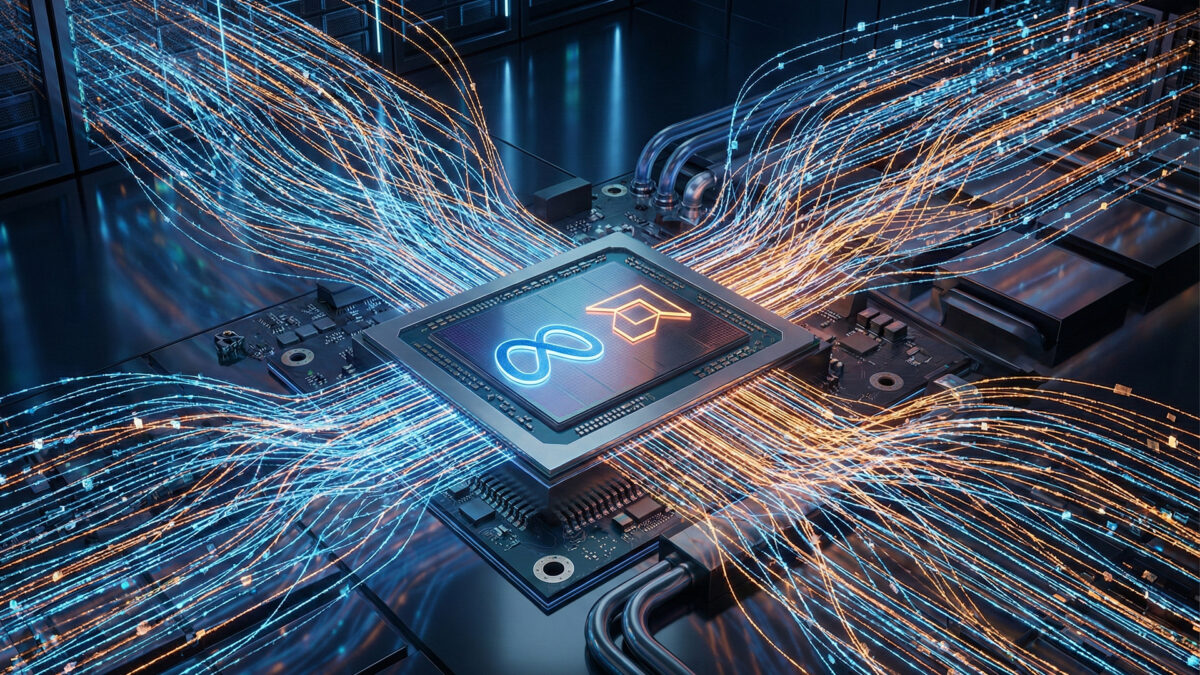
Meta has signed a major long-term agreement with semiconductor firm AMD to supply advanced artificial intelligence (AI) chips for its growing data-centre operations, marking a significant shift in the social media giant’s hardware strategy. The deal is expected to reduce Meta’s heavy dependence on Nvidia, currently the dominant supplier of AI processors.

Under the partnership, AMD will provide its latest AI accelerators and supporting infrastructure, which will be used to train and run large-scale AI models across Meta’s platforms, including Facebook, Instagram and WhatsApp. The move comes as the company rapidly expands its AI capabilities for content recommendations, advertising, generative AI tools and its metaverse projects.

Meta has been investing billions of dollars in AI infrastructure, and chip costs have become one of its biggest expenses. By diversifying its suppliers, the company aims to improve efficiency and gain stronger bargaining power in a market where demand for high-performance AI hardware has surged.

For AMD, the agreement represents a major opportunity to challenge Nvidia’s dominance in the fast-growing AI chip sector. The company has been positioning its latest processors as a competitive alternative, focusing on performance, energy efficiency and open software ecosystems that allow customers greater flexibility.

The announcement comes at a time when investors are closely watching whether the massive spending on AI infrastructure will translate into long-term revenue growth.

The deal is expected to roll out over several years, with AMD’s chips gradually integrated into Meta’s global data-centre network. Both companies said the partnership would help accelerate innovation and support the next generation of AI-driven services.

Also Read: Paramount enters Warner Bros. deal race against Netflix
Categories
Corporate

AMD unveils new AI, PC chips at CES, Las Vegas

Advanced Micro Devices (AMD) has announced a new range of chips for artificial intelligence, data centres and personal computers at the Consumer Electronics Show (CES) 2026 in Las Vegas, outlining an aggressive roadmap to strengthen its position in the fast-growing AI market.

At the centre of the announcement was the MI455 AI accelerator, part of AMD’s Instinct GPU portfolio, designed for large-scale data-centre and high-performance computing workloads. The chip will be deployed in advanced AI computing racks and is already being supplied to key customers, including OpenAI. AMD also introduced the MI440X, a version aimed at enterprise clients that want to run AI workloads within their own data centres rather than relying on cloud-scale infrastructure.

AMD chief executive Lisa Su also previewed the upcoming MI500 series, expected to launch in 2027. According to the company, these future accelerators are being designed to deliver up to 1,000-fold performance gains over earlier generations, highlighting AMD’s long-term push to compete more strongly in AI hardware.

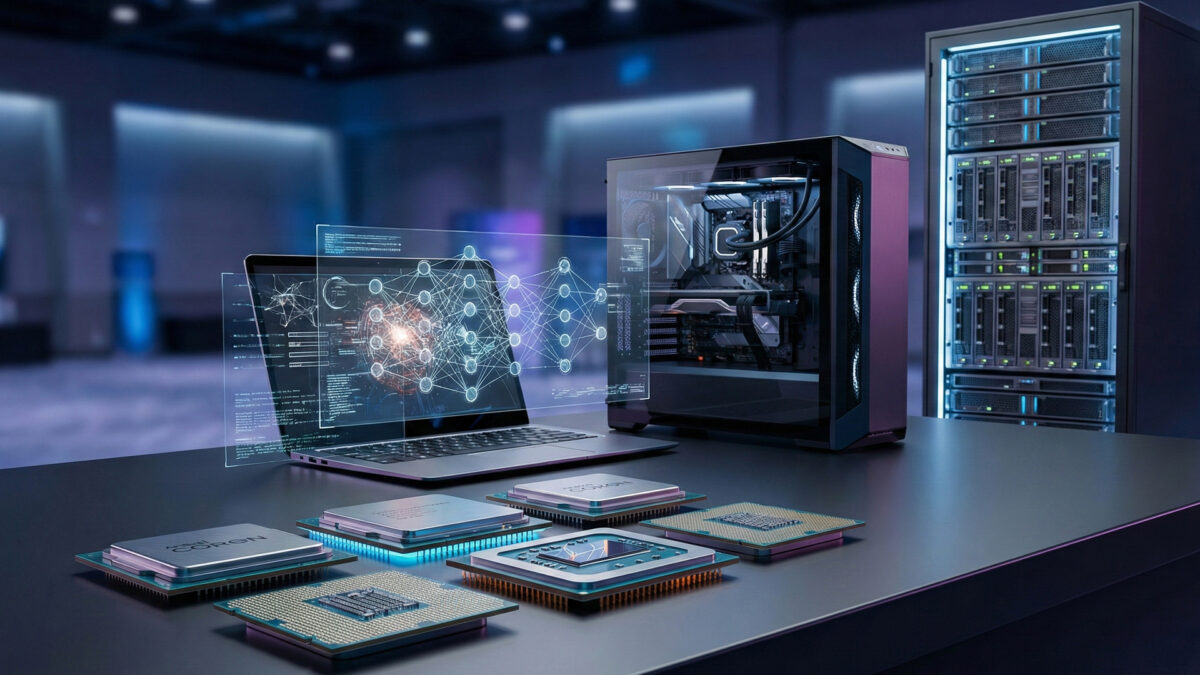
For personal computers, AMD expanded its AI-focused offerings with the launch of the Ryzen AI 400 Series processors. These chips include built-in neural processing units (NPUs) that allow laptops and desktops to run AI tasks locally, such as real-time translation, image generation and productivity tools. The processors support Microsoft’s Copilot+ PC platform and will be used across consumer and commercial devices.

The company also showcased Ryzen AI Max+ chips for thin-and-light systems, aimed at users who need strong graphics performance alongside on-device AI capabilities. In addition, AMD announced the Ryzen AI Halo mini-PC platform, targeted at developers working on AI models and applications, offering high memory capacity and local AI compute power.

In the gaming segment, AMD unveiled the Ryzen 7 9850X3D processor, built on its Zen 5 architecture with enhanced cache technology to deliver improved gaming performance.

With partners expected to begin shipping systems based on the new chips in 2026, AMD’s CES announcements underline its strategy to expand across AI infrastructure, enterprise computing and next-generation PCs, even as competition in the semiconductor industry continues to intensify.

Also Read: HDFC AMC launches ₹2500 crore credit fund