
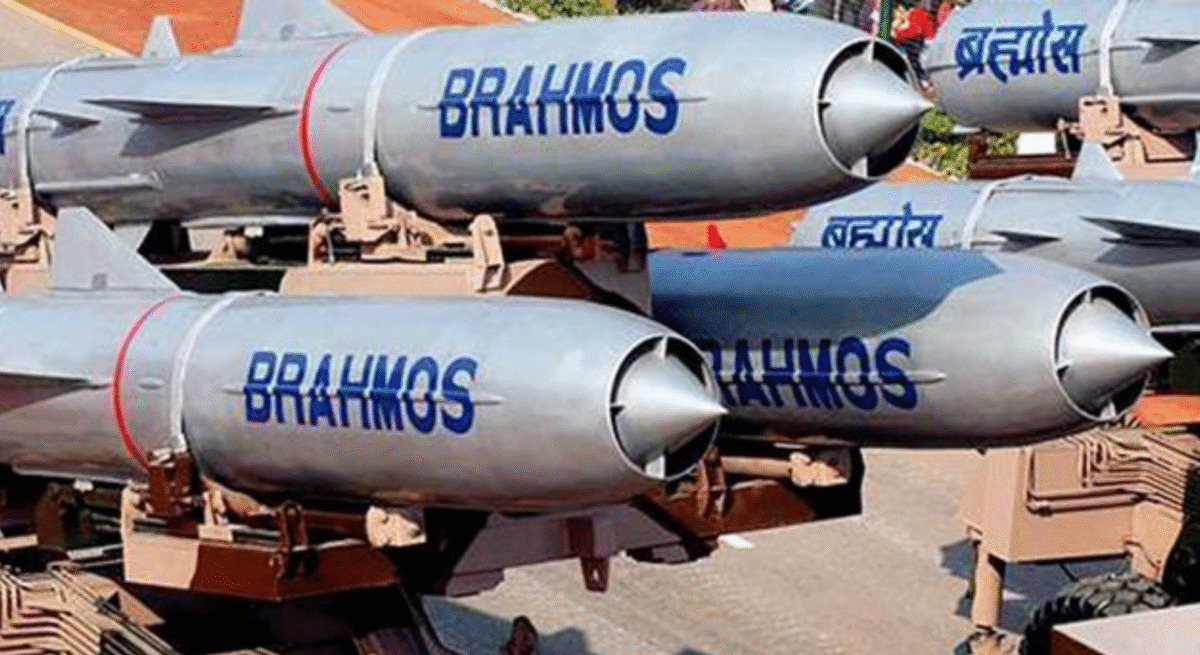
India and Indonesia are moving a step closer to finalising a major defence deal involving the BrahMos supersonic cruise missile, following high-level talks in New Delhi on November 27. Defence Minister Rajnath Singh met Indonesia’s Defence Minister Sjafrie Sjamsoeddin, who was on an official visit to India, to review bilateral defence ties and discuss ongoing cooperation in the Indo-Pacific region.
According to officials, both sides have reached a “broad understanding” on the pricing of the proposed BrahMos sale, which is expected to be worth around $450 million. Singh also showed a model of the missile to the visiting minister as part of the discussions. If the deal is signed, Indonesia will become the second foreign customer of the BrahMos missile system after the Philippines, which secured a contract in 2022.
The talks reflect New Delhi’s growing emphasis on strengthening defence partnerships in the Indo-Pacific, especially with countries that share similar strategic concerns. India and Indonesia, both maritime nations with long coastlines and key sea lanes passing through their region, have been deepening military cooperation over the years.
During the meeting, the ministers reaffirmed their commitment to maintaining a free, open, stable and peaceful Indo-Pacific. They agreed to expand collaboration in several areas, including maritime security, cybersecurity, defence industry partnerships, and supply-chain resilience. Discussions also covered support for submarine maintenance, military healthcare collaboration, capability development, and logistics cooperation, areas seen as essential for long-term strategic alignment.
The BrahMos missile, jointly developed by India and Russia, is known for its precision, speed, and versatility. For Indonesia, acquiring BrahMos would significantly boost coastal defence and deterrence, particularly amid rising regional tensions.
The meeting marks an important step toward finalising the sale, though negotiations on technical and contractual details are expected to continue. Both governments view the potential deal as a symbol of growing trust and a shared vision for regional security.
Also Read: RBI tightens rules for safer digital banking