Categories
Corporate

Ola Electric Gains Strategic Edge with PLI Certification for Gen-3 Scooters

Ola Electric Gains Strategic Edge with PLI Certification for Gen-3 Scooters

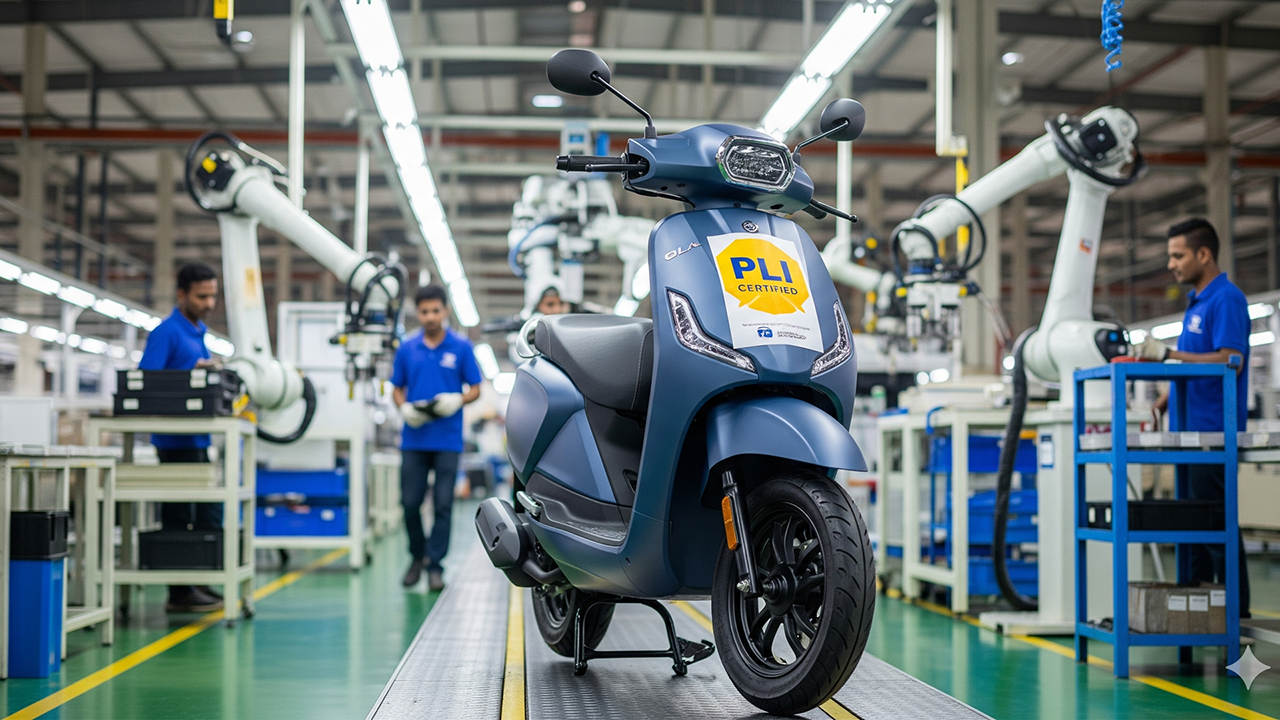
Ola Electric’s Gen 3 scooters, including popular models like the S1 Pro, S1 Air, and S1 X, are among the highest-selling EV two-wheelers in India.
Staff Writer

Ola Electric, India’s leading electric two-wheeler manufacturer, has received certification for its Gen 3 electric scooters under the Indian government’s Production Linked Incentive (PLI) scheme for the automobile and auto component sector. This certification, granted by the Ministry of Heavy Industries, makes Ola Electric eligible for financial incentives aimed at accelerating domestic electric vehicle (EV) manufacturing and adoption.

The PLI scheme, announced in 2021 with a total outlay of ₹25,938 crore, is designed to encourage advanced automotive technology manufacturing in India, particularly in the EV space. By securing this certification, Ola Electric joins a select group of Indian manufacturers that meet the scheme’s stringent eligibility criteria, including significant domestic value addition, localization of key components, and adherence to advanced automotive technology standards.

Ola Electric’s Gen 3 scooters, including popular models like the S1 Pro, S1 Air, and S1 X, are among the highest-selling EV two-wheelers in India, contributing to the company’s dominant market share of over 40 percent. The certification is expected to strengthen the company’s growth trajectory by making its products more cost-competitive and allowing it to pass on benefits to customers through pricing adjustments or added features.

Bhavish Aggarwal, founder and CEO of Ola Electric, hailed the certification as a significant milestone in the company’s mission to accelerate India’s transition to sustainable mobility. “The PLI certification not only validates our manufacturing capabilities and localization efforts but also reinforces our vision to make India a global hub for EV innovation. This will enable us to further scale production and deliver cutting-edge technology at accessible price points,” Aggarwal said in a statement.

Ola Electric has invested heavily in its Futurefactory in Krishnagiri, Tamil Nadu, which is one of the world’s largest two-wheeler manufacturing facilities. The company has been focusing on vertically integrating key components such as motors, battery packs, and electronics to enhance quality control and reduce costs.

Industry experts believe this recognition under the PLI scheme will further solidify Ola Electric’s leadership position and encourage other players to accelerate localization efforts. The certification also aligns with India’s broader goal of electrifying 30 percent of all vehicles sold by 2030.

With this approval, Ola Electric is expected to ramp up production, expand its portfolio with new models, and strengthen its battery manufacturing plans. The company is also preparing for an initial public offering (IPO), which is expected to raise significant capital for future growth.
Categories
Corporate

Maruti Suzuki to Invest ₹70,000 Crore in India, Launches First EV e-Vitara

Maruti Suzuki to Invest ₹70,000 Crore in India, Launches First EV e-Vitara

The company’s investment will also go into building a new manufacturing plant in Kharkhoda, Haryana

Staff Writer

Maruti Suzuki India Ltd (MSIL), the country’s largest carmaker, has announced an ambitious investment plan of ₹70,000 crore over the next five to six years to ramp up production capacity, strengthen its electric vehicle (EV) portfolio, and enhance its manufacturing infrastructure. The announcement marks a historic step for the company, which also flagged off its first-ever electric SUV, the e-Vitara, as part of its transition toward cleaner mobility solutions.

The investment plan is aimed at bolstering Maruti Suzuki’s position in India’s rapidly evolving automobile market, where the push for electrification and sustainability is reshaping the industry. The company said the capital will be allocated to setting up new manufacturing facilities, expanding production capacity, and developing EV technology, batteries, and related infrastructure. This move is part of parent company Suzuki Motor Corporation’s broader strategy to make India a global hub for EV production and exports.

Maruti Suzuki’s Chairman R.C. Bhargava stated that this is one of the largest investments by the company to date and reflects its commitment to future-ready mobility solutions. The company has set an ambitious goal to produce around one crore vehicles annually by 2030, of which a substantial portion will include EVs and hybrids. The company is also investing in developing a comprehensive charging network to support the rollout of its EV portfolio.

The launch of the e-Vitara marks Maruti Suzuki’s official entry into the EV segment, a space where rivals such as Tata Motors, Mahindra & Mahindra, and Hyundai have already made significant inroads. The e-Vitara will be manufactured at the company’s Gujarat plant and is expected to be available for sale by 2025. The model will feature advanced battery technology and connected car solutions, reflecting Maruti Suzuki’s emphasis on innovation.

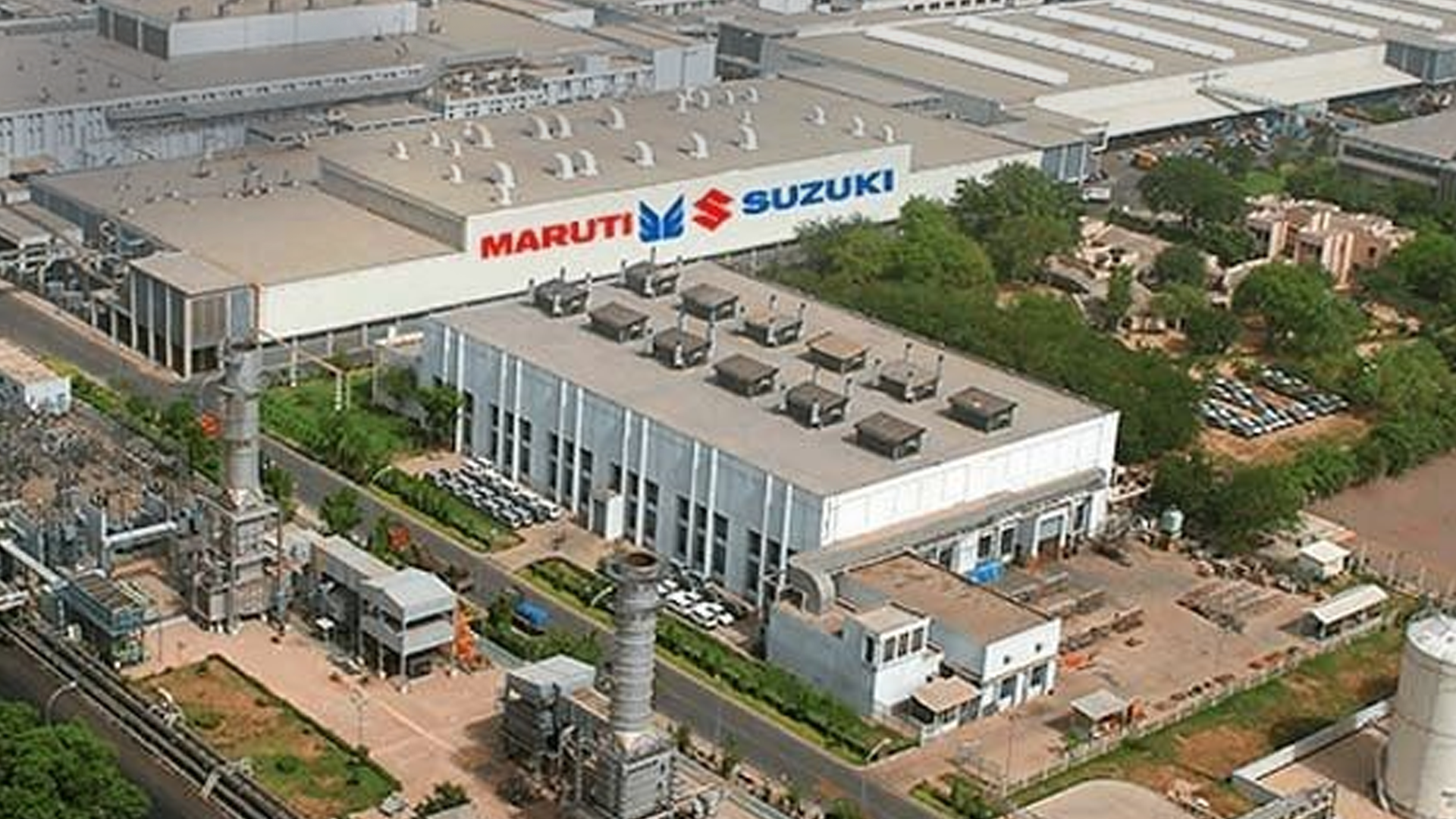
The company’s investment will also go into building a new manufacturing plant in Kharkhoda, Haryana, which will have an initial capacity of 2.5 lakh units per annum. The facility is expected to begin operations in 2025 and will serve as a key hub for both domestic sales and exports.

Industry experts view Maruti Suzuki’s move as a major boost for India’s automotive ecosystem, especially given its scale and timing. India’s EV adoption is projected to accelerate in the coming years, supported by government incentives and rising consumer awareness. According to analysts, Maruti Suzuki’s aggressive push into EVs will not only help the automaker maintain its market leadership but also catalyze further investments across the supply chain, including battery manufacturing and component production.

Maruti Suzuki has already partnered with Suzuki Motor Gujarat and Toyota Motor Corporation to strengthen its electric and hybrid portfolio. The company is also exploring localized battery manufacturing to reduce costs and improve affordability for Indian consumers.

With a cumulative investment target of over ₹1.25 lakh crore by the end of the decade, including the latest ₹70,000 crore announcement, Maruti Suzuki is positioning itself as a key player in India’s EV transition while continuing to grow its stronghold in traditional internal combustion engine (ICE) vehicles.

Categories
Corporate

Adani Group Secures CCI Nod for Jaiprakash Associates Acquisition

Adani Group Secures CCI Nod for Jaiprakash Associates Acquisition

JAL has been classified as a non-performing asset for several years, and its resolution has been closely watched by industry observers.

Amit Kumar

The Competition Commission of India (CCI) has approved Adani Group’s proposal to acquire Jaiprakash Associates Ltd (JAL), marking a significant step forward in the conglomerate’s expansion in the cement and infrastructure sectors. This regulatory clearance comes as a major milestone for Adani, though the acquisition process is still subject to approval from the Committee of Creditors (CoC) overseeing JAL’s debt resolution.

Jaiprakash Associates, part of the Jaypee Group, has been struggling under a heavy debt load for years, prompting lenders to seek strategic buyers under India’s Insolvency and Bankruptcy Code (IBC) process. The acquisition is expected to strengthen Adani’s footprint in the cement industry, where it has rapidly scaled operations since its acquisition of Holcim’s Ambuja Cements and ACC in 2022.

The transaction, which involves acquiring a substantial portion of JAL’s cement assets, will not only bolster Adani’s market share but also provide relief to lenders that have been grappling with JAL’s prolonged financial distress. JAL has been classified as a non-performing asset for several years, and its resolution has been closely watched by industry observers.

Industry experts note that CCI’s clearance was anticipated, given Adani’s existing dominance in the cement sector, but the approval underscores confidence in the group’s capacity to absorb and revive stressed assets. Adani Cement is currently the second-largest cement producer in India, with an annual production capacity of nearly 70 million tonnes, and the acquisition could significantly increase this figure.

This development is also seen as part of the Adani Group’s broader strategy to consolidate its position across sectors including cement, energy, ports, logistics, and airports. Adani has been on a rapid expansion spree even after facing scrutiny from global investors following allegations raised in early 2023. The regulatory approval signals continued domestic confidence in the conglomerate’s growth trajectory.

With the CCI nod secured, the focus now shifts to the Committee of Creditors, which will assess and approve the resolution plan before the National Company Law Tribunal (NCLT) gives its final go-ahead. If completed, the acquisition could be one of the largest transactions in India’s cement sector and a crucial test case for the resolution of heavily indebted infrastructure companies.

Categories
Corporate

TCS Launches Dedicated AI & Services Transformation Unit Under Veteran Leadership

TCS Launches Dedicated AI & Services Transformation Unit Under Veteran Leadership

Amit Kapur, a seasoned TCS leader with over 26 years at the company, will take charge as Chief AI and Services Transformation Officer, effective September 1, 2025.

Staff Writer

In a strategic leap into the AI-driven future, Tata Consultancy Services (TCS), India’s leading IT services powerhouse, has announced the formation of a specialized AI and Services Transformation Unit. The move consolidates the company’s AI capabilities under a single leadership umbrella, underscoring its intensified focus on innovation and digital transformation.

Amit Kapur at the Helm

Amit Kapur, a seasoned TCS leader with over 26 years at the company, will take charge as Chief AI and Services Transformation Officer, effective September 1, 2025. Kapur currently heads TCS’s UK & Ireland operations—its second-largest region—and will now report directly to COO Aarthi Subramanian.

Why This Matters

This move marks TCS as the first Indian IT firm to establish a standalone business unit dedicated exclusively to AI and services transformation—a strategy that follows a similar step taken by U.S. rival Accenture.

In internal communications, TCS has outlined the unit’s mandate: bringing together all existing AI, data, and related capabilities; strengthening engagement across horizontal service lines and industry verticals; and fast-tracking client-level innovation. This includes reimagining service propositions, deepening AI domain expertise, building broader partnership ecosystems, and harnessing its global Pace Ports network to deliver real-world AI experiences closer to customers.

A Time of Intense Industry Disruption

The launch comes amid sweeping changes within TCS and the broader IT outsourcing industry. Earlier this summer, TCS announced plans to cut around 12,000 jobs—about 2% of its workforce—citing skill mismatches as part of its pivot toward a more agile, AI-enabled business model. Industry analysts view the layoffs as emblematic of a larger shift, where AI is rapidly transforming traditional roles and reshaping the talent landscape.

TCS Chairman N. Chandrasekaran has also indicated that AI agents will increasingly collaborate alongside human teams, reinforcing the company’s commitment to integrating artificial intelligence deeply into its work processes.

Categories
Corporate

Protean eGov Technologies Secures ₹1,160 Crore UIDAI Order, Shares Jump 8%

Protean eGov Technologies Secures ₹1,160 Crore UIDAI Order, Shares Jump 8%

Landmark Aadhaar Deal Boosts Investor Confidence and Strengthens Digital Identity Leadership

Sreelatha M

Shares of Protean eGov Technologies jumped as much as 11% on Tuesday after the company announced a landmark contract with the Unique Identification Authority of India (UIDAI) worth ₹1,160 crore (excluding taxes). This deal is a major win for the company, placing it at the center of one of India’s most ambitious digital identity projects.

At 1:30 pm, the stock was at 888, down from the high of 912 but still up 70 points from the start of the day. 

Benefits of the Contract

The contract involves setting up and operating Aadhaar Seva Kendras,  service centers offering Aadhaar enrolment, updates, and related assistance across 188 districts nationwide for six years. This scale of work highlights Protean’s growing importance in India’s digital public infrastructure, directly impacting millions of citizens by streamlining access to vital identity services.

Following the announcement, Protean’s stock soared to an intraday high of ₹907.75 on the Bombay Stock Exchange (BSE), reflecting strong investor confidence in the company’s capabilities. The sharp rally came as a relief after a challenging few months for Protean.

Recovery After PAN 2.0 Project Setback

Earlier this year, Protean faced setbacks when it lost the high-profile PAN 2.0 project, causing a steep 20% fall in its share price and denting investor sentiment. However, the company bounced back in June with a ₹100 crore contract from the Bima Sugam India Federation to develop a digital insurance marketplace. That deal helped stabilize the stock and hinted at a turnaround.

Today’s big win with UIDAI reaffirms Protean’s pivotal role in building India’s digital infrastructure ecosystem. The company has been instrumental in projects related to PAN card issuance, the National Pension System, and now, Aadhaar enrolment services at a massive scale.

Why is this a Growth Catalyst?

Market analysts see the UIDAI contract as a potential turning point for Protean, paving the way for more government projects in digital identity and data management. A smooth execution, they note, could set the stage for sustained growth and further lift investor sentiment.

For citizens, Protean’s efforts promise smoother, more reliable access to Aadhaar services, a core element of India’s digital governance push. For investors, the latest deal signals that the company is regaining stability after a challenging phase.

With the government’s digital transformation drive gaining momentum, Protean eGov Technologies looks positioned to play a central role—a view the markets seemed to share, as reflected in Tuesday’s sharp rise in its stock price.


Categories
Corporate

ONGC Begins Gas Sales from Chinnewala Tibba Field in Rajasthan

ONGC Begins Gas Sales from Chinnewala Tibba Field in Rajasthan

As of August 25, 2025, ONGC has commenced gas sales at a rate of 1.0 lakh standard cubic meters per day (LSCMD).

Amit Kumar

Oil and Natural Gas Corporation Limited (ONGC) has started selling natural gas from its Chinnewala Tibba field in Rajasthan, marking a key step in India’s efforts to boost domestic energy production and strengthen energy security. The field, located in Western Rajasthan near the Indo-Pakistan border, spans 73 square kilometers and is part of the Discovered Small Field (DSF-II) block within the Rajasthan Kutch Onland Exploratory Asset. Its development reflects ONGC’s focus on tapping smaller, underutilized reserves to meet rising energy demands.

As of August 25, 2025, ONGC has commenced gas sales at a rate of 1.0 lakh standard cubic meters per day (LSCMD). The gas is being supplied to the Rajasthan Rajya Vidyut Utpadan Nigam Limited (RRVUNL) facility in Ramgarh via ONGC’s Gamnewala Gas Collection Station. This operation involved close coordination with the Directorate General of Hydrocarbons (DGH), GAIL, Oil India Limited (OIL), and RRVUNL to ensure seamless integration of the gas into the regional power grid.

The initiation of gas sales from Chinnewala Tibba is expected to strengthen regional energy security by contributing to local power generation and industrial needs. It also supports ONGC’s broader mandate of efficient resource monetization and reinforces its position as a key player in India’s energy landscape.

Industry observers note that the new gas output could enhance ONGC’s revenue outlook and market performance while helping reduce reliance on imported fuels. By leveraging domestic reserves, ONGC is aligning with India’s strategic goal of energy self-sufficiency and providing a more stable supply for growing consumption in northern and western states.

Categories
Corporate

Apple to Launch Its First Pune Store on September 4, Expands Retail Presence in India

Apple to Launch Its First Pune Store on September 4, Expands Retail Presence in India

Apple is also extending its digital-first services across its India operations.

Staff Writer

Apple has announced that its first retail store in Pune, Apple Koregaon Park, will officially open on September 4 at 1 p.m. IST, marking a significant step in the company’s continued expansion across India. The launch underscores Apple’s long-term commitment to one of its fastest-growing markets, following earlier announcements of a new store in Bengaluru.

The barricade for the Pune location was unveiled ahead of the opening, featuring artwork inspired by the peacock — India’s national bird — symbolizing pride and vibrancy. This creative design mirrors the artistic themes recently revealed for Apple’s upcoming Bengaluru outlet, Apple Hebbal. Together, these stores will become Apple’s third and fourth retail locations in India, expanding its footprint in major urban centers.

At both new stores, customers will be able to explore the full range of Apple products, experience new features firsthand, and receive support from trained Specialists, Creatives, Geniuses, and business-focused teams. In addition, visitors can participate in “Today at Apple” sessions, which offer free, hands-on workshops on photography, music, art, coding, and other skills, enhancing the in-store experience beyond traditional shopping.

Apple is also extending its digital-first services across its India operations. Features such as “Shop with a Specialist” over video calls and the revamped Apple Store app are designed to provide a more personalized and secure shopping experience, whether customers choose to engage online or in person. Ahead of the Pune store opening, Apple has released exclusive wallpapers, a curated Apple Music playlist inspired by the sounds of Pune, and additional information about the store to generate excitement among customers.

The Pune opening follows Apple’s announcement of its Bengaluru store in Hebbal, which further cements the company’s retail expansion strategy in India. By establishing these new locations, Apple aims to bring its premium retail and service experience closer to Indian customers, offering both hardware and software solutions under one roof while strengthening its engagement through educational and creative programs.

With these moves, Apple is signaling that India remains a key market in its global growth strategy. The company’s investment in physical stores complements its digital initiatives, enabling it to reach a broader audience and provide comprehensive support, training, and interactive experiences. As Apple continues to expand in India, its retail presence is expected to play a central role in boosting brand visibility, customer engagement, and long-term loyalty in one of the world’s fastest-growing technology markets.

The opening of Apple Koregaon Park in Pune, along with the upcoming Bengaluru store, reflects Apple’s efforts to combine localized design, innovative services, and educational initiatives to create a distinctive retail experience tailored to Indian consumers.

Categories
Corporate

Vodafone Idea Shares Tumble After Government Rules Out Further AGR Relief

Vodafone Idea Shares Tumble After Government Rules Out Further AGR Relief

This leaves the telecom operator with an outstanding AGR liability of nearly ₹75,000 crore, scheduled to be repaid in six equal annual installments beginning March 2026.

Amit Kumar

Shares of Vodafone Idea Ltd plummeted by 10% on August 26, 2025, closing at ₹6.66 on the Bombay Stock Exchange following the government’s decision to deny additional relief related to the company’s Adjusted Gross Revenue (AGR) dues.

The Department of Telecommunications (DoT) clarified that no further concessions would be offered beyond the previous equity conversion, which had already transformed approximately ₹36,950 crore of Vodafone Idea's debt into government equity. This leaves the telecom operator with an outstanding AGR liability of nearly ₹75,000 crore, scheduled to be repaid in six equal annual installments beginning March 2026.

The government’s stance has intensified investor concerns about Vodafone Idea’s financial stability. The company, already grappling with substantial debt and declining market share, now faces the challenge of servicing its AGR obligations without additional support. Analysts warn that the lack of further relief could jeopardize the company’s ability to compete effectively in India’s highly competitive telecom sector.

In the preceding days, Vodafone Idea's stock had experienced a brief rally, surging over 10% amid speculation about potential government intervention. However, the recent announcement has reversed those gains, highlighting the volatility and uncertainty surrounding the company’s financial outlook.

Vodafone Idea has repeatedly sought relief from the government, arguing that the repayment schedule and accumulated interest on AGR dues were threatening its ability to invest in network expansion, 5G deployment, and overall service improvement. Despite these appeals, the government has remained firm in its position, citing fiscal prudence and precedent in dealing with telecom operators.

Investors are now closely monitoring Vodafone Idea’s next steps, including potential asset monetization, capital raising, or strategic partnerships, which may help the company meet its financial obligations. Market participants also remain attentive to any policy changes from the government that could provide indirect relief, such as adjustments to spectrum fees or other regulatory concessions.

The company’s declining stock reflects the broader challenges facing India’s telecom industry, where intense competition, high spectrum costs, and legacy debt burdens continue to weigh on profitability. While Vodafone Idea remains operationally focused on network quality and customer retention, the financial pressures stemming from unresolved AGR liabilities have created a heightened sense of caution among investors.

With the government ruling out further AGR relief, Vodafone Idea faces a critical period in which strategic financial management and operational efficiency will be essential to sustain its market presence and rebuild investor confidence.

Categories
Corporate

Tata Motors Restructures Business, Commercial Vehicle Arm to Be Demerged

Tata Motors Restructures Business, Commercial Vehicle Arm to Be Demerged

The scheme has an appointed date of July 1, 2025, with the effective date set for October 1, 2025.

Amit Kumar

Tata Motors has received approval from the National Company Law Tribunal (NCLT) for its composite scheme of arrangement, enabling a major restructuring that will split the company into two listed entities and formally demerge its commercial vehicles (CV) business. The Mumbai Bench’s sanction marks the final regulatory milestone before the scheme becomes effective, with both businesses expected to begin trading separately in early October.

Under the approved scheme, the CV undertaking of Tata Motors Limited will be demerged into TML Commercial Vehicles Limited, while the passenger vehicles (PV) undertaking—including the fast-growing electric vehicle division and Tata Motors’ investments related to Jaguar Land Rover—will remain within the existing listed company. As part of the implementation, the two entities will be renamed so investors can clearly distinguish between the PV and CV franchises once the split takes effect. The scheme has an appointed date of July 1, 2025, with the effective date set for October 1, 2025, subject to customary conditions, including filing the NCLT order with the Registrar of Companies.

For shareholders, Tata Motors has indicated a mirror shareholding structure: a 1:1 issuance for the demerged company, ensuring that existing shareholders retain equal exposure to both the PV and CV entities post-split. The record date for allotment will be announced closer to the effective date. The company has emphasized that the transaction is designed to be tax neutral for both the undertakings and shareholders.

From a strategic standpoint, Tata Motors has presented the reorganization as a way to sharpen capital allocation, simplify governance, and unlock value by allowing each business to pursue tailored strategies and technology roadmaps. The CV arm, which spans heavy and light commercial vehicles, buses, and defense-related platforms, will be able to focus on B2B demand cycles, cost optimization, and product refreshes. Meanwhile, the PV company can capitalize on domestic momentum in SUVs and electric vehicles, scale its charging and software ecosystems, and continue benefiting from technology and brand synergies linked to Jaguar Land Rover. Market analysts view the NCLT approval as a positive development, removing a major procedural uncertainty ahead of the October timetable.

Operationally, Tata Motors has described the demerger as a “streamlined structure” that should improve execution speed and transparency. Decoupling the differing economic cycles of PV and CV operations is expected to reduce earnings volatility for each listed vehicle and provide investors with clearer key performance indicators, such as EV penetration, order books, and margin progression for PVs, and utilization, mix, and price discipline for CVs. The company has previously indicated an approximate 60:40 asset split between PV and CV at the appointed date, providing analysts with a rough guide to scale for valuation purposes.

The restructuring caps an 18-month process that began with board approval in 2024 and included shareholder and creditor approvals, statutory notices, and NCLT-convened meetings through the first half of 2025. With tribunal sanction now in hand, the immediate next steps are procedural: filing the certified order, announcing the record date, and preparing for separate reporting and investor communications. Market focus will also shift to index implications, potential inclusion decisions, and how domestic and foreign investment flows rebalance once the two entities list as distinct tickers.

While near-term market performance will depend on broader risk sentiment and sector cycles, the demerger is designed to highlight the intrinsic strengths of both platforms. For PVs, this means leveraging product pipelines in ICE and EV, scaling software-defined features, and expanding exports; for CVs, it means disciplined capital expenditure, tighter cost curves, and improved after-sales profitability. With NCLT approval secured and a clear calendar to effectiveness, Tata Motors has positioned the split as a structural reset to sustain growth while giving public market investors a cleaner choice between two distinct mobility businesses.

Categories
Corporate

Elon Musk’s xAI Sues Apple and OpenAI Over Alleged AI Market Monopoly

Elon Musk’s xAI Sues Apple and OpenAI Over Alleged AI Market Monopoly

Accusations of App Store bias and monopolistic behavior spark high-stakes legal showdown in Texas

Staff Writer

Fort Worth, Texas: In a sharp escalation of Silicon Valley’s tech wars, Elon Musk’s AI startup xAI, together with his social media platform X, has filed a sweeping antitrust lawsuit against Apple and OpenAI. The suit accuses the two companies of conspiring to dominate both the generative AI and smartphone markets by engaging in unfair competitive practices.

Filed in a federal court in Fort Worth, Texas, the case alleges that Apple and OpenAI are deliberately working to stifle competition in the AI space—specifically targeting Musk’s Grok chatbot and related services integrated with X.

The lawsuit accuses Apple and OpenAI of conspiring to:

  • Monopolize the generative AI chatbot market, using Apple’s ecosystem dominance to promote OpenAI’s ChatGPT over competing platforms;
     
  • Manipulate App Store rankings to disadvantage xAI’s Grok and the X app, blocking them from appearing in “Must-Have Apps” and other featured categories despite strong user metrics;
     
  • Restrict consumer choice by embedding ChatGPT within Apple’s new AI suite, Apple Intelligence, without offering equal integration opportunities to competitors.
     

xAI is seeking billions of dollars in damages and a court order to halt what it describes as “anticompetitive behavior.”

Musk’s AI Offensive

The lawsuit marks the latest move in Musk’s increasingly aggressive campaign against OpenAI, a company he co-founded in 2015 but has since sued separately for what he claims is a betrayal of its non-profit mission.

xAI, launched in 2023, has positioned Grok as a direct competitor to ChatGPT. Integrated across X and Tesla vehicles, Grok aims to offer a real-time, humor-infused alternative to traditional chatbots. Musk has complained that despite its popularity, Apple is actively obstructing its visibility through App Store design and algorithmic bias.

“Apple is gatekeeping innovation and giving preferential treatment to OpenAI,” Musk said in a post on X earlier this month, calling it “a direct assault on fair competition and consumer freedom.”

Reactions from Apple and OpenAI

After Musk’s threat to sue Apple, OpenAI CEO Sam Altman responded sharply, stating, “This is a remarkable claim considering the allegations I’ve heard about Elon manipulating X to benefit his own interests while disadvantaging competitors and critics.”

An Apple spokesperson maintained that the App Store is designed to be “fair and free of bias,” highlighting that it features “thousands of apps” evaluated through a variety of signals. The company emphasized that its editorial and algorithmic systems prioritize user safety, functionality, and engagement—not the manipulation of rankings to favor corporate partnerships.

In a counterclaim, OpenAI has accused Musk and xAI of engaging in “harassment” through persistent litigation, public attacks on social media and in the press, and a “sham bid” to acquire the ChatGPT-maker for $97.4 billion—an attempt allegedly aimed at damaging the company’s business relationships.

Broader Implications

The case comes at a time when Apple is already facing legal scrutiny in the U.S., Europe, and India over its App Store dominance. The latest complaint could add pressure from regulators examining whether Big Tech platforms are unfairly shaping access to emerging AI tools.

India Today and Hindustan Times have described the lawsuit as a significant moment in the global AI race, pointing out that Grok’s absence from prominent App Store feature sections may reveal broader systemic issues in platform gatekeeping.

Should the lawsuit prevail, it could compel Apple to reassess how it curates AI applications, potentially opening the market to greater competition in the generative AI sector. At the very least, the case guarantees an extended legal confrontation involving three of the most powerful companies in technology.