Categories
Corporate

Airbus Awards Mahindra Aerostructures Contract to Build H125 Helicopter Fuselage

Airbus Awards Mahindra Aerostructures Contract to Build H125 Helicopter Fuselage

This move aligns with the broader “Make in India” initiative, which aims to integrate domestic firms into global aerospace value chains.

Staff Writer

 Mahindra Aerostructures Pvt Ltd (MASPL), part of the Mahindra Group, has secured a key contract from Airbus Helicopters to manufacture the main fuselage of its H125 single-engine helicopter. Industrialisation will begin immediately at MASPL's facility in Bengaluru, with the first fuselage delivery scheduled for 2027.

This latest deal follows a similar agreement in April 2025, when MASPL was awarded the fuselage manufacturing contract for the Airbus H130 model. Together, these contracts underscore Mahindra's expanding role within Airbus’s global rotorcraft supply chain.

The H125, one of the world’s best-selling single-engine helicopters, is widely deployed across roles such as passenger transport, aerial work, tourism, law enforcement, medical evacuation, and rescue missions. Airbus sees the “Made in India” H125 as a strategic catalyst for growing civil aviation segments within India—including helicopter emergency medical services, disaster response, and aerial operations—and potentially serving the Indian armed forces.

MASPL will carry out industrialisation at its Bengaluru plant, an operation expected to ramp up quickly. The facility is also being expanded to accommodate the new programme, reflecting confidence in India's advanced aerospace manufacturing base.

This move aligns with the broader “Make in India” initiative, which aims to integrate domestic firms into global aerospace value chains. Airbus currently sources components and services worth approximately USD 1.4 billion annually from India. The effort complements Airbus's broader strategy in India, which includes the establishment of two Final Assembly Lines (FALs): one for H125 helicopters and another for C295 military aircraft, both set up in collaboration with Tata Advanced Systems Ltd.

The H125 programme marks a successive milestone after its earlier contract for the H130 fuselage, illustrating a steady deepening of the Mahindra-Airbus partnership.

Airbus India and South Asia President and MD Jürgen Westermeier described the contract as a sign of Airbus’s “confidence in India as a critical hub for global aerospace manufacturing” and pointed to the growing ecosystem of design, assembly, maintenance, and training that these initiatives support. On the Mahindra side, Group CEO and MD Anish Shah welcomed the deal as a reinforcement of the long-term partnership and a demonstration of Mahindra’s role in strengthening the nation’s aerospace ecosystem.

The H125 contract adds significant momentum to India’s aerospace ambitions, bridging domestic manufacturing with global aviation demand while embedding deeper industrial capabilities within the country.


Categories
Corporate

A23 Challenges Online Gaming Ban in Karnataka High Court

A23 Challenges Online Gaming Ban in Karnataka High Court

India’s online gaming sector has grown rapidly over the past decade, with fantasy sports and rummy platforms reporting millions of active users.

Staff Writer

India’s sweeping ban on online money-based games has come under its first legal challenge, with real-money gaming platform A23 moving the Karnataka High Court against the new law. The petition, filed on August 28, argues that the Promotion and Regulation of Online Gaming Act, 2025, which bans all online games involving monetary stakes, violates constitutional guarantees of equality, freedom of trade, and the right to carry out business. The court is scheduled to hear the matter on August 30.

The new law, passed by Parliament on August 21 and signed into effect the following day, criminalises both offering and promoting online money games. It prescribes penalties of up to three years in prison and fines of up to ₹1 crore for companies operating such platforms, as well as fines of ₹50 lakh and two years of imprisonment for advertising them. It also grants law enforcement sweeping powers to block websites, seize funds, and conduct searches without warrants. The move has sent shockwaves through India’s rapidly growing gaming industry, which had previously operated under judicial protections for games of skill such as rummy and fantasy sports.

In its petition, A23, owned by Head Digital Works, contended that the legislation ignores long-standing legal precedent that distinguishes skill-based games from gambling, effectively rendering legitimate businesses illegal. The company argued that the ban amounts to “state paternalism” and claimed it was enacted without adequate consultation with industry stakeholders. According to its filing, the sudden prohibition threatens hundreds of jobs, including over 600 within its own operations, and undermines a sector that had attracted significant foreign and domestic investment in recent years.

India’s online gaming sector has grown rapidly over the past decade, with fantasy sports and rummy platforms reporting millions of active users. Several high court and Supreme Court rulings had upheld that games of skill fall under the protection of Article 19(1)(g) of the Constitution, which guarantees the right to practise a profession or trade. Industry leaders say the new law disregards this judicial distinction by classifying all real-money games—regardless of skill level—under a single category of banned activities.

The government has defended the legislation as a necessary step to curb gaming addiction, financial losses, and related social harms, citing a rise in cases of gambling-related debt and suicides. While some companies, including market leader Dream11, have opted to comply with the ban and shift their business models, A23’s legal challenge signals the start of what could be a protracted battle over the future of online gaming in India.

Categories
Corporate

Adani Portfolio Surpasses ₹90,000 Crore EBITDA, Eyes Aggressive Expansion with ₹1.6 Lakh Crore Capex

Adani Portfolio Surpasses ₹90,000 Crore EBITDA, Eyes Aggressive Expansion with ₹1.6 Lakh Crore Capex

The group maintained one of the lowest leverage ratios globally, with Net Debt to EBITDA at 2.6x, supported by a high liquidity buffer.

Staff Writer

The Adani Group’s portfolio of listed companies reported a robust Trailing-Twelve-Month (TTM) EBITDA of ₹90,572 crore, up 10 percent year-on-year, while Q1 FY26 EBITDA reached a record ₹23,793 crore, marking a 3.3 percent rise, the conglomerate announced on Thursday (August 28, 2025). The results underscore the group’s continued growth across its energy, infrastructure, and transport businesses, and set the stage for an aggressive capital expenditure plan of ₹1.5-₹1.6 lakh crore in the coming year.

The Adani Portfolio, spanning airports, ports, power generation, transmission, data centers, cement, defense, and roads, has seen strong contributions from incubating businesses such as Adani Enterprises’ (AEL) airport ventures, Adani Green Energy (AGEL), Adani Energy Solutions (AESL), Adani Ports & SEZ (APSEZ), and Ambuja Cements. These high-growth segments more than offset a decline in AEL’s existing business, which faced pressure from lower trade volumes and volatility in Integrated Resource Management (IRM) index prices.

The group maintained one of the lowest leverage ratios globally, with Net Debt to EBITDA at 2.6x, supported by a high liquidity buffer of ₹53,843 crore as of March 31, 2025, representing 19 percent of gross debt. Fund flow from operations reached a record ₹66,527 crore, while the portfolio’s total asset base expanded to ₹6.1 lakh crore, including ₹1.26 lakh crore added in FY25.

Core Infrastructure businesses continue to drive growth, contributing 87 percent to the portfolio’s total EBITDA. AGEL’s operational capacity expanded 45 percent year-on-year to 15,816 MW with additions of 3,763 MW solar, 585 MW wind, and 534 MW hybrid projects. AESL added the WRNES Talegaon transmission project, increasing its under-construction order book to ₹59,304 crore. APSEZ saw cargo volumes grow 11 percent to 121 MMT in Q1 FY26, while passenger movements at Adani airports rose 3 percent to 23.4 million. Ambuja Cements’ capacity is on track to reach 118 MTPA by March 2026 from the current 105 MTPA.

The group is also pushing innovation in clean energy, with India’s first off-grid 5 MW green hydrogen pilot plant commissioned under Anil Ambani-led initiatives. Seven of eight under-construction projects, including the Ganga Expressway, are over 70 percent complete, highlighting the pace of Adani’s infrastructure development.

Looking ahead, the group’s strong liquidity position ensures that all debt obligations can be comfortably serviced over the next 12 months. Sustained EBITDA growth, coupled with continued investments in renewable energy, transport, and core infrastructure, positions the Adani Portfolio for further expansion and long-term resilience.

The combination of robust operational performance, disciplined financial management, and strategic project execution underscores the group’s ability to drive growth across multiple sectors while pursuing ambitious capital expenditure plans, solidifying its position as a leading global infrastructure and energy conglomerate.

Categories
Corporate

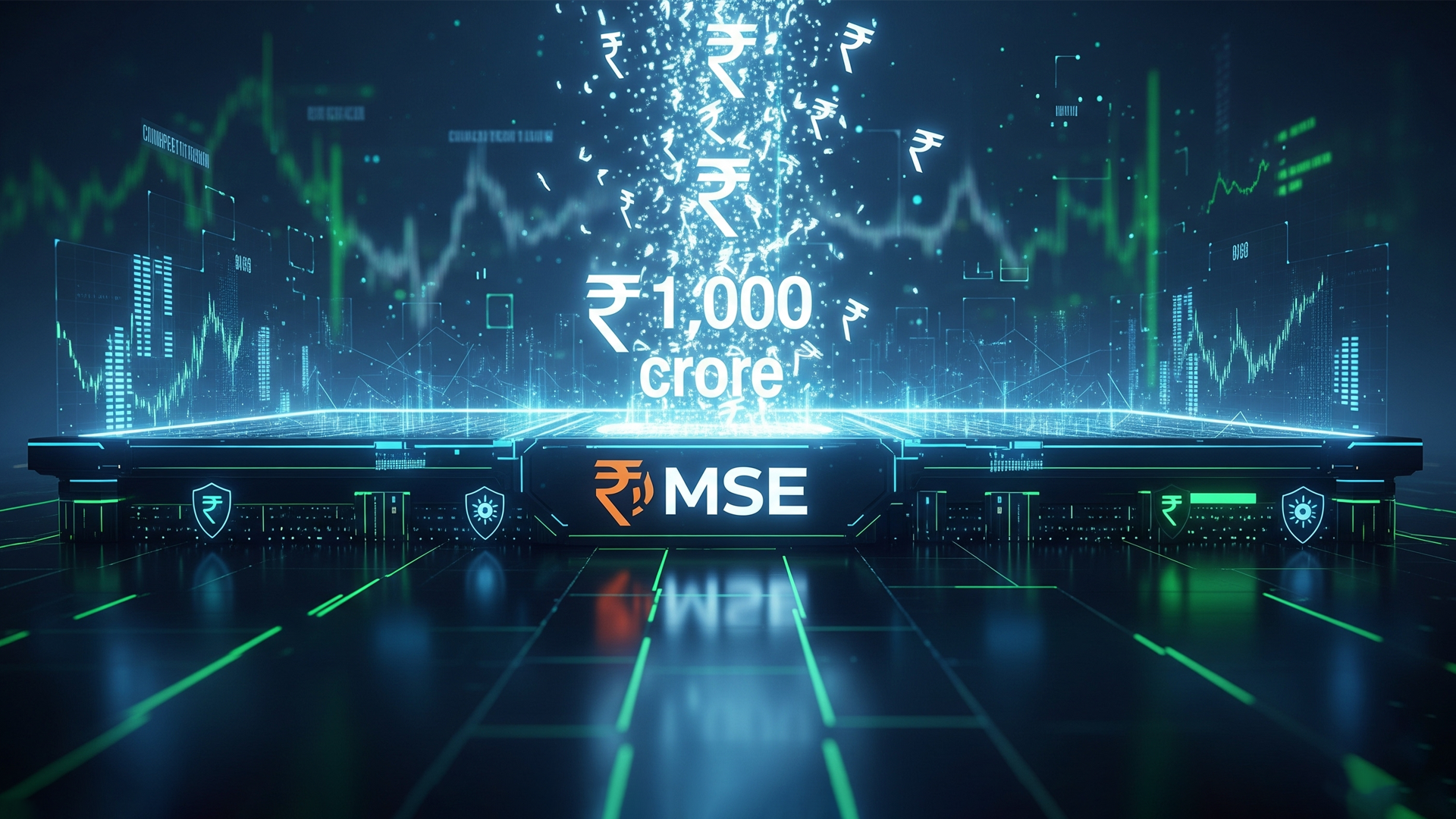
MSE Bags ₹1,000 Crore to Power Next-Gen Trading Platforms

MSE Bags ₹1,000 Crore to Power Next-Gen Trading Platforms

Latika Kundu Returns as CEO to Lead the Charge in Market Revitalization

Staff Writer

The Metropolitan Stock Exchange (MSE) has successfully raised ₹1,000 crore in its second round of capital fundraising, marking a significant step toward revitalizing its operations and enhancing its market infrastructure. The fresh infusion of funds was secured through a private placement involving prominent investors such as Peak XV Venture Partners Investments VII, Trust Investment Advisors, Pharma Ventures International LLP, along with several brokers and investment firms.

This capital raise comes amid intensifying competition in the equity derivatives market. MSE, alongside the National Commodity & Derivatives Exchange (NCDEX), which is currently raising ₹750 crore, is preparing to enter this lucrative segment, aiming to challenge the dominant duopoly of the National Stock Exchange (NSE) and Bombay Stock Exchange (BSE).

In a significant leadership development, MSE shareholders have reappointed Latika Kundu as Managing Director and Chief Executive Officer (MD & CEO) for a three-year term. Kundu, who has successfully steered the exchange through critical phases in the past, will continue to lead strategic initiatives focused on transformation and growth.

The newly raised capital will be deployed to strengthen MSE’s market infrastructure, including the establishment of a dedicated data center to improve trading efficiency. Additionally, the funds will support the exchange’s expansion into new product offerings, notably in equity derivatives.

With these strategic moves, MSE aims to deepen liquidity in the equity cash segment and introduce innovative products and differentiated services, reinforcing its position as a competitive force in India’s financial markets.
 

Categories
Corporate

TCS Signs ₹2,130 Cr Lease in Bengaluru’s Electronics City

TCS Signs ₹2,130 Cr Lease in Bengaluru’s Electronics City

1.4 Million Sq Ft at 360 Business Park Marks Major Expansion Move

Staff Writer

Tata Consultancy Services (TCS) has signed a landmark lease deal valued at ₹2,130 crore for approximately 1.4 million sq ft of office space at 360 Business Park in Bengaluru’s Electronics City, marking one of the largest single-tenant commercial real estate transactions in India in recent years.

The lease spans 15 years, with TCS committing to a monthly rent of ₹9.31 crore. The leased premises will be spread across Towers 5A and 5B of the SEZ-certified 360 Business Park, developed by Labzone Electronics City Pvt. Ltd. The transaction includes a rent escalation of 12% every three years and a security deposit of ₹112 crore. The effective rental rate works out to ₹66.50 per sq ft per month.

The lease agreement will be executed in two phases. In Phase 1, starting April 1, 2026, TCS will occupy the ground to seventh floors of Tower 5A, totaling around 680,000 square feet. Phase 2, set to begin on August 1, 2026, will extend occupancy to floors 8 to 13 across Towers 5A and 5B, adding approximately 720,000 square feet.

The deal significantly boosts TCS’s footprint in Bengaluru, the city where it houses its largest workforce. It also reinforces the tech giant’s commitment to long-term infrastructure investment amid a rapidly growing demand for IT services.  This lease is part of TCS’s broader real estate expansion strategy, under which it is investing over ₹4,500 crore across cities like Kolkata, Kochi, Hyderabad, Coimbatore, and Visakhapatnam.

The 360 Business Park offers a campus-style IT SEZ with modern amenities, multiple basements, and 13 floors above ground. With TCS as an anchor tenant, the park is expected to become a major employment and commercial hub in the region. This mega lease signals a continued rebound in India’s office leasing sector and solidifies Bengaluru’s status as the country’s premier tech real estate market.

Industry experts see the deal as a strong vote of confidence in Bengaluru’s commercial office market, particularly Electronics City, which continues to attract major occupiers despite limited new supply.


Categories
Corporate

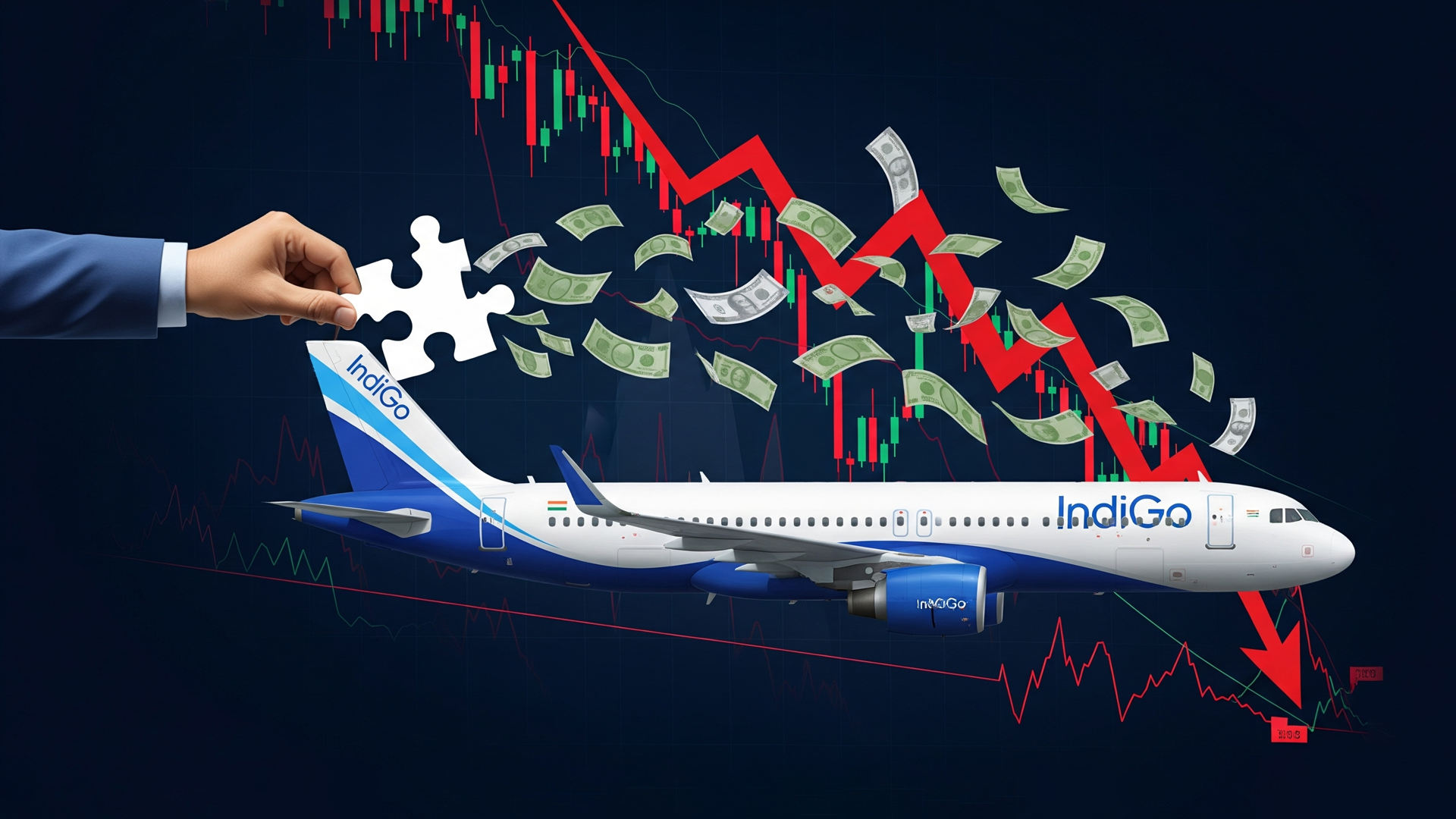
InterGlobe Aviation Shares Fall as Gangwal Family Sells 3.1% Stake in Block Deal

InterGlobe Aviation Shares Fall as Gangwal Family Sells 3.1% Stake in Block Deal

The sale is the latest in a pattern of gradual divestments by the Gangwal family commencing after Rakesh Gangwal stepped down from the airline’s board in early 2022.

Staff Writer

Shares of InterGlobe Aviation, the parent company of IndiGo, opened at approximately ₹5,789.50 on Thursday morning, marking a 4.3% drop as the market reacted to a substantial block deal by the Rakesh Gangwal family. By around 10:30 a.m. IST, about 3.1% of the company’s equity had changed hands, representing roughly 1.2 crore shares, transacted at an average price of ₹5,830 apiece—amounting to nearly ₹7,085 crore.

This transaction appears to follow through on earlier reports indicating that the Gangwal family intended to offload up to a 3.1% stake in InterGlobe Aviation through block deals valued around ₹7,020 crore. The proposed floor price of ₹5,808 per share was set at about 4% below the previous session’s closing price, suggesting a strategic execution of a phased stake reduction plan.

The sale is the latest in a pattern of gradual divestments by the Gangwal family commencing after Rakesh Gangwal stepped down from the airline’s board in early 2022. To date in 2025, they have trimmed nearly 9% of their stake. The divestments since 2022 have cumulatively raised over ₹45,300 crore. These include a 2.74% stake sold for ₹2,005 crore in September 2022, a 4% block sale by his wife Shobha Gangwal for ₹2,944 crore in February 2023, a further 2.9% offloaded for just over ₹2,800 crore in August 2023, a 5.2% stake sold for ₹9,549 crore in August 2024, and around ₹11,900 crore raised in May through another substantial block deal.

Following the latest transaction, the Gangwal family’s combined holding in IndiGo is estimated to be reduced to about 4.78%, valued at roughly ₹11,169 crore.

Separately, the broader Indian stock market saw declines due to macroeconomic tensions, including new punitive U.S. tariffs. The Nifty 50 and Sensex both slipped, with stocks such as HDFC Bank, ICICI Bank, and Reliance Industries also registering losses. In this climate, InterGlobe Aviation’s share drop, tied directly to promoter stake sale activity, stood out as one of the sharper individual stock moves.

Kotak Securities highlighted that IndiGo is trimming capacity more aggressively than competitors, not as a sign of softening demand but as part of a yield-focused strategy ahead of the festive season.


Categories
Corporate

ED Alleges Gurugram Developer Diverted ₹205 Crore of Homebuyer Funds to Sri Lanka Hotel

ED Alleges Gurugram Developer Diverted ₹205 Crore of Homebuyer Funds to Sri Lanka Hotel

The ED conducted raids and attached assets including the Colombo project and undeveloped lands in Gurugram’s Sectors 63, 65, and 70, along with several properties in Delhi.

Staff Writer

The Enforcement Directorate (ED) is probing Krrish Realtech, a Gurugram-based real estate company, and its promoter Amit Katyal, for allegedly collecting over ₹500 crore from more than 400 homebuyers under the pretext of assigning plots—without holding legitimate licenses—and diverting approximately ₹205 crore toward a hotel project in Colombo, Sri Lanka, instead of delivering promised housing plots.

According to the chargesheet filed by the ED in July, buyers were intentionally misled into booking plots that the company had no intention of handing over. The allocated funds were siphoned into personal accounts and an intricate network of shell companies controlled by Katyal and his family. These shell entities used dummy directors and acquired assets including land and flats.

Investigators allege that a shell company named Mahadev Infrastructure was used to channel ₹205 crore into a real estate-cum-hotel venture in Colombo. Additional sums were routed to firms including Good Earth Pvt. Ltd., The One Transworks Square Pvt. Ltd., and Heaven Tradelink Pvt. Ltd., as well as properties registered in the names of family members and employees. Katyal’s son, who holds citizenship in Saint Kitts and Nevis, has been identified as the beneficial owner of several Sri Lanka-based assets.

Further investigation referenced copies of FIRs lodged with Delhi and Gurugram Economic Offences Wings. The ED conducted raids and attached assets including the Colombo project and undeveloped lands in Gurugram’s Sectors 63, 65, and 70, along with several properties in Delhi. The probe revealed that Katyal and his associates attempted to mislead genuine homebuyers by allotting plots to multiple investors, creating fictitious creditors to file a pre-packaged insolvency petition before the National Company Law Tribunal (NCLT), and falsifying plot buyer lists submitted to a Supreme Court-appointed referee. Once buyers raised objections, the insolvency application was withdrawn.

The case adds to a series of high-profile real estate fraud investigations in the National Capital Region, with authorities continuing to examine the alleged diversion of funds.

Categories
Corporate

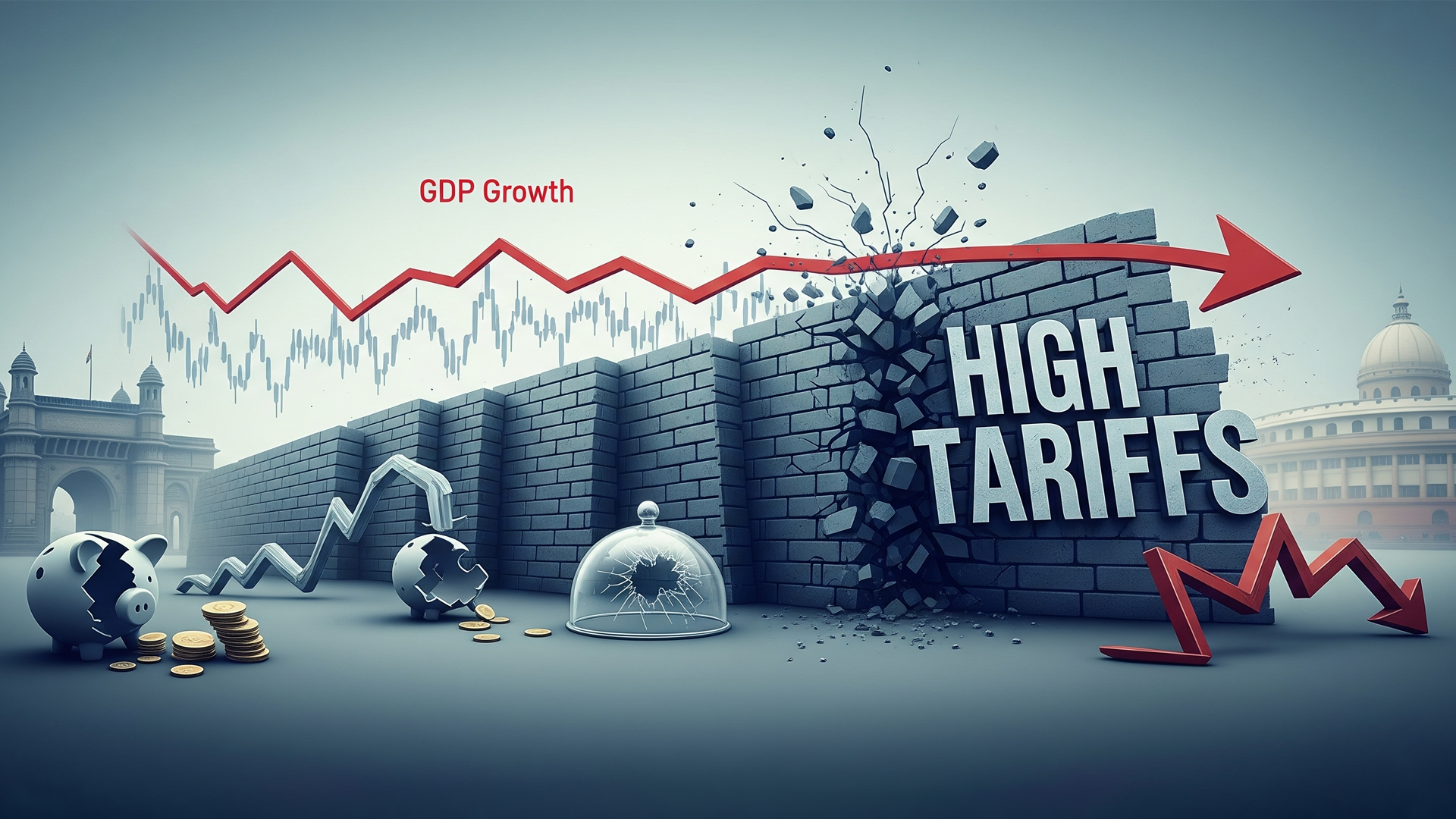
Trump’s 50% Tariffs Jolt Indian Economy, Markets Slide as Trade War Escalates

Trump’s 50% Tariffs Jolt Indian Economy, Markets Slide as Trade War Escalates

Key sectors like IT and auto take a hit while pharma finds some relief amid rising trade barriers.

Staff Writer

New Delhi: India faces an economic crisis after former U.S. President Donald Trump imposed devastating 50% tariffs on Indian imports, triggering market chaos and threatening millions of jobs.

The punitive measures arrived in two phases: a 26% "reciprocal tariff" targeting India's trade surplus, followed by an additional 25% penalty against New Delhi's energy cooperation with Russia. This 50% tariff wall, effective August 27, represents the most severe trade action against India in decades.

Markets in Turmoil

Indian equity markets opened in freefall Thursday, with the Sensex crashing nearly 500 points to 76,118 and the Nifty 50 plummeting 125 points to 23,207. Despite some recovery, both indices closed in the red—Sensex down 322 points at 76,295 and Nifty 50 ending 82 points lower at 23,250.

The technology sector suffered the heaviest casualties, with Nifty IT collapsing 4.2%. Giants like Infosys, TCS, and Wipro saw valuations decimated as investors fled U.S.-exposed stocks. Automobile manufacturers, including Tata Motors and Mahindra & Mahindra, also faced significant losses. However, pharmaceuticals surged 2.25% due to selective exemptions, while PSU banks gained 1.9% as investors sought defensive positioning.

The tariffs target India's export backbone, such as textiles, gems, garments, seafood, auto components, and chemicals, industries employing millions. Industry associations project catastrophic losses: up to $40 billion in export losses by fiscal 2026, over 10 million jobs at risk, and GDP growth reduction of nearly one percentage point.

From Surat's diamond workshops to Banaras' silk looms, industrial hubs report immediate order cancellations. "This isn't policy adjustment, it's economic warfare against Indian industry," declared a Ludhiana textile exporter.

Government Response

Prime Minister Modi convened emergency meetings as his administration formulated responses. The Commerce Ministry outlined export market diversification through accelerated free trade agreements with the UK, Australia, and the UAE, plus targeted fiscal support for affected industries.

Diplomatically, sources confirm Modi is preparing a China visit, signaling a potential geopolitical pivot toward BRICS partnerships. White House officials indicated tariffs could drop to 25% if India ends discounted Russian oil purchases, revealing energy politics as the dispute's core. As global markets turn risk-averse, India faces a critical test of its economic resilience and strategic flexibility in an increasingly polarized world.

The government is expected to announce detailed support measures for affected exporters by week's end, while diplomatic channels remain active to prevent further escalation of the trade dispute.

Categories
Corporate

BofA Flags Corporate Caution: Indian Firms Hit Pause on Expansion, Prioritize Debt Reduction

BofA Flags Corporate Caution: Indian Firms Hit Pause on Expansion, Prioritize Debt Reduction

Companies remain unsure about the trajectory of domestic consumption and global trade, making expansion plans appear risky.

Staff Writer

Bank of America (BofA) analysts are cautioning that Indian corporates are holding back on expansion, shifting attention instead toward reducing debt and refinancing amid a volatile economic backdrop.

As of today, BofA analysts, led by Shankar Subramaniam, the bank’s head of India, report that Indian companies appear to be stepping back from new capacity investments, citing uncertainties in both domestic demand and the global trade environment. Against this backdrop, firms are increasingly prioritizing debt repayment and refinancing strategies over growth through capital expenditure.

The cautious stance is rooted in several factors. Companies remain unsure about the trajectory of domestic consumption and global trade, making expansion plans appear risky. Rather than taking on fresh debt or funding new projects, corporates are choosing to manage existing liabilities and strengthen their balance sheets. Persistent concerns over inflation, slowing global growth, and geopolitical instability are further prompting companies to adopt a conservative financial strategy.

The findings from BofA align with broader corporate trends in India. A recent Bank of Baroda report highlighted that corporate debt growth in FY25 slowed significantly to just 2.9 percent, as companies increasingly relied on internal funding rather than external borrowing. This shift underscores a growing emphasis on financial sustainability and a preference for self-reliant strategies over debt-fueled growth.

This environment of caution has wider implications. With firms pausing expansion, sectors such as manufacturing and infrastructure may experience subdued capital investments in the near term. The slowdown in expansion spending could also weigh on allied industries like construction, machinery, and industrial raw materials. Investors and analysts may interpret this shift as a sign of heightened uncertainty, tempering near-term optimism around India’s corporate growth prospects.

While this conservative approach may curb short-term momentum, it could strengthen corporate India’s financial foundation in the long run. By prioritizing deleveraging and disciplined refinancing, companies are improving their credit profiles and reducing risk exposure. This measured strategy could position them to capitalize on opportunities more effectively once economic conditions stabilize.

BofA’s report paints a picture of Indian corporates adjusting to an unpredictable economic environment. Their focus on resilience over expansion reflects a broader recalibration of priorities, and while growth may temporarily slow, this period of consolidation could lay the groundwork for more sustainable, long-term gains.

Categories
Corporate

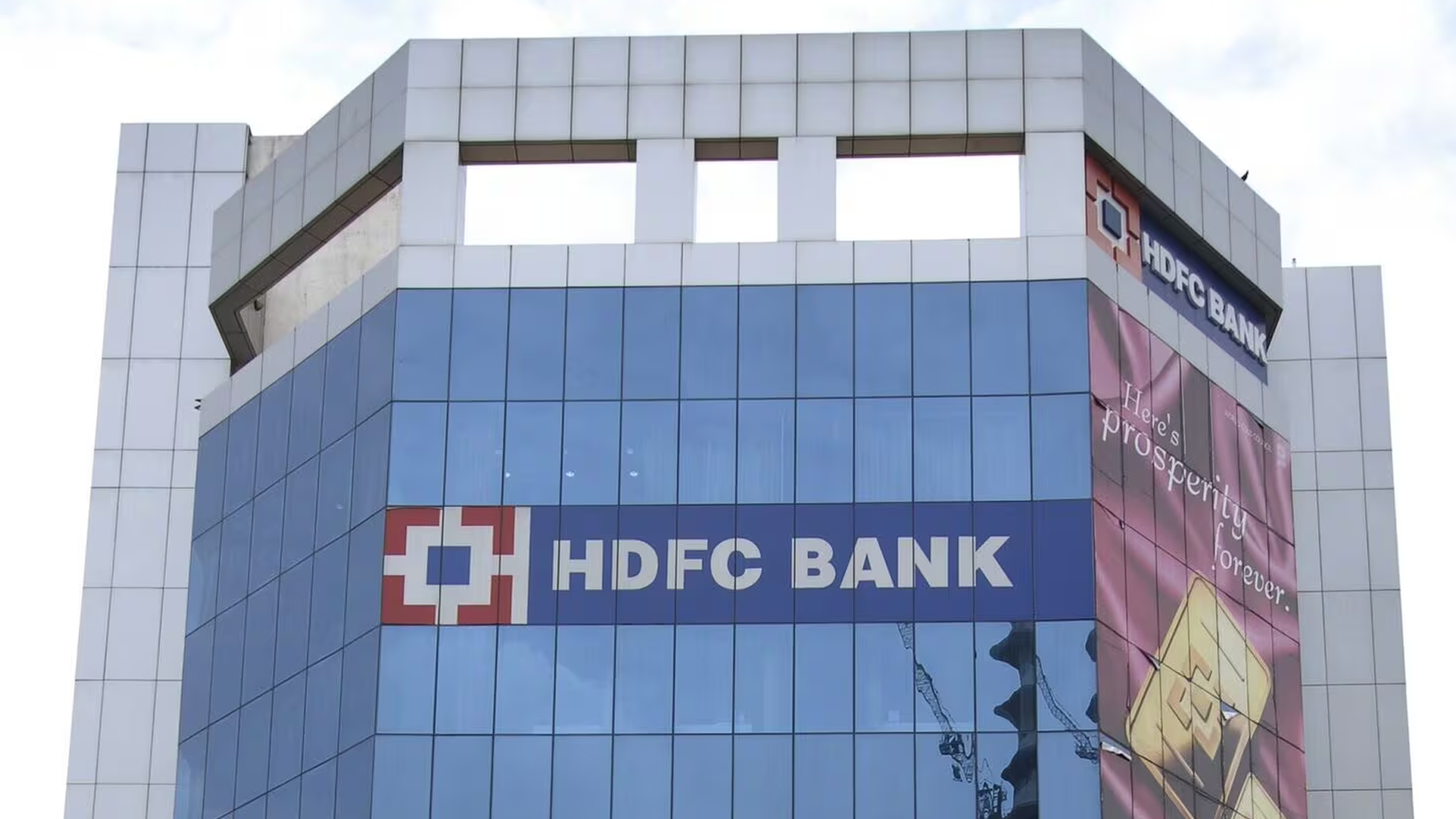
HDFC Bank Becomes Most Critical Emerging-Market Bank Globally, Held by 71% of Active EM Funds

HDFC Bank Becomes Most Critical Emerging-Market Bank Globally, Held by 71% of Active EM Funds

The Copley report notes that in the past six months alone, 13 new funds have initiated positions in HDFC Bank, while only one has exited

Staff Writer

India’s HDFC Bank has cemented its stature as the most essential bank for global emerging-market (EM) investors, according to the latest findings from Copley Fund Research. As of August 28, 2025, a record 71% of actively managed EM funds include HDFC Bank in their portfolios—the highest representation in the firm’s 17-year dataset.

Record Ownership and Growing Appeal

The Copley report, highlighted by analyst Steven Holden via Smartkarma, notes that in the past six months alone, 13 new funds have initiated positions in HDFC Bank, while only one has exited, signaling exceptional investor confidence. Such level of adoption reflects the bank’s enduring appeal across active global fund managers.

Moreover, more than half of these funds continue to weight HDFC Bank over the benchmark in their portfolios—even after its inclusion in the MSCI Emerging Markets Index weakened the excess weighting.

Synergies from the HDFC Merger Drive Momentum

HDFC Bank’s growing prominence is closely tied to its July 2023 merger with Housing Development Finance Corporation (HDFC). The integration has significantly strengthened the bank’s balance sheet, broadened its retail footprint, and improved its funding profile—making it more attractive than competitors such as ICICI Bank, Mexico’s Banorte, Indonesia’s Bank Central Asia, and even China Construction Bank. For many funds pursuing an "aggressive growth" mandate, HDFC Bank has become a foundational holding. At least four global funds—Flossbach von Storch, RBC, VanEck, and Switzerland’s Amonis—currently allocate over 7% of their portfolios to the bank.

Portfolio Weight and Market Outperformance

While average portfolio weight for HDFC Bank stands at 1.78%, slightly off its peak in 2023, it remains well above historical norms. Share price performance over the past year underscores investor confidence: HDFC Bank’s stock surged nearly 20%, outpacing the MSCI EM Index and dramatically outperforming Nifty 50, which declined by around 1.5%. Beyond fund ownership trends, HDFC Bank’s merger has elevated its systemic importance in India. According to the Reserve Bank of India’s designation of Domestic Systemically Important Banks (D-SIBs), HDFC Bank was moved to a higher bucket post-merger, increasing its required capital surcharge to 0.40% from 0.20%—underscoring its critical role in financial stability.